
The myth of universal interoperability safety
Users often assume that transferring assets across different blockchain networks via cross-platform wallets is as secure as native transactions on a single chain. This perception is fundamentally flawed.
While cross-platform wallets provide a seamless user interface, the underlying infrastructure relies on complex smart contract interactions that introduce significant security risks in cross-platform wallet transactions. Every time an asset moves from one ledger to another, it is subject to vulnerabilities inherent in the bridging process rather than the security of the source or destination blockchain itself.
Protocol-level vulnerabilities in bridge architecture
Cross-chain bridges operate by locking assets on a source chain and minting wrapped tokens on a destination chain. This mechanism creates a central point of failure: the bridge contract.
If the smart contract managing the locked collateral contains a bug or a logic error, attackers can drain the entire liquidity pool, rendering the wrapped tokens on the destination chain worthless. Unlike native transactions where the protocol’s consensus mechanism validates the state, bridge architecture often relies on a smaller set of validators or multisig signers.
The security gap widens when considering the complexity of heterogeneous networks. A wallet interacting with an Ethereum-based bridge and a Solana-based bridge must manage two distinct sets of security assumptions.
If the bridge uses an ‘optimistic’ verification model, there is a delay period where transactions are assumed valid unless challenged. During this window, malicious actors can exploit the latency to execute double-spend attacks or manipulate price oracles.
Furthermore, the reliance on external oracles to verify the state of the source chain introduces a vector for data manipulation. If the oracle feed is compromised, the bridge may release funds based on fraudulent information, bypassing the security measures that users typically associate with their hardware wallets or private key management.
Evaluating security risks in cross-platform wallet transactions
Cross-platform transactions rely on interoperability protocols that often expand the attack surface beyond a single blockchain environment. When you move assets between ecosystems, you are not just interacting with one ledger but with bridge contracts, relayers, and third-party interfaces that may have varying levels of audit maturity.
Each additional layer introduces potential points of failure where data can be intercepted or manipulated.
Private key management across multiple interfaces
The primary danger in cross-platform activity is the tendency to import private keys or seed phrases into multiple wallet interfaces to facilitate easier bridging. Many users connect their primary hardware-backed wallet to a browser extension or a mobile app to execute a swap, often requiring a robust wallet integration layer.
If the interface is compromised or malicious, it can capture the private key or the signing request, effectively bypassing the security of the hardware device. Always use a dedicated, read-only interface for tracking, and ensure that signing occurs only through a trusted, air-gapped, or hardware-authenticated environment. Never input your recovery phrase into any web-based interface, regardless of how legitimate the platform appears.
Smart contract risks in cross-chain swaps
Cross-chain swaps frequently require users to grant ‘infinite approval’ to a smart contract to facilitate the exchange of tokens across networks. This mechanism is a significant vulnerability. Understanding tokenization security risks and limitations is essential when dealing with these complex asset movements.
If the bridge contract or the liquidity pool you interact with has a logic flaw or a backdoor, an attacker can exploit these permissions to drain your entire wallet balance. To mitigate this, use tools like Revoke.cash or Etherscan’s token approval checker to monitor and revoke permissions immediately after a transaction is completed.
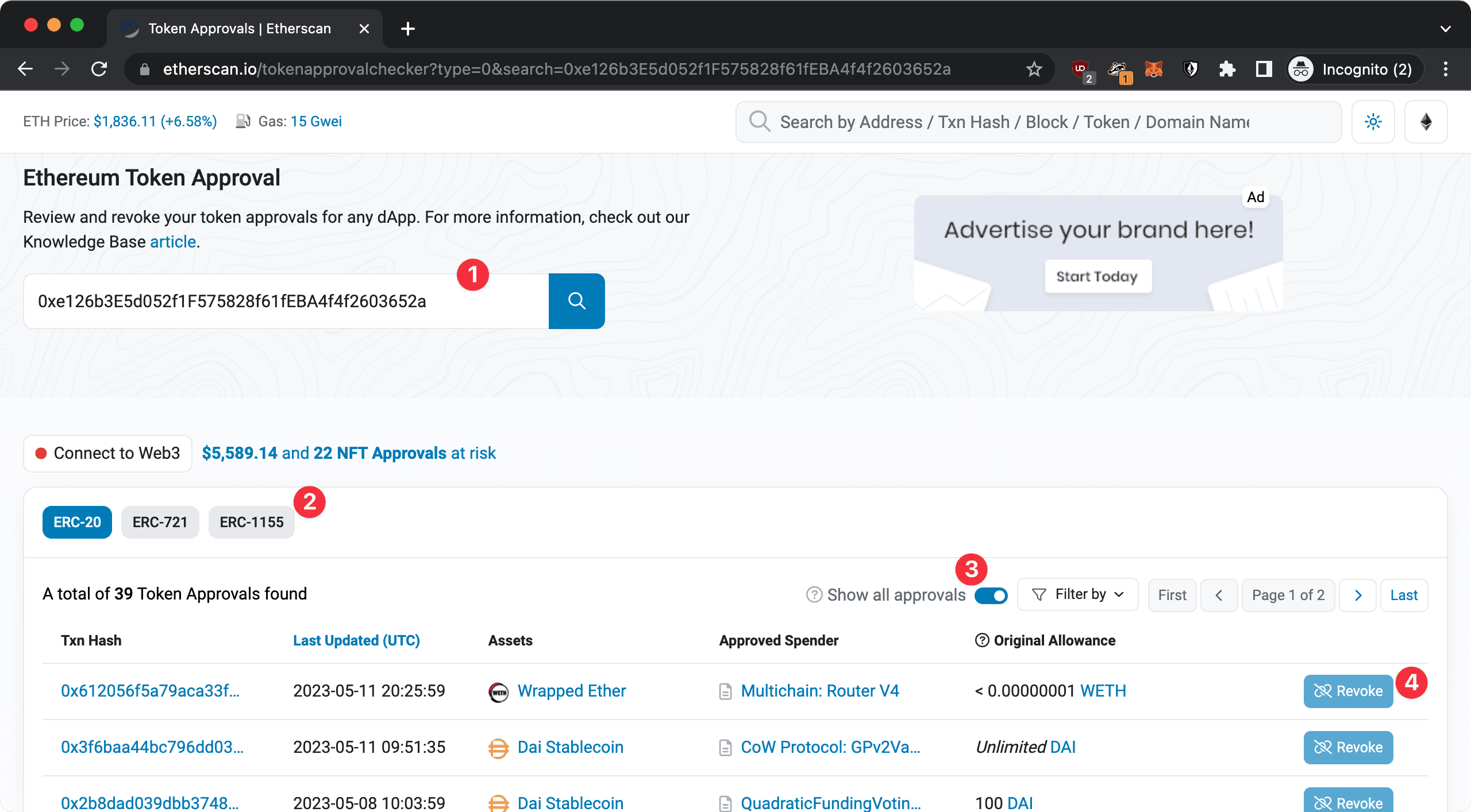
Limit your approvals to the specific amount required for the swap rather than granting unlimited access to your assets. By treating every cross-platform interaction as a potential smart contract risk, you maintain tighter control over your digital footprint and reduce the likelihood of a total loss during a bridge exploit.
Encryption standards and data exposure
Cross-platform wallets often rely on standardized encryption protocols like AES-256 to protect private keys and seed phrases. While these standards are robust, the primary security risks in cross-platform wallet transactions emerge at the intersection of local device storage and synchronization services. For broader context on protecting digital assets, one should review AI Security Risks and Issues that often parallel these infrastructure vulnerabilities.
When a wallet application synchronizes data across mobile, desktop, and browser extensions, the decryption keys must reside in memory across multiple environments, creating disparate points of failure.
If a wallet uses a non-custodial architecture, the private key is theoretically encrypted on the device. However, the implementation of the KeyStore (Android) or Keychain (iOS) varies significantly. A vulnerability in the operating system’s secure enclave can expose the master key, rendering the application-level encryption ineffective.
Furthermore, if a user enables cross-platform recovery features, the wallet provider may store an encrypted blob on their servers. If the provider’s server-side authentication is compromised, attackers can perform brute-force attacks on the encrypted blob, especially if the user-defined password lacks sufficient entropy.
The fallacy of cloud-synced wallet backups
Many users enable automatic cloud backups for their wallet data, assuming that services like iCloud or Google Drive provide a secure vault. This is a dangerous misconception. Standard cloud backups are designed for data availability, not high-security cryptographic storage.

When you back up a wallet file to a cloud provider, you are essentially moving your sensitive data outside of the wallet’s hardened security environment. The risk is compounded by the fact that cloud providers often hold the keys to decrypt the backup files themselves, or they store them in a way that is accessible via a compromised account credential.
If an attacker gains access to your cloud account through phishing or credential stuffing, they can download the wallet backup file. Once the file is offline, they can attempt to crack the password at their leisure without triggering any security alerts on your primary device. For maximum security, users should avoid cloud-synced backups entirely, opting instead for hardware-based cold storage or physical, offline backups of their recovery phrases.
Verification mechanisms for cross-platform integrity
Maintaining asset integrity during cross-platform transfers requires moving beyond trust in the interface. Because cross-chain bridges and multi-chain wallets often rely on smart contract relayers, users must actively verify the state of the transaction before signing. Organizations should also consider AI Security Governance, Privacy, and Compliance to ensure their internal protocols remain robust against evolving threats.
The most effective defense is to utilize block explorers specific to the destination chain rather than relying solely on the UI of your wallet provider, which may be susceptible to front-end injection attacks.
Auditing transaction signatures in multi-wallet setups
When managing assets across different chains, such as moving tokens from Ethereum to Solana via a bridge, the primary risk is a mismatch between the intended destination and the address encoded in the transaction payload. To manually verify these details, follow these steps:
- Inspect the Hex Data: Before confirming a transaction in a browser-based wallet like MetaMask or Phantom, click the ‘Data’ or ‘Hex’ field. If the address string does not match your intended recipient, abort the transaction immediately.
- Cross-Reference Chain IDs: Ensure the Chain ID in your wallet’s pending transaction window matches the destination network. A common exploit involves tricking users into signing a transaction on a malicious chain that mirrors the interface of a legitimate bridge.
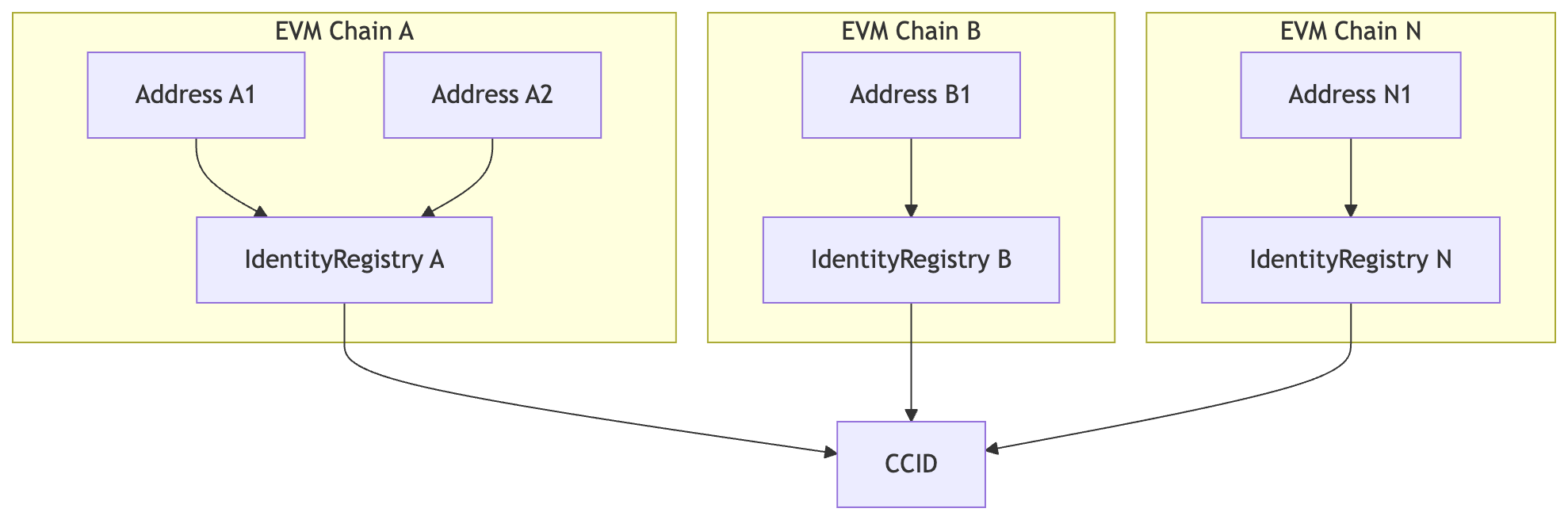
- Verify Contract Addresses: Always check the bridge’s contract address on a reputable aggregator like DefiLlama or Etherscan. If the contract address displayed in your wallet does not match the verified source code on the explorer, it is likely a phishing attempt.
Advanced users should leverage hardware security modules (HSMs) or multi-signature (multisig) wallets like Gnosis Safe. By requiring a secondary approval from a separate device or a cold storage wallet, you create a verification layer that prevents a single compromised interface from executing unauthorized transfers.
Always prioritize ‘read-only’ mode in block explorers to monitor your assets without connecting your wallet to untrusted decentralized applications. This practice minimizes exposure to malicious scripts that attempt to read your wallet state or prompt for unnecessary signature requests.
Frequently Asked Questions
Vulnerability factors in cross-platform wallet transactions
Not necessarily. The security of a transaction depends on the underlying bridge protocol, the smart contract audit status, and the wallet’s private key management rather than the act of moving assets between platforms itself. For those interested in broader security standards, exploring AI Security practices can offer valuable insights into risk mitigation.
Primary risk vectors in cross-platform bridges
The primary risk is smart contract vulnerability within the bridge itself. If the bridge’s liquidity pool is compromised or the code contains logic errors, attackers can drain the locked assets regardless of the security of the individual wallets involved. Users should also be aware of Is Binance Safe & Legit? Security Measures and User Trust when choosing where to store their primary assets.
- Real-world performance of digital wallet interoperability standards in open-loop systems
- Market expansion pathways leveraging the benefits of cross-border digital wallet interoperability
- Technical frameworks on how to achieve interoperability between mobile wallets
- ROI assessment models for digital wallet interoperability in emerging markets