
Market expansion through seamless connectivity: Benefits of cross-border digital wallet interoperability
Cross-border digital wallet interoperability allows fintech firms to bypass the need for bespoke integration with every local payment scheme, enabling instant liquidity movement across disparate regulatory environments. By adopting unified messaging standards like ISO 20022 and leveraging API-first architectures, providers can treat regional markets as a single, cohesive ecosystem rather than a collection of isolated silos.
Reducing customer acquisition costs in fragmented markets
Traditional expansion strategies often require building proprietary networks or signing individual agreements with dozens of local banks. This inflates customer acquisition costs (CAC) through heavy legal and technical overhead.
Interoperability shifts this model by allowing a single wallet provider to plug into existing regional hubs or shared payment rails. Instead of funding local infrastructure from scratch, firms can utilize existing liquidity providers and settlement layers. This shared-cost model significantly lowers the barrier to entry, allowing fintechs to offer competitive FX rates and lower transaction fees, which are critical drivers for user adoption in price-sensitive emerging markets.
Accelerating time-to-market for regional payment corridors
Proprietary payment corridors often rely on legacy correspondent banking networks, where settlement times can span three to five business days due to manual reconciliation and intermediary bank checks. API-based interoperability replaces these bottlenecks with real-time clearing mechanisms.

By connecting directly to local real-time payment (RTP) systems—such as UPI in India, Pix in Brazil, or PromptPay in Thailand—wallets can facilitate instant cross-border transfers. This technical agility allows businesses to launch in new territories within weeks rather than months, as the underlying connectivity is already established through standardized middleware. Consequently, companies can capture market share rapidly, responding to regional demand spikes without waiting for the slow deployment of traditional banking infrastructure.
Operational efficiency gains for cross-border payment processing
Interoperability between digital wallets eliminates the need for fragmented, proprietary settlement networks that often rely on slow, manual reconciliation processes. By adopting a unified messaging standard—such as ISO 20022—wallets can communicate transaction data seamlessly across borders, reducing settlement times from several days to near real-time.
This shift minimizes the operational burden on treasury teams, who no longer need to manage disparate API integrations for every local payment corridor.
Standardizing liquidity management across multiple currencies
Traditional cross-border payments often require firms to maintain significant pre-funded accounts in various local currencies to ensure liquidity. This practice ties up substantial working capital that could otherwise be deployed for growth.
When digital wallets utilize interoperable rails, they enable just-in-time liquidity management. Instead of holding idle balances in dozens of different regional bank accounts, businesses can leverage centralized liquidity pools that settle directly into the destination currency at the point of transaction. This reduction in capital requirements lowers the cost of FX hedging and minimizes the risks associated with holding volatile foreign currency reserves.
Automating compliance and AML reporting
The benefits of cross-border digital wallet interoperability standards extend significantly into the realm of regulatory compliance. Currently, financial institutions face high overhead costs due to redundant Know Your Customer (KYC) and Anti-Money Laundering (AML) checks performed by every intermediary bank in a payment chain.
Interoperable systems allow for the secure, standardized exchange of verified identity data between wallets. By utilizing decentralized identity (DID) frameworks or shared compliance ledgers, wallets can pass pre-verified credentials along with the transaction metadata. This automation drastically reduces manual verification tasks, lowers the rate of false positives in transaction monitoring, and ensures that AML reporting remains consistent across different jurisdictions. Consequently, fintech providers can scale their operations into new markets without a linear increase in compliance headcount.
Technical prerequisites for successful interoperability adoption
Achieving seamless cross-border transactions requires more than just a business agreement; it demands a robust technical architecture capable of reconciling disparate ledger systems. Organizations must prioritize standardized messaging protocols and real-time settlement capabilities to leverage the benefits of cross-border digital wallet interoperability effectively.
Without a unified technical foundation, latency and reconciliation errors can negate the efficiency gains promised by digital payment expansion.
Evaluating API compatibility and security standards
Before initiating integration, technical teams must conduct a rigorous audit of the partner network’s infrastructure. Use this checklist to determine if the target system can support high-frequency, cross-border traffic:
- RESTful API Maturity: Ensure the partner supports RESTful APIs with JSON payloads, which are standard for modern fintech integrations. Avoid legacy SOAP-based systems that increase payload overhead.
- ISO 20022 Compliance: Verify that the messaging format aligns with ISO 20022 standards. This ensures rich data transmission, which is critical for automated AML (Anti-Money Laundering) and KYC (Know Your Customer) screening.
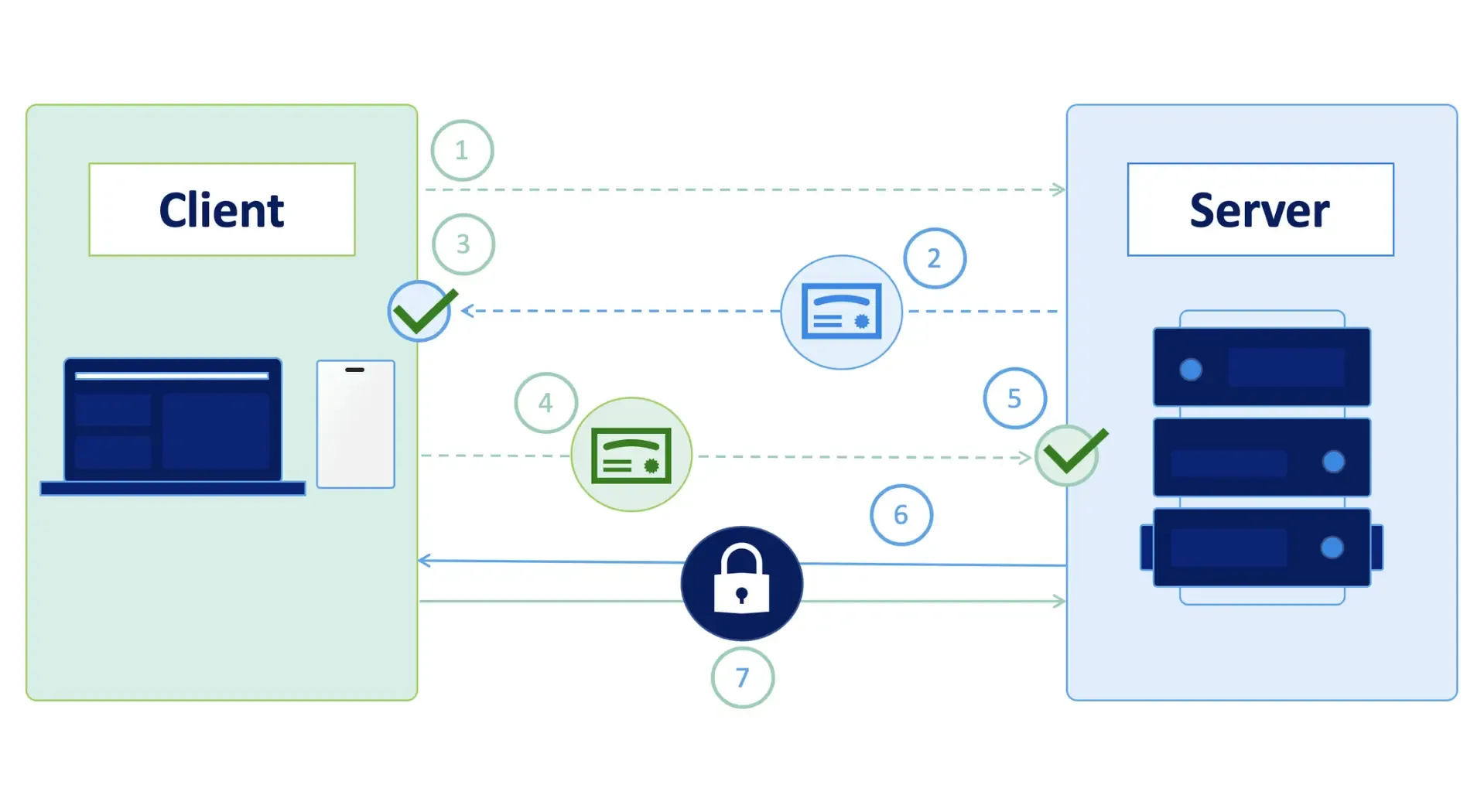
- Encryption Protocols: Confirm the use of TLS 1.3 for data in transit and AES-256 for data at rest. Any partner failing to meet these encryption benchmarks poses a significant systemic risk.
- Webhook Reliability: Assess the partner’s ability to provide real-time status updates via webhooks. Polling-based systems are inefficient for cross-border flows and lead to synchronization issues.
- Idempotency Keys: Ensure the partner API supports idempotency keys in request headers. This prevents duplicate transactions in the event of network timeouts or retries, a common occurrence in international routing.
Beyond the API layer, security architecture must be unified. Implementing mutual TLS (mTLS) is a non-negotiable requirement for authenticating connections between digital wallet providers. Furthermore, the integration must support tokenization, ensuring that sensitive primary account numbers (PANs) or wallet identifiers are never exposed during the cross-border transit process. By enforcing these technical standards, firms minimize the risk of data breaches while maximizing the throughput of their international payment corridors.
Risk management in open-loop payment environments
Integrating digital wallets across international borders introduces complex risk vectors that traditional closed-loop systems rarely encounter. When wallets interact via open-loop architectures, the primary challenges shift toward liquidity management, regulatory compliance, and the technical synchronization of ledger updates.
Financial institutions must move beyond static risk models to adopt dynamic, real-time monitoring systems that account for the velocity and volume of cross-border flows. For those managing complex cross-chain assets, utilizing wormhole leading cross-chain solutions can provide the necessary infrastructure for secure asset transfers.
Mitigating settlement risk in multi-currency transactions
The core of cross-border settlement risk lies in the time lag between transaction authorization and final clearing. To manage counterparty risk effectively, firms should implement a pre-funded liquidity model or utilize automated liquidity pools.
By leveraging a central clearing house or a blockchain-based settlement layer, participants can achieve near-instantaneous finality, reducing the exposure window where exchange rate volatility or counterparty insolvency could jeopardize the transaction.
Practical steps to enhance security include:
- Automated FX Hedging: Integrate automated hedging tools that lock in exchange rates at the moment of authorization, neutralizing the impact of currency fluctuations during the settlement cycle.
- Dynamic Threshold Monitoring: Deploy AI in security monitoring that flags anomalous transaction patterns—such as rapid, high-value transfers between disparate jurisdictions—which may indicate money laundering or account takeover attempts.
- Standardized API Security: Utilize OAuth 2.0 and mutual TLS (mTLS) for all inter-wallet communication to ensure that data integrity remains intact as transaction packets traverse different sovereign networks.
Furthermore, the benefits of cross-border digital wallet interoperability are only fully realized when participants adhere to a unified risk framework. This requires establishing clear Service Level Agreements (SLAs) that define liability in the event of a settlement failure. By shifting toward a decentralized, transparent ledger approach, companies can verify transaction status in real-time, effectively isolating risks to individual segments rather than allowing them to cascade across the entire payment ecosystem.
Prioritizing integration efforts for maximum ROI
Achieving seamless cross-border transactions requires a strategic approach to technical and regulatory alignment. Organizations must focus on high-impact corridors where the benefits of cross-border digital wallet interoperability are most pronounced, such as regions with high remittance volumes or significant e-commerce growth.
By targeting these specific routes, businesses can optimize their infrastructure investment rather than attempting a global rollout that may lack localized utility.
Technical frameworks for scalable connectivity
To realize these gains, firms should prioritize learning how to build a scalable wallet integration layer. This protocol ensures that data packets containing payment instructions remain consistent across disparate banking systems and wallet architectures. When testing these connections, developers should utilize testing tools for wallet interoperability to ensure system stability.
Implementing a middleware layer that translates local API calls into standardized formats reduces the need for custom integrations with every new partner. This modular approach minimizes maintenance overhead and accelerates the time-to-market for new regional corridors.
Risk management and compliance synchronization
Interoperability introduces complex regulatory challenges, particularly regarding Anti-Money Laundering (AML) and Know Your Customer (KYC) requirements. Rather than building independent compliance engines for every jurisdiction, successful firms utilize centralized identity verification services that aggregate data across borders.
By integrating with global identity providers like Jumio or Onfido, wallets can perform real-time verification that satisfies local regulators while maintaining a unified user experience. This synchronization prevents the friction of repeated onboarding, which is a primary driver of user churn in international digital finance.
Measuring performance through transaction velocity
ROI in this sector is best measured by transaction settlement speed and the reduction of intermediary banking fees. Companies should track the “cost-per-cross-border-transfer” metric, comparing legacy SWIFT-based routes against direct wallet-to-wallet rails.
A successful integration typically yields a 30% to 50% reduction in transaction costs by bypassing correspondent banking networks. Focus your resources on corridors where liquidity providers can offer competitive foreign exchange rates, as the spread on currency conversion remains a critical factor in driving user adoption and retention.
Frequently Asked Questions
Primary benefits of cross-border digital wallet interoperability
The core benefits include reduced currency conversion fees, near-instant settlement times, and the ability to bypass traditional correspondent banking networks, which significantly lowers operational overhead for cross-border transactions.
Impact of interoperability on fintech market expansion
Interoperability allows fintech providers to integrate with local payment schemes in multiple countries through a single technical framework, drastically shortening the time-to-market compared to building bespoke integrations for every jurisdiction.
- Real-world performance of digital wallet interoperability standards in open-loop systems
- Technical frameworks on how to achieve interoperability between mobile wallets
- Reality check on security risks in cross-platform wallet transactions
- ROI assessment models for digital wallet interoperability in emerging markets