
Core security infrastructure and asset protection mechanisms: Is Binance Safe & Legit? Security Measures and User Trust
Binance maintains its market position through a multi-layered security architecture designed to mitigate both external cyber threats and internal operational risks. The platform employs a combination of institutional-grade custody solutions, real-time risk monitoring, and stringent identity verification protocols to protect capital.
By integrating advanced machine learning algorithms, the exchange identifies anomalous withdrawal patterns and unauthorized login attempts before transactions are broadcast to the blockchain. These AI security tools and platforms are essential for maintaining the integrity of high-frequency trading environments.
SAFU fund and cold storage protocols
The Secure Asset Fund for Users (SAFU) serves as an emergency insurance reserve, originally established in 2018. Binance allocates a portion of trading fees into this fund, which is held in dedicated cold wallet addresses. This mechanism acts as a buffer to compensate users in the event of a catastrophic security breach or platform failure.
The majority of user assets are stored in offline, air-gapped cold storage environments. These systems require multi-signature authorization from geographically dispersed custodians, ensuring that no single individual or compromised server can unilaterally access the platform’s primary liquidity pools.
Multi-factor authentication and account hardening
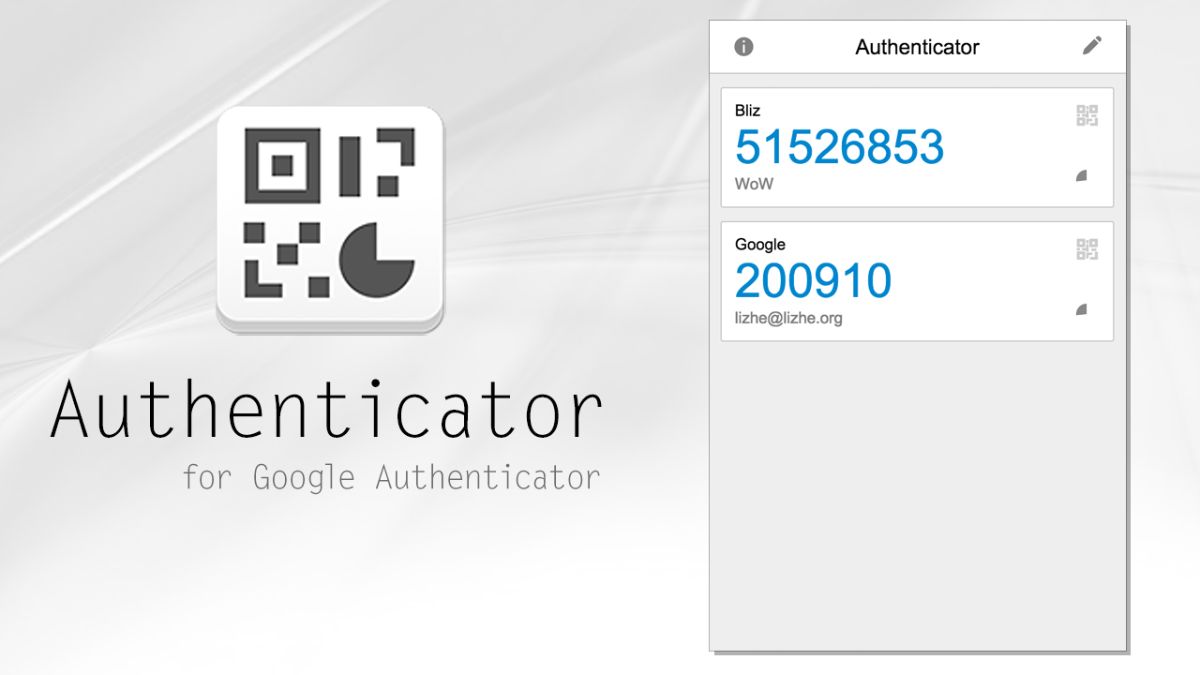
Securing individual accounts requires more than a password; Binance mandates the use of hardware security keys (such as YubiKey) and time-based one-time passwords (TOTP) via apps like Google Authenticator. Users are encouraged to implement anti-phishing codes, which are embedded in all official platform emails to prevent credential harvesting via fraudulent websites.
Furthermore, the platform enforces strict IP whitelisting and withdrawal address management. By enabling these features, users restrict fund movements to pre-approved addresses, significantly reducing the impact of potential account takeovers. These hardening measures are not merely optional; they are critical components for institutional and retail users aiming to align with industry-standard AI security frameworks and controls.
Regulatory compliance and operational legitimacy
Binance has shifted its operational strategy from a decentralized global entity to a more structured, regulated framework. This transition addresses historical scrutiny from regulators in jurisdictions including the United States, the United Kingdom, and Japan.
The exchange now mandates rigorous identity verification protocols, ensuring that all users undergo Know Your Customer (KYC) checks before accessing core trading features, fiat deposits, or withdrawals.
Global licensing and anti-money laundering standards
To operate legally across diverse markets, Binance has secured registrations and licenses from various financial authorities. For instance, the exchange holds licenses or registrations in countries such as France (via the AMF), Italy, Spain, and Dubai (VARA).
These regulatory approvals require the platform to adhere to strict Anti-Money Laundering (AML) and Counter-Terrorism Financing (CTF) directives. The platform utilizes advanced blockchain analytics tools, such as Chainalysis and TRM Labs, to monitor transaction patterns in real-time.
These tools flag suspicious activities, such as mixing services or interactions with sanctioned addresses, allowing the compliance team to freeze accounts that violate international financial standards. By integrating these automated surveillance systems, Binance aligns its operations with the Financial Action Task Force (FATF) Travel Rule, which mandates the exchange of originator and beneficiary information for crypto-asset transfers.
Beyond automated monitoring, the exchange publishes periodic Proof of Reserves (PoR) reports. These reports use Merkle tree architecture to allow users to verify that their assets are backed 1:1 by the exchange’s holdings.
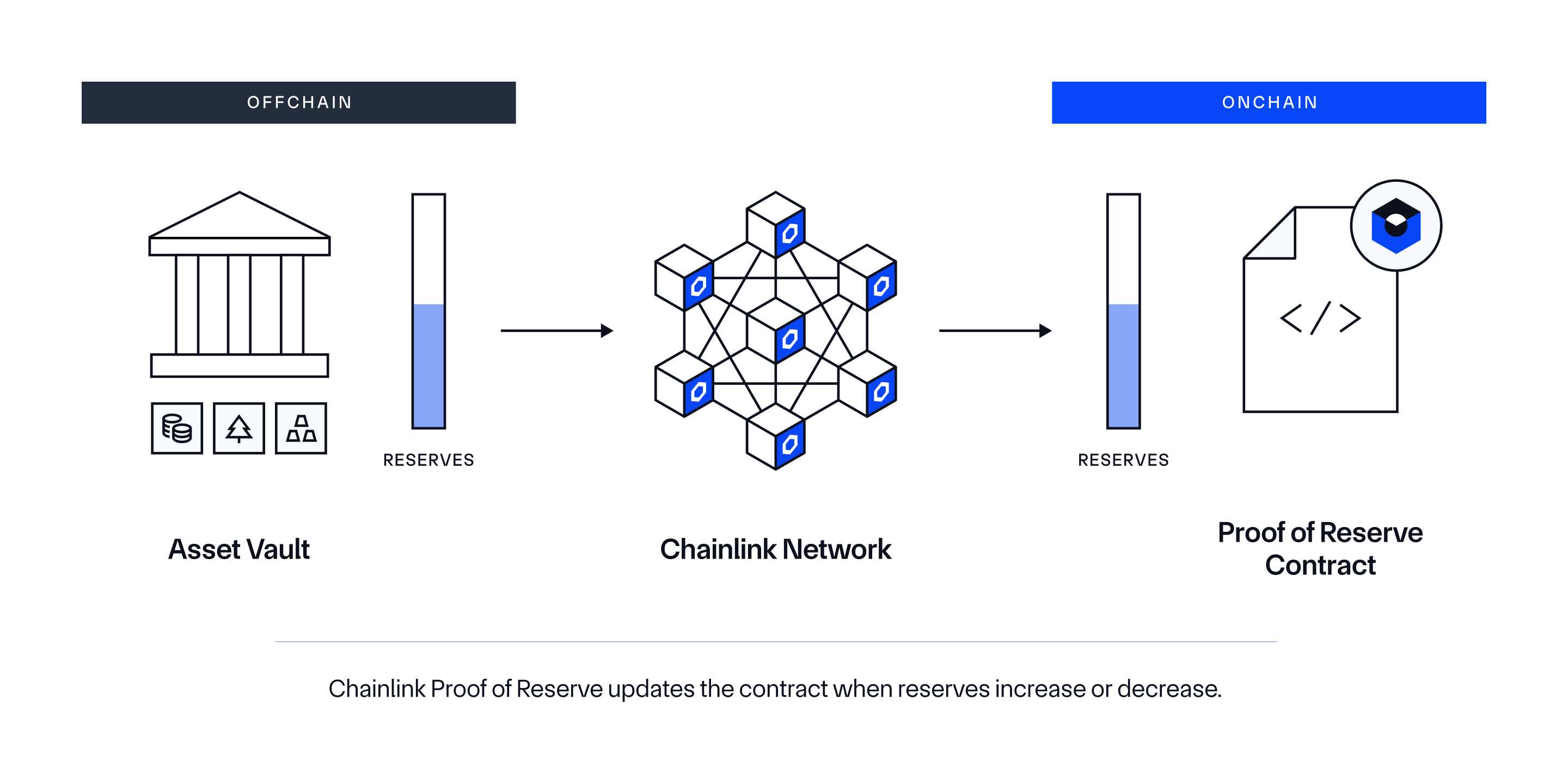
While PoR does not provide a full audit of liabilities, it offers a transparent mechanism for retail users to confirm that their specific account balances are accounted for within the platform’s total asset pool. This combination of regulatory licensing and technical transparency serves as the foundation for the platform’s current operational legitimacy, distinguishing it from the unregulated entities that dominated the market in previous years.
Security and legitimacy assessment for high-volume trading
Binance maintains deep order books that minimize slippage for large-scale trades, but the platform’s safety profile relies on a combination of cold storage protocols, the Secure Asset Fund for Users (SAFU), and regulatory compliance efforts.
While the exchange has faced significant legal scrutiny in the United States and other jurisdictions, it continues to operate as the largest venue by volume, necessitating a nuanced approach to risk management for professional users. Understanding the benefits and disadvantages of AI in security is increasingly relevant as exchanges automate more of their defensive operations.
Counterparty risk and exchange transparency
Assessing counterparty risk requires moving beyond marketing claims to evaluate verifiable data. Binance utilizes a Proof of Reserves (PoR) system, which allows users to verify their own balances via Merkle trees. This mechanism confirms that the exchange holds sufficient assets to cover user liabilities on a 1:1 basis.
However, PoR is not a comprehensive financial audit. It provides a snapshot of specific assets at a set time rather than a full view of the company’s balance sheet, debt obligations, or operational solvency.
The limitations of exchange-provided audit data are significant. Unlike traditional financial institutions, crypto exchanges are not subject to standardized, third-party audited financial reporting that covers all liabilities. Users should note that PoR data does not account for off-chain liabilities or the operational overhead of the exchange.
For high-volume participants, relying solely on PoR is insufficient. Best practices include:
- Diversification: Distributing capital across multiple exchanges or self-custody solutions to mitigate the impact of a single-point failure.
- API Security: Utilizing IP whitelisting and restricted API permissions to prevent unauthorized withdrawals if account credentials are compromised.
- Cold Storage Integration: Moving idle assets to hardware wallets or institutional-grade custody providers like Ceffu, which provides segregated storage solutions for Binance users.
Ultimately, Binance operates with a high degree of transparency regarding its wallet addresses, but the lack of a full, independent financial audit remains a structural risk factor. Institutional capital often mitigates this by utilizing the platform primarily for trade execution rather than long-term storage, transferring assets to cold wallets immediately after settlement.
Strategic risk mitigation for platform users
While Binance maintains robust security infrastructure, individual risk management remains the final line of defense for both retail and institutional participants. Relying solely on platform-level protections ignores the reality of counterparty risk and the necessity of personal operational security.
Users should adopt a layered approach, treating exchange accounts as transactional hubs rather than long-term storage vaults. When building your own security stack, consider the AI security risks and issues that could affect automated trading bots.
Self-custody versus exchange-based holding
Determining when to move assets from Binance to a hardware wallet depends on your risk tolerance, trading frequency, and the total value of your portfolio. For active traders, keeping a portion of capital on the exchange is necessary for liquidity and rapid execution. However, idle assets—specifically those held for long-term appreciation—should reside in cold storage.
A practical threshold for moving assets is the point at which the potential loss would significantly impact your financial stability. If your portfolio value exceeds your monthly income, or if you are holding assets for a multi-year horizon, self-custody via devices like Ledger Nano X or Trezor Model T is the industry standard.
These hardware wallets isolate private keys from internet-connected devices, effectively neutralizing the risk of phishing or account takeover on the exchange side. Follow these steps to optimize your AI security posture:
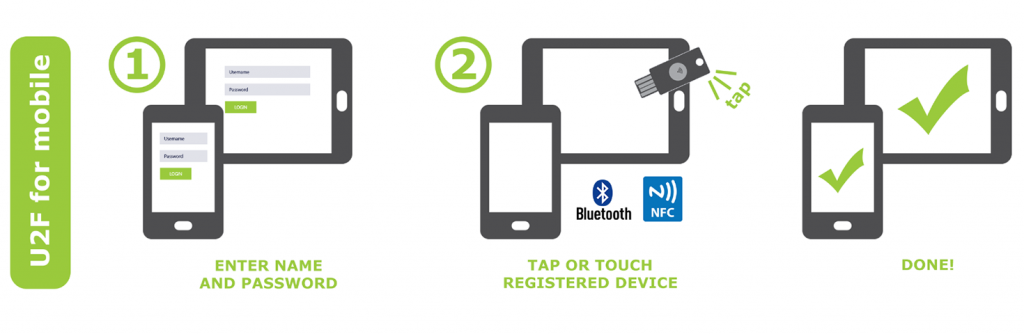
- Enable Universal 2nd Factor (U2F): Use physical security keys like YubiKey instead of SMS-based 2FA, which is vulnerable to SIM-swapping attacks.
- Implement Whitelisting: Utilize the ‘Withdrawal Whitelist’ feature to restrict fund transfers only to verified, pre-approved wallet addresses.
- Monitor API Permissions: If you use automated trading bots, strictly limit API keys to ‘Read-only’ or ‘Spot Trading’ access. Never grant ‘Withdrawal’ permissions to third-party applications.
- Diversify Custody: Institutional users should leverage Binance’s ‘Institutional Custody’ solutions or multi-signature (multi-sig) arrangements to prevent single-point-of-failure risks.
By treating the exchange as a bridge rather than a bank, users align their security practices with the decentralized ethos of the crypto market. This proactive stance mitigates the impact of platform-wide incidents and ensures that your capital remains under your direct control regardless of external market volatility or exchange-specific technical disruptions.
Frequently Asked Questions
Asset protection mechanisms against potential hacks
Binance employs a multi-layered security approach including the Secure Asset Fund for Users (SAFU), which acts as an emergency insurance fund, alongside cold storage for the majority of user deposits and real-time risk monitoring systems.
Regulatory status and exchange oversight
Binance has shifted toward a global compliance model, obtaining licenses and registrations in various jurisdictions such as France, Dubai, and Italy, while implementing mandatory Know Your Customer (KYC) and Anti-Money Laundering (AML) protocols globally. For those interested in the broader landscape of digital asset protection, staying informed about AI security governance, privacy, and compliance is becoming increasingly vital for institutional players.
- Operational assessment of Binance: The ultimate guide to the world’s largest crypto exchange
- Is Binance Legal & Regulated? Country-Specific Status and regulatory assessment
- Strategic optimization of Binance fees explained: trading, withdrawal, and deposit costs
- Market liquidity and operational mechanics: How Binance Works: A Beginner’s Guide to Trading & Features