
Establishing an AI security risk baseline
Organizations must first define a comprehensive security baseline to effectively mitigate AI security risks and issues. This involves moving beyond theoretical frameworks to document every touchpoint where artificial intelligence interacts with corporate infrastructure.
Without a granular understanding of model behavior and data flow, security teams cannot implement automated monitoring or detect anomalous inference patterns.
Inventorying model dependencies and data pipelines
The primary vector for AI-related breaches often lies in the software supply chain rather than the model architecture itself. Security teams should map all third-party API calls, such as those to OpenAI, Anthropic, or Hugging Face, to identify potential points of failure.

Every integration requires a documented manifest that lists the specific model version, the library dependencies used for inference, and the endpoint security protocols in place.
Data pipelines must be audited for provenance. If a model is trained on scraped web data or third-party datasets, the pipeline must include automated sanitization steps to prevent data poisoning.
By documenting the lineage of every training set and the specific API keys required for model access, organizations can isolate vulnerabilities when a dependency provider experiences a security incident.
Categorizing data sensitivity levels
Not all AI inputs require the same level of protection, yet treating all data with uniform security protocols often leads to operational bottlenecks. A robust baseline requires a tiered classification system that dictates how models handle information:
- Tier 1 (Public Data): Information already available in the public domain. These inputs carry minimal risk and can be processed with standard logging.
- Tier 2 (Proprietary Code/Internal Data): Sensitive business logic or internal documentation. These require strict output filtering to ensure that the model does not inadvertently leak intellectual property through its responses.
- Tier 3 (PII/Regulated Data): Personally Identifiable Information subject to GDPR, CCPA, or HIPAA. This data necessitates end-to-end encryption, strict access controls, and immediate redaction before reaching the model inference layer.
By enforcing these tiers, security engineers can apply targeted controls, such as disabling external internet access for models processing Tier 3 data while allowing broader connectivity for Tier 1 tasks.
Technical controls for AI security risks and issues
Mitigating vulnerabilities in AI deployments requires a multi-layered technical architecture that moves beyond standard perimeter security. Organizations must integrate specialized controls directly into the model inference pipeline to intercept threats before they affect core infrastructure.
Implementing input sanitization and output filtering
Input sanitization prevents prompt injection attacks by stripping malicious instructions from user queries before they reach the Large Language Model (LLM). Deploying a middleware layer, such as NeMo Guardrails or a custom proxy, allows for the inspection of incoming tokens against a blocklist of known adversarial patterns.
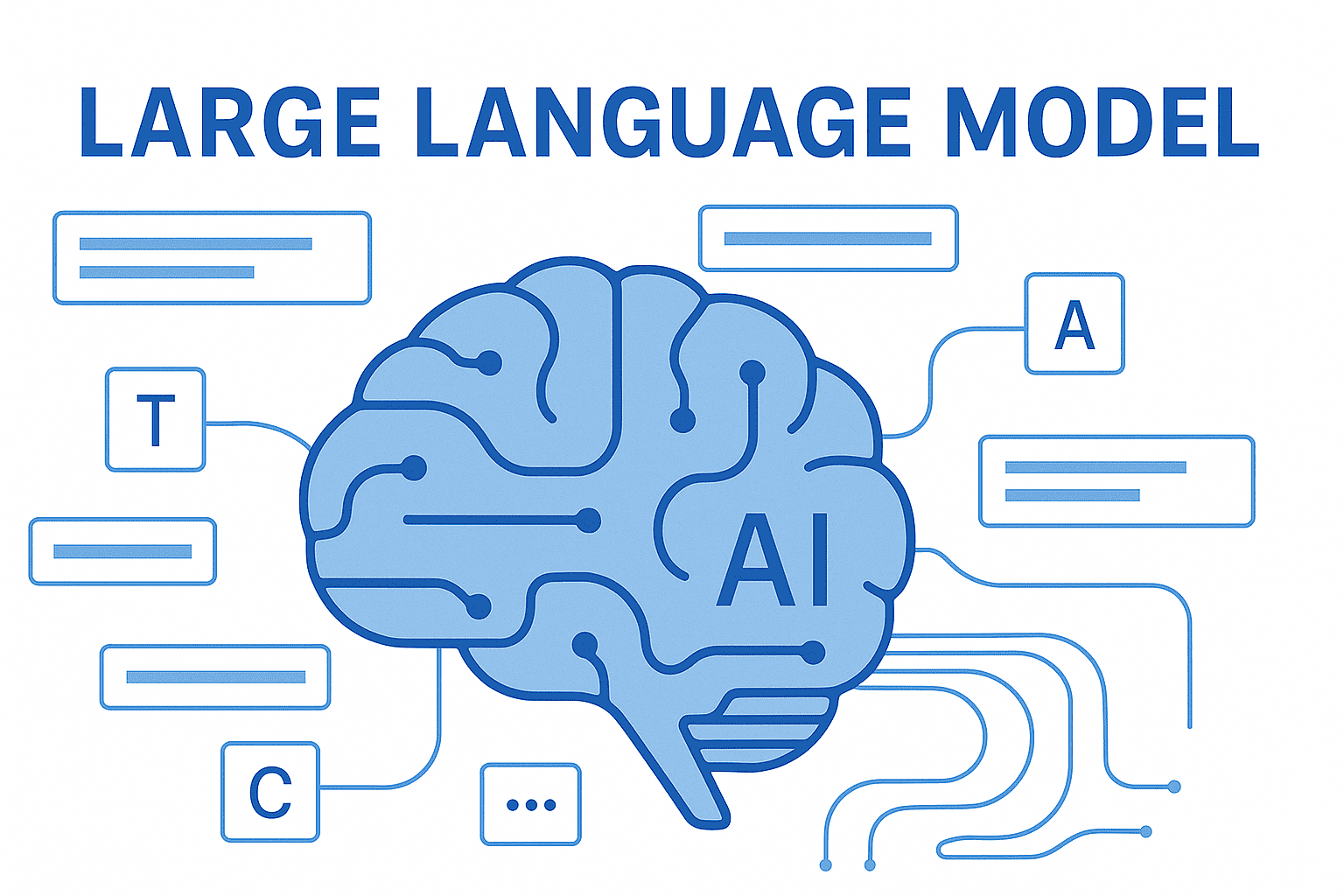
This layer acts as a gatekeeper, identifying attempts to bypass system prompts or extract internal configuration data. Output filtering serves as the secondary defense, focusing on data leakage prevention.
By implementing regex-based pattern matching or PII detection models like Microsoft Presidio, you can redact sensitive data from the model’s response in real-time. This ensures that even if a model is tricked into revealing internal documentation or user credentials, the information is redacted before it reaches the end-user interface.
Enforcing least-privilege access for model agents
AI agents often possess the capability to execute code, query databases, or interact with APIs, creating significant security risks and issues if compromised. To minimize the blast radius, you must decouple the agent from the host environment.
Avoid granting the AI process root-level permissions or direct access to production database credentials. Instead, use a sandbox environment, such as Docker containers with restricted network access or gVisor, to execute agent-generated code.
Implement an intermediary API gateway that requires explicit human-in-the-loop authorization for high-stakes actions, such as modifying database schemas or initiating financial transactions. By assigning the AI a dedicated service account with granular, read-only permissions scoped strictly to its required tasks, you prevent the model from escalating privileges if it is manipulated through a prompt injection attack.
Continuous monitoring and incident response
Static security audits are insufficient for AI systems because model behavior evolves as new data is ingested. Organizations must implement real-time observability pipelines that track both infrastructure metrics and model-specific telemetry to mitigate AI security risks and issues effectively.
By integrating security information and event management (SIEM) tools with model performance monitoring, teams can identify adversarial attempts like prompt injection or model inversion in real-time.
Defining anomaly detection thresholds
Effective monitoring relies on establishing quantitative baselines for normal system behavior. Security teams should configure triggers based on three primary vectors: API latency, token consumption rates, and output entropy.
For instance, a sudden spike in request latency often indicates a resource exhaustion attack or an attempt to bypass rate limits. Similarly, monitoring the statistical distribution of model outputs is critical; if the output entropy shifts significantly from the historical norm, it may signal that the model is being manipulated through adversarial input perturbations.
Setting these thresholds requires a phased approach: observe the model in a production-like environment for 14 days to calculate the mean and standard deviation of these metrics, then set alerts at three standard deviations from the baseline to minimize false positives.
Automated rollback procedures for compromised models
When an incident is detected, the speed of containment determines the extent of the data breach or model poisoning. Automated rollback procedures serve as the primary defense mechanism, allowing systems to revert to a known secure state within seconds.
This requires a robust version control strategy where every model deployment is immutable and tagged with its specific training dataset hash and security configuration. If a model is flagged by the anomaly detection system for suspicious behavior, the orchestration layer—such as Kubernetes or a dedicated MLOps platform—must automatically trigger a deployment of the last verified secure version.
This process should be coupled with an immediate quarantine of the compromised model instance to preserve forensic evidence, ensuring that security analysts can inspect the specific input vectors that triggered the anomaly without risking further system exposure.
Governance and compliance checkpoints
Establishing a robust governance framework is essential for mitigating AI security risks and issues. Organizations must integrate automated compliance monitoring into their CI/CD pipelines to ensure that every model deployment aligns with internal security policies and external regulatory requirements, such as the EU AI Act or NIST AI Risk Management Framework.
Periodic red-teaming exercises
Red-teaming involves deploying specialized teams or automated tools—such as Giskard or PyRIT—to actively probe your models for vulnerabilities.
By simulating adversarial attacks, you can identify how a model might leak sensitive training data or be manipulated into generating harmful outputs. These exercises should occur at least quarterly or following any significant update to the training dataset.
Documenting the findings from these simulations allows security teams to patch vulnerabilities before they are exploited in production environments.
Documenting model lineage for audit trails
Transparency is a cornerstone of AI compliance. Maintaining a detailed model lineage ensures that every iteration of an AI system is traceable back to its origin, including the specific training data, hyperparameter configurations, and versioning of the underlying code.
Utilizing tools like MLflow or DVC (Data Version Control) enables teams to create immutable audit logs. If a security breach occurs, these logs allow investigators to determine whether the issue stems from corrupted training data, a compromised model weight file, or an unauthorized deployment.
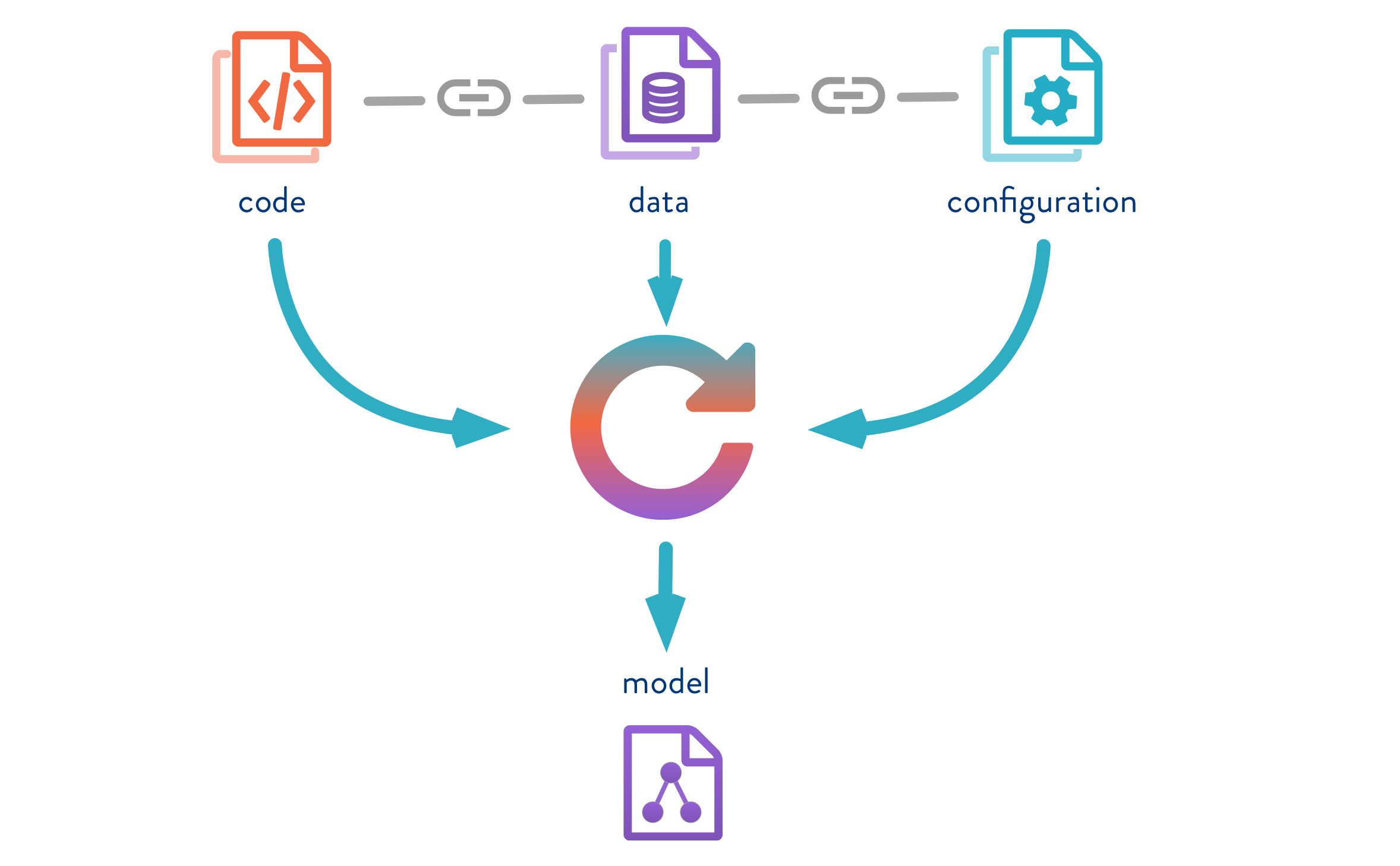
This level of granular documentation is not merely a best practice; it is a regulatory necessity for organizations operating in highly audited sectors like finance and healthcare. By enforcing strict version control, you ensure that any deviation from the approved model baseline is immediately flagged for review by the compliance department.
Frequently Asked Questions
Prioritized AI security risks and issues for audit focus
Prioritize prompt injection vulnerabilities, data poisoning, model inversion attacks, and unauthorized access to training datasets. These represent the most immediate threats to model integrity and data confidentiality.
Recommended frequency for organizational AI security audits
Perform a comprehensive security audit during the pre-deployment phase and conduct continuous monitoring thereafter. Trigger ad-hoc audits whenever the model undergoes significant retraining or when new data sources are integrated.