
Core architectural differences in data protection
Fintech architects must carefully evaluate tokenization in mobile payments risks and limitations to ensure robust data protection while maintaining system performance. Tokenization replaces sensitive data elements, such as primary account numbers (PAN), with non-sensitive surrogates known as tokens.
Unlike traditional encryption, which relies on complex mathematical algorithms to scramble data, tokenization functions as a database-driven mapping process. This architectural distinction is fundamental to how fintech platforms manage compliance and reduce the scope of Payment Card Industry Data Security Standard (PCI DSS) audits.
Encryption vs. Tokenization mechanisms
Encryption is a reversible process that relies on cryptographic keys. If an attacker gains access to the encrypted ciphertext and the corresponding key, the original data is fully exposed. This creates a persistent risk profile where the security of the data is tied directly to the lifecycle and protection of the encryption keys.
In high-velocity fintech environments, managing these keys across distributed cloud architectures adds significant operational overhead and potential points of failure. To better understand how to protect these environments, teams should review AI Security Tools and Platforms best practices.
Tokenization, conversely, utilizes a secure vault or a vaulted-less algorithm to map sensitive data to a token that holds no extrinsic value. Because the token is mathematically unrelated to the original data, even a complete breach of the tokenized database provides no usable information to an unauthorized actor.
The mapping is stored in a centralized, highly secured token vault. This separation of the data from the token is what fundamentally mitigates the impact of a database compromise.
However, this reliance on a central vault introduces specific tokenization security risks and limitations. If the tokenization server becomes a bottleneck or suffers downtime, the entire transaction processing pipeline halts.
Furthermore, because tokens are not globally interchangeable, fintech firms often face vendor lock-in. Migrating tokenized data between different payment processors requires a complex de-tokenization process, which re-exposes the raw data to the network, thereby temporarily expanding the security perimeter and increasing the risk of interception.
Evaluating tokenization security risks and limitations in production
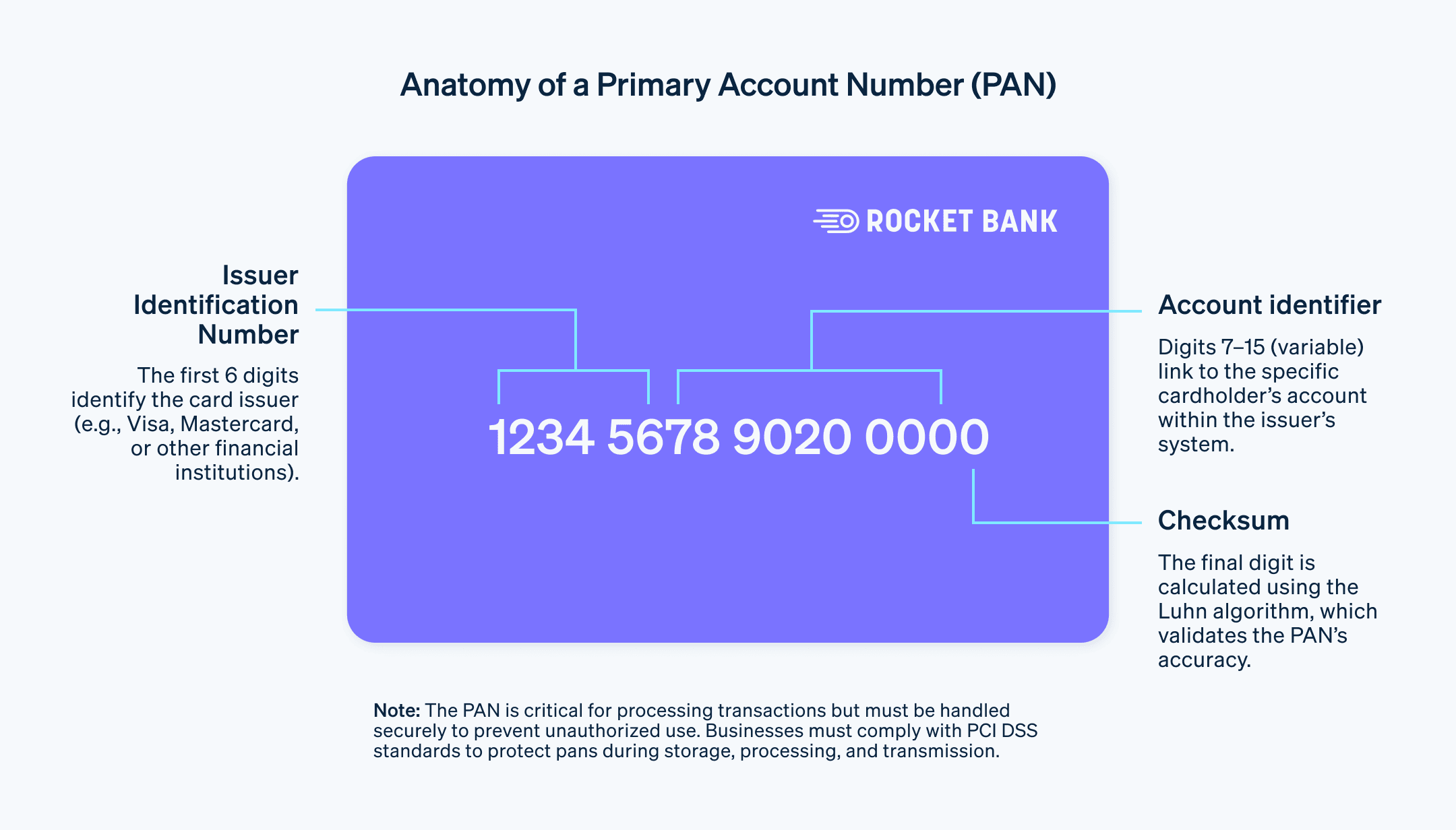
While tokenization effectively replaces sensitive Primary Account Numbers (PANs) with non-sensitive surrogates, the implementation process introduces specific operational trade-offs. Fintech architects must balance the reduction of PCI DSS scope against the increased complexity of managing a tokenization lifecycle.
Relying on these systems requires rigorous oversight of the mapping infrastructure and the underlying network performance. For those managing complex infrastructures, understanding AI Security Frameworks and Controls can provide valuable insights into maintaining overall system integrity.
Mapping the token vault vulnerability
The core security risk in any tokenization architecture lies within the token vault—the centralized database that maintains the mapping between tokens and original sensitive data. If an adversary gains unauthorized access to this vault, the entire security model collapses.
Unlike encrypted data, which requires a decryption key, a compromised vault provides a direct lookup table for attackers to reverse the tokenization process.
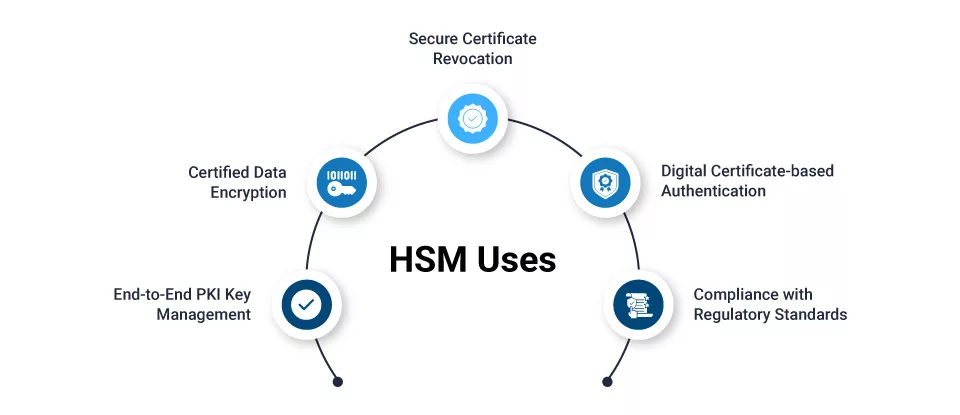
To mitigate this, production environments must employ hardware security modules (HSMs) to protect the vault’s integrity. Architects should implement strict database sharding and physical isolation for the vault, ensuring that the tokenization engine remains logically separated from the primary application server.
Without these layers, the vault becomes a single point of failure, turning a security solution into a high-value target for sophisticated data exfiltration.
Latency and integration constraints
Tokenization services inherently introduce performance overhead, which can be critical in high-frequency trading (HFT) or real-time payment processing. Every transaction requires a round-trip call to the tokenization server to either tokenize or detokenize data.
In environments where sub-millisecond latency is mandatory, this additional network hop can lead to significant bottlenecks. Fintech teams often face integration challenges when legacy systems cannot handle the increased payload size or the format-preserving encryption (FPE) requirements of modern tokenization.
Developers must account for the increased processing time during peak traffic periods, as the tokenization service may become a throughput limiter. Implementing local caching of tokens can alleviate some latency, but this introduces secondary risks regarding data synchronization and stale cache entries, requiring robust cache-invalidation protocols to maintain system consistency.
Selection criteria for traditional encryption over tokenization
While tokenization excels at securing sensitive data like Primary Account Numbers (PANs) by replacing them with non-sensitive surrogates, it is not a universal solution. Traditional encryption, such as AES-256, remains superior when data must be processed or decrypted across multiple disparate systems without the overhead of a centralized token vault.
Organizations often revert to encryption when the latency introduced by constant token-to-detokenization requests creates bottlenecks in high-frequency trading or real-time ledger updates.
Data utility requirements
Assessing scenarios where data must remain in its original format for analytical processing is critical. Tokenization fundamentally alters the data structure, which can break legacy database schemas or render machine learning models ineffective.
If your data science team requires raw, identifiable patterns—such as geographical trends or behavioral spending habits—tokenization obscures these signals unless complex format-preserving techniques are applied.
Encryption allows for reversible, deterministic processing. For instance, if an analytical engine needs to perform statistical analysis on encrypted fields, it can use homomorphic encryption or simply decrypt the data within a secure, isolated enclave.
Tokenization, by contrast, creates a rigid mapping that is often useless for secondary analysis unless the token vault is queried repeatedly, which introduces significant tokenization security risks and limitations regarding vault availability and potential single-point-of-failure exposure.
Consider the following trade-offs when selecting your security architecture:
- System Interoperability: Encryption is often easier to implement across third-party APIs that do not support your specific tokenization provider’s schema.
- Performance Overhead: Tokenization requires a network round-trip to the vault; encryption is computationally expensive but localized to the application layer.
- Data Integrity: If your application logic relies on specific data formats (e.g., Luhn check digits), tokenization requires sophisticated format-preserving algorithms that may be more complex to manage than standard encryption keys.
Ultimately, if the business case requires data to be manipulated, sorted, or analyzed in its original state, encryption provides a more flexible, albeit management-intensive, alternative to the static nature of tokens.
Compliance and regulatory impact
Integrating tokenization into fintech architecture fundamentally alters how organizations approach regulatory frameworks like PCI DSS, GDPR, and CCPA. By replacing primary account numbers (PAN) or sensitive PII with non-sensitive surrogates, firms effectively decouple their core business logic from high-risk data environments.
This architectural shift ensures that even in the event of a database breach, the stolen tokens remain useless to unauthorized actors without access to the secure vault.
Reducing audit surface area
Tokenization serves as a primary mechanism for narrowing the scope of compliance audits, particularly for PCI DSS. When a fintech platform stores tokens instead of raw cardholder data, the systems processing these tokens are often excluded from the most stringent audit requirements.
This reduction in the “cardholder data environment” (CDE) significantly lowers the cost and complexity of annual assessments. However, relying on tokenization does not eliminate compliance obligations.
Fintechs must still account for tokenization security risks and limitations, specifically regarding the security of the token vault itself. Auditors will focus heavily on the vault’s access controls, encryption standards, and high-availability protocols. For more guidance on these standards, professionals often consult Benefits and Disadvantages of AI in Security documentation.
If the vault is compromised, the entire tokenization strategy fails, potentially leading to widespread non-compliance and regulatory fines.
Furthermore, cross-border data transfer regulations like GDPR introduce specific challenges for tokenization. If a vault resides in a jurisdiction with different privacy laws than the data subject, the tokenization process itself might be classified as data processing.
Fintech architects must ensure that the mapping between tokens and original data is handled in compliance with local data residency requirements. Relying on a third-party tokenization provider shifts the burden of vault security to the vendor, but the fintech remains responsible for conducting rigorous due diligence on the vendor’s compliance certifications, such as SOC 2 Type II reports and PCI DSS Level 1 status.
Decision matrix for infrastructure deployment
Integrating tokenization requires a balanced approach between robust data protection and system latency. Fintech architects must evaluate the trade-offs of centralized versus decentralized token vaults, as the choice dictates both the attack surface and the operational overhead of the platform.
Risk-benefit scoring for fintech startups
For early-stage fintechs, the implementation speed often conflicts with the stringent requirements of PCI-DSS or SOC2 compliance. A practical scoring framework helps teams decide when to build proprietary tokenization engines versus outsourcing to established providers like VGS (Very Good Security) or Basis Theory.
- Data Sensitivity Weighting: Assign a score of 1-5 to data types. Primary Account Numbers (PAN) or social security numbers require vault-based tokenization (Score 5), while non-sensitive user metadata may only require format-preserving encryption (Score 2).
- Latency Tolerance: If your architecture relies on high-frequency trading or sub-millisecond payment processing, the round-trip time to a remote tokenization vault becomes a critical bottleneck. In these cases, local hardware security modules (HSMs) are necessary despite higher initial capital expenditure.
- Regulatory Velocity: Startups targeting highly regulated markets like the EU (GDPR/PSD2) should prioritize managed tokenization services. These providers absorb the compliance burden, allowing engineering teams to focus on core product features rather than maintaining secure, audit-ready infrastructure.
When assessing tokenization security risks and limitations, recognize that no solution is entirely risk-free. Managed services introduce third-party dependency risks, whereas self-hosted vaults demand significant expertise in key management and disaster recovery. Professionals looking to specialize in these areas can explore AI’s Impact on Security Jobs to build necessary skills.
A common failure point is the improper rotation of encryption keys; if your team lacks a dedicated security operations center (SOC), the operational burden of managing key lifecycles often outweighs the security benefits of an in-house vault. Prioritize solutions that offer automated key rotation and granular access control logs to mitigate insider threats and potential data breaches.
Frequently Asked Questions
Primary security risks of tokenization in fintech
The primary risks involve the security of the token vault itself, potential vulnerabilities in the tokenization API, and the risk of ‘token-to-PAN’ mapping exposure if the database is compromised. Unlike encryption, where the data is mathematically obscured, a token is a reference that requires a secure mapping service to resolve. For a broader view of potential threats, see does google pay use tokenization.
Scenarios for choosing encryption over tokenization
Encryption is often preferred for data at rest where the data does not need to be frequently processed by third-party payment gateways. If your architecture requires high-speed internal processing without the latency of a vault lookup, encryption provides a more decentralized security model, albeit with higher PCI-DSS compliance scope for the application layer. Those interested in the professional path for securing such systems may find the AI Security Job Market and Career Outlook highly relevant.