
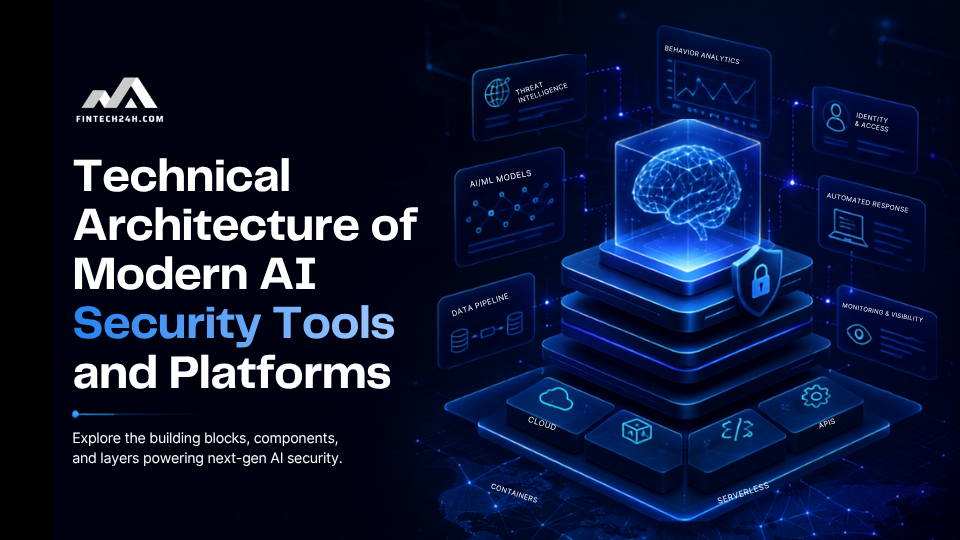
Core functions of AI security tools and platforms
Modern AI security tools and platforms operate as a protective middleware layer, sitting between user-facing applications and large language models (LLMs). Their primary objective is to enforce governance, prevent data leakage, and mitigate adversarial attacks that exploit the non-deterministic nature of generative AI.
By integrating directly into the inference pipeline, these systems provide observability and control that standard web application firewalls cannot achieve.
Automated model vulnerability scanning
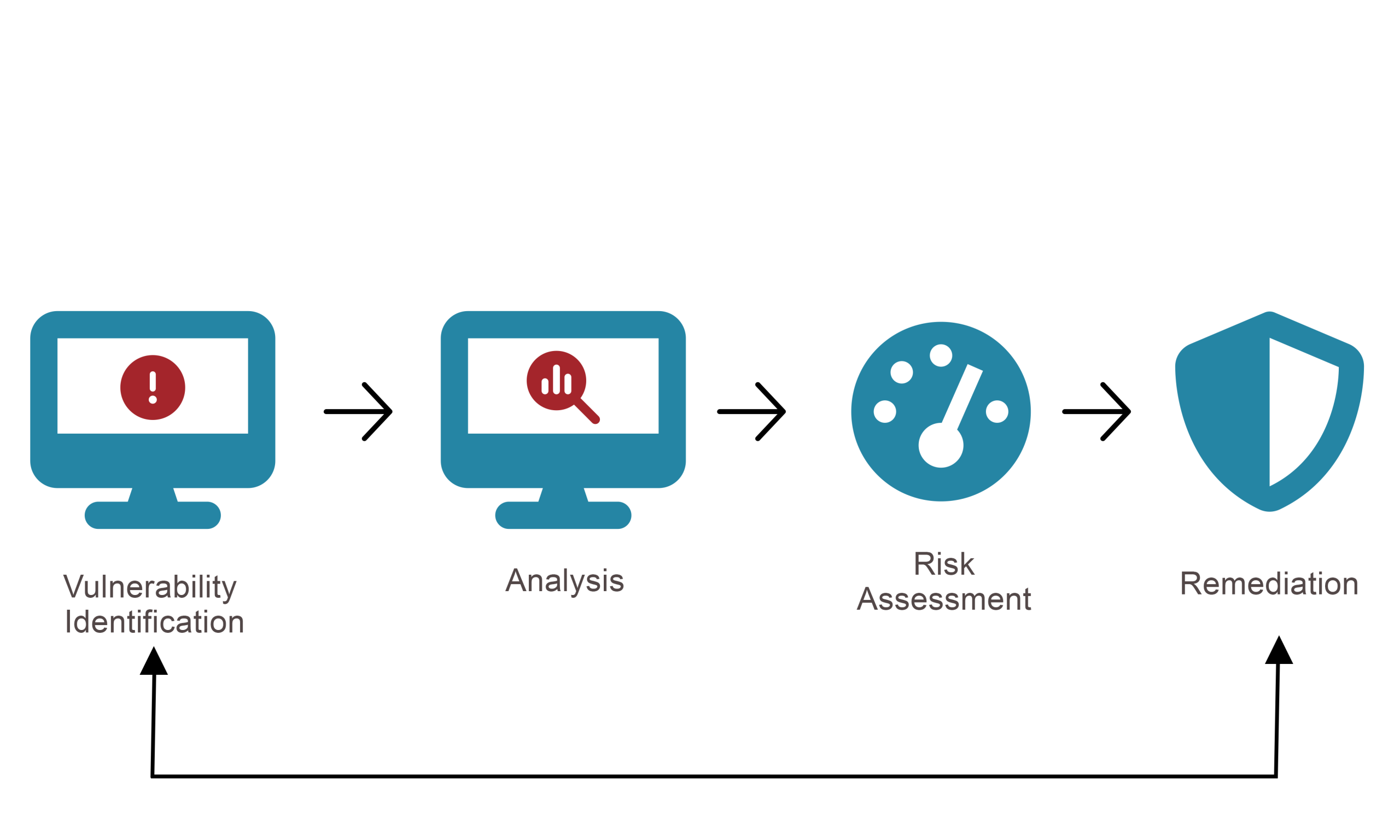
Automated scanning tools simulate adversarial behavior to identify weaknesses in model alignment and output safety. These platforms utilize red-teaming agents that systematically execute prompt injection attacks, such as jailbreaking attempts or indirect prompt injection via malicious external data.
The scanning process evaluates the model’s response against a predefined safety policy, measuring the rate of successful policy violations. Tools like Giskard or PyRIT allow developers to run these tests within CI/CD pipelines, flagging models that exhibit high susceptibility to toxic output or PII (Personally Identifiable Information) leakage before they reach production environments.
Real-time threat detection in LLM pipelines
Real-time threat detection functions by acting as a gatekeeper during the inference process. When a user submits a prompt, the security platform intercepts the request before it reaches the LLM. It performs a multi-stage analysis, including semantic vector comparison to detect known attack patterns and heuristic checks for malicious intent.
If a prompt is flagged as a threat—such as an attempt to bypass system instructions or extract training data—the platform blocks the request or sanitizes the input. Similarly, the platform inspects the model’s output in real-time to ensure the response does not contain sensitive internal data or harmful content.
This mechanism relies on low-latency inference engines that process the prompt and response simultaneously, ensuring that security overhead does not significantly degrade the user experience. By maintaining a stateful log of these interactions, the platform also provides the audit trails necessary for compliance with emerging AI regulations like the EU AI Act.
Evaluation criteria for selecting AI Security Tools and Platforms
Choosing the right security infrastructure requires balancing developer velocity with rigorous risk mitigation. Organizations must prioritize solutions that offer visibility into model training pipelines, data lineage tracking, and automated vulnerability detection.
A robust platform should not only identify prompt injection risks but also provide actionable remediation steps that integrate directly into the development lifecycle. To further enhance your technical stack, you might explore crypto tools analysis if your enterprise operations involve digital asset management.
Integration with existing CI/CD workflows
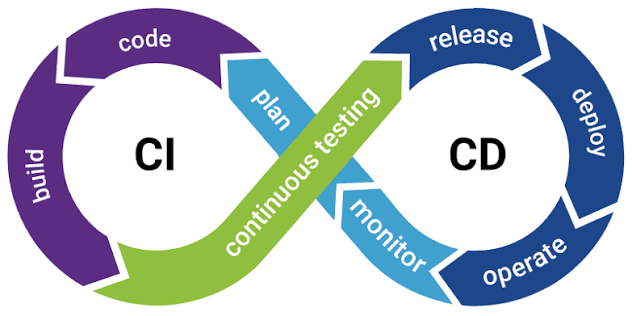
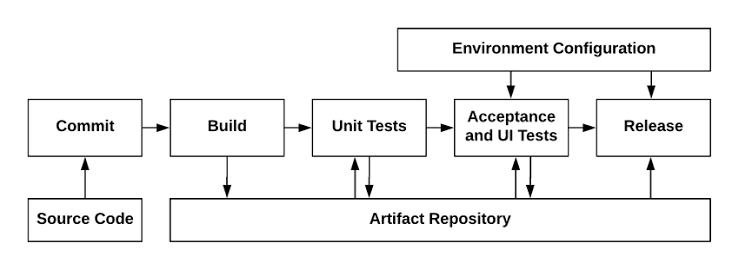
Effective AI security tools and platforms must function as native components within modern CI/CD pipelines rather than acting as standalone silos. Security teams should look for API-first architectures that allow for automated scanning of model artifacts, training datasets, and inference endpoints during the build phase.
By utilizing tools like Snyk or HiddenLayer, developers can trigger security checks via GitHub Actions or GitLab CI, ensuring that misconfigured models or insecure dependencies are blocked before deployment to production environments. This integration minimizes friction for engineering teams.
When a security scan identifies a high-risk vulnerability—such as an insecure library used for model quantization—the platform should automatically generate a ticket in Jira or GitHub Issues. This automated feedback loop ensures that security debt is addressed incrementally, preventing the accumulation of vulnerabilities that could lead to data exfiltration or model poisoning.
Compliance mapping for regulatory standards
Navigating the complex landscape of global data privacy requires platforms that offer automated compliance mapping. As regulations like the EU AI Act, GDPR, and SOC2 evolve, manual auditing becomes unsustainable. Advanced security platforms provide pre-configured dashboards that map technical controls to specific regulatory requirements, offering real-time evidence of compliance for auditors.
For instance, a platform should demonstrate data residency compliance by verifying that training data remains within specified geographic boundaries, a core requirement of GDPR. Similarly, for SOC2 Type II reporting, these tools provide immutable logs of all model access requests and administrative changes.
By automating the collection of evidence—such as encryption status for model weights and access control logs—organizations can significantly reduce the time spent on manual compliance reporting while maintaining a verifiable security posture.
Technical limitations and deployment trade-offs
Integrating AI security tools and platforms into production environments requires balancing robust threat detection against system performance. Security teams often face a critical bottleneck where the computational overhead of inspection mechanisms conflicts with the low-latency requirements of high-frequency AI applications.
Managing latency in inference pipelines
Deep packet inspection (DPI) and real-time payload analysis add significant overhead to the inference request-response cycle. When security tools intercept traffic to scan for prompt injection or data exfiltration, they introduce micro-latencies that aggregate across complex chains of LLM calls.
To mitigate this, architects often deploy asynchronous inspection patterns where security checks run in parallel with the primary inference task. While this preserves user experience, it introduces a race condition risk where malicious content might reach the end-user before the security platform can trigger a block.
High-performance deployments typically utilize sidecar proxies or eBPF-based kernel-level monitoring to minimize context switching and reduce the performance tax to sub-millisecond levels.
Addressing the false positive dilemma
AI security platforms rely on heuristic models and behavioral baselines that struggle with the inherent stochastic nature of generative AI. A rigid security threshold often flags legitimate, creative user prompts as malicious, creating an operational burden for security operations centers (SOCs).
Tuning these thresholds involves a constant trade-off: tightening sensitivity improves protection against sophisticated jailbreak attempts but increases the rate of false positives that disrupt business workflows. Effective deployment strategies involve implementing a tiered response system.
Instead of binary block-or-allow decisions, platforms should support ‘human-in-the-loop’ verification or automated prompt sanitization. By applying context-aware filtering—where the security tool understands the specific application domain—teams can reduce noise and ensure that security interventions are reserved for high-confidence threats rather than benign, non-standard user inputs.
Industry-standard platforms for AI security
Enterprises currently rely on a bifurcated ecosystem of AI security tools and platforms to mitigate risks such as prompt injection, data leakage, and model poisoning. These solutions typically integrate directly into the CI/CD pipeline or sit as an API gateway layer between the application and the Large Language Model (LLM).
Comparative analysis of specialized security vendors
The market for AI-specific security is currently divided between dedicated startups and the native security suites offered by hyperscalers. Specialized vendors like Lakera and Robust Intelligence focus on red-teaming and adversarial testing. Their platforms excel at identifying edge-case vulnerabilities in model outputs that general-purpose scanners often miss. If you are looking to scale your outreach, consider using crypto marketing tools to manage your brand presence alongside these security deployments.
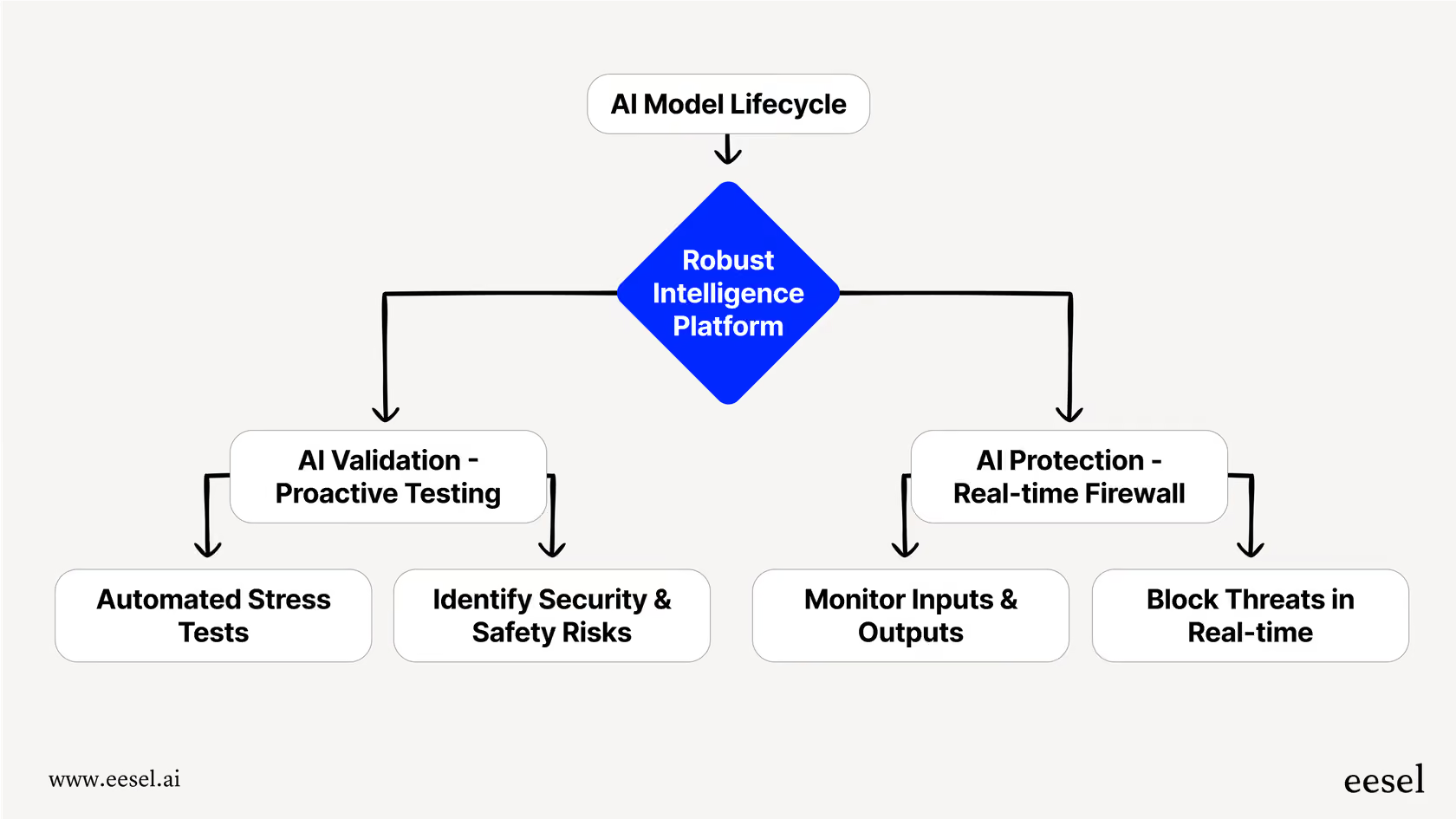
These vendors provide granular control over input sanitization and output filtering, making them ideal for high-stakes environments like fintech or healthcare where model hallucinations carry significant regulatory risk. In contrast, hyperscaler-native tools—such as Amazon Bedrock Guardrails, Google Cloud Security Command Center, and Microsoft Azure AI Content Safety—prioritize seamless integration within their respective cloud environments.
These platforms offer the advantage of low-latency enforcement, as security checks occur within the same infrastructure as the model inference. However, they are often limited to the specific model families supported by that provider, creating a vendor lock-in scenario.
When selecting between these two approaches, organizations should evaluate the following trade-offs:
- Interoperability: Specialized startups are typically model-agnostic, allowing security teams to apply consistent policies across diverse deployments (e.g., using both OpenAI and open-source Llama models).
- Operational Overhead: Hyperscaler tools are managed services that require minimal configuration, whereas specialized platforms often demand dedicated security engineering resources to tune detection thresholds and manage false positives.
- Compliance Depth: Dedicated security platforms often provide more comprehensive audit trails and compliance reporting specific to AI governance frameworks, which is critical for meeting SOC2 or GDPR requirements in AI-driven workflows.
Most mature security architectures employ a hybrid strategy, utilizing hyperscaler native tools for baseline content filtering while layering specialized platforms for deep-packet inspection of prompts and advanced threat hunting.
Frequently Asked Questions
Mechanisms for prompt injection detection
These tools utilize specialized LLM-based classifiers and heuristic filters to analyze incoming prompts for adversarial patterns, such as jailbreak attempts or indirect prompt injection, before they reach the primary model.
Primary operational role of an AI firewall
An AI firewall acts as a proxy layer that inspects both input queries and model outputs, enforcing safety policies to prevent the leakage of PII (Personally Identifiable Information) and blocking malicious payloads. For those interested in professional development, you can also research Best AI Security Certifications to advance your expertise in this field.