
Quantifying the value of open-loop payment ecosystems
Digital wallet interoperability in emerging markets shifts the financial landscape from siloed, proprietary closed-loop systems to interconnected networks. By enabling cross-platform transactions, providers move beyond simple peer-to-peer transfers to facilitate complex merchant settlements and cross-border remittances. For those looking to understand the technical foundations of these systems, exploring benefits of cross-border digital wallet interoperability is essential for long-term scalability.
The primary financial value lies in reducing the friction of liquidity movement, which historically forced users to maintain balances across multiple competing applications.
Direct revenue drivers versus network effects
Financial institutions and fintech operators must differentiate between immediate transaction fee revenue and the compounding value of network effects. Direct revenue is captured through per-transaction interchange fees and merchant discount rates (MDR) that occur when a wallet user interacts with a broader ecosystem of vendors.
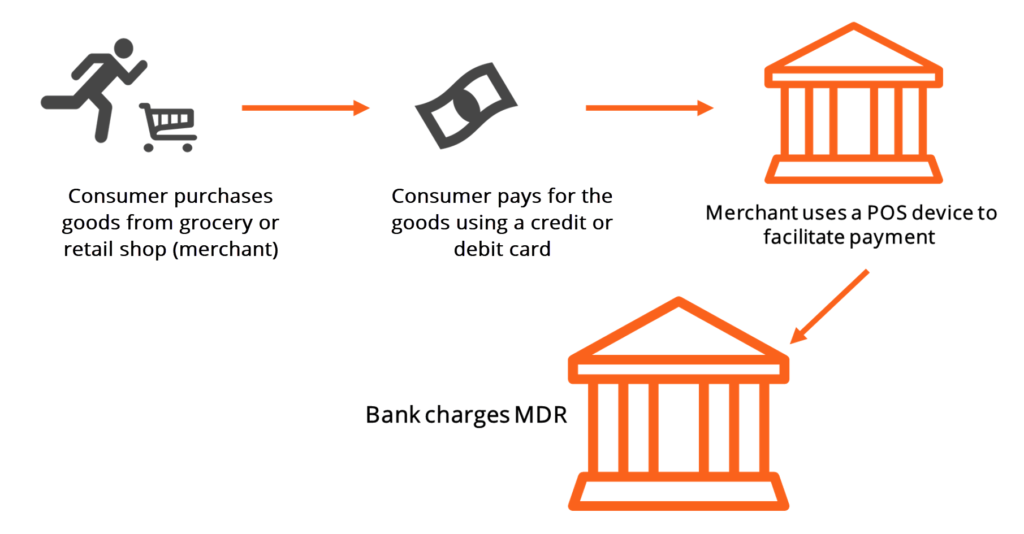
When interoperability is enabled, the wallet provider captures a slice of the transaction volume that would have otherwise leaked to cash or competing bank-led payment rails. Conversely, network effects represent the long-term ROI. As the number of connected nodes—merchants, billers, and other wallet providers—increases, the utility of the wallet grows exponentially for the end user.
This reduces churn, as users no longer need to uninstall an app simply because a specific merchant does not accept their primary wallet. In emerging markets, where smartphone storage and data costs are significant constraints, being the ‘single app’ that works everywhere creates a defensive moat that is difficult for competitors to breach.
To model this ROI, firms should track the ‘Interoperability Lift’—the delta in transaction frequency and total payment volume (TPV) per active user after enabling cross-platform capabilities. While initial integration costs for APIs and clearinghouse settlements are high, the reduction in customer acquisition costs (CAC) through viral adoption and increased merchant acceptance provides a sustainable path to profitability.
Successful implementations in regions like Southeast Asia and East Africa demonstrate that interoperability acts as a catalyst for digital transformation, effectively turning wallets into essential financial utilities rather than niche payment tools.
Cost structures of digital wallet interoperability in emerging markets
Achieving seamless connectivity between disparate digital wallet ecosystems requires significant capital expenditure and ongoing operational commitment. Financial institutions and fintech providers must account for both the initial build phase and the long-term maintenance of cross-network bridges.
These costs are often underestimated, leading to liquidity crunches and stalled deployment in high-growth regions.
Infrastructure investment and API maintenance
The primary technical cost involves the development of middleware layers capable of translating different messaging protocols, such as ISO 20022 or proprietary RESTful APIs. Building these connectors is not a one-time expense; it involves managing technical debt.
As wallet providers update their security protocols or introduce new features, the interoperability layer requires constant refactoring. Organizations should budget for a 15-20% annual increase in maintenance costs to address API versioning, security patching, and latency optimization.
Relying on cloud-native infrastructure helps scale these costs, but it introduces recurring subscription fees that must be factored into the long-term ROI model.
Regulatory compliance and settlement overhead
Interoperability introduces complex legal and liquidity requirements, particularly when transactions cross borders or involve multiple regulatory jurisdictions. Compliance costs include obtaining licenses for cross-border clearing, implementing robust Anti-Money Laundering (AML) monitoring across all connected nodes, and adhering to local data residency laws.
Each jurisdiction may impose unique reporting standards, requiring the interoperability platform to maintain separate data silos or complex mapping engines. Beyond compliance, settlement overhead represents a significant hidden cost.
In emerging markets, pre-funding accounts for real-time settlement creates a massive liquidity burden. To mitigate this, providers often implement netting arrangements, which require sophisticated risk management software to monitor counterparty exposure.
The cost of capital tied up in these settlement accounts must be included in the total cost of ownership (TCO) calculation, as it directly impacts the net margin per transaction. Failure to accurately model these liquidity requirements often leads to systemic failures during peak transaction volumes.
ROI calculation framework for cross-platform integration
Assessing the return on investment for digital wallet interoperability in emerging markets requires a shift from traditional infrastructure spending models toward a value-based ecosystem approach. Firms must account for the high cost of integration—often involving API standardization and regulatory compliance across fragmented regional payment rails—against the long-term gains in transaction volume and user retention.
Defining key performance indicators for interoperability
To measure success, financial institutions and fintech operators should prioritize metrics that reflect actual network utility rather than vanity growth figures. The primary indicators include:
- Cost-per-transaction (CPT) reduction: By moving from siloed, proprietary rails to interoperable switches like Mojaloop or local real-time payment (RTP) systems, providers can significantly lower settlement fees. Calculate this by comparing the legacy gateway costs against the new shared-infrastructure transaction fees.

- Cross-wallet churn rates: Interoperability increases the “stickiness” of a platform. Measure the percentage of users who retain their account specifically because they can transfer funds to non-native wallets. A reduction in churn directly correlates to a lower Customer Acquisition Cost (CAC) over a 24-month horizon.
- Incremental transaction velocity: Track the frequency of peer-to-peer (P2P) and merchant payments that occur across different providers. This metric isolates the revenue generated solely by the interoperable bridge, providing a clear view of the liquidity added to the ecosystem.
When building the financial model, incorporate a “Network Effect Multiplier.” Unlike standard software upgrades, interoperability projects generate value that grows exponentially with each new participating wallet provider. If your model assumes linear growth, you will likely undervalue the long-term ROI.
Account for the reduction in cash-out events, as users are more likely to keep funds within the digital ecosystem when they can spend them across a broader merchant network. This shift from cash-out to digital-spend is the single largest driver of sustainable profitability in emerging market fintech deployments.
Risk-adjusted performance metrics
Evaluating the ROI of digital wallet interoperability in emerging markets requires moving beyond standard transaction volume metrics. Financial institutions must adopt risk-adjusted performance metrics that account for the volatility inherent in developing economies.
Key indicators include the Sharpe ratio applied to liquidity pools and the Value at Risk (VaR) for cross-border settlement corridors. By normalizing returns against the specific risk profile of a regional market, stakeholders can identify whether interoperability gains are sustainable or merely a result of temporary arbitrage.
Mitigating settlement risk in fragmented markets
In regions where digital wallet interoperability in emerging markets faces technical and regulatory silos, settlement risk becomes the primary threat to capital efficiency. Delayed settlement cycles—often spanning T+2 or T+3 in legacy banking systems—tie up liquidity that could otherwise be deployed for real-time micro-lending or merchant settlement.
This latency forces providers to maintain excessive pre-funded accounts, which drags down the overall Return on Invested Capital (ROIC). To quantify this impact, firms should track the Liquidity Lock-up Cost (LLC). This metric measures the opportunity cost of capital held in escrow during the settlement window.
Reducing this window through blockchain-based clearing or API-driven direct settlement significantly improves the ROI profile. For example, moving from a 48-hour settlement cycle to near-instantaneous clearing can reduce the required capital buffer by up to 60%, directly boosting the net margin on every transaction processed through the interoperable network.
Furthermore, currency translation risk remains a critical component of risk-adjusted performance. In markets with high inflation or frequent devaluation, the time elapsed between the initiation of a cross-wallet transfer and the final settlement can erode profit margins entirely.
Implementing automated hedging mechanisms or using stablecoin-based settlement layers allows providers to lock in exchange rates at the point of transaction, effectively neutralizing the volatility risk that often undermines the business case for interoperability in high-risk jurisdictions.
Strategic trade-offs in system architecture
Architecting for digital wallet interoperability in emerging markets requires balancing immediate speed-to-market against the technical debt of fragmented legacy systems. Financial institutions must decide between centralized clearinghouses, which offer high security but slower settlement, and decentralized peer-to-peer protocols that promise lower transaction costs but introduce complex regulatory compliance hurdles.
The choice hinges on the expected transaction volume and the maturity of the local regulatory sandbox. If your project involves decentralized assets, you may need to consult a defi marketing agency to ensure your liquidity pools gain the necessary traction.
Build versus buy decisions for interoperability layers
Developing a proprietary interoperability bridge provides full control over data sovereignty and security protocols. This approach is often favored by large-scale banks operating in regions with stringent data localization laws, such as Indonesia or Vietnam.
However, the initial capital expenditure for building custom APIs and maintaining security patches is significant. Organizations must account for the ongoing cost of talent acquisition and the risk of technical obsolescence as global standards like ISO 20022 evolve.
Conversely, utilizing third-party integration services or Banking-as-a-Service (BaaS) providers reduces time-to-market by leveraging pre-built connectors. This model shifts the financial burden from high upfront development costs to variable operating expenses, typically structured as per-transaction fees. For those scaling new protocols, working with a how to achieve interoperability between mobile wallets guide can help secure the initial user base needed to justify these infrastructure costs.

While this improves cash flow predictability, it introduces vendor lock-in risks and dependency on the uptime of the third-party provider. For startups and mid-tier fintechs, the buy model is generally more efficient, as it allows internal engineering teams to focus on user-facing features rather than the plumbing of cross-platform settlement.
When assessing the ROI of these architectures, firms should apply a five-year total cost of ownership (TCO) model. Proprietary builds often break even after 36 months if transaction volumes scale rapidly. Third-party solutions offer a faster ROI but may become cost-prohibitive once transaction throughput exceeds a certain threshold. To ensure your project reaches this scale, you might consider partnering with a web3 marketing agencies to optimize your growth strategy.
A hybrid approach—using third-party middleware for non-core regional connectivity while maintaining proprietary core ledger integration—often serves as the optimal middle ground for established financial players. If you are looking for guidance on selecting the right partners, reviewing blockchain marketing agencies can provide insights into firms that specialize in fintech growth.
Frequently Asked Questions
Primary cost drivers for digital wallet interoperability
Primary costs include API development and maintenance, compliance with local regulatory standards, cybersecurity infrastructure, and the operational overhead of managing multi-party settlement clearinghouses.
Impact of interoperability on user retention in emerging markets
Interoperability reduces friction by allowing users to transact across different ecosystems, which significantly increases transaction frequency and reduces the likelihood of users abandoning a specific wallet due to limited merchant acceptance. For projects focusing on community-driven growth, testing tools for wallet interoperability strategies can further enhance user loyalty.
- Real-world performance of digital wallet interoperability standards in open-loop systems
- Market expansion pathways leveraging the benefits of cross-border digital wallet interoperability
- Technical frameworks on how to achieve interoperability between mobile wallets
- Reality check on security risks in cross-platform wallet transactions