
Core mechanisms for how to achieve interoperability between mobile wallets
Achieving interoperability between mobile wallets requires a robust technical bridge that allows disparate ledgers and user databases to verify transactions without compromising security. The primary challenge lies in translating proprietary transaction logic into a universal language that external systems can parse, validate, and execute in real-time.
API-first integration strategies
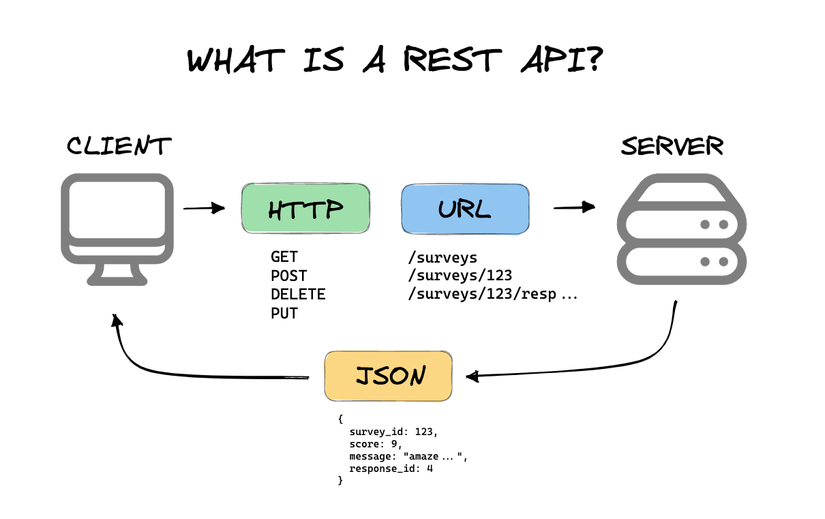
RESTful APIs serve as the backbone for cross-wallet connectivity by providing a standardized interface for resource requests. When Wallet A initiates a transfer to Wallet B, the system utilizes a secure API gateway to authenticate the request via OAuth 2.0 or OpenID Connect. This ensures that only authorized entities can trigger balance checks or initiate fund movements.
Webhooks complement this by enabling event-driven communication. Instead of relying on resource-heavy polling, the sending wallet pushes a notification to the receiving wallet’s endpoint immediately upon transaction completion.
For instance, if a user sends funds from a fintech app to a digital bank wallet, a webhook payload containing the transaction ID, timestamp, and cryptographic hash is delivered instantly. This triggers a balance update on the recipient’s side without manual intervention.
Standardized messaging formats
Data consistency remains the greatest hurdle in cross-platform financial operations. To solve this, developers are increasingly adopting ISO 20022, the global standard for electronic data interchange in financial services.
By mapping wallet-specific transaction fields to ISO 20022 XML schemas, wallets can ensure that critical metadata—such as creditor information, purpose codes, and remittance data—is preserved across the entire payment chain.
For lighter, more agile mobile environments, JSON-based schemas are the preferred alternative. JSON provides a lightweight, human-readable structure that reduces latency during mobile network handshakes. By utilizing schema registries, wallets can agree on a shared dictionary of data objects.
This prevents common errors like field mismatching or data truncation. It allows the receiving wallet to accurately interpret the incoming transaction request regardless of the originating platform’s internal architecture.
Implementation steps to achieve interoperability between mobile wallets
Achieving seamless interoperability requires a shift from closed-loop proprietary systems to open-standard architectures. Developers must prioritize API-first designs that support standardized messaging protocols, such as ISO 20022 for financial data exchange, ensuring that different wallet infrastructures can interpret transaction requests without manual reconciliation.
Establishing common identity layers
The foundation of cross-wallet functionality lies in a unified identity framework. By adopting Decentralized Identifiers (DIDs) and Verifiable Credentials (VCs), developers can move away from siloed KYC processes.

When a user initiates a transaction from Wallet A to Wallet B, the DIDs allow the receiving system to verify the sender’s identity attributes cryptographically without needing access to the original database. This process relies on a shared trust registry or a permissioned blockchain ledger where public keys are stored, enabling real-time validation of user status while maintaining data privacy through zero-knowledge proofs.
Tokenization and cross-platform settlement
Value transfer between disparate mobile wallets is best managed through standardized tokenization in mobile payments. Instead of moving fiat currency directly, systems utilize stablecoins or tokenized representations of assets that operate on interoperable networks like Polkadot or Cosmos. This approach decouples the wallet interface from the underlying settlement layer.
To execute this, engineers must implement an Atomic Swap mechanism. This protocol ensures that the transaction is either fully completed or reverted, eliminating the risk of counterparty default during the exchange.
For instance, if a user sends funds from a retail wallet to a merchant wallet, the system locks the tokenized asset in a smart contract. Once the receiving wallet confirms the receipt of the cryptographic proof, the contract releases the funds. This automated settlement reduces reliance on traditional clearinghouses, significantly lowering transaction fees and latency compared to legacy SWIFT-based transfers.
Middleware solutions for ecosystem connectivity
Middleware serves as the critical abstraction layer that bridges disparate mobile wallet architectures. By implementing a standardized messaging gateway, developers can translate proprietary protocols into a unified format, effectively solving the fragmentation problem. This approach relies on an API-first design where a central orchestration engine manages cross-platform authentication and transaction routing.
Implementing an API Gateway for cross-wallet communication
To achieve interoperability between mobile wallets, organizations often deploy a centralized API gateway that acts as a translation hub. This middleware layer intercepts requests from Wallet A, normalizes the data payload—typically into JSON or ISO 20022 formats—and forwards the instruction to Wallet B’s specific endpoint. This process eliminates the need for direct, point-to-point integrations between every single wallet provider in the market.
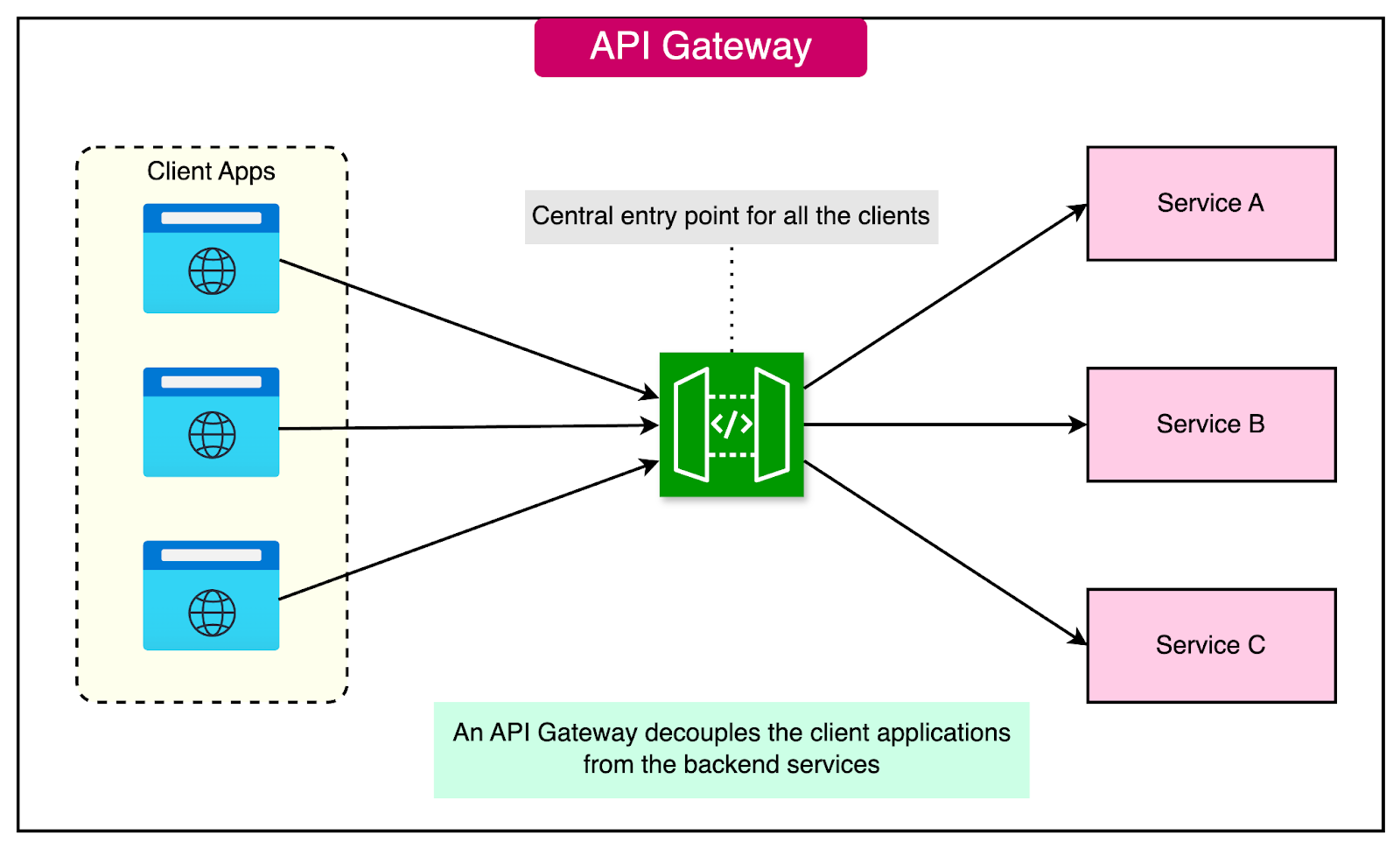
Key technical components of this middleware architecture include:
- Message Brokerage: Utilizing tools like Apache Kafka or RabbitMQ to manage asynchronous transaction queues, ensuring that messages are delivered reliably even if one wallet’s server experiences latency.
- Identity Federation: Implementing OpenID Connect (OIDC) or OAuth 2.0 to allow users to verify their identity across different ecosystems without exposing sensitive private keys or redundant KYC data.
- Transaction Mapping Service: A dedicated module that maps proprietary transaction status codes (e.g., ‘Pending’, ‘Authorized’, ‘Settled’) into a universal schema, ensuring consistent user experience across the board.
The primary trade-off in this model is the introduction of a central point of failure. If the middleware gateway goes offline, cross-wallet transactions cease. To mitigate this, engineers must implement high-availability clusters and load balancers across multiple geographic regions.
Additionally, the middleware must enforce strict encryption standards, such as TLS 1.3 for data in transit and AES-256 for data at rest, to ensure that the intermediary layer does not become a security vulnerability. By standardizing the interface through this middleware, wallet providers can focus on front-end user experience while offloading the complexity of multi-protocol communication to the backend orchestration layer.
Security and compliance requirements
Achieving interoperability between mobile wallets introduces significant attack surfaces, particularly regarding cross-platform authentication and transaction integrity. To maintain a secure ecosystem, developers must implement standardized cryptographic protocols such as OAuth 2.0 and OpenID Connect (OIDC) for identity verification.
These protocols ensure that sensitive user credentials are never shared directly between wallets. Instead, wallets exchange cryptographically signed tokens that verify identity without exposing underlying account details.
Data privacy in multi-wallet environments
Maintaining GDPR and PCI-DSS compliance during transaction routing requires a decentralized approach to data handling. When a transaction moves between Wallet A and Wallet B, the intermediary clearinghouse or gateway must employ tokenization. By replacing Primary Account Numbers (PAN) with non-sensitive tokens, the system ensures that even if a data packet is intercepted during the routing process, the attacker gains no usable financial information.
To adhere to GDPR mandates, interoperability frameworks must enforce data minimization. Only the specific metadata required to complete the transaction—such as the transaction ID, timestamp, and currency code—should be transmitted across the bridge. Personal Identifiable Information (PII) should remain siloed within the user’s primary wallet provider.
If cross-border transfers occur, developers must utilize localized data residency nodes to ensure that sensitive user data does not traverse jurisdictions in violation of regional privacy laws. PCI-DSS compliance in this context necessitates strict adherence to Requirement 12, which mandates the monitoring and testing of networks.
Because interoperability involves multiple third-party endpoints, the security of the weakest link determines the integrity of the entire chain. Implementers should utilize Mutual TLS (mTLS) for all inter-wallet API communications. This ensures that both the sender and receiver authenticate each other via digital certificates, effectively preventing man-in-the-middle (MITM) attacks. Regular penetration testing of the API gateway that facilitates the interoperability layer is not optional; it is a prerequisite for maintaining a compliant financial service architecture.
Limitations of current interoperability models
Achieving seamless interoperability between mobile wallets remains constrained by fragmented technical standards and regulatory silos. While QR-code standardization—such as the EMVCo QR Code specification—has gained traction, it primarily addresses merchant-presented payments rather than peer-to-peer (P2P) transfers or cross-border liquidity.

Most wallets rely on proprietary APIs that prevent direct ledger-to-ledger communication, forcing developers to rely on centralized switches or third-party gateways that introduce latency and additional transaction fees. Organizations can mitigate these issues by utilizing testing tools for wallet interoperability to identify bottlenecks before deployment.
The challenge of fragmented trust frameworks
A primary barrier to how to achieve interoperability between mobile wallets is the lack of a unified identity verification standard. Currently, each wallet provider maintains its own Know Your Customer (KYC) and Anti-Money Laundering (AML) protocols.
When a user attempts to transfer funds between disparate platforms, the receiving wallet often cannot verify the provenance of the funds or the identity of the sender without a secondary, manual reconciliation process. This lack of shared identity trust frameworks forces platforms to operate in closed-loop environments to mitigate compliance risks, though firms are increasingly exploring the benefits of cross-border digital wallet interoperability to unlock new revenue streams.
Technical bottlenecks in cross-chain settlement
Beyond identity, settlement speed remains a critical technical hurdle. Many mobile wallets operate on private, permissioned databases. Integrating these with public blockchain networks or other private ledgers requires complex middleware, such as Hash Time Locked Contracts (HTLCs) or cross-chain bridges.
These solutions often introduce significant security vulnerabilities, as seen in various bridge exploits over the past three years. Furthermore, liquidity management becomes difficult when wallets must maintain pre-funded accounts in multiple currencies or tokens to facilitate instant transfers.
Without a standardized messaging protocol like ISO 20022 fully implemented across all mobile wallet architectures, real-time gross settlement (RTGS) between competing platforms remains an elusive goal for the majority of fintech providers.
Frequently Asked Questions
Primary barriers to mobile wallet interoperability
The primary barrier is the reliance on proprietary, closed-loop architectures where transaction data and authentication protocols are siloed within specific vendor environments, preventing seamless communication with external platforms. Developers looking to solve this should also consider the nuances of Binance Wallet crypto storage when designing multi-asset support.
Technical standards facilitating wallet interoperability
ISO 20022 for financial messaging, EMVCo QR code standards for merchant-presented payments, and open banking APIs (such as FAPI) are the foundational frameworks used to enable cross-platform compatibility. For those building these systems, understanding if you can python develop mobile apps for middleware prototypes is a common technical consideration.
- Real-world performance of digital wallet interoperability standards in open-loop systems
- Market expansion pathways leveraging the benefits of cross-border digital wallet interoperability
- Reality check on security risks in cross-platform wallet transactions
- ROI assessment models for digital wallet interoperability in emerging markets