
Core functionality of What is Binance Wallet? Understanding Your Crypto Storage Options
Binance Wallet functions as the primary interface for users to interact with the Binance ecosystem, facilitating the storage, transfer, and management of digital assets. At its simplest level, it acts as a gateway to the exchange’s liquidity, allowing users to execute spot trades, participate in staking programs, and access decentralized finance (DeFi) protocols directly through the Binance app or web interface.
The wallet supports thousands of tokens across multiple blockchains, including BNB Chain, Ethereum, and Bitcoin. It provides a unified dashboard to monitor portfolio performance in real-time.
Custodial versus non-custodial storage models
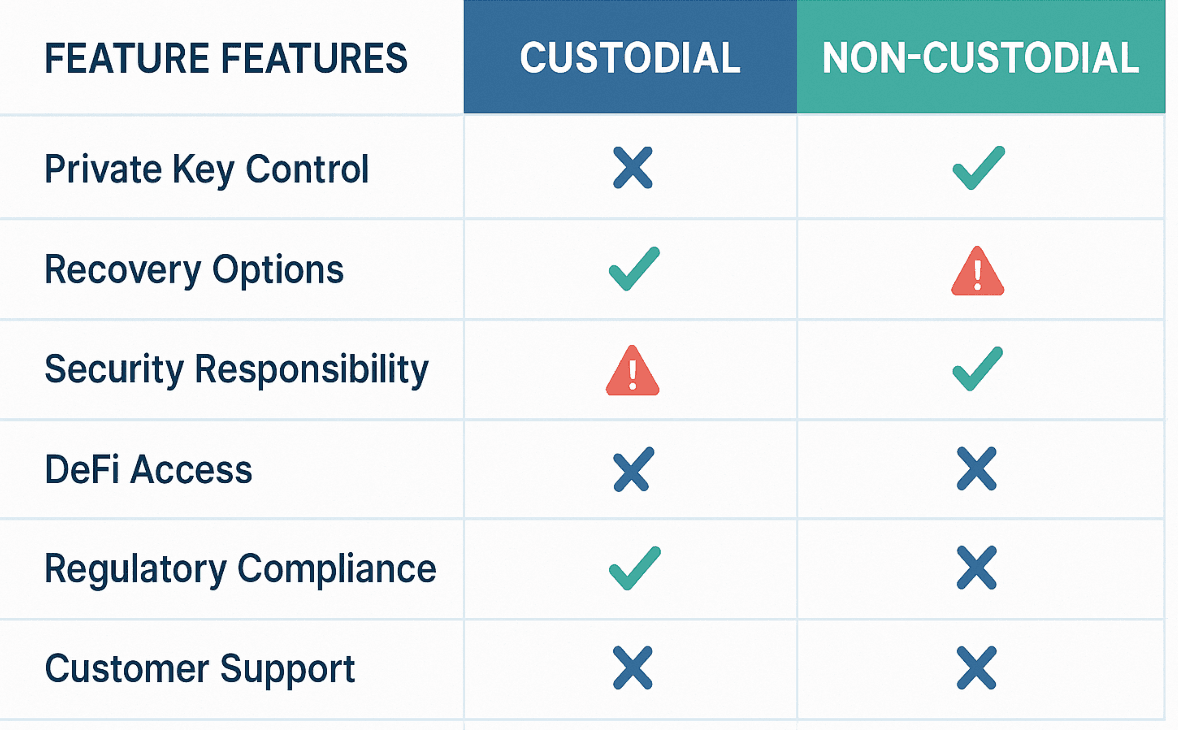
Understanding the distinction between storage models is essential for managing security risks. When you hold assets in your standard Binance exchange account, you are utilizing a custodial wallet. In this model, Binance holds the private keys on your behalf. This setup provides convenience, as the exchange can assist with account recovery if you lose your password or 2FA access. However, it requires placing absolute trust in the platform’s security infrastructure and regulatory compliance.
Conversely, the Binance Web3 Wallet—a non-custodial solution integrated into the app—operates on a Multi-Party Computation (MPC) framework. In this configuration, you retain control over your assets without the need to manage a traditional 12-word seed phrase.
The private key is split into three shares, with two stored on your device and one on Binance’s servers. Because you hold the majority of these shares, you maintain ownership of your funds, meaning Binance cannot access or move your assets without your explicit authorization. This model effectively bridges the gap between the ease of use found in centralized exchanges and the self-sovereignty of non-custodial wallets.
Users should choose their storage strategy based on their risk tolerance and trading frequency. Active traders often prefer the custodial model for its speed and integration with exchange tools. Long-term investors frequently opt for non-custodial alternatives to minimize counterparty risk and ensure they remain the sole custodians of their digital wealth.
Categorization of available crypto storage options
Choosing where to store digital assets involves balancing accessibility with security. Most users interact with two primary categories: custodial wallets, where a third party manages the private keys, and non-custodial wallets, which grant the user full control over their funds. Binance offers both, providing a centralized exchange wallet for active trading and a Web3 Wallet for decentralized finance (DeFi) participation.
Self-custody through MPC technology in the Binance Web3 Wallet
The Binance Web3 Wallet utilizes Multi-Party Computation (MPC) to eliminate the single point of failure associated with traditional seed phrases. Instead of a single private key, MPC technology splits your key into three distinct “key shares” stored in separate locations: your cloud storage, your device, and Binance’s servers.
To authorize a transaction, two of these three shares must collaborate without ever reconstructing the full private key in one place. This architectural design ensures that even if one share is compromised, your assets remain secure. Users maintain control over their assets while benefiting from a recovery mechanism that prevents total loss if a device is misplaced.
Risk assessment for long-term holding and security trade-offs
Long-term storage requires a different security posture than active trading. Exchange wallets are optimized for liquidity and rapid execution, making them ideal for frequent market participants but less suitable for “cold” storage of significant wealth. The primary risk with exchange-based storage is counterparty risk; you rely on the platform’s operational security and solvency.
Conversely, cold storage devices—such as hardware wallets from Ledger or Trezor—provide an air-gapped environment. These devices store private keys offline, rendering them immune to remote hacking attempts. While cold storage offers the highest level of security, it introduces the risk of human error, such as losing a physical recovery phrase or hardware failure.
For most users, a hybrid strategy is optimal: keep active trading funds within an MPC-secured Web3 wallet or exchange account, and move long-term holdings to a hardware wallet for maximum protection against online threats.
Operational limitations and security considerations
While the Binance Wallet offers seamless integration with the exchange’s ecosystem, users must distinguish between custodial convenience and true self-sovereignty. The wallet functions primarily as an interface for assets held within the Binance infrastructure. This means that while you retain the ability to initiate transactions, the private keys are managed by the platform, not the individual user.
Platform dependency and regulatory exposure
Using an exchange-integrated wallet creates a direct link between your assets and the operational health of the platform. If Binance faces regulatory scrutiny, service outages, or liquidity constraints, your ability to move or sell assets may be temporarily restricted. This dependency is a critical factor for investors who prioritize long-term asset control over high-frequency trading capabilities.
Regulatory exposure manifests in several ways:
- Geographic Restrictions: Certain features or tokens may become unavailable in specific jurisdictions due to local compliance requirements, potentially locking specific assets within your wallet.
- Account Freezes: As a centralized entity, Binance must comply with legal requests, including court orders or anti-money laundering (AML) protocols. This can result in the suspension of withdrawal functions if an account is flagged for review.
- Platform-Wide Downtime: During periods of extreme market volatility, high traffic volumes can lead to system congestion. If the exchange’s internal ledger is overwhelmed, users may experience delays in executing transfers, even if the underlying blockchain is functioning normally.
To mitigate these risks, experienced traders often employ a hybrid strategy. They maintain a small, active balance within the Binance Wallet for immediate market participation while moving the majority of their long-term holdings to hardware wallets or cold storage solutions. This approach balances the efficiency of the exchange’s order book with the security of offline asset management.
Best practices for managing digital assets
Effective crypto management requires balancing accessibility with risk mitigation. Relying solely on a single storage method creates a single point of failure. Instead, categorize your holdings based on liquidity needs and security requirements to optimize your portfolio management.
Implementation of a multi-layered security strategy
A robust security strategy treats your Binance Wallet as a transactional hub rather than a long-term vault. Keep only the funds you intend to trade or stake within the exchange environment. This approach minimizes your exposure to platform-specific risks while maintaining the agility needed for rapid market movements.
For long-term holdings, transfer assets to a hardware wallet such as a Ledger Nano X or Trezor Model T. These devices store your private keys offline, ensuring that even if your computer or exchange account is compromised, your primary assets remain inaccessible to attackers. Follow these specific steps to secure your assets:
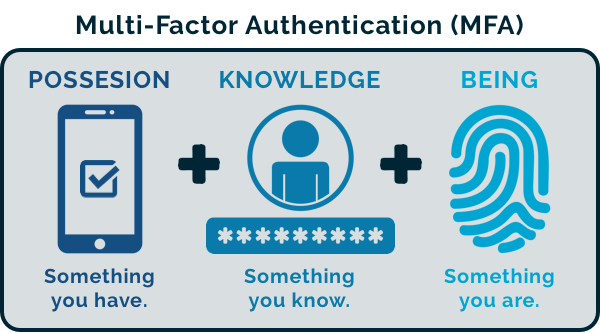
- Enable Multi-Factor Authentication (MFA): Use hardware security keys like YubiKey instead of SMS-based 2FA, which is vulnerable to SIM-swapping attacks.
- Whitelisting Addresses: Utilize the withdrawal whitelist feature on Binance to restrict fund transfers to pre-approved, verified wallet addresses.
- Regular Audits: Periodically review your connected dApps and permissions. Revoke access for any platforms you no longer actively use via tools like Revoke.cash.
- Cold Storage Rotation: If you hold significant amounts, distribute assets across multiple hardware devices to reduce the impact of a single physical device failure or loss.
By separating your operational capital from your savings, you create a defensive perimeter. Use the Binance ecosystem for its high liquidity and advanced trading tools, but treat your hardware wallet as the final, immutable layer of your financial security. This hybrid model provides the necessary flexibility for active trading while ensuring your core wealth is shielded from online threats.
Frequently Asked Questions
Distinctions between the Binance Exchange wallet and the Binance Web3 Wallet
The Binance Exchange wallet is a custodial solution where Binance manages your private keys, offering ease of use and account recovery. The Binance Web3 Wallet is a self-custody (non-custodial) wallet integrated into the app, giving you full control over your private keys and direct interaction with decentralized applications (dApps).
Security profile of custodial Binance wallet storage
While Binance employs robust security measures like SAFU (Secure Asset Fund for Users), custodial wallets carry counterparty risk. For long-term storage of significant amounts, hardware wallets or self-custody solutions are generally recommended to ensure you maintain sole ownership of your private keys. If you are new to the platform, you can learn more about how Binance works to better understand its trading features.
- Operational assessment of Binance: The ultimate guide to the world’s largest crypto exchange
- Is Binance Legal & Regulated? Country-Specific Status and regulatory assessment
- Binance security measures and user trust assessment for institutional and retail capital
- Strategic optimization of Binance fees explained: trading, withdrawal, and deposit costs