
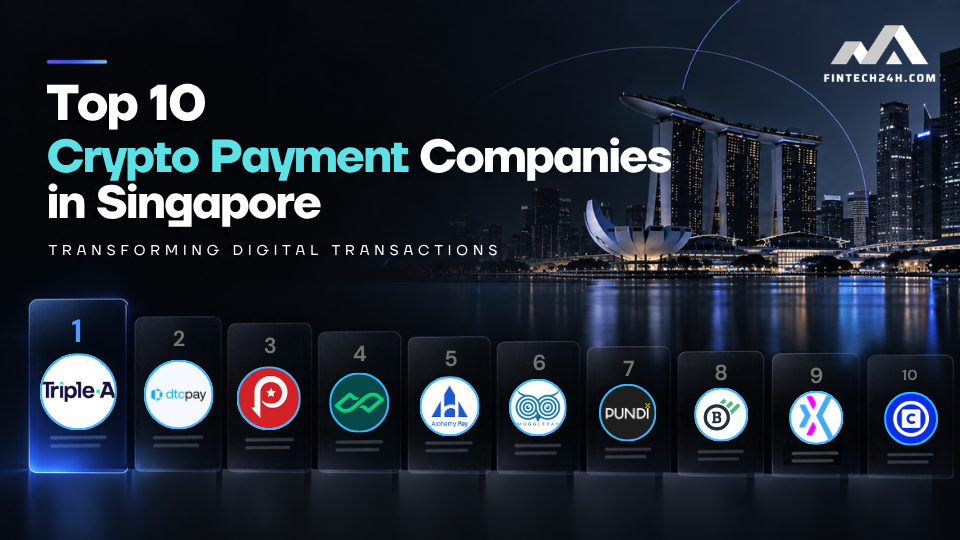
The top 10 crypto payment companies in Singapore transforming digital transactions are redefining how businesses manage cross-border settlements and merchant gateways. Singapore has established itself as a significant hub for financial technology and digital asset innovation, attracting Singaporean companies shaping financial infrastructure that are rethinking how money moves across borders.
As businesses explore alternatives to traditional payment infrastructure, cryptocurrency payment solutions are becoming increasingly relevant for e-commerce, international commerce, and digital-first enterprises. From stablecoin infrastructure providers and merchant payment gateways to blockchain-powered point-of-sale systems, these technologies are reshaping how businesses accept, process, and manage digital transactions.
The growing interest in crypto payments is not simply about accepting Bitcoin or other cryptocurrencies at checkout. Businesses are increasingly looking for practical solutions that address payment speed, transaction transparency, cross-border accessibility, and integration with existing financial systems. For those managing complex digital assets, understanding the security risks in cross-platform wallet transactions is essential to protecting corporate funds.
Singapore’s regulatory environment and established fintech ecosystem provide a setting for companies to develop these capabilities while navigating the operational requirements of digital asset services.
This article explores 10 crypto payment companies in Singapore that are contributing to this evolving landscape. The selection covers a range of business models, including dedicated crypto payment processors, stablecoin infrastructure providers, merchant technology platforms, and digital asset services. Rather than treating every provider as a direct competitor, the list highlights the different ways these companies are helping businesses incorporate cryptocurrency into their payment operations.
How We Selected These Crypto Payment Companies in Singapore
To provide a useful overview for businesses exploring digital asset payments, we considered several factors when compiling this list. These include the relevance of each company’s products to cryptocurrency transactions, its presence in Singapore’s fintech ecosystem, the practical applications of its technology, and its ability to support business payment workflows.
The selection also considers different stages of the payment process, from accepting digital assets at checkout to converting stablecoins, managing settlements, and integrating blockchain infrastructure into existing platforms. Some companies offer complete merchant payment solutions, while others focus on the underlying technology that enables digital transactions.
This is an editorial overview rather than a formal ranking of service quality, market share, or regulatory status. Businesses should independently assess each provider’s current licensing, supported jurisdictions, transaction fees, and contractual terms before making a purchasing decision.
Top 10 crypto payment companies in Singapore transforming digital transactions
1. Triple-A
Triple-A is a Singapore-based payment technology company specializing in cryptocurrency acceptance, digital asset payouts, and cross-border payment infrastructure. Its platform enables businesses to accept cryptocurrencies through websites, applications, physical stores, and payment invoices, with settlement options available in fiat currencies or digital assets.
One of Triple-A’s central offerings is its ability to connect cryptocurrency payments with conventional business operations. Merchants can integrate payment functionality through APIs or e-commerce integrations, while businesses can use its invoicing tools to request payments without developing a dedicated crypto payment system from scratch. Its marketplace solutions also support digital currency acceptance and payouts to vendors in different currencies.
For companies concerned about cryptocurrency price fluctuations, the availability of fiat settlement can help separate the customer payment experience from the merchant’s treasury strategy. Triple-A also supports stablecoin payments, making it relevant to businesses that prioritize cross-border transactions and more predictable settlement values.
Key capabilities:
-
Cryptocurrency payment acceptance across online and physical channels.
-
Payment invoices and merchant payout functionality.
-
API-based integrations and e-commerce compatibility.
-
Fiat and cryptocurrency settlement options.
-
Stablecoin payment infrastructure for international transactions.
Business relevance: Triple-A is particularly relevant to e-commerce merchants, online marketplaces, and international businesses looking to introduce crypto payments without managing every aspect of blockchain transaction processing internally.
2. dtcpay
dtcpay focuses on connecting digital assets with everyday payment experiences. The Singapore-based fintech provides payment solutions for businesses that want to accept stablecoins and fiat currencies through a combination of point-of-sale systems, online checkout, and international payment services.
Its approach addresses a practical challenge in cryptocurrency adoption: businesses need payment systems that fit into existing sales operations rather than requiring customers and merchants to navigate complicated blockchain processes. By offering both physical and digital payment channels, dtcpay supports businesses operating across retail, hospitality, and online commerce.
The platform also incorporates digital asset conversion and payment management features, allowing businesses to explore how stablecoins can complement conventional financial workflows. This makes it relevant to merchants seeking greater flexibility in how they receive and manage payments.
Key capabilities:
-
Stablecoin and fiat payment acceptance.
-
Online checkout and payment processing.
-
Point-of-sale solutions for physical merchants.
-
Digital asset conversion and payment management.
-
Cross-border payment functionality.
Business relevance: dtcpay is worth considering for retailers, hospitality operators, and businesses seeking to incorporate digital assets into both online and offline payment experiences.
3. FOMO Pay
FOMO Pay is a Singapore-headquartered financial technology company providing digital payment, digital banking, and digital asset services. Founded in 2015, the company serves merchants, corporations, and financial institutions through an integrated payment ecosystem.
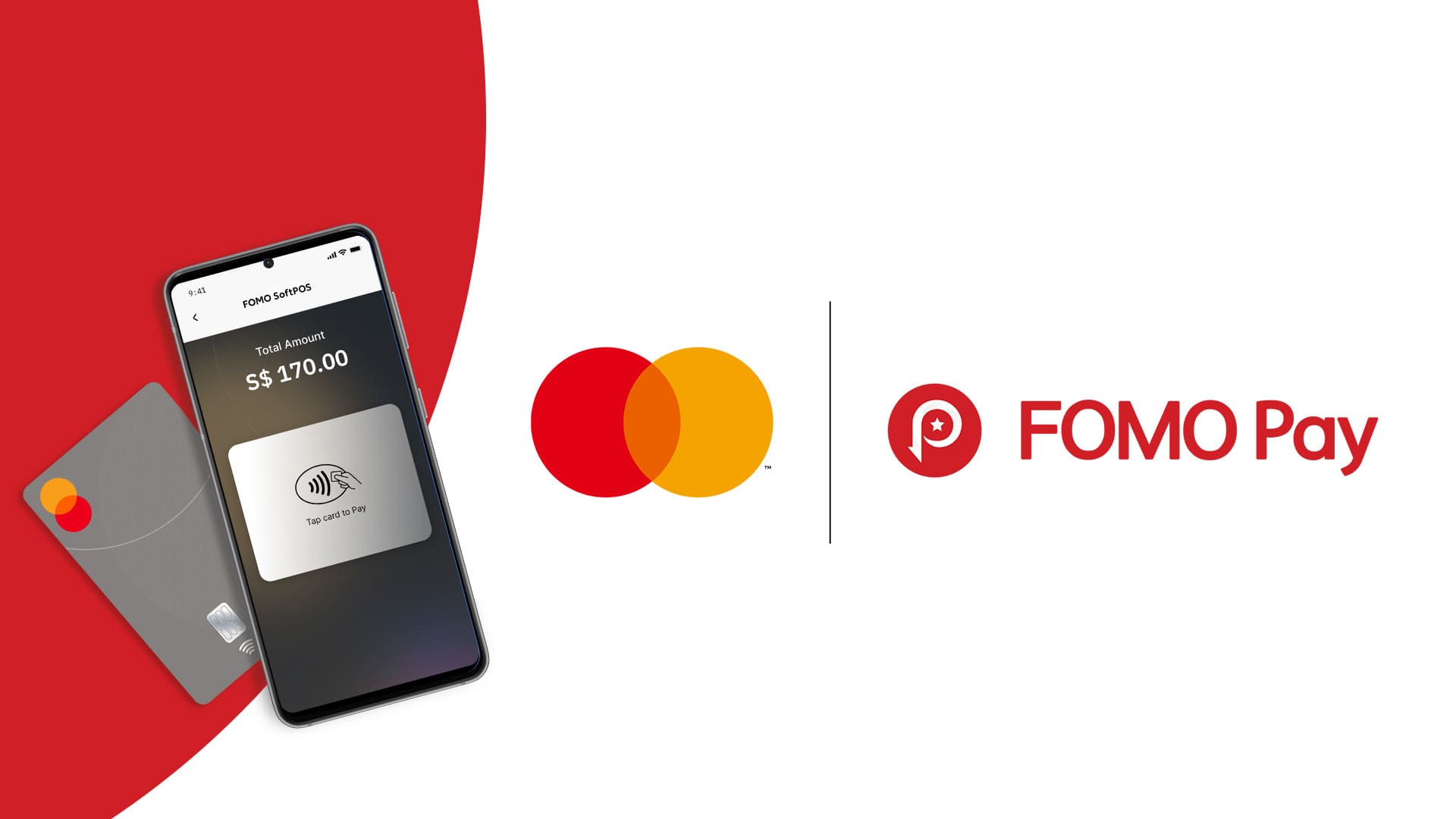
Its payment platform supports a broad range of methods, including credit cards, digital wallet interoperability, PayNow, QR payments, and digital payment tokens. For merchants, this creates an opportunity to manage multiple payment channels through a more unified infrastructure instead of relying on separate systems for each transaction type.
FOMO Pay’s digital asset capabilities are particularly relevant to businesses exploring the intersection of traditional finance and blockchain-based payments. Its infrastructure is designed to support digital transactions alongside conventional payment operations, while transaction reporting and integration features help businesses manage their payment activities.
The company is also listed in the Monetary Authority of Singapore’s Financial Institutions Directory as a Major Payment Institution with digital payment token and merchant acquisition permissions. Businesses should still verify the scope of applicable services and licensing requirements for their specific use cases.
Key capabilities:
-
Digital payment token acceptance.
-
Merchant acquiring and payment processing.
-
Online and in-store payment solutions.
-
QR-based transactions and digital wallet integration.
-
Transaction reporting and payment management.
Business relevance: FOMO Pay is relevant to businesses seeking a broader digital payment infrastructure that combines cryptocurrency-related capabilities with conventional merchant payment methods.
4. StraitsX
StraitsX is a digital payment infrastructure provider known for developing stablecoin solutions that connect blockchain networks with traditional currencies. Its XSGD token is designed to maintain a one-to-one value relationship with the Singapore dollar and is available across multiple blockchain networks.
Unlike a conventional merchant payment gateway, StraitsX focuses on the financial infrastructure that enables digital assets to move between blockchain-based applications and fiat currency systems. Its stablecoin products can support use cases such as digital asset transfers, settlement, and integration into payment platforms.
For businesses operating in Singapore and the wider Asia-Pacific region, SGD-denominated stablecoins offer an alternative to using volatile cryptocurrencies for certain digital transaction workflows. The availability of APIs and payment-related infrastructure also creates opportunities for developers and fintech companies to incorporate stablecoin functionality into their products.
StraitsX’s role in the payment ecosystem is especially relevant as businesses explore programmable payments and blockchain-based settlement systems. However, the suitability of a stablecoin for a particular transaction depends on its supported networks, redemption arrangements, counterparties, and applicable regulatory requirements.
Key capabilities:
-
XSGD, a Singapore-dollar-backed stablecoin.
-
Blockchain-based digital asset transfers.
-
Stablecoin infrastructure for fintech integrations.
-
Payment and settlement-related APIs.
-
Connectivity between digital assets and traditional currency systems.
Business relevance: StraitsX is particularly relevant to fintech developers, payment providers, and businesses exploring stablecoin-based settlement rather than simply adding a cryptocurrency option to a checkout page.
5. Alchemy Pay
Alchemy Pay operates a payment network that connects traditional payment methods with cryptocurrency and Web3 applications. Its infrastructure supports fiat-to-crypto and crypto-to-fiat transactions, helping users move between conventional financial systems and blockchain-based services.

The platform supports multiple payment methods, including bank transfers, payment cards, and region-specific alternatives. Its infrastructure is designed to help Web3 applications integrate payment functionality without requiring every application to build its own fiat conversion systems.
Alchemy Pay’s relevance extends beyond conventional merchant checkout. For digital asset platforms, wallet providers, and blockchain applications, access to local payment methods can reduce friction when users purchase or convert digital assets. Its support for different currencies and payment methods across regions also makes it relevant to businesses developing international payment experiences.
Companies evaluating Alchemy Pay should distinguish between its fiat on-ramp and off-ramp services and direct cryptocurrency merchant acquiring, as these address different stages of a digital transaction.
Key capabilities:
-
Fiat-to-crypto and crypto-to-fiat payment services.
-
Integration with Web3 applications.
-
Support for cards, bank transfers, and local payment methods.
-
Regional payment connectivity.
-
Payment infrastructure for digital asset platforms.
Business relevance: Alchemy Pay is relevant to Web3 businesses, digital asset platforms, and fintech developers that need to connect traditional payment channels with blockchain-based products.
6. MugglePay
MugglePay provides a cryptocurrency payment gateway designed for online merchants and digital businesses. Its infrastructure supports stablecoin and cryptocurrency payments across multiple blockchain networks, giving merchants additional flexibility in how they receive digital assets.
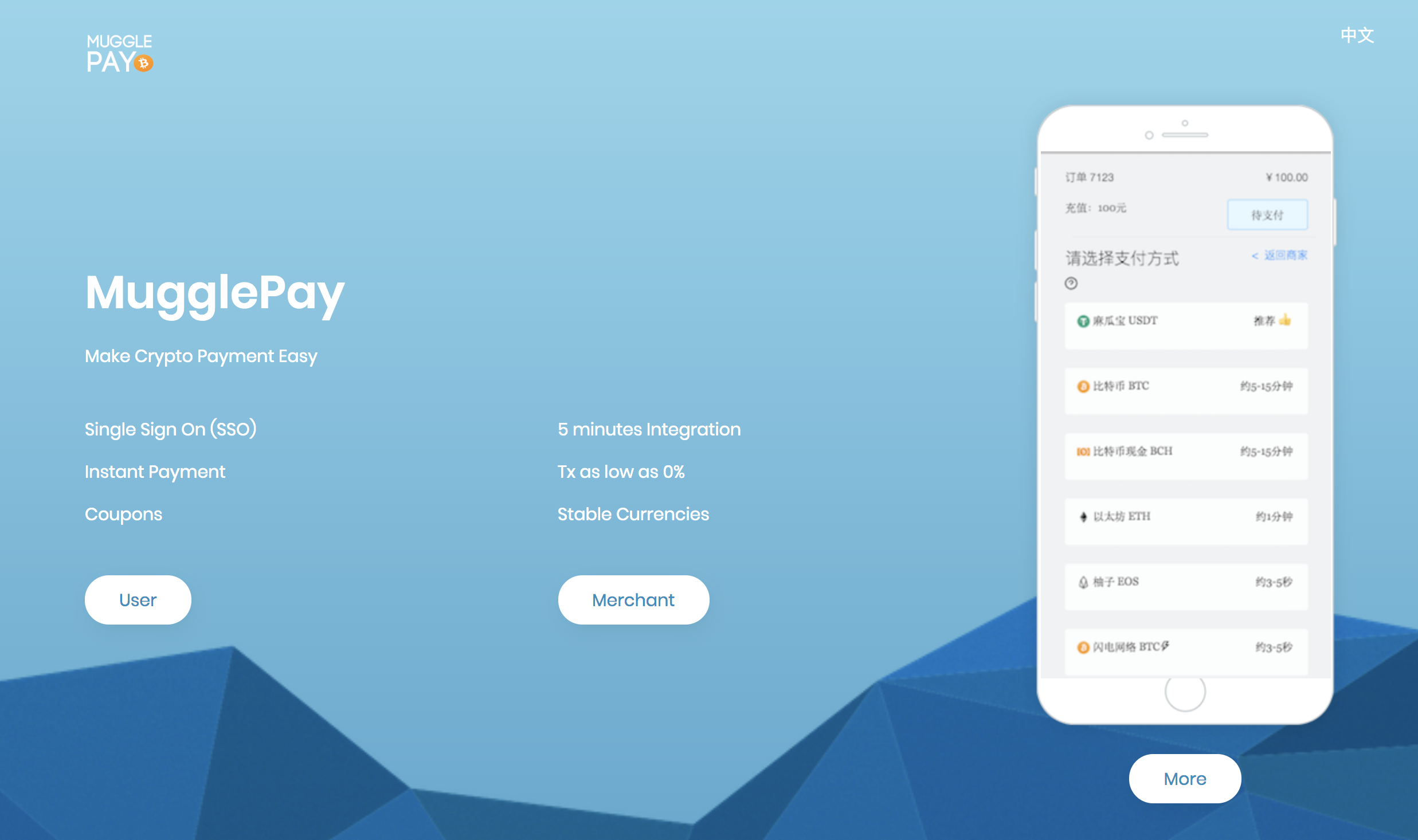
One of the platform’s distinguishing characteristics is its non-custodial approach, which allows businesses to receive payments into their own wallets rather than relying entirely on a third-party provider to hold their funds. This model can appeal to merchants that prioritize direct control over their digital assets, although it also requires businesses to establish appropriate wallet security and transaction management procedures.
MugglePay offers several integration options, including payment links, APIs, and plugins for platforms such as WordPress, WooCommerce, Shopify, and WHMCS. These options make it possible for businesses to introduce cryptocurrency payment functionality without building a complete payment infrastructure internally.
Its support for multiple blockchain networks also addresses a common issue in digital asset payments: customers may hold the same stablecoin across different networks, and payment systems need to account for network compatibility when processing transactions.
Key capabilities:
-
Non-custodial cryptocurrency payment processing.
-
Multi-chain support for stablecoins and other digital assets.
-
Payment links and API integrations.
-
E-commerce plugins.
-
Merchant-controlled wallet settlement.
Business relevance: MugglePay is worth exploring for e-commerce businesses, digital service providers, and online merchants that want to accept crypto while maintaining direct control over their payment wallets.
7. Pundi X
Pundi X develops blockchain-based payment technology designed to bring digital asset transactions into physical retail environments. Its XPOS ecosystem combines payment hardware and software to support cryptocurrency acceptance at merchant locations.

The company’s approach focuses on making crypto payments accessible at the point of sale, where merchants need a straightforward way to initiate transactions and confirm payments. Beyond dedicated hardware, Pundi X has also developed Pundi X Pay, a solution that includes QR-based payments, payment links, and APIs for businesses looking to accept digital assets without relying exclusively on physical terminals.
This combination of hardware and software makes Pundi X relevant to businesses exploring cryptocurrency payments in physical stores, events, and other environments where customers and merchants interact directly.
An important consideration for prospective users is the company’s transition toward self-custodial solutions. Businesses should review the current operating model and availability of specific products before planning a deployment.
Key capabilities:
-
XPOS merchant payment technology.
-
QR-based cryptocurrency payments.
-
Payment links and API integrations.
-
Support for digital asset transactions in physical retail.
-
Blockchain-powered transaction infrastructure.
Business relevance: Pundi X is relevant to retailers, event organizers, and payment technology providers exploring how cryptocurrency can be incorporated into in-person commerce.
8. Blockonomics
Blockonomics develops cryptocurrency payment tools for merchants who want to accept digital assets directly into their own wallets. Operated by Singapore-based OneByZero Tech Pte Ltd, the company has built its platform around non-custodial payment processing and merchant control over funds.

Its technology allows online businesses to generate payment addresses, monitor incoming transactions, and receive payment notifications without routing funds through a conventional custodial merchant account. The platform supports Bitcoin, Bitcoin Cash, and USDT, with payment processing designed to integrate into existing online storefronts.
Blockonomics also offers invoicing functionality, making it relevant to freelancers, independent merchants, and businesses that need to request cryptocurrency payments without implementing a full-scale payment gateway.
Its focus on direct wallet settlement distinguishes it from providers that emphasize automatic conversion and fiat payouts. While this approach offers greater control over received assets, businesses must also manage wallet security, accounting, and exposure to cryptocurrency price movements.
Key capabilities:
-
Non-custodial crypto payment processing.
-
Bitcoin and Bitcoin Cash payment acceptance.
-
USDT payment support.
-
Payment address generation and transaction monitoring.
-
E-commerce payment tools and invoicing.
Business relevance: Blockonomics is relevant to independent merchants, digital businesses, and e-commerce operators seeking direct cryptocurrency payments without relying on a custodial intermediary.
9. Xion Global
Xion Global is a Singapore-based company developing multi-chain payment infrastructure for businesses exploring Web3 commerce. Its platform focuses on simplifying cryptocurrency acceptance and transfers while incorporating customer rewards and loyalty functionality.
The company’s approach reflects a broader shift in digital payments: businesses are not only looking for alternative ways to receive money but are also exploring how blockchain development companies can support customer engagement and new commerce models. By combining payment capabilities with rewards-oriented features, Xion Global positions its technology within the wider Web3 customer experience ecosystem.
Multi-chain infrastructure is particularly relevant for businesses whose customers use different blockchain networks and digital wallets. A payment system that accommodates multiple networks can offer greater flexibility, although businesses still need to consider transaction costs, settlement processes, and network compatibility.
Xion Global’s presence in Singapore’s fintech ecosystem makes it a company worth following as Web3 payment applications continue to develop.
Key capabilities:
-
Multi-chain Web3 payment infrastructure.
-
Cryptocurrency payment acceptance and transfers.
-
Customer cashback and rewards functionality.
-
Blockchain-based commerce integrations.
-
Payment technology for different industry applications.
Business relevance: Xion Global is relevant to businesses exploring Web3 commerce, digital customer rewards, and cryptocurrency payment experiences that extend beyond conventional checkout functionality.
10. Coinhako
Coinhako is a Singapore-based digital asset platform that provides cryptocurrency trading, custody-related services, and connections between fiat currencies and digital assets. Established in 2014, the company has become part of Singapore’s broader cryptocurrency ecosystem.
Although Coinhako is not positioned primarily as a dedicated merchant checkout gateway, its services are relevant to the infrastructure surrounding digital asset payments. Businesses and users exploring cryptocurrency transactions often need reliable ways to acquire, manage, and transfer digital assets before they can participate in blockchain-based payment ecosystems.
Coinhako supports SGD and USD funding options, including local bank transfers and other payment methods for eligible users. These fiat connectivity features illustrate how digital asset platforms can complement payment infrastructure by facilitating the movement of funds between conventional currencies and cryptocurrencies.
For businesses, the distinction between a cryptocurrency exchange and a merchant payment processor is important. Coinhako’s relevance lies primarily in digital asset access and financial connectivity rather than offering the same end-to-end merchant checkout capabilities as dedicated payment gateways.
Key capabilities:
-
Cryptocurrency trading and digital asset management.
-
SGD and USD funding options.
-
Fiat-to-crypto connectivity.
-
Digital asset transfers.
-
Access to Singapore’s digital asset ecosystem.
Business relevance: Coinhako is relevant to businesses and users seeking digital asset access and fiat connectivity as part of their broader cryptocurrency payment operations.
Key Trends Shaping Crypto Payments in Singapore
The companies featured in this list illustrate several developments influencing the evolution of digital transactions. Although their products and business models differ, their approaches reveal how cryptocurrency payment infrastructure is expanding beyond basic asset transfers.
1. Stablecoins Are Becoming More Relevant to Business Payments
Stablecoins are gaining attention as businesses explore ways to combine blockchain-based settlement with more predictable transaction values. Unlike cryptocurrencies whose market prices can fluctuate significantly, fiat-backed stablecoins are designed to maintain a defined relationship with an underlying currency.
For businesses, this can make stablecoins relevant to cross-border settlements, treasury operations, and digital payment applications. Singapore-dollar-backed tokens such as XSGD demonstrate how local currency can be represented on blockchain networks, creating additional possibilities for programmable financial services, and highlighting the benefits of cross-border interoperability.
Singapore Dollar Stablecoin by StraitsX+1
However, stablecoins are not risk-free substitutes for bank deposits. Businesses should evaluate reserve arrangements, redemption mechanisms, liquidity, supported networks, and the regulatory status of each product.
2. Payment Infrastructure Is Moving Beyond Traditional Checkout
Crypto payment technology is increasingly being integrated into broader business systems. APIs, payment links, point-of-sale applications, and e-commerce plugins allow merchants to introduce digital asset functionality without building every component themselves.
This development is particularly relevant to businesses that operate across multiple channels. A company may need to accept payments online, process transactions in physical locations, and manage payouts to suppliers through a unified operational framework.
The growing availability of modular payment infrastructure allows businesses to adopt selected capabilities according to their needs rather than committing to an entirely new financial system.
3. Cross-Border Transactions Remain a Key Application
International payments are an important area of development for cryptocurrency and stablecoin infrastructure. Traditional cross-border transfers can involve multiple intermediaries, different operating hours, and currency conversion requirements. Blockchain-based systems offer an alternative transaction layer that businesses can evaluate for specific payment corridors.
However, the speed of an on-chain transfer should not be confused with the time required for a complete payment process. Identity verification, compliance reviews, liquidity availability, fiat conversion, and bank settlement can all affect the final time required for funds to become usable.
For this reason, businesses should assess the entire payment journey rather than focusing exclusively on blockchain confirmation times.
4. Regulatory Considerations Are Central to Adoption
Singapore’s Payment Services Act establishes a regulatory framework for specified payment activities, including digital payment token services. The Monetary Authority of Singapore maintains a Financial Institutions Directory where businesses can verify the licensing status and permitted activities of financial institutions.
For merchants, regulatory considerations extend beyond the payment provider itself. Depending on the business model, transaction structure, and jurisdictions involved, companies may need to evaluate customer due diligence, anti-money laundering obligations, recordkeeping, consumer protection, and tax treatment.
A provider’s presence in Singapore should not automatically be interpreted as authorization to conduct every type of digital asset activity. Due diligence should focus on the specific legal entity, service, and jurisdiction relevant to the intended use case.
5. Merchant Experience Is Becoming a Differentiating Factor
The technical complexity of blockchain transactions remains a barrier to broader adoption. Wallet compatibility, network selection, transaction fees, and confirmation times can create friction for customers unfamiliar with digital assets.
Payment providers are therefore exploring ways to make crypto transactions feel more familiar through QR codes, payment links, integrated checkout experiences, and automated transaction notifications. For those deploying these systems, it is vital to understand NFC payment technology explained to ensure seamless integration with existing hardware.
For merchants, the goal is not simply to add another payment method but to introduce it without disrupting the customer journey or creating unnecessary operational complexity.
Frequently Asked Questions
1. What are crypto payment companies?
Crypto payment companies provide technology and financial services that enable businesses or individuals to send, receive, process, or manage transactions involving cryptocurrencies and other digital assets. Their offerings may include merchant payment gateways, stablecoin settlement, digital asset conversion, payment APIs, and blockchain-based transaction infrastructure.
2. Are crypto payment gateways available in Singapore?
Yes. Singapore has companies offering cryptocurrency payment gateways and related digital asset payment services. Examples include Triple-A, dtcpay, MugglePay, and Pundi X. Their products differ in supported assets, integration methods, settlement options, and geographic availability, so businesses should evaluate each provider against their specific requirements.
3. What is the difference between a crypto payment gateway and a cryptocurrency exchange?
A crypto payment gateway primarily helps merchants accept and process cryptocurrency payments, often providing checkout tools, transaction notifications, and settlement options. A cryptocurrency exchange focuses on enabling users to buy, sell, or trade digital assets. Some platforms offer services that overlap, but the two business models address different operational needs.
4. Can businesses accept cryptocurrency and receive Singapore dollars?
Some payment providers offer settlement options that allow merchants to accept cryptocurrency while receiving fiat currency, subject to the provider’s supported services and applicable terms. This arrangement can help businesses separate customer payment preferences from their own treasury management decisions. Merchants should confirm conversion rates, settlement timelines, fees, and eligibility before implementation.
5. What are the benefits of using stablecoins for business payments?
Stablecoins are designed to maintain a relatively stable value against an underlying asset, such as the US dollar or Singapore dollar. In business contexts, they can support cross-border transfers, digital settlement, and blockchain-based financial applications. However, businesses should consider issuer risk, liquidity, redemption arrangements, network fees, and regulatory requirements before adopting them.