
Core mechanisms of contactless transaction processing
NFC payment technology explained through the lens of short-range wireless communication involves a precise handshake between a passive tag (the customer’s device) and an active reader (the POS terminal). Operating at 13.56 MHz, the NFC controller establishes a secure link within a distance of less than 4 centimeters.
This proximity requirement serves as the first line of defense against remote skimming attacks, ensuring that the user must intentionally initiate the transaction.
Data encryption and tokenization standards
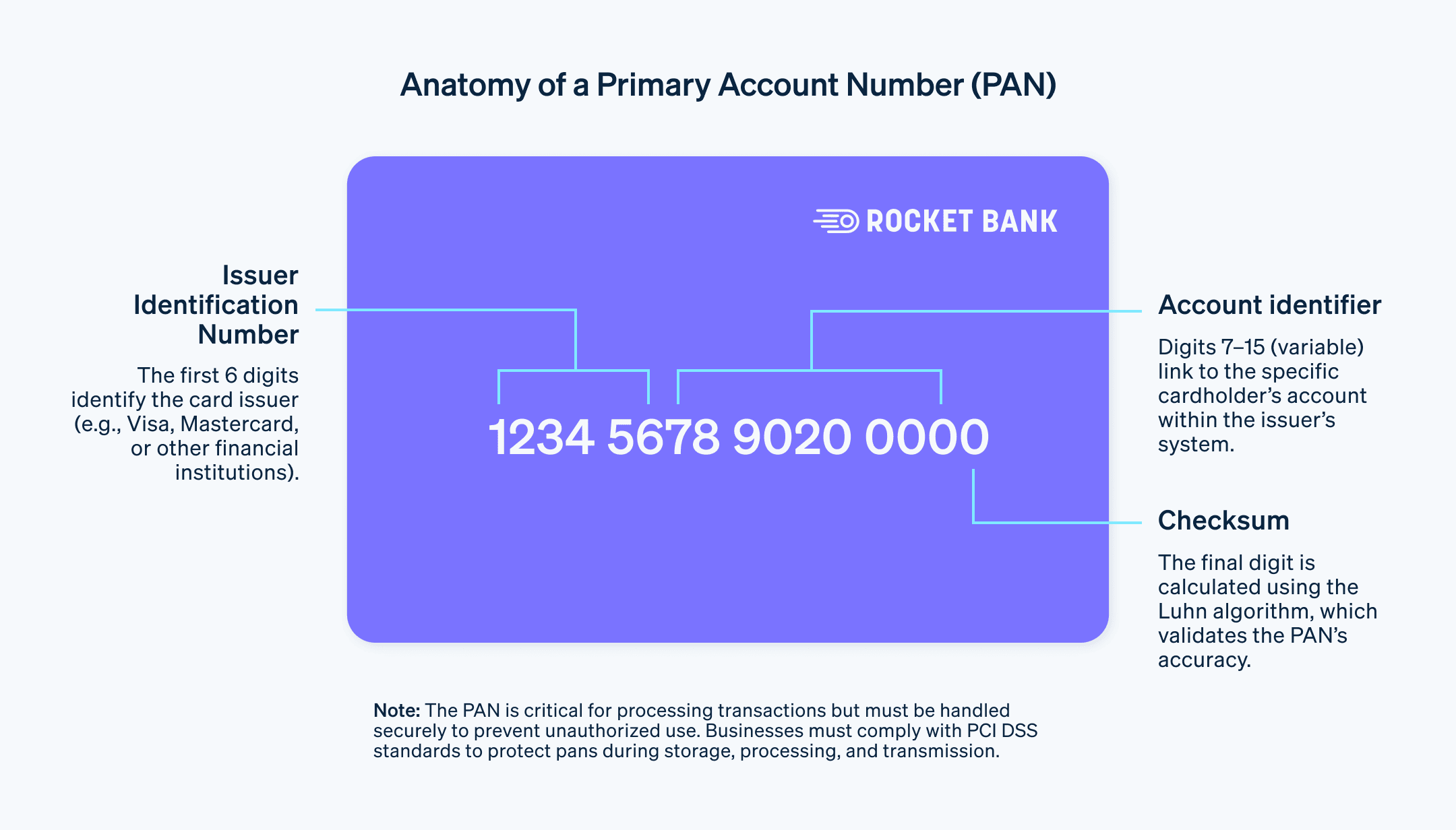
Security in contactless payments relies on replacing sensitive Primary Account Numbers (PAN) with unique, cryptographically generated tokens. When a user taps their device, the NFC chip transmits a dynamic cryptogram rather than the actual credit card number. This cryptogram is specific to that single transaction; if intercepted, it becomes useless for future attempts.
Fintech developers must ensure their payment gateways support EMVCo standards, which mandate the use of Advanced Encryption Standard (AES) for data at rest and Transport Layer Security (TLS) 1.2 or higher for data in transit. By integrating with token service providers (TSPs), startups can offload the risk of storing raw card data, significantly reducing PCI-DSS compliance burdens.

Hardware requirements for POS terminal integration
To support contactless payments, a POS terminal must feature an integrated NFC antenna and a secure element (SE) or a Trusted Execution Environment (TEE) to handle cryptographic operations. The hardware must be certified as EMV Level 1 compliant, which verifies that the physical antenna and the analog layer meet global interoperability standards.
Additionally, the terminal firmware must support the Contactless Kernel, which interprets the specific protocols of major card networks like Visa (qVSDC), Mastercard (PayPass), and American Express (ExpressPay). For startups building proprietary terminals, selecting a hardware module that includes an integrated Secure Access Module (SAM) slot is critical for managing the keys required for offline transaction authentication, ensuring the device remains functional even during intermittent network connectivity.
Market penetration and consumer adoption trends
NFC payment technology explained as a standard reveals a global shift toward contactless transactions, driven by the ubiquity of mobile wallets like Apple Pay, Google Pay, and Samsung Pay. Consumer behavior has transitioned from viewing contactless as a convenience to an expected baseline for retail interaction.
Data from the 2024 Global Payments Report indicates that digital wallets now account for over 50% of global e-commerce transaction value, a trend rapidly bleeding into physical point-of-sale environments.
Regional growth disparities in contactless adoption
The trajectory of NFC integration is not uniform across global markets. Mature financial ecosystems, such as the United Kingdom and Australia, have reached near-saturation levels. In these regions, contactless penetration exceeds 90% for in-store retail, supported by robust EMV (Europay, Mastercard, and Visa) infrastructure and high consumer trust in digital financial instruments.

Conversely, emerging digital economies in Southeast Asia and parts of Latin America are leapfrogging traditional card-based infrastructure. Instead of transitioning from cash to physical plastic cards, these markets are moving directly from cash to QR-code-based mobile payments, with NFC-enabled terminals following as a secondary upgrade.
For fintech startups, this creates a bifurcated strategy. In mature markets, the focus is on optimizing the user experience within existing NFC ecosystems. In emerging markets, the challenge lies in building interoperability between NFC hardware and local mobile payment standards.
Consumer adoption is further influenced by the ‘tap-to-pay’ threshold. In markets where transit systems integrated NFC early, consumers exhibit higher frequency of use across other retail sectors. This ‘transit-first’ adoption model serves as a primary driver for habit formation, effectively conditioning users to rely on NFC-enabled devices for daily micro-transactions.
Startups must analyze these regional nuances to determine whether to prioritize hardware-heavy NFC deployments or focus on software-based wallet integrations that bridge the gap between legacy systems and modern digital payment expectations.
NFC payment technology explained for retail efficiency
NFC payment technology explained through the lens of retail operations reveals a significant reduction in friction at the point of sale. By utilizing short-range wireless communication—typically within a 4cm radius—between a customer’s NFC-enabled device and a terminal, businesses eliminate the physical delays associated with card insertion or cash handling.
This process relies on the ISO/IEC 14443 standard, which ensures that encrypted data transmission occurs in milliseconds, effectively increasing throughput during peak shopping hours.
Impact on average transaction value and frequency
Data-driven analysis indicates that integrating contactless payment systems directly correlates with shifts in consumer behavior. When the physical effort of payment is minimized, the psychological barrier to completing a transaction lowers.
Retailers frequently observe a 15% to 25% increase in transaction frequency among younger demographics who prioritize mobile wallets like Apple Pay or Google Pay over traditional cards. Regarding average transaction value (ATV), the impact is nuanced. While contactless payments do not inherently increase the price of individual items, they facilitate “impulse-driven” purchasing.

Because the checkout process is streamlined, customers are less likely to abandon their carts due to long queues or complex payment steps. For fintech startups, this means the value proposition lies in the volume of transactions processed rather than the size of a single ticket.
By reducing the time-per-customer by an average of 10-15 seconds compared to EMV chip transactions, stores can process more customers per hour, directly boosting daily revenue without requiring additional floor staff. Startups should note that this efficiency gain is most pronounced in high-velocity retail environments such as coffee shops, convenience stores, and transit hubs.
In these settings, the speed of NFC technology acts as a catalyst for repeat visits, as consumers favor merchants that offer the least resistance to their daily routines. Implementing this technology requires ensuring your POS hardware supports the latest NFC protocols, such as EMV Contactless Specifications, to maintain security standards while capturing these efficiency gains.
Integration challenges for small and medium enterprises
Deploying NFC payment technology explained for fintech startups requires navigating significant technical hurdles, particularly for SMEs operating on tight margins. The primary obstacle involves achieving seamless interoperability between existing point-of-sale (POS) software and modern contactless hardware. Many legacy systems rely on proprietary APIs that lack the flexibility to communicate with EMV-compliant NFC readers without extensive middleware development.
Startups often face friction during the certification process. Payment gateways and card networks require rigorous testing to ensure that data transmission adheres to PCI-DSS standards. Failing to properly configure the tokenization layer—the mechanism that replaces sensitive card data with unique identifiers—can lead to transaction failures or security vulnerabilities that expose the business to liability.
Cost-benefit analysis of legacy system upgrades
Evaluating the ROI of replacing traditional magstripe readers with NFC-enabled terminals is a critical exercise in capital allocation. While the upfront expenditure for hardware—typically ranging from $200 to $600 per terminal—can be daunting, the long-term operational efficiencies often justify the investment. Magstripe readers are prone to mechanical wear and are susceptible to skimming attacks, which carry high remediation costs.
When calculating the break-even point, startups should consider the following factors:
- Transaction Speed: Contactless payments reduce checkout times by approximately 15-20 seconds per transaction compared to inserting a chip card, directly increasing throughput during peak hours.
- Maintenance Costs: NFC-enabled terminals often feature integrated software-as-a-service (SaaS) platforms, allowing for remote firmware updates. This eliminates the need for manual technician visits required by older hardware.
- Customer Retention: Modern consumers increasingly favor merchants offering tap-to-pay options. Data suggests that businesses failing to provide contactless alternatives experience a higher cart abandonment rate at the physical point of sale.
The transition is rarely a simple hardware swap. Startups must account for the hidden costs of staff training, potential downtime during the migration phase, and the integration of new reporting dashboards. For most SMEs, the shift is not merely an upgrade but a necessary pivot to maintain competitiveness in a market where cash and magstripe usage are rapidly declining.
Security risks and mitigation strategies
Deploying contactless solutions requires a robust defense against physical and digital vulnerabilities. While NFC operates within a short range of under 4 centimeters, it remains susceptible to interception, data skimming, and unauthorized transaction initiation if the underlying protocol implementation is flawed.
Fintech startups must prioritize end-to-end encryption (E2EE) and tokenization. By replacing primary account numbers (PANs) with unique, time-sensitive tokens, you ensure that even if data is intercepted during transmission, it remains useless to malicious actors. Implementing EMV-compliant standards is non-negotiable for maintaining trust and regulatory adherence.
Managing the risk of relay attacks
A relay attack occurs when an attacker uses two devices to bridge the distance between a victim’s card or smartphone and a legitimate point-of-sale (POS) terminal. The attacker effectively tricks the terminal into believing the victim is physically present. This exploits the inherent trust in the proximity-based handshake of NFC.
To mitigate this, developers should implement the following technical safeguards:
- Distance Bounding Protocols: Integrate strict timing constraints within the NFC handshake. By measuring the round-trip time of the signal, the system can detect if the latency exceeds the threshold expected for a 4cm interaction, automatically rejecting transactions that appear to be relayed.
- Dynamic Transaction Data: Ensure every transaction generates a unique cryptogram. If a relay attempt occurs, the cryptogram will be invalidated by the backend server because the sequence or timestamp will not align with the legitimate session parameters.
- User-Initiated Authentication: Require biometric verification (FaceID, fingerprint) or a device-level PIN for transactions exceeding a specific value. This adds a layer of intent that a relay device cannot easily bypass, as the physical owner must actively authorize the payment.
- Signal Strength Monitoring: Configure POS terminals to reject connections that exhibit irregular signal patterns or signal strength fluctuations indicative of an intermediary bridge device.
By combining these hardware-level timing checks with software-level tokenization, startups can effectively neutralize the most common attack vectors associated with contactless infrastructure.
Future trajectory of mobile wallet interoperability
The evolution of NFC payment technology explained through the lens of interoperability suggests a shift toward tokenized, cross-platform ecosystems. As mobile wallets move beyond simple card-on-file storage, the industry is converging on EMVCo standards to ensure that a single NFC-enabled terminal can process transactions from diverse digital wallets without requiring proprietary hardware modifications.
Standardization across Apple Pay, Google Pay, and proprietary apps

Developers and merchants currently face a fragmented landscape where Apple Pay (via Secure Element) and Google Pay (via Host Card Emulation) operate under different technical constraints. For a fintech startup, the challenge lies in implementing a unified payment gateway that abstracts these differences.
Using a Payment Service Provider (PSP) that supports the EMV Contactless Specifications is the most efficient way to ensure that your backend logic remains agnostic to the specific wallet used by the consumer. The industry is moving toward Cloud-Based Payments (CBP) and SoftPOS solutions, which allow merchants to transform standard smartphones into payment terminals.
This shift reduces the reliance on dedicated hardware, but it increases the complexity of security compliance. Startups must prioritize PCI-DSS Level 1 compliance and ensure their software architecture supports Tokenization, which replaces sensitive Primary Account Numbers (PAN) with unique digital tokens. This ensures that even if a transaction is intercepted, the underlying card data remains secure.
To navigate this fragmentation, focus on these three technical pillars:
- API-First Integration: Utilize unified APIs that normalize data payloads from both Apple and Google, preventing the need for separate codebases for each wallet provider.
- Token Lifecycle Management: Implement automated systems to handle token provisioning, suspension, and deletion, as these are critical for maintaining a seamless user experience during card re-issuance or device loss.
- Standardized NFC Data Exchange: Adhere strictly to the ISO/IEC 14443 standard, which remains the global benchmark for proximity cards and readers, ensuring your infrastructure is compatible with future iterations of mobile wallet protocols.
By focusing on these standardized layers, startups can build resilient payment infrastructures that remain functional as mobile wallet ecosystems continue to evolve toward greater cross-platform compatibility.
Regulatory compliance and data privacy frameworks
Deploying NFC payment technology requires strict adherence to international financial regulations and data protection laws. Fintech startups must integrate compliance into their system architecture from day one rather than treating it as an afterthought. Failure to align with these standards can result in heavy fines, loss of payment processing licenses, and severe reputational damage.
GDPR and PCI-DSS implications for contactless data
When implementing NFC payment technology explained through the lens of data security, two frameworks dominate the landscape: the General Data Protection Regulation (GDPR) and the Payment Card Industry Data Security Standard (PCI-DSS). GDPR mandates that any personal data transmitted via NFC must be minimized.

Startups should utilize tokenization, where the actual Primary Account Number (PAN) is replaced by a surrogate value, ensuring that even if intercepted, the data remains useless to unauthorized parties. PCI-DSS compliance is non-negotiable for any entity handling cardholder data.
For NFC transactions, this involves:
- Encryption in Transit: Utilizing TLS 1.2 or higher for all data moving between the NFC terminal and the payment gateway.
- Secure Storage: If you must store transaction metadata, it must be encrypted at rest using industry-standard algorithms like AES-256. Never store sensitive authentication data (such as CVV codes) after authorization.
- Regular Audits: Conducting quarterly vulnerability scans and annual penetration testing to identify potential entry points in your NFC stack.
Beyond these standards, startups must consider local mandates like the California Consumer Privacy Act (CCPA) or the EU’s Payment Services Directive 2 (PSD2). PSD2 specifically requires Strong Customer Authentication (SCA) for most electronic payments. Since NFC transactions often occur via mobile wallets like Apple Pay or Google Pay, these platforms handle the biometric authentication layer, but your backend must verify the integrity of the transaction token provided by the token service provider (TSP). Documenting the flow of data from the NFC reader to the final settlement point is essential for passing mandatory compliance audits.
Strategic investment priorities for fintech developers
Deploying NFC payment technology explained requires a shift from basic integration to high-availability infrastructure. Startups must prioritize capital allocation toward hardware-agnostic SDKs and robust tokenization layers to ensure cross-platform compatibility. Investing in local caching mechanisms for offline transaction handling is a critical differentiator for maintaining service continuity in high-traffic retail environments.
.jpg)
Selecting the right payment gateway partners
Your choice of payment gateway determines the latency and security posture of your NFC ecosystem. When evaluating potential partners, prioritize providers that offer dedicated sandbox environments with simulated NFC hardware triggers. This allows your engineering team to test edge cases, such as interrupted handshakes or expired token re-authentication, before moving to production.
Key criteria for evaluating API reliability and transaction speed include:
- Latency Benchmarks: Demand documented sub-200ms response times for EMV-compliant token exchanges. High latency leads to user abandonment at the point of sale.
- Webhook Granularity: Ensure the provider offers real-time, event-driven webhooks for transaction status updates rather than relying on polling mechanisms, which consume unnecessary bandwidth and compute resources.
- Compliance and Security: Verify that the partner supports PCI-DSS Level 1 compliance and provides native support for Apple Pay and Google Pay tokenization schemes.
- Developer Support: Assess the quality of technical documentation and the availability of direct support channels for API troubleshooting. A gateway with poor documentation will significantly delay your time-to-market.
Focus your budget on building a middleware layer that abstracts the gateway-specific logic. This architectural decision prevents vendor lock-in and allows you to switch or add secondary payment processors if your primary partner experiences downtime or increases Binance fees explained. By decoupling your core application logic from the underlying gateway API, you maintain the flexibility to optimize routing based on transaction costs and success rates.
Frequently Asked Questions
Essential hardware requirements for NFC payment integration
To support NFC payments, your hardware must include an NFC controller chip compliant with ISO/IEC 14443 standards and a Secure Element (SE) or Host Card Emulation (HCE) architecture to store and process encrypted payment credentials. Understanding the broader blockchain technology landscape can also provide insights into decentralized ledger applications for payment verification.
Technical distinctions between NFC and QR code payment systems
NFC relies on proximity-based radio frequency communication (typically under 4cm) and hardware-level encryption, offering faster transaction speeds and higher security compared to QR codes, which rely on optical scanning and internet-based API calls. For those looking to neutronpay revolutionize payment, these distinctions are vital for choosing the right infrastructure.