
How does Google Pay use tokenization for security?
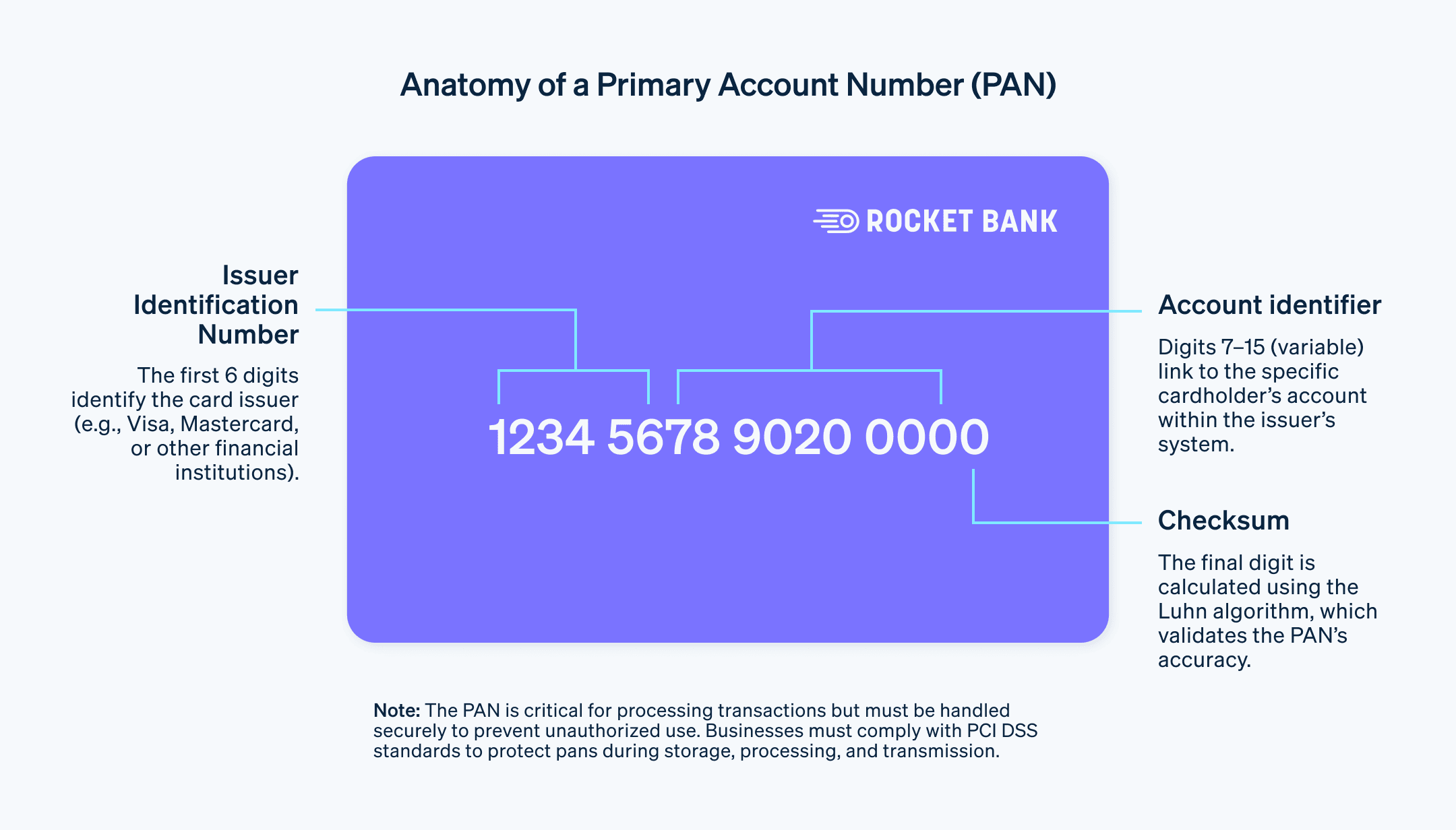
Yes, Google Pay uses tokenization as its primary security layer to ensure your actual credit or debit card information is never shared with merchants during a transaction. Instead of transmitting your raw Primary Account Number (PAN) when you tap your phone at a point-of-sale terminal or make an online purchase, the system generates a unique, temporary digital identifier known as a token.
Replacing primary account numbers
When you add a card to your Google Wallet, the app sends your card details to the card network, such as Visa or Mastercard. The network then creates a token—a surrogate value that acts as a mathematical substitute for your sensitive data. This token is stored within the secure element of your Android device.
Because this token is useless to hackers if intercepted, it effectively renders your actual card number invisible to the payment ecosystem. Even if a merchant’s database is breached, the attacker only gains access to the token, which cannot be reversed to reveal your original card information.
The role of the token service provider
The security architecture relies on a Token Service Provider (TSP), typically the card network or the issuing bank, to manage the lifecycle of these digital credentials. When you initiate a payment, Google Pay sends the token and a dynamic cryptogram to the merchant’s terminal. The merchant forwards this data to the payment processor, which then communicates with the TSP to validate the transaction.
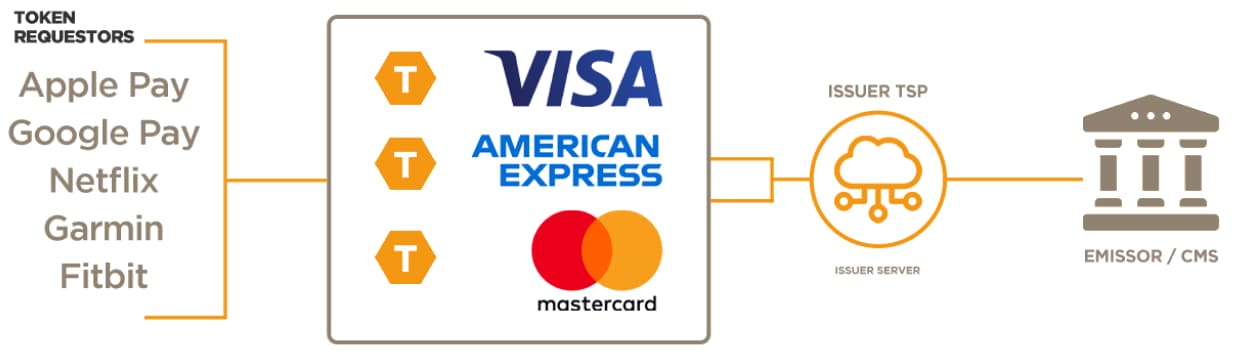
The TSP verifies that the token is legitimate and matches the specific device used for the purchase. Once verified, the TSP decrypts the token to identify the underlying account and authorizes the transaction with your bank. This multi-step verification happens in milliseconds, ensuring that your financial data remains shielded from unauthorized access while maintaining high-speed transaction processing.
Security benefits of using tokenization
Tokenization replaces your sensitive Primary Account Number (PAN) with a unique digital identifier known as a token. Because this token is mathematically linked to your device and specific merchant requirements, it renders stolen data useless to cybercriminals. If a database breach occurs at a retail location, the attackers only gain access to a worthless string of characters rather than your actual financial credentials.
Mitigating merchant-side data leaks
When you initiate a transaction via Google Pay, the merchant never sees or stores your physical credit card number. Instead, the payment terminal receives the payment token. Even if a merchant’s server is compromised by hackers, there is no card data to exfiltrate.
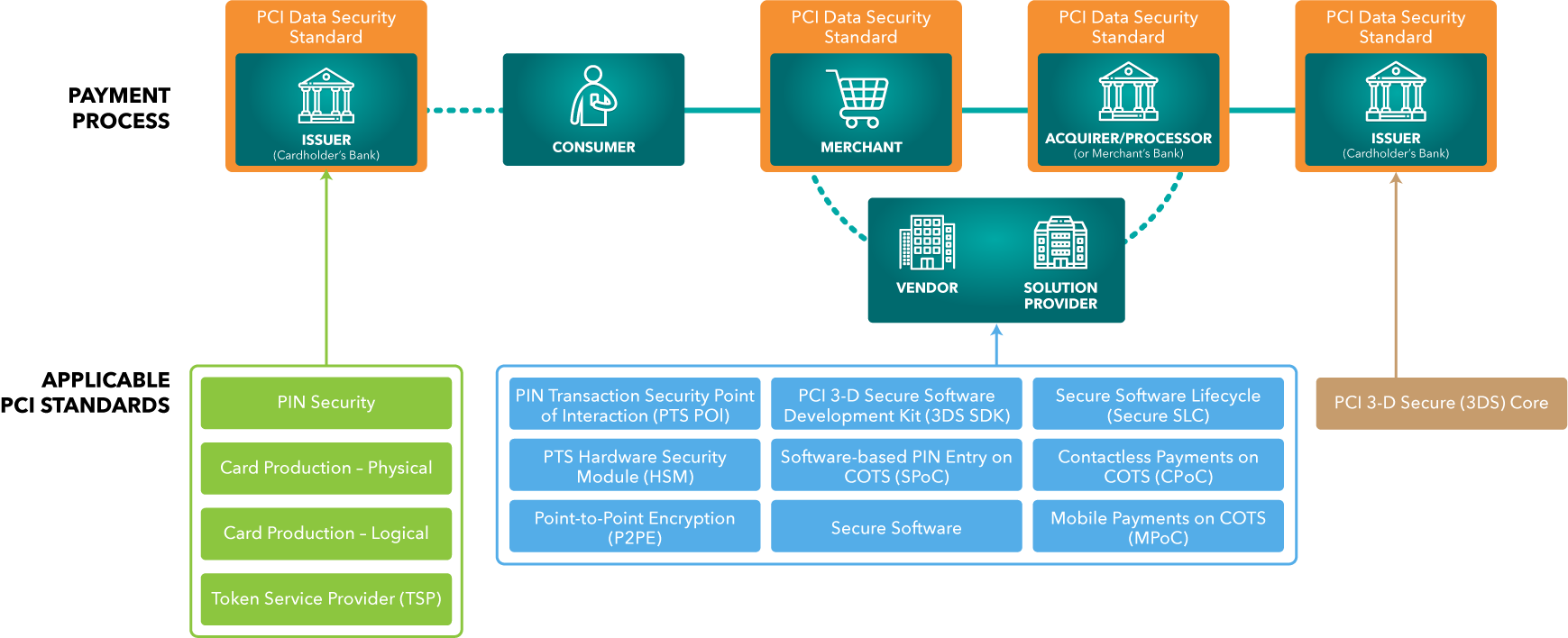
This architecture effectively removes the merchant from the scope of PCI DSS (Payment Card Industry Data Security Standard) compliance regarding cardholder data storage. They never possess the raw information required to conduct unauthorized transactions.
Dynamic security codes for every purchase
Beyond static tokenization, Google Pay employs a cryptogram-based system for every transaction. When you tap your phone at a terminal, the Google Pay app generates a one-time, unique cryptogram—essentially a dynamic security code—that accompanies the token. This cryptogram is valid for exactly one transaction.
If a malicious actor were to intercept the token and the cryptogram during transmission, they would be unable to reuse the data for a subsequent purchase. Because the payment network expects a fresh, unique cryptogram for every authorization request, any attempt to replay the intercepted data is immediately rejected by the bank’s fraud detection systems. This mechanism provides a robust defense against skimming and man-in-the-middle attacks that plague traditional magnetic stripe cards.
Limitations and transaction context
While tokenization provides a robust defense against data theft, it does not render a transaction immune to all risks. The primary limitation lies in the scope of the token; it is specific to the device and the merchant’s payment processor.
If a user loses their physical card, the token stored on their smartphone remains active until the card issuer cancels the underlying account. Tokenization secures the transmission of data, but it does not replace the need for vigilant account monitoring or the reporting of lost devices to financial institutions.
Distinction between NFC and online payments
Google Pay applies tokenization for contactless and online transactions consistently regardless of whether the transaction occurs at a physical point-of-sale or via an e-commerce checkout. When you tap your phone at an NFC-enabled terminal, the device transmits a unique token and a dynamic cryptogram—a one-time code valid only for that specific transaction. This ensures that even if a malicious actor intercepts the signal, the captured data is useless for future purchases.
In online environments, Google Pay utilizes the same infrastructure. When you select Google Pay at a web checkout, the service provides the merchant with a tokenized version of your card details. The merchant never sees or stores your actual Primary Account Number (PAN). This uniformity means that whether you are paying for a coffee in-store or buying electronics online, your sensitive financial data remains shielded from the merchant’s internal databases.
Device-level security requirements
Tokenization is only one half of the security equation; the other half is device-level authentication. Google Pay requires that your smartphone has a secure lock screen enabled—such as a PIN, pattern, password, or biometric verification like a fingerprint or facial recognition—before it allows any transaction to proceed. This creates a mandatory secondary defense layer. Just as users must understand which Binance app to use for secure mobile trading, they should ensure their payment apps are properly configured.
Even if a device is stolen, the token stored in the Secure Element (a dedicated, tamper-resistant chip on your phone) cannot be accessed or triggered without the user’s biometric or passcode credentials. This hardware-backed security ensures that the token remains dormant unless the authorized owner initiates the payment. Consequently, the reliance on device-level security is what makes Google Pay a significantly safer alternative to carrying physical plastic cards, which lack inherent authentication mechanisms.
Frequently Asked Questions
Tokenization coverage for Google Pay transactions
Yes, Google Pay utilizes tokenization for all contactless and online transactions made through the platform. By generating a unique token for each purchase, it ensures that your actual credit or debit card number remains encrypted and inaccessible to the merchant.
Merchant data breach protection
If a merchant’s database is compromised, your actual card details remain safe because the merchant only ever received the temporary, transaction-specific token, not your real card number. For those interested in how digital shifts impact services, it is worth noting how Google Podcasts is dead, signaling a broader trend in how tech giants consolidate their digital ecosystems.