
Core architecture and how Binance works as a centralized exchange: How Binance Works: A Beginner’s Guide to Trading & Features
Binance operates as a a centralized exchange (CEX) that functions as a high-frequency intermediary between buyers and sellers. Unlike decentralized platforms, Binance maintains an internal ledger system where trades are executed off-chain within its proprietary matching engine before being settled on the blockchain. For those looking to understand the underlying technology, demystifying blockchain concepts is a great starting point for any trader.
This architecture allows the platform to handle millions of transactions per second, providing the speed necessary for professional-grade day trading and institutional liquidity.
Order matching mechanics and liquidity provision
The core of the exchange is its high-performance matching engine, which continuously scans the order book to pair buy and sell orders. When a user places a limit order, it enters the order book, waiting for a counterparty to meet the specified price. Conversely, market orders interact directly with the existing liquidity, executing against the best available price currently listed by makers.
Binance utilizes a combination of internal market makers and external high-frequency trading firms to ensure tight spreads, even during periods of high market volatility. This liquidity provision ensures that large orders can be filled with minimal slippage, a critical factor for traders moving significant capital.
Asset custody and security protocols
Binance employs a multi-layered security framework to manage the custody of user assets. The majority of user funds are held in cold storage—offline wallets that are physically disconnected from the internet to prevent remote hacking attempts. For active trading, a fraction of assets is stored in hot wallets, protected by multi-signature authorization and real-time monitoring systems.
To mitigate the risk of catastrophic loss, the exchange maintains the Secure Asset Fund for Users (SAFU). This emergency insurance fund is funded by a percentage of trading fees and acts as a financial buffer to reimburse users in the event of a security breach. While the platform provides these safeguards, users are encouraged to utilize two-factor authentication (2FA) and whitelist withdrawal addresses to add a final layer of personal account defense.
Trading interface evolution for diverse user profiles
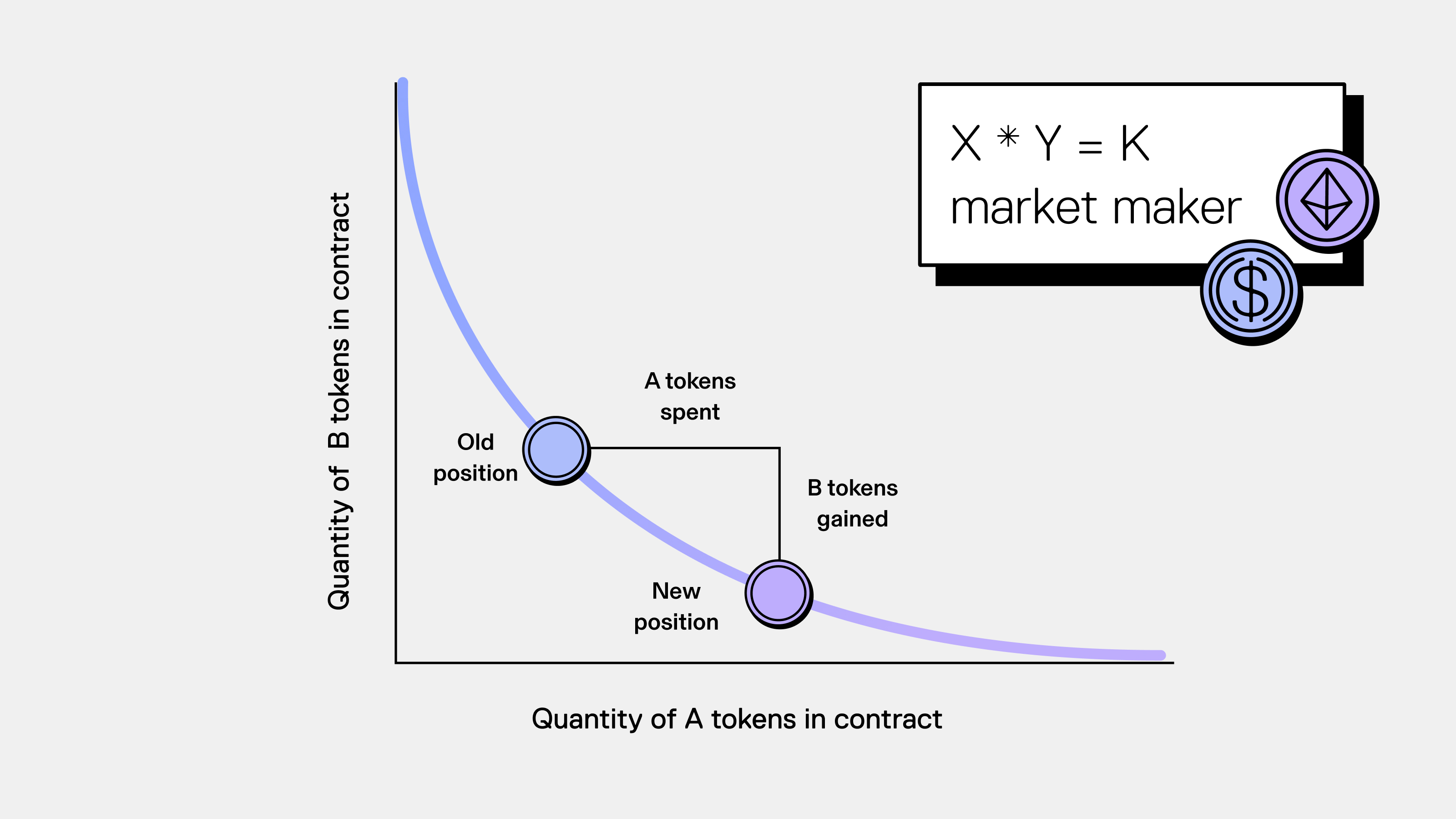
Binance has segmented its platform into distinct interfaces to cater to varying levels of technical proficiency. The ‘Convert’ feature serves as the entry point for retail users, utilizing a simplified automated market maker (AMM) model to execute trades instantly without navigating order books. For more experienced participants, the ‘Classic’ and ‘Advanced’ interfaces provide granular control, displaying real-time order books, depth charts, and historical trade feeds essential for technical analysis.
Spot market versus futures trading functionality
Understanding how Binance works requires a clear distinction between the spot market and the futures market. Spot trading involves the direct purchase or sale of digital assets, such as swapping USDT for BTC. When you execute a spot trade, the ownership of the underlying asset is transferred to your wallet immediately upon completion. This is the primary method for long-term holding, as there are no liquidation risks associated with price volatility beyond the asset’s actual value.
Conversely, futures trading on Binance operates through derivative contracts. Instead of holding the actual cryptocurrency, traders enter into agreements to buy or sell an asset at a predetermined price in the future. This mechanism allows for leverage, where users can control larger positions with a smaller amount of collateral, known as the ‘Initial Margin.’ While this amplifies potential gains, it introduces the risk of liquidation if the market moves against the position and the margin balance falls below the maintenance threshold.
The operational mechanics of these two systems differ significantly in their backend execution. Spot trades are matched through a centralized limit order book (CLOB) that prioritizes price and time priority. Futures contracts, however, rely on a ‘Mark Price’ mechanism to prevent market manipulation and unnecessary liquidations during periods of high volatility. This system uses a weighted average of spot prices from multiple major exchanges, ensuring that the contract price remains tethered to the global spot market value rather than being dictated solely by the liquidity on Binance’s own order books.
Impact of regulatory compliance on platform accessibility
Binance has transitioned from an unregulated global exchange to a strictly compliant entity, significantly altering how users interact with the platform. Regulatory frameworks, such as the Markets in Crypto-Assets (MiCA) regulation in Europe and local licensing requirements in jurisdictions like Singapore or Dubai, dictate the specific features available to residents. These mandates force the exchange to geofence certain products, such as high-leverage derivatives or specific staking services, based on the user’s verified residency.
Identity verification requirements and account tiers
Understanding How Binance Works: A Beginner’s Guide to Trading & Features requires a clear grasp of the Know Your Customer (KYC) process. Binance enforces a tiered verification system that acts as a gateway to platform liquidity and operational tools. Users who complete basic verification—typically involving a government-issued ID and a facial recognition scan—gain access to standard spot trading and basic fiat deposit limits.
Advanced trading features, such as Futures, Options, and Margin trading, are locked behind higher tiers of verification. This is not merely a bureaucratic hurdle; it is a legal requirement to combat money laundering and ensure tax compliance. When a user attempts to access these advanced tools, the platform automatically triggers a request for proof of address or additional financial disclosure. If a user fails to meet these requirements, the interface restricts access to high-risk products, limiting the account to basic spot-market transactions.
This tiered structure ensures that the exchange maintains its operational licenses while protecting its liquidity pools from illicit capital inflows. Beginners should prioritize completing full verification immediately upon registration to avoid sudden service interruptions during periods of high market volatility, as manual review processes can take several days depending on regional demand.
Ecosystem features beyond basic trading
While spot trading serves as the entry point for most users, the platform functions as a comprehensive financial suite. Understanding How Binance Works: A Beginner’s Guide to Trading & Features requires looking at how the exchange integrates liquidity management with auxiliary financial products. These tools allow users to move beyond simple buy-and-sell orders into active portfolio management. If you are new to the space, learning about crypto marketing for beginners can also provide valuable insights into how these projects build their initial user base.
Yield generation through Binance Earn and idle asset deployment
Binance Earn acts as a central hub for users to put stagnant digital assets to work. Instead of leaving tokens idle in a spot wallet, users can allocate them to various products that generate interest or rewards. The mechanism relies on the platform’s ability to utilize these assets for liquidity provision, staking, or lending protocols.

The primary options include:
- Simple Earn: This product offers flexible or locked subscription terms. Flexible savings allow for daily interest accrual with the ability to redeem assets at any time. Locked savings typically provide higher Annual Percentage Yield (APY) in exchange for committing funds for a set duration, such as 30, 60, or 90 days.
- Staking (Proof-of-Stake): For networks that utilize PoS consensus, the exchange aggregates user assets to participate in network validation. Users receive rewards proportional to their contribution, minus a small service fee retained by the platform for managing the technical infrastructure and slashing risks.
- Dual Investment: This is a more advanced, non-principal-protected product. It allows users to earn high yields by betting on the future price of an asset. If the market price moves in the predicted direction, the user receives the yield plus the principal. If the market moves against the prediction, the principal is converted into the alternative asset at the strike price.
These features function by pooling user capital, which the exchange then deploys into specific market-making activities or decentralized finance (DeFi) protocols. By centralizing these complex operations, the platform lowers the barrier to entry for retail participants who might otherwise struggle to manage the technical complexities of self-custody staking or liquidity provision on decentralized exchanges.
Risk management in a high-volatility environment
Trading on Binance requires a disciplined approach to capital preservation, especially given the rapid price fluctuations inherent in crypto markets. Because the platform operates 24/7, manual monitoring is often insufficient to mitigate sudden flash crashes or liquidity spikes. Traders must leverage the platform’s built-in order management tools to enforce risk parameters before entering a position.
Stop-loss and take-profit automation for capital protection
The most effective way to manage risk on Binance is through the use of OCO (One-Cancels-the-Other) orders and Stop-Limit triggers. An OCO order allows you to place two orders simultaneously: a limit order to take profit and a stop-limit order to cut losses. If one order is triggered, the other is automatically canceled, providing a safety net that functions without requiring constant screen time.
When configuring a stop-loss, you must define two price points: the Stop price, which acts as the trigger, and the Limit price, which is the specific price at which your order enters the order book. In highly volatile markets, setting the Limit price slightly below the Stop price (for sell orders) increases the probability of your order being filled if the price drops rapidly. Relying solely on market orders during high volatility can lead to significant slippage, where your trade executes at a price far worse than intended.
Beyond automated orders, users should implement position sizing based on their total portfolio equity. A common professional standard is to risk no more than 1-2% of total capital on any single trade. Binance provides a Trade History and Order History dashboard that allows you to audit your past performance and adjust your risk-to-reward ratios. By treating these features as essential operational tools rather than optional add-ons, you align your strategy with the mechanics of how Binance works to ensure long-term sustainability in a decentralized trading environment.
Frequently Asked Questions
Liquidity maintenance strategies during high volatility
Binance utilizes a combination of high-frequency matching engines, internal market makers, and institutional liquidity providers to ensure that buy and sell orders are filled even during periods of extreme market stress.
Role of the matching engine in platform trading features
The matching engine is the core software component that processes incoming orders, matches buyers with sellers based on price and time priority, and updates the order book in real-time to reflect current market depth.
- Operational assessment of Binance: The ultimate guide to the world’s largest crypto exchange
- Is Binance Legal & Regulated? Country-Specific Status and regulatory assessment
- Binance security measures and user trust assessment for institutional and retail capital
- Strategic optimization of Binance fees explained: trading, withdrawal, and deposit costs