
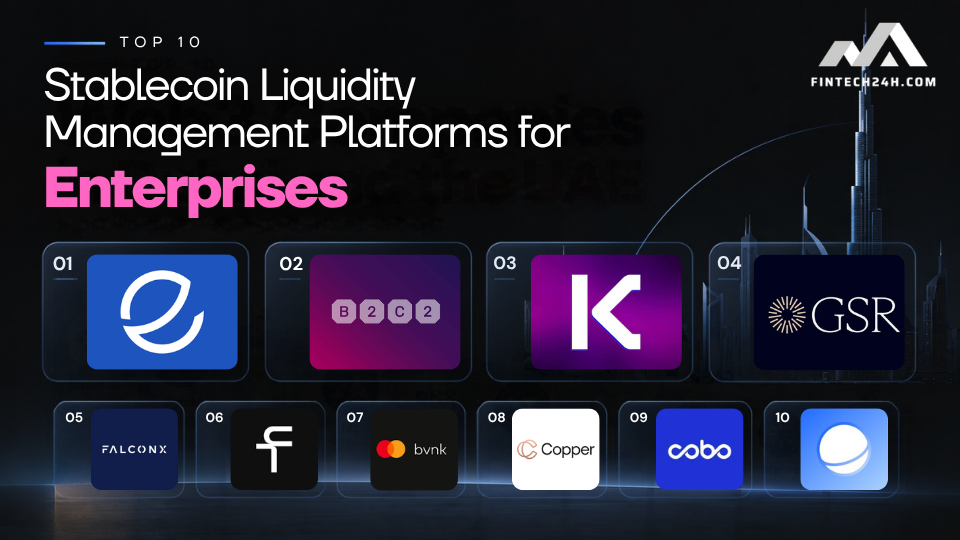
The top 10 stablecoin liquidity management platforms for enterprises provide the essential infrastructure to maintain digital dollar liquidity, execute large-scale transactions, and streamline treasury operations without relying solely on public exchange order books. As businesses increasingly adopt assets like USDC and USDT, these platforms offer specialized solutions for fintech companies, payment providers, and institutions operating across global markets.
However, not every provider solves the same problem. Some specialize in institutional over-the-counter (OTC) trading and market making, while others focus on stablecoin payment infrastructure, cross-chain settlement, custody, or automated treasury workflows. Choosing the right solution requires understanding which part of the liquidity process creates the greatest operational challenge.
This guide explores 10 stablecoin liquidity management platforms and providers worth evaluating for enterprise use. The selection covers established crypto-native liquidity firms and specialized infrastructure companies rather than attempting to rank every provider as a direct competitor. Each profile highlights its primary capabilities, potential enterprise applications, and considerations for prospective clients.
What Is Stablecoin Liquidity Management?
Stablecoin liquidity management refers to the processes and infrastructure businesses use to obtain, hold, convert, transfer, and settle stablecoins efficiently. Its objective is to ensure that funds are available where and when they are needed while controlling transaction costs, settlement delays, operational risks, and counterparty exposure.
For enterprises, stablecoin liquidity management can involve several interconnected activities:
-
Liquidity sourcing: Accessing sufficient USDC, USDT, and other supported digital assets through institutional counterparties or trading venues, often involving crypto liquidity providers.
-
Execution and market making: Obtaining competitive prices for large transactions while managing spreads and potential market impact.
-
Treasury operations: Monitoring balances, managing liquidity across wallets and networks, and coordinating incoming and outgoing payments.
-
Cross-chain settlement: Moving assets between supported blockchain networks while accounting for transfer costs, settlement finality, and bridge-related risks.
-
Risk and reconciliation: Maintaining transaction records, enforcing approval policies, and monitoring counterparty, custody, and operational exposure.
The best solution depends on whether a company primarily needs deeper trading liquidity, more efficient payment flows, or better control over its stablecoin treasury. For those looking to scale their operations, exploring digital lending platform development can be a strategic move.
Top 10 Stablecoin Liquidity Management Platforms for Enterprises
1. Eco
Eco focuses on stablecoin payment infrastructure and transaction orchestration, helping businesses coordinate digital dollar transfers across blockchain networks and payment flows. Its approach is relevant to enterprises that need to move stablecoins between counterparties without building every settlement component independently.
For liquidity management, Eco is particularly interesting when the challenge extends beyond obtaining a competitive trading quote to delivering funds reliably across different networks. Its infrastructure is designed around payment execution, routing, and settlement workflows, making it relevant to businesses coordinating stablecoin transfers across multiple blockchain environments.
Key capabilities and considerations:
-
Stablecoin payment and settlement orchestration.
-
Cross-chain transaction routing through supported infrastructure.
-
Enterprise-oriented payment workflows and transaction records.
-
Potential integration into applications that require stablecoin transfers.
Best for: Fintech platforms and enterprises that prioritize stablecoin payment orchestration and cross-chain settlement.
Consideration: Businesses should verify supported networks, routing options, settlement guarantees, integration requirements, and the exact responsibilities assigned to each liquidity or infrastructure provider.
2. B2C2
B2C2 is an institutional digital asset liquidity provider specializing in OTC trading and electronic execution. Its institutional focus makes it relevant to businesses that need to exchange significant amounts of digital assets without relying exclusively on publicly visible exchange liquidity.
For enterprises managing stablecoin positions, OTC liquidity can help facilitate large conversions between supported assets or currencies. Rather than executing an entire transaction against a public order book, an institution can request a quote and evaluate the proposed execution terms before proceeding.
B2C2 is therefore more directly relevant to institutional trading and liquidity sourcing than to day-to-day corporate accounting or automated treasury dashboards.
Key capabilities and considerations:
-
Institutional OTC trading and electronic execution.
-
Liquidity access for supported digital asset pairs.
-
Execution workflows designed for professional counterparties.
-
Potentially more suitable pricing arrangements for large transactions, subject to quotes and market conditions.
Best for: Digital asset firms, trading businesses, and institutions requiring professional OTC liquidity.
Consideration: Enterprises should assess minimum transaction sizes, supported stablecoin pairs, settlement arrangements, counterparty exposure, and pricing transparency before establishing a trading relationship.
3. Keyrock
Keyrock is a digital asset market maker and liquidity provider serving cryptocurrency projects and institutional participants. Its market-making expertise makes it relevant to businesses that need consistent trading liquidity for supported digital assets, including stablecoin-related markets where its services are available.
Market making and treasury management are different functions, but they can complement each other. A business launching a digital asset, operating a trading venue, or managing liquidity across multiple markets may require a market maker to help support orderly trading conditions. Keyrock’s broader digital asset market-making capabilities make it worth considering for these use cases.
Key capabilities and considerations:
-
Digital asset market making across supported markets.
-
Liquidity provision for eligible token projects and trading venues.
-
Institutional trading and OTC-related services.
-
Market-specific liquidity arrangements negotiated according to the engagement.
Best for: Digital asset issuers, exchanges, and businesses seeking professional market-making support.
Consideration: Market-making services do not automatically provide stablecoin treasury automation, guaranteed liquidity, or direct issuer redemption. Enterprises should confirm the stablecoin pairs, venues, contractual obligations, and liquidity targets covered by a proposed engagement.
4. GSR
GSR is an institutional digital asset trading and liquidity firm offering services that include market making, OTC trading, and derivatives-related solutions. Its broad trading expertise makes it relevant to organizations that need liquidity access across digital asset markets rather than a standalone tool for tracking treasury balances.

Stablecoin liquidity often supports several activities simultaneously, including converting between digital assets, managing collateral, and settling trading positions. An institutional liquidity provider can help businesses execute these transactions, depending on the available products and agreed terms.
GSR is particularly worth evaluating when liquidity requirements form part of a larger institutional trading strategy.
Key capabilities and considerations:
-
Institutional digital asset trading and OTC execution.
-
Market-making services for eligible digital assets.
-
Derivatives-related capabilities for supported institutional use cases.
-
Liquidity arrangements tailored to market and counterparty requirements.
Best for: Institutional trading firms, digital asset projects, and businesses with sophisticated liquidity requirements.
Consideration: Enterprises should establish whether the provider supports their specific stablecoin pairs, transaction sizes, jurisdictions, and settlement requirements. Market-making availability should not be interpreted as a guarantee of continuous liquidity in every market.
5. FalconX
FalconX provides institutional digital asset trading and prime brokerage services. Its institutional focus makes it relevant to organizations seeking a coordinated approach to execution and liquidity access across digital asset markets.
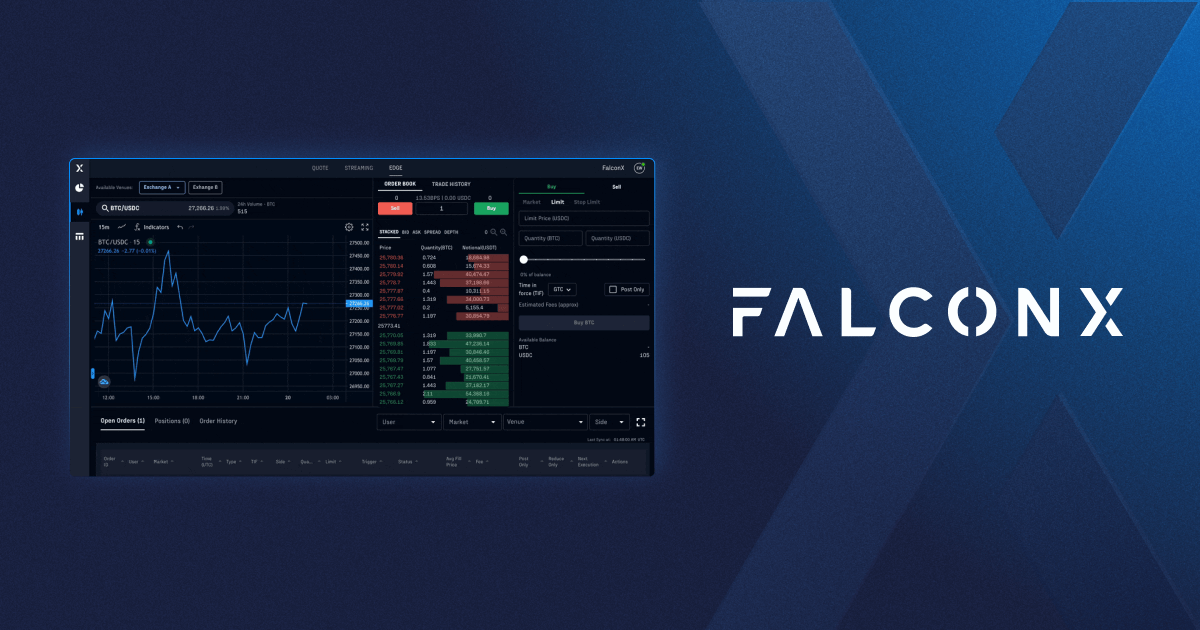
For businesses holding stablecoins as trading capital or using them to settle transactions, the ability to access institutional trading services can help simplify parts of the execution process. Depending on the client’s eligibility and contracted services, a prime brokerage relationship may also support broader trading and operational requirements.
FalconX is therefore worth examining when stablecoin liquidity is closely connected to institutional trading, portfolio operations, or multi-venue execution.
Key capabilities and considerations:
-
Institutional digital asset trading and execution.
-
OTC and liquidity access for eligible clients.
-
Prime brokerage services for supported institutional workflows.
-
Potential integration with broader digital asset trading operations.
Best for: Institutional investors, trading firms, and digital asset businesses that need professional execution services.
Consideration: Prime brokerage should not be confused with a fully automated stablecoin treasury platform. Buyers should separately evaluate custody arrangements, supported assets, settlement networks, financing terms, and reporting capabilities.
6. Flowdesk
Flowdesk is a digital asset financial technology company specializing in market making, OTC trading, and liquidity solutions. Its services are relevant to projects and institutions that need structured liquidity support across digital asset markets.
For stablecoin-related businesses, Flowdesk may be worth considering when liquidity requirements involve supporting token markets, facilitating professional trading, or coordinating execution across supported venues. Its broader market-making focus distinguishes it from providers primarily designed for corporate payment processing or treasury reconciliation.
Enterprises should evaluate Flowdesk according to the specific liquidity outcomes they need rather than assuming every service covers stablecoin management end to end.
Key capabilities and considerations:
-
Digital asset market-making services.
-
OTC trading and execution-related capabilities.
-
Liquidity solutions for eligible projects and institutional clients.
-
Market-specific arrangements tailored to client requirements.
Best for: Token projects, digital asset businesses, and organizations seeking market-making or institutional liquidity services.
Consideration: Confirm whether the proposed engagement directly covers the relevant stablecoin pairs and trading venues. Businesses needing automated treasury transfers may require complementary infrastructure.
7. BVNK
BVNK provides stablecoin and fiat payment infrastructure for businesses. Its enterprise-oriented services address the movement of money between traditional financial systems and digital asset networks, making it relevant to companies managing stablecoin balances as part of payment and settlement operations.
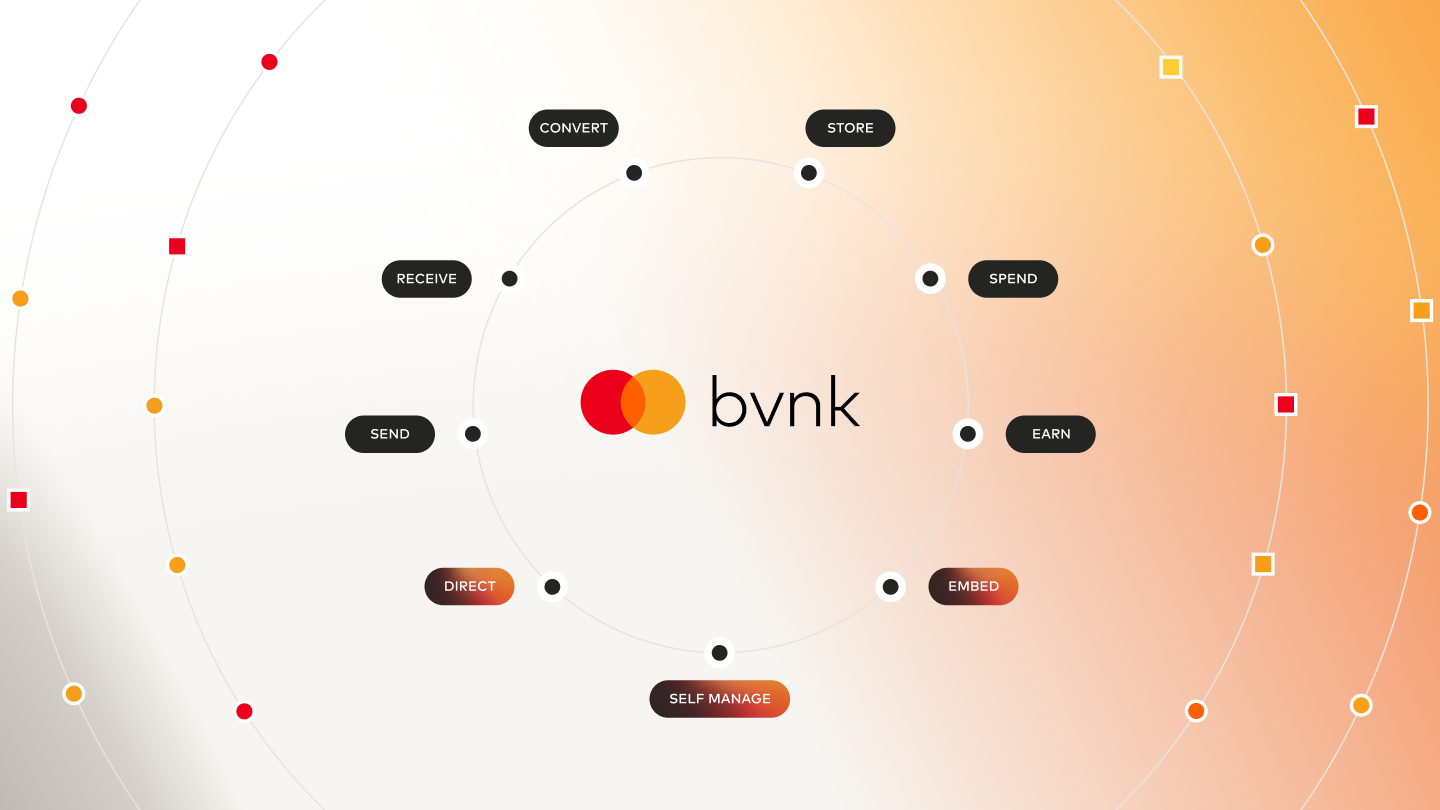
Unlike a pure market maker, BVNK focuses on business financial workflows. These may include receiving funds, converting between supported fiat currencies and stablecoins, and making payments through supported rails. Such capabilities can help businesses coordinate liquidity around actual payment obligations.
For enterprises, this distinction matters because sufficient liquidity is not only about obtaining a competitive price; it is also about ensuring funds can reach the right destination at the required time.
Key capabilities and considerations:
-
Stablecoin and fiat payment infrastructure.
-
Business-oriented conversion and payout workflows.
-
Support for eligible cross-border payment use cases.
-
Integration options for companies embedding stablecoin functionality into financial operations.
Best for: Fintech companies, international businesses, and payment providers managing stablecoin-based payment flows.
Consideration: Supported currencies, geographic coverage, conversion fees, settlement times, and licensing arrangements can vary by service and jurisdiction. Buyers should also distinguish payment infrastructure from dedicated OTC liquidity provision.
8. Copper
Copper is an institutional digital asset infrastructure provider known for custody and its ClearLoop off-exchange settlement network. Its approach is relevant to firms that trade across participating venues but want to manage counterparty and asset-transfer exposure more carefully.

Off-exchange settlement can help eligible institutions keep assets within the designated custody arrangement while trading through connected venues, subject to the relevant agreements and operational setup. This is particularly useful when liquidity management involves collateral allocation, exchange exposure, and frequent transfers between trading counterparties.
Copper is not a substitute for every treasury management function, but its settlement infrastructure can form an important component of an institutional liquidity strategy.
Key capabilities and considerations:
-
Institutional digital asset custody.
-
ClearLoop off-exchange settlement for participating venues and eligible clients.
-
Infrastructure supporting institutional trading workflows.
-
Potential to reduce the need to pre-fund individual exchanges, depending on the arrangement.
Best for: Institutional traders and digital asset firms seeking custody-linked settlement infrastructure.
Consideration: Enterprises should review participating venues, eligible assets, collateral requirements, custody terms, and settlement conditions. Off-exchange settlement does not eliminate every form of counterparty or operational risk.
9. Cobo
Cobo provides digital asset custody and wallet infrastructure, including technology for managing digital assets across supported blockchain networks. Its relevance to stablecoin liquidity management comes from the operational layer: enterprises need secure, controlled ways to hold and transfer funds before those funds can be deployed for payments, trading, or settlement.
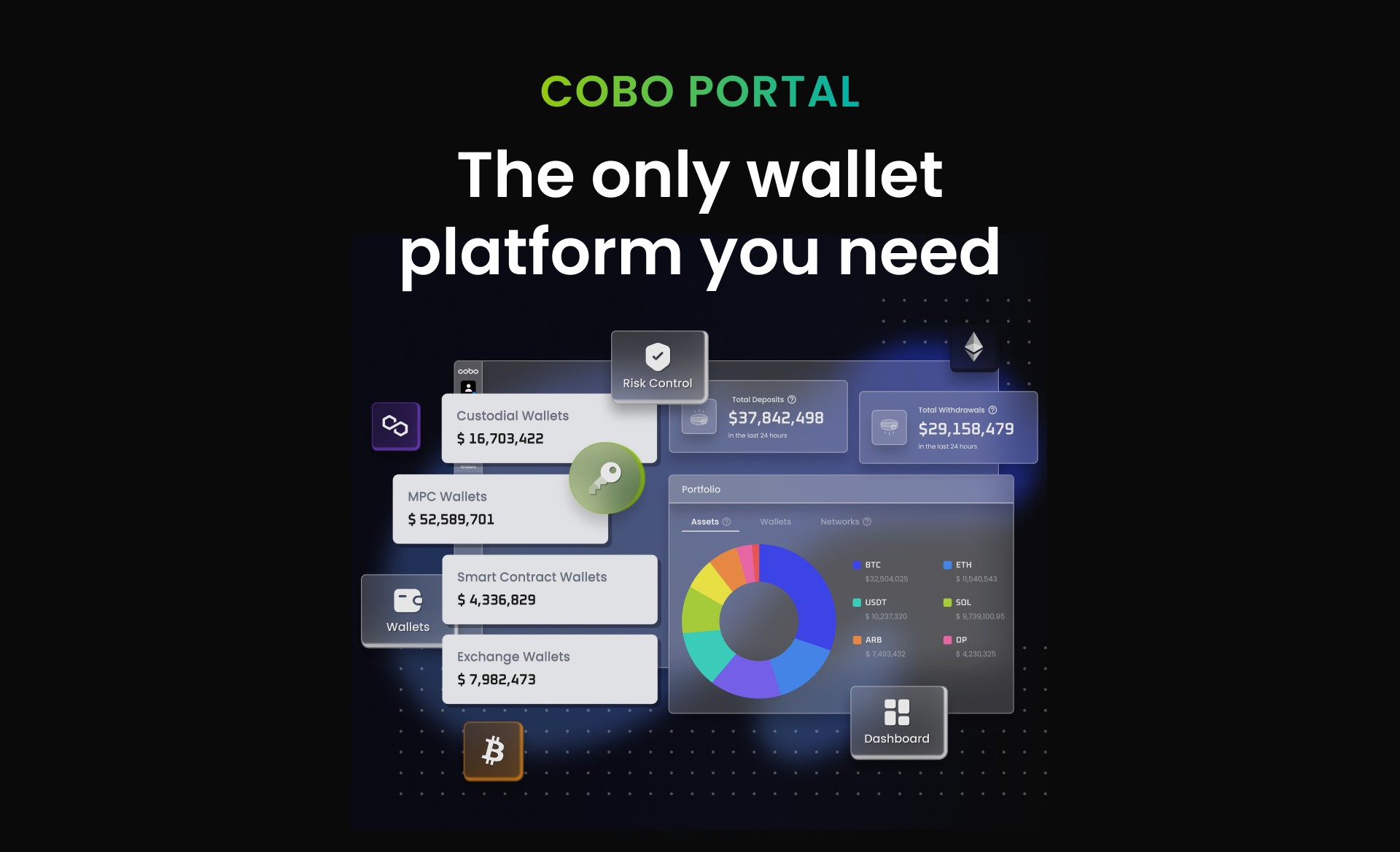
Wallet infrastructure can help organizations establish approval workflows, manage transaction permissions, and coordinate transfers across multiple blockchain environments. These capabilities are especially relevant to exchanges, fintech businesses, and digital asset companies operating with several treasury wallets.
Cobo is therefore best assessed as a custody and operational infrastructure provider rather than a direct replacement for an institutional OTC desk.
Key capabilities and considerations:
-
Digital asset custody and wallet infrastructure.
-
Multi-chain asset management, subject to supported networks.
-
Transaction controls and configurable operational workflows.
-
Infrastructure for businesses handling stablecoins and other digital assets.
Best for: Exchanges, fintech platforms, and enterprises requiring structured custody and wallet operations.
Consideration: Confirm stablecoin and network support, signing architecture, transaction approval controls, recovery procedures, and integration with accounting or treasury systems.
10. Sphere
Sphere focuses on stablecoin payment infrastructure, with capabilities relevant to businesses coordinating digital dollar transfers and cross-border financial flows. It is worth evaluating for organizations that want to integrate stablecoin transactions into existing applications instead of building the complete payment stack themselves.

For liquidity management, a payment infrastructure provider can help coordinate the movement of funds between customers, business wallets, and settlement destinations. Depending on the product configuration, this can reduce the amount of manual work required to handle recurring payment operations.
Sphere is most relevant when the enterprise’s core requirement is stablecoin-enabled payments and operational efficiency, rather than market making or large-block trading.
Key capabilities and considerations:
-
Stablecoin payment infrastructure for business applications.
-
Support for eligible payment and settlement workflows.
-
Integration-oriented services for fintech and financial technology products.
-
Potential to simplify stablecoin movement across supported transaction flows.
Best for: Fintech companies and businesses embedding stablecoin payments into their products or operations.
Consideration: Enterprises should verify current network coverage, automated treasury functions, available fiat rails, custody responsibilities, and transaction-level reporting before selecting a solution.
How to Choose the Right Stablecoin Liquidity Management Platform
Selecting a platform should begin with the enterprise’s operational requirements, not simply the number of supported tokens or blockchain networks. A provider that excels at OTC execution may be unsuitable for a company that primarily needs automated supplier payments, while a payment infrastructure platform may not offer the depth required for large institutional trades.
Before making a decision, consider the following factors:
1. Liquidity access and execution quality. Determine whether you need direct issuer access, OTC quotes, market making, exchange connectivity, or cross-chain routing. Evaluate pricing, spreads, execution reliability, and the ability to handle your expected transaction sizes, which often requires a platform comparison.
2. Stablecoin and blockchain coverage. Confirm support for the specific assets and networks your business uses, including crypto-backed stablecoins. The same stablecoin ticker can exist on multiple chains, and the availability of a token does not necessarily mean that deposits, withdrawals, or transfers are supported everywhere.
3. Settlement speed and reliability. Assess settlement cut-off times, blockchain confirmation requirements, transfer dependencies, and contingency procedures. Fast settlement is valuable, but it should not come at the expense of appropriate controls.
4. Security and counterparty risk. Review custody arrangements, key management, transaction approvals, segregation of assets where applicable, counterparty exposure, and incident response processes. Modern solutions often incorporate AI Security Tools. A provider’s security certification or regulatory status should be evaluated in the context of the exact service being purchased.
5. Compliance and jurisdictional coverage. Verify applicable licensing, customer due diligence requirements, sanctions screening responsibilities, transaction monitoring, and geographic restrictions. The responsibilities of the platform and its customers should be documented clearly.
6. Integration and reporting. Consider API quality, reconciliation exports, audit trails, accounting compatibility, and integration with existing finance systems. An otherwise capable platform can create additional work if its records do not fit the enterprise’s reporting processes.
7. Pricing and commercial terms. Compare transaction fees, quoted spreads, custody charges, network costs, minimum volumes, subscription fees, and contractual commitments. Request a complete cost breakdown for representative transactions rather than comparing headline prices alone.
Frequently Asked Questions
1. What are stablecoin liquidity management platforms?
Stablecoin liquidity management platforms are services and infrastructure tools that help businesses source, hold, convert, transfer, and settle stablecoins efficiently. Depending on the provider, they may include institutional OTC trading, market making, payment orchestration, custody, or treasury automation. For those focused on security, understanding what is AI Security Posture Management is increasingly vital.
2. How do enterprises benefit from stablecoin liquidity management?
Enterprises may benefit from more efficient digital asset execution, improved visibility into stablecoin balances, faster cross-border settlement, and more structured treasury operations. Actual benefits depend on the provider, transaction type, supported jurisdictions, and the company’s existing financial infrastructure.
3. What is the difference between a stablecoin liquidity provider and a treasury management platform?
A stablecoin liquidity provider primarily helps businesses obtain or trade digital assets, often through market making or OTC execution. A treasury management platform focuses more on holding and allocating balances, coordinating transfers, enforcing operational controls, and reconciling transactions. Some providers combine multiple functions, but the categories are not interchangeable.
4. Are stablecoin liquidity management platforms suitable for small businesses?
Some payment infrastructure and API-based solutions may be suitable for smaller fintech companies or growing businesses, while institutional OTC desks and custody networks may impose minimum volumes, eligibility requirements, or more extensive onboarding. Businesses should compare total costs, integration complexity, and compliance obligations against their actual transaction needs.
5. What risks should enterprises consider when managing stablecoin liquidity?
Key risks include stablecoin depegging, issuer and redemption risk, smart contract vulnerabilities, bridge and network failures, custody incidents, counterparty default, regulatory changes, and insufficient liquidity during market stress. Businesses should establish risk limits, maintain contingency arrangements, and avoid treating a stablecoin’s target price as a guarantee of uninterrupted redemption at par. For those handling cross-platform assets, it is crucial to stay informed about security risks in cross-platform wallet transactions.