
Market positioning of best Binance alternatives: Top crypto exchanges compared
High-frequency traders (HFT) and institutional-grade participants are increasingly migrating toward platforms that prioritize regulatory transparency and deep liquidity over sheer volume metrics. When evaluating the best Binance alternatives: top Crypto exchanges compared, the focus shifts from promotional incentives to the underlying infrastructure that supports rapid order execution and legal stability. If you are still exploring the ecosystem, you can learn more about the world’s largest crypto exchange to understand the baseline features you are moving away from.
Regulatory compliance as a primary selection filter
For professional traders, jurisdictional risk is the most significant threat to capital continuity. Exchanges like Coinbase and Kraken have prioritized obtaining BitLicense status in New York and VASP registrations across the European Union.
Unlike offshore-heavy venues, these platforms operate under strict oversight, which mandates the segregation of client assets and regular third-party audits. When selecting an alternative, traders should verify if the exchange holds a license from the FCA (UK), BaFin (Germany), or is registered as a Money Services Business (MSB) with FinCEN in the United States. This regulatory layer acts as a safeguard against sudden platform freezes or regional service terminations. You can check the status of regulatory compliance across different regions to ensure your new platform meets your local legal requirements.
Liquidity depth and slippage analysis
Execution efficiency is defined by the ability to fill large orders without moving the market price significantly. Kraken remains a top choice for HFTs due to its robust API connectivity and deep order books in major pairs like BTC/USD and ETH/USD. Its matching engine is designed to handle high throughput, minimizing the latency between order placement and execution.
Conversely, Coinbase Advanced provides a streamlined interface for retail-to-pro transitions, though its institutional arm, Coinbase Prime, offers superior dark pool liquidity for large-block trades. Bybit has emerged as a formidable competitor by offering aggressive maker-taker fee structures and high-leverage derivatives liquidity, which often results in tighter spreads during periods of high volatility. Traders must monitor the bid-ask spread and order book density during peak market hours to determine which platform offers the lowest slippage for their specific volume requirements.
Institutional-grade security and custody mechanisms
High-frequency traders prioritize platforms that integrate robust custody solutions and multi-layered security architectures. When migrating assets, the focus shifts from simple wallet interfaces to institutional-grade infrastructure, including hardware security modules (HSMs) and multi-party computation (MPC) technology. These mechanisms ensure that private keys are never exposed in a single location, mitigating the risk of catastrophic platform-wide breaches. Always prioritize platforms with proven security measures and user trust to protect your capital.

Cold storage protocols and proof-of-reserves: audit frequency and transparency comparisons
Transparency regarding asset backing is a non-negotiable requirement for professional traders. Exchanges like Kraken and Coinbase have set industry standards by providing regular, Cryptographically verifiable proof-of-reserves (PoR). Kraken, for instance, utilizes a Merkle tree-based audit conducted by third-party firms such as Armanino or independent security auditors to verify that client balances are fully backed by on-chain assets.
When evaluating the Best Binance Alternatives: Top Crypto Exchanges Compared, traders should examine the frequency of these audits. While Binance publishes its own PoR data, competitors like Coinbase (a publicly traded company on the NASDAQ) are subject to rigorous SEC-mandated financial disclosures and quarterly audits. This regulatory oversight provides a layer of institutional accountability that private exchanges often lack.
Key security metrics to compare include:
- Insurance coverage: Coinbase maintains a crime insurance policy to protect a portion of digital assets held in their hot storage systems against breaches.
- Offline storage ratios: Leading alternatives typically hold over 95% of customer funds in air-gapped cold storage, ensuring that even a sophisticated cyberattack on the exchange’s web servers cannot compromise the majority of user capital.
- Withdrawal whitelisting: Professional platforms allow users to implement time-locked withdrawal addresses, preventing unauthorized transfers even if account credentials are compromised.
For high-frequency strategies, the trade-off often involves balancing security latency with execution speed. While cold storage protocols add a layer of safety, they can introduce delays in moving capital between sub-accounts. Traders must verify that their chosen alternative offers ‘sub-account’ structures that allow for isolated risk management without sacrificing the ability to rebalance portfolios rapidly across different liquidity pools.
Fee structures and capital efficiency for active traders
For high-frequency traders, the difference between a profitable strategy and a net loss often lies in the fee schedule. While Binance historically dominated due to low base rates, competitors like Bybit, OKX, and Kraken have introduced aggressive tiered structures that prioritize capital efficiency for high-volume participants.
When evaluating the Best Binance Alternatives: Top Crypto Exchanges Compared, you must look beyond the advertised maker/taker fees and analyze the effective cost after accounting for rebates and liquidity provider incentives. Understanding the nuances of trading fees is essential for maintaining your margins.
Impact of volume-based rebates on net profitability
High-frequency trading (HFT) relies on capturing small price inefficiencies. If your trading volume exceeds $10 million in a 30-day window, most premium exchanges shift you into a VIP tier where maker orders receive a rebate rather than a fee. For instance, on Bybit, top-tier market makers can earn a negative fee (rebate) that effectively subsidizes their operational costs. To calculate your break-even point, use the following formula: (Total Trading Volume × Fee Rate) – (Maker Rebates) = Net Execution Cost.
When comparing platforms, consider these critical factors:
- Maker/Taker Spread: Some exchanges offer lower taker fees but higher maker fees, which penalizes liquidity providers. Ensure the platform aligns with your specific strategy, whether it is market-making or aggressive order-flow execution.
- API Latency and Execution Speed: A low-fee exchange is useless if high latency results in slippage. Platforms like Kraken Pro offer dedicated WebSocket connections that minimize the time between order submission and matching engine confirmation.
- Capital Requirements for Tiers: Check the minimum asset balance required to maintain VIP status. Some exchanges allow you to qualify based solely on 30-day volume, while others require a combination of volume and a minimum daily balance of native tokens or stablecoins.
Always perform a back-test of your strategy using the specific fee schedule of your target exchange. A strategy that yields a 0.05% profit per trade on Binance may turn into a loss on a platform with higher taker fees, even if the user interface or liquidity depth appears identical. Prioritize exchanges that offer transparent, API-accessible fee reports to automate your profit-and-loss tracking.
Platform-specific utility and ecosystem integration
Transitioning from Binance requires evaluating how an exchange fits into your existing tech stack. High-frequency traders (HFT) often rely on proprietary bots or third-party terminal software like Hummingbot or HaasOnline. When selecting among the best Binance alternatives: top Crypto exchanges compared, the depth of the exchange’s ecosystem—specifically its liquidity aggregation and integration with institutional-grade tools—is paramount.
API latency and developer support
For algorithmic strategies, API performance is the primary differentiator. Binance historically offered sub-50ms latency for websocket connections. When migrating to alternatives like Bybit or OKX, you must benchmark their websocket throughput under load. Bybit, for instance, utilizes a unified trading account (UTA) structure that allows for faster margin calculations, which can reduce the overhead on your execution logic.
Technical evaluation criteria for your new exchange should include:
- Websocket Rate Limits: Check if the exchange allows multiple concurrent streams for order book snapshots versus private account updates. Exchanges like Kraken Pro offer robust websocket feeds that are highly stable for high-frequency data ingestion.
- FIX Protocol Availability: If you are moving from a retail-focused setup to institutional-grade execution, look for exchanges that support the Financial Information eXchange (FIX) protocol. This bypasses standard REST API limitations, providing a direct, low-latency pipe to the matching engine.
- SDK Maintenance: Evaluate the official GitHub repositories for the exchange. A well-maintained Python or C++ SDK indicates that the exchange prioritizes developer experience. Avoid platforms where the last commit to the public API wrapper was over six months ago, as this often signals a lack of support for new endpoint features.
Beyond raw speed, consider the ecosystem’s support for sub-accounts. Managing risk across multiple strategies is easier when the exchange provides granular API key permissions and distinct sub-account balances. This isolation prevents a bug in one trading bot from draining the capital allocated to your entire portfolio, a critical safety feature for any professional trading operation.
Risk mitigation during exchange migration
Moving high-frequency trading capital requires a structured approach to prevent liquidity gaps and minimize slippage. Before initiating transfers, verify that your target exchange supports the specific trading pairs and order types required for your strategy. Always conduct a test transaction with a nominal amount to confirm address compatibility and network routing before moving significant liquidity.
Execution strategies for large-scale asset transfers
Managing withdrawal limits and network fee optimization is critical when shifting substantial portfolios. Most Tier-1 exchanges impose tiered withdrawal limits based on your KYC verification level. If you are moving assets exceeding these thresholds, contact the exchange support desk in advance to request a temporary limit increase, providing documentation of your trading volume to expedite the process.
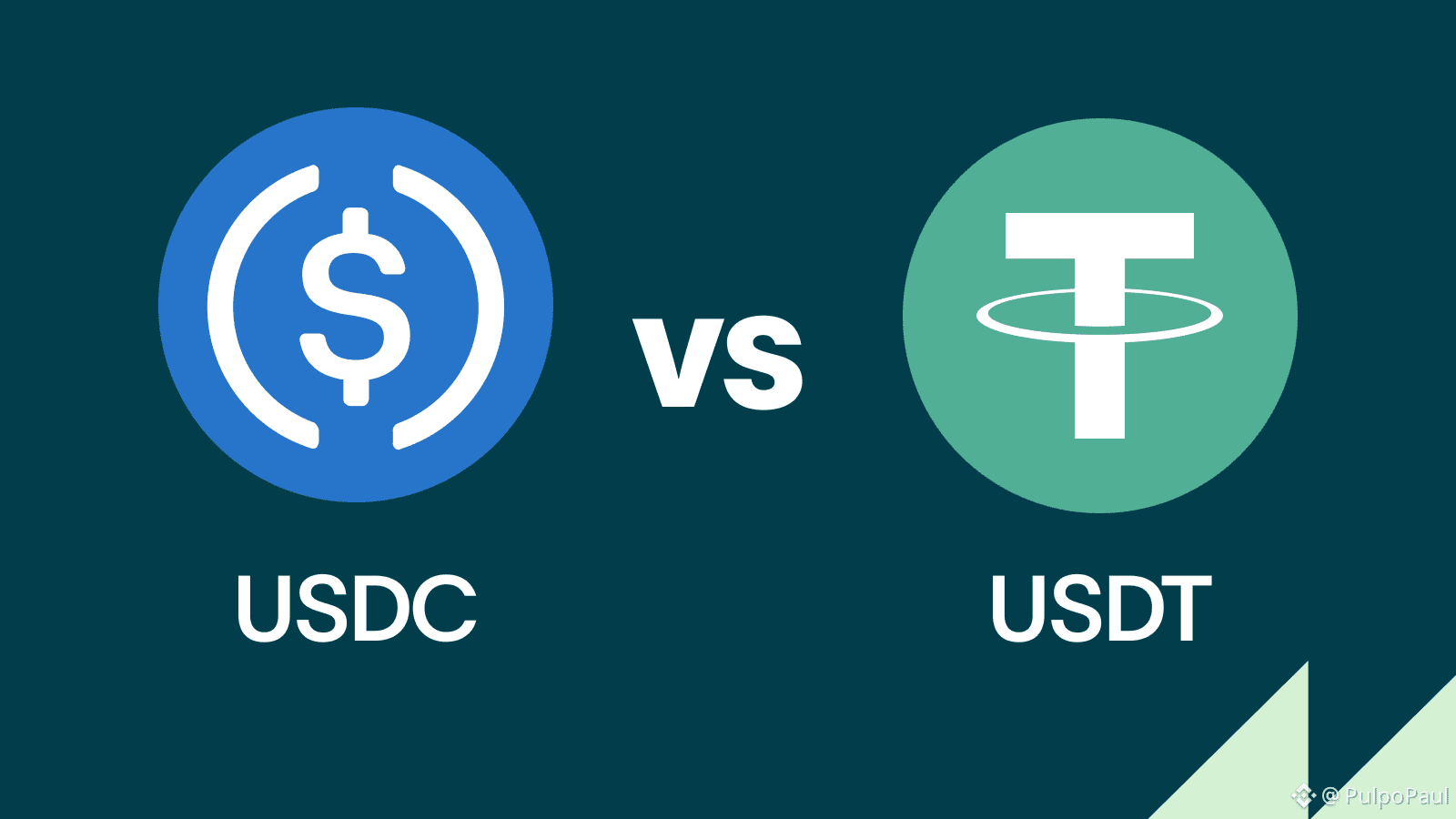
To optimize network fees, avoid transferring low-value assets individually. Consolidate your holdings into high-liquidity assets like USDT or USDC on networks with lower gas costs, such as Arbitrum, Optimism, or Solana, rather than relying solely on the Ethereum Mainnet. Monitor gas trackers like Etherscan or Dune Analytics to identify periods of low network congestion before executing large transfers.
When selecting the Best Binance Alternatives: Top Crypto Exchanges Compared, prioritize platforms that offer robust API connectivity and low-latency execution. For high-frequency traders, the migration process should involve:
- Staggered Liquidation: Close positions in phases to avoid market impact, especially in low-liquidity order books.
- API Key Management: Generate new, restricted API keys on the destination exchange with IP whitelisting enabled to ensure security from the outset.
- Latency Benchmarking: Run a series of ping tests and small-volume limit orders on the new exchange to measure execution speed against your previous setup.
- Cold Storage Buffer: Maintain a portion of your capital in a hardware wallet during the transition to mitigate counterparty risk while you evaluate the performance of the new platform.
By treating the migration as a technical deployment rather than a simple deposit, you reduce the risk of downtime and ensure your trading infrastructure remains resilient across different venues.
Frequently Asked Questions
Liquidity benchmarks for high-frequency trading outside of Binance
Bybit and OKX currently lead in terms of order book depth and API performance for high-frequency traders. Both platforms provide low-latency WebSocket connections and competitive maker-taker fee structures that rival Binance’s institutional offerings.
Regulatory risk assessment for cross-exchange migration
Yes. When migrating, verify the exchange’s licensing in your specific jurisdiction. Platforms like Kraken and Coinbase are often preferred by traders prioritizing regulatory transparency and insurance coverage, though they may have different fee structures compared to offshore-focused exchanges.
- Operational assessment of Binance: The ultimate guide to the world’s largest crypto exchange
- Is Binance Legal & Regulated? Country-Specific Status and regulatory assessment
- Binance security measures and user trust assessment for institutional and retail capital
- Strategic optimization of Binance fees explained: trading, withdrawal, and deposit costs