
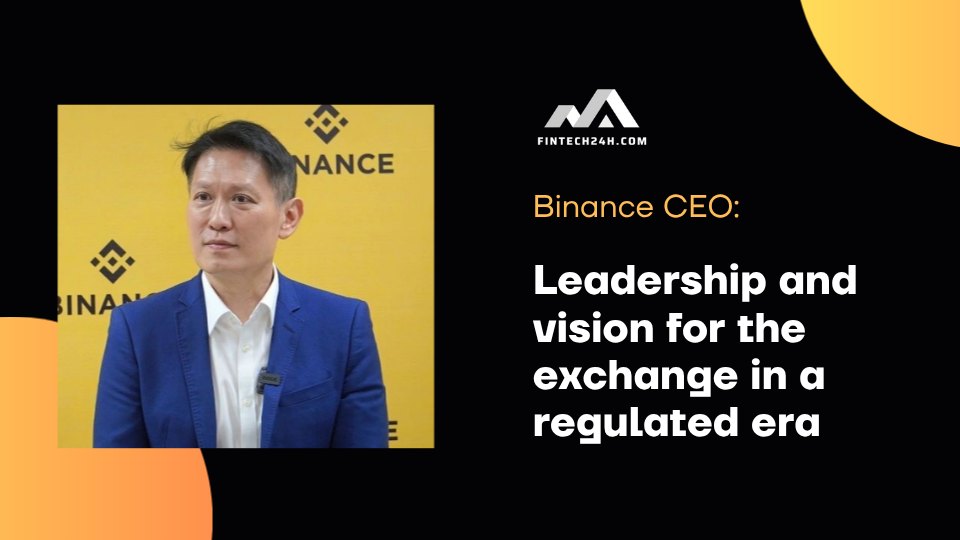
The transition from founder-led agility to institutional-grade compliance marks a fundamental shift in the operational DNA of the platform. As the current Binance CEO: Leadership and Vision for the Exchange evolves, the leadership team has pivoted from a growth-at-all-costs model to a framework defined by rigorous jurisdictional alignment and transparency. This strategic pivot is not merely reactive but a calculated effort to secure long-term market dominance.
Diagnostic markers of leadership transition at Binance

The shift under Richard Teng represents a departure from the decentralized, borderless operational style of the past. By appointing regional compliance officers and establishing physical headquarters in key jurisdictions, the exchange is actively mitigating the risks that previously led to enforcement actions in the United States and elsewhere. Understanding the current regulatory status of the platform is essential for any serious investor. For those looking to understand the broader ecosystem, exploring the world’s largest crypto exchange provides a comprehensive foundation.
Shift toward regulatory transparency
The current leadership prioritizes legal frameworks to ensure long-term viability. This involves moving away from opaque operational structures toward a model that engages directly with local regulators. Key initiatives include:
- Establishing localized compliance hubs in major financial centers.
- Active engagement with the Financial Action Task Force (FATF) standards.
- Appointing independent board members to oversee governance protocols.
Institutional product integration
Institutional capital requires stability and auditability, which the current leadership has addressed through enhanced crypto storage options. By partnering with third-party banking institutions and implementing segregated account structures, Binance is positioning itself to compete with traditional financial service providers. This focus on institutional-grade infrastructure is a direct response to the demand for professional-grade risk management tools.
Core pillars of the Binance CEO: Leadership and Vision for the Exchange
The strategic roadmap under the current administration rests on two primary pillars: global licensing and verifiable security. These objectives are designed to rebuild market confidence following the 2023 settlement with the U.S. Department of Justice.
Prioritizing global licensing
Securing local operating licenses is the primary mechanism for mitigating jurisdictional risk. The leadership team is systematically applying for licenses in regions like the Middle East (VARA in Dubai) and Europe (MiCA compliance). This strategy ensures that the exchange can operate within the boundaries of local law, reducing the likelihood of sudden market exits or service interruptions.
Enhanced security and audit protocols
Restoring market confidence requires more than rhetoric; it requires verifiable data. The implementation of Merkle-tree based proof-of-reserves allows users to independently verify that their assets are backed 1:1. Furthermore, the introduction of stricter internal audit controls and the integration of advanced anti-money laundering (AML) software from firms like Chainalysis are now standard operational procedures. Investors often look for these security measures and user trust markers before committing capital.
Operational challenges in the post-founder era
The friction between legacy growth models and new compliance requirements creates significant operational hurdles. Maintaining a competitive edge while adhering to strict identity verification standards is the primary challenge for the current management.
Balancing user experience with KYC friction
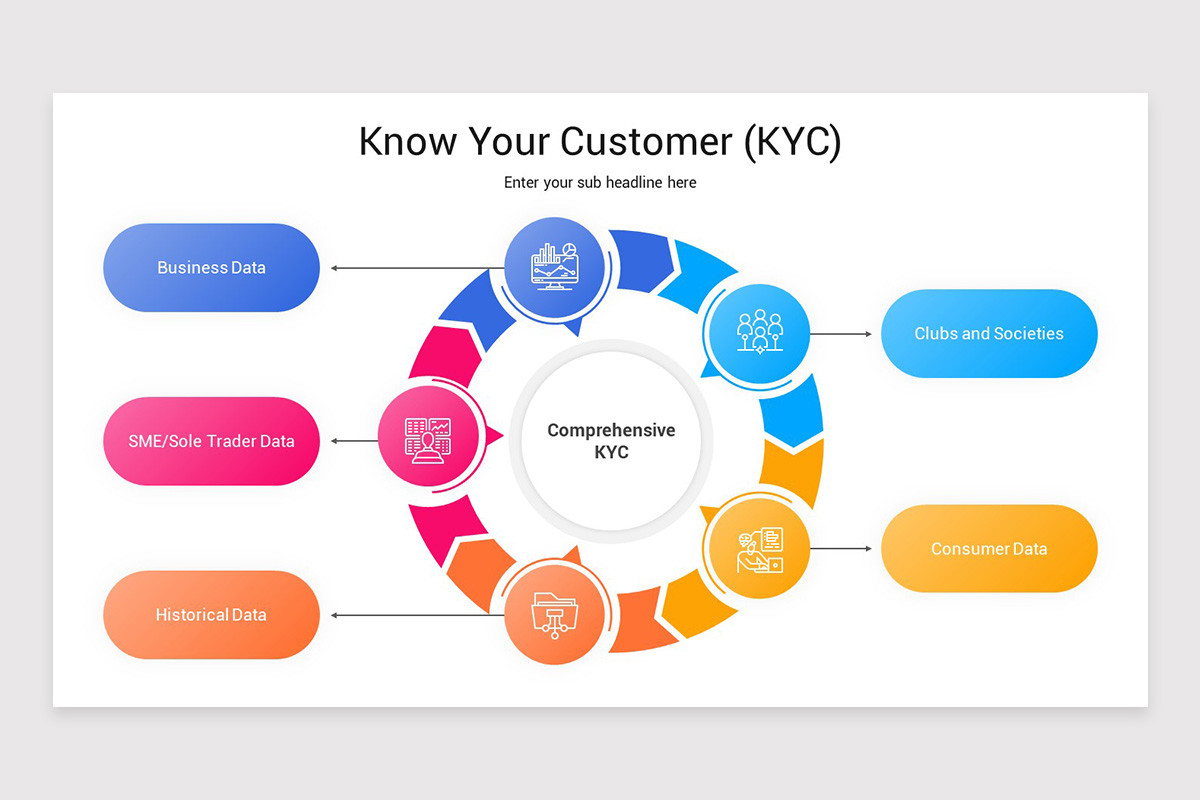
Strict Know Your Customer (KYC) standards are essential for regulatory compliance, yet they often introduce friction that can deter retail users. The leadership is currently optimizing onboarding flows to ensure that compliance checks are as seamless as possible. This involves utilizing automated biometric verification and AI-driven document scanning to minimize the time between account creation and trading readiness. Users should also be aware of common issues and solutions if they encounter access difficulties.
Managing internal cultural shifts
Transitioning from a flat, startup-style hierarchy to a structured corporate entity requires significant internal restructuring. The leadership is implementing standardized reporting lines and centralized risk management departments to ensure that compliance mandates are enforced consistently across all global offices. This cultural shift is critical for retaining top-tier talent who prioritize professional stability over the high-risk, high-reward environment of the early crypto era.
Future-proofing the exchange infrastructure
Leadership decisions today are focused on the long-term sustainability of the platform. By allocating capital toward R&D, the exchange is preparing for a future where blockchain interoperability and decentralized finance (DeFi) yield opportunities are standard components of the global financial system.
Strategic asset allocation for R&D
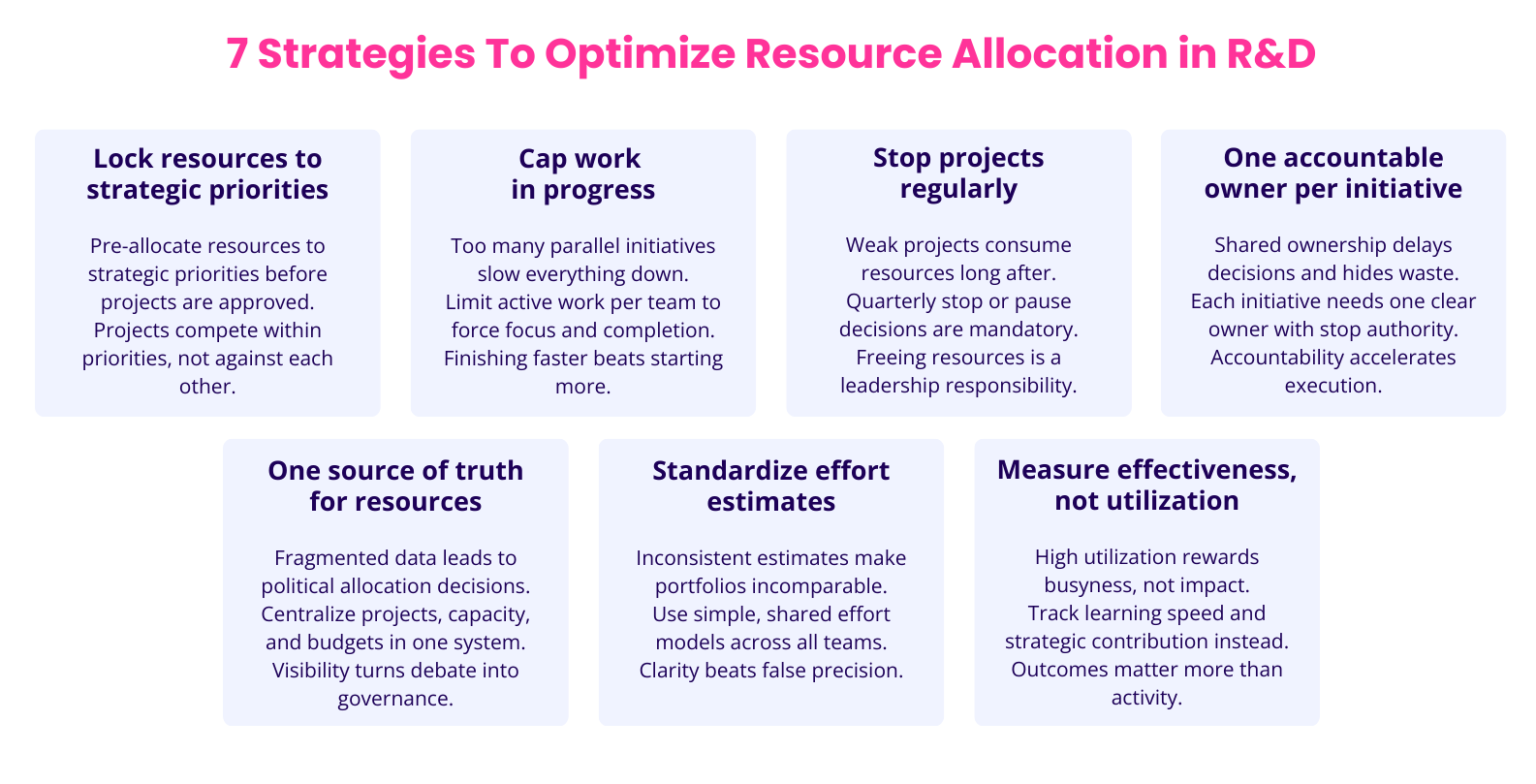
Resources are increasingly directed toward the development of the BNB Chain and cross-chain interoperability protocols. By supporting projects that bridge the gap between centralized exchanges and decentralized protocols, the leadership is ensuring that the platform remains relevant as the broader crypto ecosystem evolves toward a more integrated, multi-chain future. This aligns with broader thought leadership in blockchain that emphasizes sustainable innovation.
Expanding the institutional service suite
Beyond basic custody, the leadership is expanding the Binance Institutional portal. This includes offering bespoke OTC (Over-the-Counter) trading desks for high-net-worth individuals and corporate entities, which require deeper liquidity pools and lower slippage than standard retail order books. By providing dedicated account managers and API-based connectivity for automated crypto trading, the exchange is effectively mirroring the service levels found in traditional prime brokerage firms. New users can explore these trading and features to better understand the platform’s capabilities.
| Focus Area | Previous Approach | Current Strategy |
|---|---|---|
| Compliance | Reactive | Proactive/Licensed |
| Governance | Founder-centric | Board-led/Institutional |
| Transparency | Internal Ledger | Proof-of-Reserves/Audited |
Frequently Asked Questions
Definition of the Binance ecosystem
The name Binance is a portmanteau of the words ‘binary’ and ‘finance’, reflecting the platform’s foundation in binary code and digital financial services.
Timeline of Binance market entry in India
Binance has operated in India for several years, though it faced significant regulatory hurdles and was temporarily blocked by the FIU in 2024 before moving to comply with local PMLA requirements.
Security resilience against external threats
Like any centralized exchange, Binance is a target for cyberattacks. While the platform employs robust security measures like SAFU, users are responsible for securing their own accounts via 2FA and hardware keys.
Official communication protocols for users
No, Binance does not initiate unsolicited phone calls to users regarding their accounts. Any call claiming to be from Binance support is likely a phishing attempt.
Traceability of blockchain transactions
Yes, all transactions on the Binance exchange are recorded on internal ledgers, and on-chain transactions are publicly viewable on blockchain explorers, making them traceable.
Overview of Binance Alpha testing features
Binance Alpha is a term sometimes used to describe early-stage investment opportunities or exclusive features provided to high-volume institutional traders and partners.
- Operational assessment of Binance: The ultimate guide to the world’s largest crypto exchange
- Is Binance Legal & Regulated? Country-Specific Status and regulatory assessment
- Binance security measures and user trust assessment for institutional and retail capital
- Strategic optimization of Binance fees explained: trading, withdrawal, and deposit costs