
Core architecture of How Binance Futures Trading Works: A Comprehensive Guide
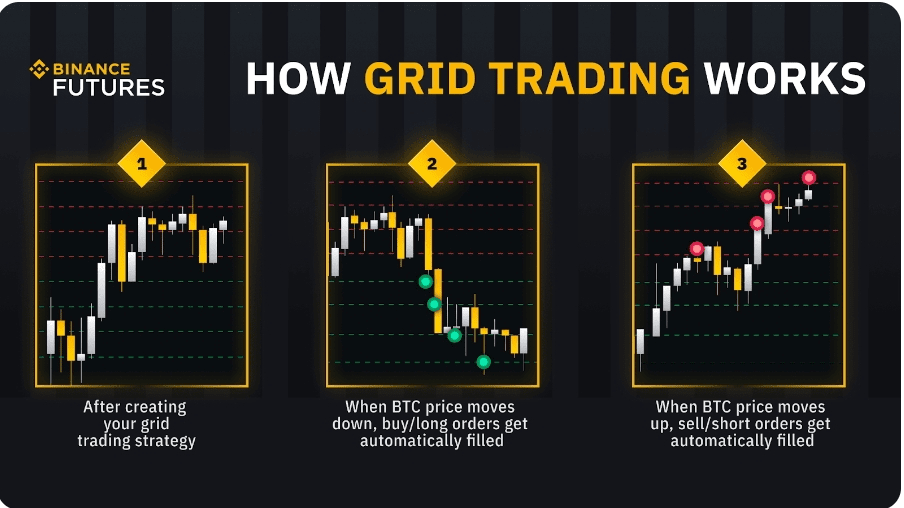
Understanding the underlying mechanics is the first step toward managing leveraged positions effectively. Perpetual contracts are the backbone of this ecosystem, functioning differently from traditional futures that have fixed expiry dates. By utilizing a funding rate, the platform ensures that the contract price stays tethered to the spot market value.
Perpetual contract settlement mechanisms
The funding rate is a periodic payment exchanged between long and short position holders. When the perpetual price trades at a premium to the spot index, the funding rate is positive, and long positions pay short positions. Conversely, a negative rate indicates the futures price is trading at a discount, requiring short positions to pay long positions. This mechanism incentivizes traders to keep the contract price aligned with the market value of the underlying asset.
Margin types and leverage limits
Traders can choose between cross margin and isolated margin modes to manage capital efficiency. Cross margin utilizes the entire balance of the futures wallet to prevent liquidation, spreading risk across all open positions. Isolated margin restricts the collateral to a specific position, limiting potential losses to the initial margin deposited for that trade. Binance allows leverage up to 125x on specific pairs, though high leverage significantly accelerates the proximity to liquidation thresholds.
Comparison of margin modes
- Cross Margin: Uses total wallet balance; better for hedging; higher risk of total account liquidation.
- Isolated Margin: Limits risk to specific position collateral; ideal for speculative trades; prevents contagion to other assets.
Evaluating risk management tools for traders
Effective risk management requires the proactive use of automated order types to protect account equity during volatile market movements. Traders must monitor their maintenance margin, which is the minimum amount of collateral required to keep a position open.
Stop-loss and take-profit order execution
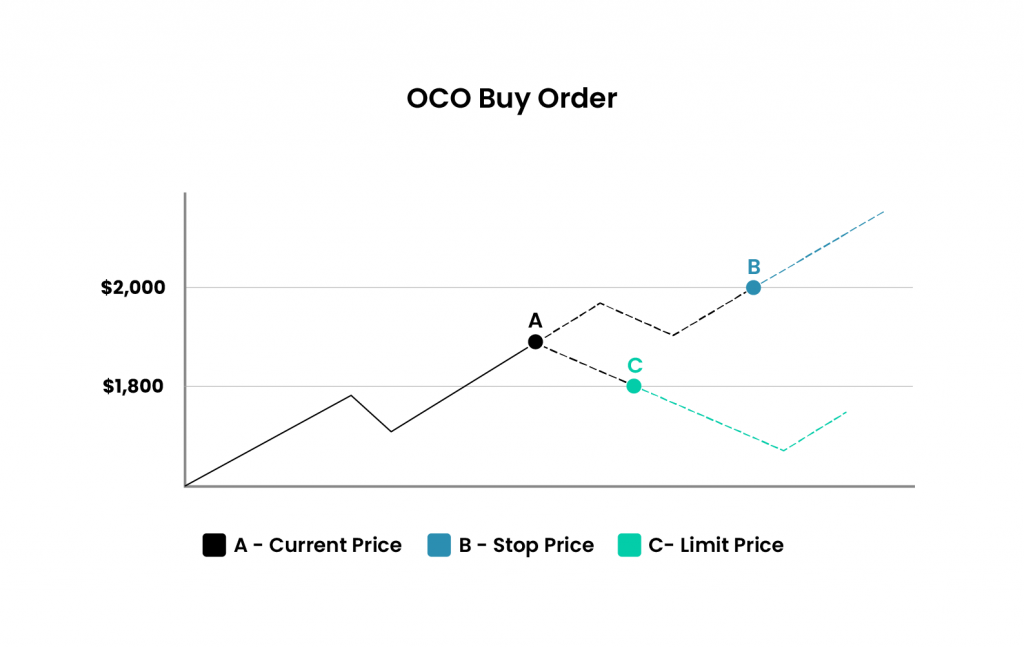
Setting automated exit triggers is essential for disciplined trading. A stop-loss order automatically closes a position when the price hits a pre-defined level to prevent further losses. A take-profit order secures gains by closing the position once a target price is reached. Utilizing these tools simultaneously, often through the OCO (One-Cancels-the-Other) or conditional order interface, ensures that emotional decision-making does not override risk parameters.
Liquidation price calculation
Liquidation occurs when the mark price of an asset reaches the liquidation price, meaning the trader’s margin can no longer cover the potential losses of the position. Binance uses a multi-asset mode and a mark price mechanism to prevent unfair liquidations caused by temporary market spikes or low liquidity. Traders should regularly review their liquidation price displayed in the position tab to adjust collateral levels before reaching the maintenance margin threshold.
Operational workflow for active market participants
Initiating a trade requires a structured approach to asset allocation and order placement to minimize slippage and execution errors.
Collateral management and fund transfers
Assets must be transferred from the spot wallet to the USD-M or COIN-M futures wallet before trading begins. USD-M futures are settled in stablecoins like USDT or USDC, while COIN-M futures are settled in the underlying cryptocurrency, such as BTC or ETH. Users can perform these transfers instantly via the internal wallet transfer feature, ensuring liquidity is available for margin requirements.
Order types for high-frequency execution
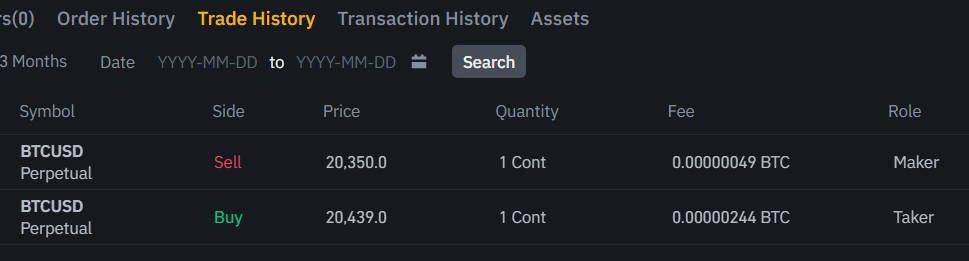
Market orders execute immediately at the best available price, which is ideal for rapid entry but may result in higher slippage. Limit orders allow traders to specify a price, providing better control over entry costs. Post-only orders are particularly useful for market makers, as they ensure the order is added to the order book rather than being executed immediately against existing liquidity, thereby qualifying for maker fee structures.
Regulatory and platform-specific constraints
Traders must account for the impact of fee structures and regional compliance requirements on their overall net returns.
Fee schedule and rebate analysis
Binance employs a tiered fee structure based on 30-day trading volume and BNB holdings. Maker fees are generally lower than taker fees, rewarding participants who provide liquidity to the order book. High-frequency traders often analyze these rebates to determine if their strategy remains profitable after accounting for transaction costs.
Compliance and verification requirements
Account eligibility is strictly governed by regional financial regulations. Users must complete Know Your Customer (KYC) verification to access futures trading features. Depending on the jurisdiction, certain features or leverage limits may be restricted to comply with local financial laws, making it necessary for traders to verify their account status within the platform settings.
Frequently Asked Questions
Definition of the Binance ecosystem
The name Binance is a portmanteau of the words ‘Binary’ and ‘Finance’. The Binance ecosystem is a comprehensive suite of products and services, including trading, wallets, and more.
Launch timeline of Binance operations in India
Binance has operated in India for several years, though it faced regulatory challenges and temporary domain blocks in 2024 before moving toward formal registration with the FIU-IND.
Security protocols regarding platform vulnerability
While Binance implements high-level security protocols, no exchange is immune to cyber threats. Users should use 2FA, hardware keys, and avoid phishing sites to protect their accounts.
Communication policies for Binance support
No, Binance support does not initiate phone calls to users. Any call claiming to be from Binance is a scam.
Traceability of blockchain transactions
Yes, all transactions on the Binance platform are recorded in their internal database, and on-chain blockchain transactions are publicly viewable on blockchain explorers.
Overview of the Binance Alpha testing environment
Binance Alpha is typically a reference to early-stage testing or exclusive features provided to select institutional or high-volume traders before a public rollout.
- Operational assessment of Binance: The ultimate guide to the world’s largest crypto exchange
- Is Binance Legal & Regulated? Country-Specific Status and regulatory assessment
- Binance security measures and user trust assessment for institutional and retail capital
- Strategic optimization of Binance fees explained: trading, withdrawal, and deposit costs