
Transit agencies must prioritize robust security protocols to protect fare revenue and passenger data, making it essential to understand how to secure NFC payments on public transit through a structured financial lens. By integrating end-to-end encryption and tokenization in mobile payments, operators can mitigate fraud risks while optimizing operational efficiency. This framework evaluates the capital expenditure and long-term ROI of securing contactless payment ecosystems.
Quantifying the value of how to secure NFC payments on public transit
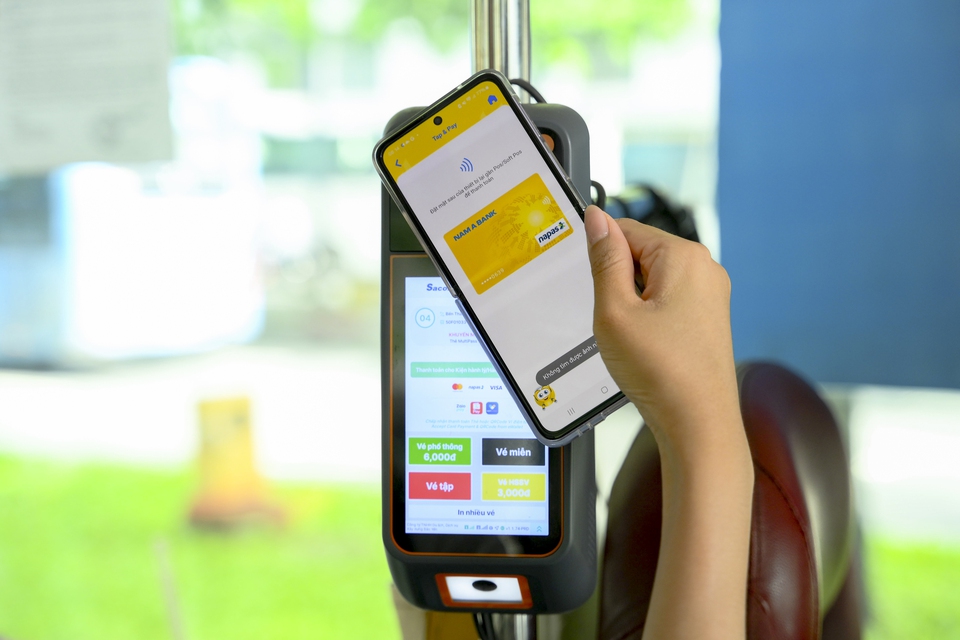
Securing NFC payments on public transit systems involves balancing upfront capital expenditure against long-term reductions in fraud-related losses and operational overhead. Transit agencies establish a baseline for ROI by calculating the total cost of ownership for EMV-compliant hardware and tokenization software against the projected decline in chargebacks and manual fare processing costs.
Direct cost savings from reduced fraud and chargebacks
Unauthorized transactions and skimming represent significant financial leakage for transit operators. By implementing end-to-end encryption and tokenization, agencies effectively neutralize the value of intercepted card data. This shift significantly reduces the volume of chargebacks, which typically carry administrative fees ranging from $20 to $50 per incident, alongside the loss of the original fare revenue.
- Reduced Chargeback Fees: Lowering dispute volume saves $20-$50 per incident.
- Lower Compliance Costs: Tokenization removes backend systems from PCI-DSS scope.
- Operational Efficiency: Automated fare collection reduces manual cash handling costs.
- Increased Throughput: Faster transaction processing (under 500ms) maximizes peak-hour revenue.
Operational efficiency gains through tokenization
Tokenization replaces sensitive primary account numbers (PANs) with unique, non-reversible tokens. This architecture simplifies PCI-DSS compliance by removing the transit agency’s backend systems from the scope of sensitive data storage. Consequently, the internal resources previously dedicated to maintaining secure databases and managing dispute resolution are redirected toward passenger experience and infrastructure maintenance. As digital transformation continues, many sectors are looking at how Neutronpay revolutionize payment methods to streamline these complex financial workflows.
Capital expenditure requirements for transit operators
Deploying a secure contactless ecosystem requires a multi-layered investment in hardware and software. Agencies must account for the lifecycle costs of terminal upgrades and the recurring expenses associated with maintaining high-security payment gateways. Understanding the financial requirements is a critical step for any agency managing payment security, especially when considering the NFC payment technology explained for modern infrastructure.
Hardware upgrade cycles for contactless readers
Transit agencies must transition to EMV-certified readers that support both physical cards and mobile wallets. These terminals require periodic firmware updates to remain compliant with evolving security standards set by organizations like EMVCo. A typical terminal lifecycle spans 5 to 7 years, necessitating a structured replacement budget to avoid service disruptions and security vulnerabilities.
Software integration and PCI-DSS compliance costs
Maintaining security requires ongoing investment in secure payment gateways and robust encryption protocols. PCI-DSS compliance is not a one-time achievement but a continuous process involving annual audits and quarterly vulnerability scans. Agencies must budget for these recurring compliance costs to protect the integrity of the fare collection system.
Risk-adjusted ROI modeling for transit agencies
Evaluating the ROI of security investments requires a framework that weighs the cost of implementation against the quantifiable risk of data breaches. This model helps decision-makers justify the budget for advanced security features by demonstrating a clear reduction in potential liability.
Calculating the cost of a potential data breach
The financial impact of a breach extends beyond immediate remediation costs to include legal fees, regulatory fines, and long-term reputational damage. Industry benchmarks suggest that the average cost per compromised record in the transportation sector remains high, making proactive security investments a cost-effective insurance policy against catastrophic data loss. In broader digital ecosystems, healthcare blockchain securing sensitive information serves as a parallel model for protecting high-stakes data.
Balancing security overhead with passenger throughput
Security measures must not impede the speed of boarding, as throughput is directly tied to farebox revenue. Implementing high-speed, contactless readers that process transactions in under 500 milliseconds ensures that security does not create bottlenecks during peak hours. This balance is critical for maintaining both the financial health and the operational efficiency of the transit network.
Long-term maintenance and lifecycle management
Security is a dynamic requirement that necessitates continuous monitoring and rapid response capabilities. Agencies must allocate dedicated funds for real-time threat detection and incident response to address emerging vulnerabilities in the payment ecosystem.
Budgeting for continuous security monitoring
Effective security management requires a dedicated team or a managed service provider to monitor transaction patterns for anomalies. This proactive approach allows for the immediate identification of potential skimming attempts or system malfunctions, minimizing the window of opportunity for attackers and ensuring the long-term viability of the transit payment infrastructure.
The role of cloud-based payment orchestration
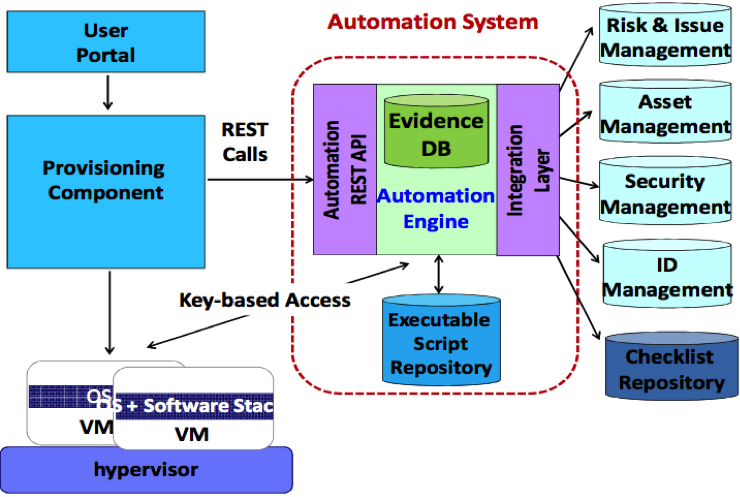
Modern transit agencies are increasingly adopting cloud-based payment orchestration layers to centralize security management. By offloading transaction processing to a secure, PCI-compliant cloud environment, agencies reduce the complexity of their local network security. This approach allows for rapid deployment of security patches across all terminals simultaneously, ensuring that the entire fleet remains protected against the latest threats without requiring manual updates at every station.
Frequently Asked Questions
Internet connectivity requirements for NFC payment processing
No, your smartphone or card does not need an active internet connection to complete an NFC transaction at a terminal, as the data exchange occurs locally between the device and the reader.
Proximity-based security risks and mitigation strategies
While theoretically possible, modern NFC payment tokens and encryption make it extremely difficult for unauthorized readers to capture usable payment data from a distance. For those concerned about safety, understanding can NFC payments be hacked from a distance is vital for passenger trust.
Smartphone compatibility with NFC payment technology
Most modern smartphones from major manufacturers, including Apple, Samsung, and Google, come equipped with built-in NFC chips for contactless payments.
Fee structures for contactless transit transactions
Generally, there is no additional fee for passengers to use NFC payments, though transit agencies may incur processing fees behind the scenes. Agencies should also be aware of NFC payment limits and transaction caps when setting fare policies.
Terminal identification for NFC payment acceptance
Look for the universal contactless symbol, which resembles a radio wave icon, displayed on the payment terminal.
- Operational roadmap for deploying NFC payment technology explained for fintech startups
- Technical reality of NFC payment security and distance vulnerabilities
- Operational playbook for evaluating NFC vs QR code payments which is better
- Reliability benchmarks for travelers verifying if are NFC payments accepted internationally