
Standardized NFC payment limits and transaction caps
NFC payment limits and transaction caps function as a mandatory security layer, restricting the amount a user can spend via contactless tap before requiring a physical PIN or chip-and-dip authentication. These thresholds are not universal; they are determined by a combination of regional regulatory mandates, individual card issuer policies, and the specific payment network involved.
Regional variations in contactless thresholds
Contactless spending limits vary significantly by geography to balance consumer convenience with fraud prevention. In the United Kingdom, the single transaction limit for contactless payments is currently £100. Conversely, many European Union countries maintain lower thresholds, often around €50, to align with local banking security standards. North American markets operate differently, where limits are frequently higher or non-existent for small-value transactions, relying instead on real-time risk scoring by the card issuer.
Network-specific authentication requirements
Payment networks like Visa and Mastercard enforce cumulative transaction caps to mitigate the risk of lost or stolen cards. Once a user hits a specific cumulative limit—often set at a total spend of £300 or €150 depending on the jurisdiction—the terminal will automatically decline the contactless attempt. This forces the cardholder to insert the chip and enter their PIN, which resets the counter and verifies the user’s identity.
Security mechanisms behind NFC payment limits and transaction caps
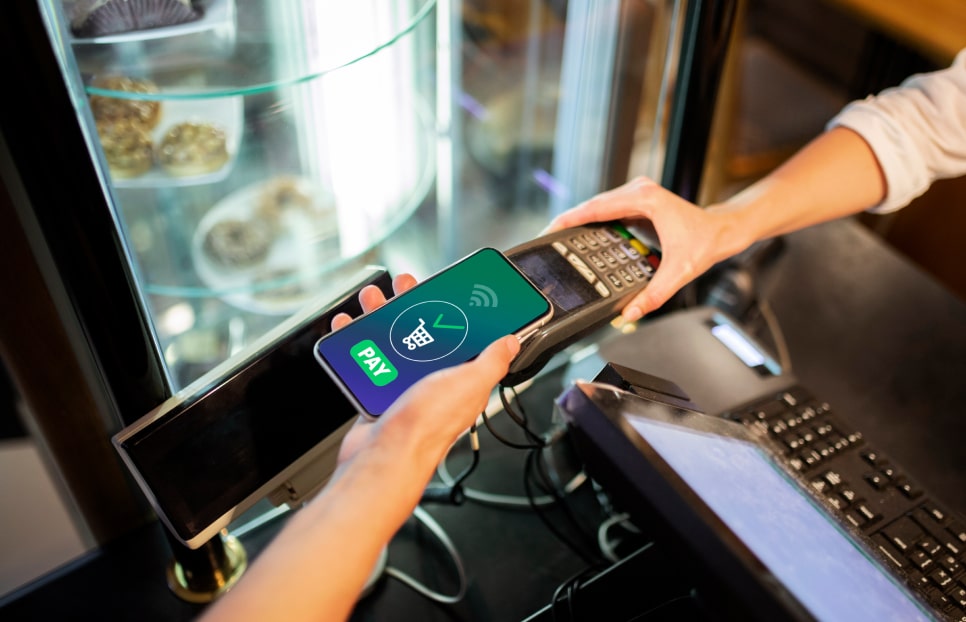
The primary rationale for these caps is to limit the potential financial loss from unauthorized contactless transactions. Because NFC technology does not inherently require a PIN for every tap, the industry uses these limits as a circuit breaker. By capping the frequency and value of offline-capable transactions, issuers ensure that a stolen card cannot be used indefinitely at high-volume merchants.
Risk-based authentication and velocity checks
Issuers employ sophisticated velocity checks to monitor card usage patterns in real-time. If a card is used multiple times in rapid succession at different locations, the system flags this behavior as anomalous. Even if the individual transactions are below the standard limit, the issuer may trigger a mandatory PIN verification to confirm the cardholder is in possession of the physical card.
The role of EMV standards in transaction security
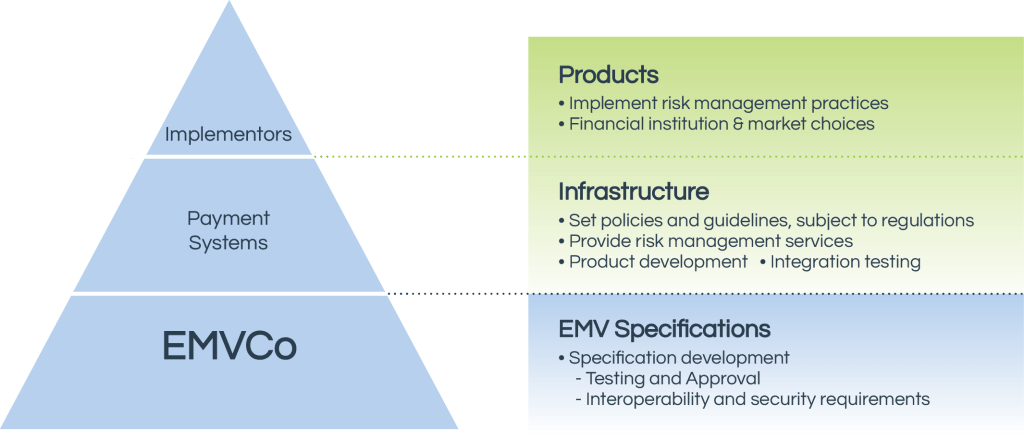
The underlying EMV (Europay, Mastercard, and Visa) standards dictate how these limits are communicated between the card and the terminal. During a transaction, the card provides the terminal with a ‘Terminal Risk Management’ data object. This tells the terminal whether the transaction can proceed offline or if it must go online to the issuer for authorization. If the cumulative offline limit is reached, the card’s internal counter forces the terminal to switch to an online-only mode, ensuring the issuer can perform a full risk assessment.
Impact of mobile wallets on transaction caps
Mobile wallets such as Apple Pay and Google Pay operate under a different security paradigm than physical plastic cards. Because these devices utilize tokenization and mandatory biometric authentication—such as FaceID or fingerprint scanning—the standard contactless limits often do not apply. Many merchants allow mobile wallet transactions to exceed the physical card limit because the device itself has already performed a high-assurance identity verification. As digital tools continue to neutronpay revolutionize payment methods, consumers are increasingly moving away from traditional plastic cards.
Biometric authentication as a bypass for limits
When a user authenticates via biometrics on their smartphone, the transaction is treated as a ‘Customer Device Authentication’ (CDA). This process provides a higher level of security than a simple tap of a plastic card. Consequently, users can often make large purchases at terminals that would otherwise reject a physical contactless card for exceeding the standard transaction cap.
Tokenization: The underlying security layer
Beyond biometrics, mobile wallets use tokenization to replace the primary account number (PAN) with a unique digital identifier. Even if a merchant’s database is compromised, the stolen token is useless for transactions outside of the specific device it was provisioned on. This added layer of security is why banks are more comfortable allowing higher transaction amounts via digital wallets compared to physical contactless cards.
Operational challenges for merchants and consumers
Hitting a transaction cap at the point of sale can create friction, particularly in high-traffic retail environments. When a terminal declines a contactless payment due to a cumulative limit, consumers may incorrectly assume their card is blocked or that the terminal is malfunctioning. This confusion can lead to abandoned carts and increased wait times at checkout.
Handling declined transactions due to cumulative limits
If a transaction is declined due to a cumulative limit, the solution is straightforward: the cardholder must insert their card into the terminal and enter their PIN. This action performs an ‘online’ authorization, which validates the cardholder’s identity and effectively resets the contactless counter. Merchants should ensure their staff is trained to clearly communicate that a ‘card insertion’ is required to bypass the contactless limit, rather than suggesting the customer’s card is invalid.
Frequently Asked Questions
Internet connectivity requirements for NFC payments
No, NFC payments can be processed offline for a limited number of transactions before the terminal requires an online connection to verify the card’s status with the issuer.
Security risks of unauthorized proximity readers
While theoretically possible, the risk is extremely low. Modern payment cards use dynamic encryption, meaning each transaction generates a unique code that cannot be reused, rendering intercepted data useless.
Smartphone hardware compatibility for NFC technology
Most modern smartphones from Apple (iPhone 6 and later), Samsung, Google, and other major manufacturers equipped with NFC chips support contactless payments through digital wallets. These innovations help neutronpay revolutionize payment standards globally.
Fee structures associated with contactless transactions
There are no direct fees for consumers when using NFC payments. Merchants pay processing fees, which are generally the same as those for standard chip-and-PIN transactions.
Terminal identification for NFC payment acceptance
Look for the universal contactless symbol, which resembles a radio wave icon turned on its side, displayed on the payment terminal.
- Operational roadmap for deploying NFC payment technology explained for fintech startups
- Technical reality of NFC payment security and distance vulnerabilities
- Operational playbook for evaluating NFC vs QR code payments which is better
- Reliability benchmarks for travelers verifying if are NFC payments accepted internationally