
Symptoms of inefficient claims automation: AI in insurance claims processing benefits
Operational bottlenecks often manifest as high manual intervention rates and persistent data silos, signaling that your current pipeline fails to capture the intended AI in insurance claims processing benefits. When automated systems require constant human oversight, the underlying logic is likely failing to handle edge cases or lacks the necessary context to make definitive decisions.
High manual intervention rates in automated workflows
Despite deploying advanced algorithms, many insurers find their staff still manually reviewing 60-70% of claims. This occurs when the AI acts only as a triage tool rather than a decision engine, often due to overly conservative confidence thresholds. If your system flags every claim with a confidence score below 95% for human review, you have essentially created a high-tech routing system rather than an automated processor.
Data latency and integration silos
Fragmented legacy databases prevent real-time processing, as AI models struggle to pull data from disparate sources like policy management systems, medical records, and payment gateways. When an AI engine must wait for batch-processed data updates, the latency negates the speed advantage of automated decisioning. This integration friction is a primary driver of operational drag in modern claims environments.
Root causes of suboptimal AI performance
The failure to realize AI in insurance claims processing benefits often stems from poor data hygiene and the inherent opacity of complex neural networks. Without addressing these technical barriers, even the most sophisticated models will underperform in production environments.
Inconsistent data quality and unstructured input
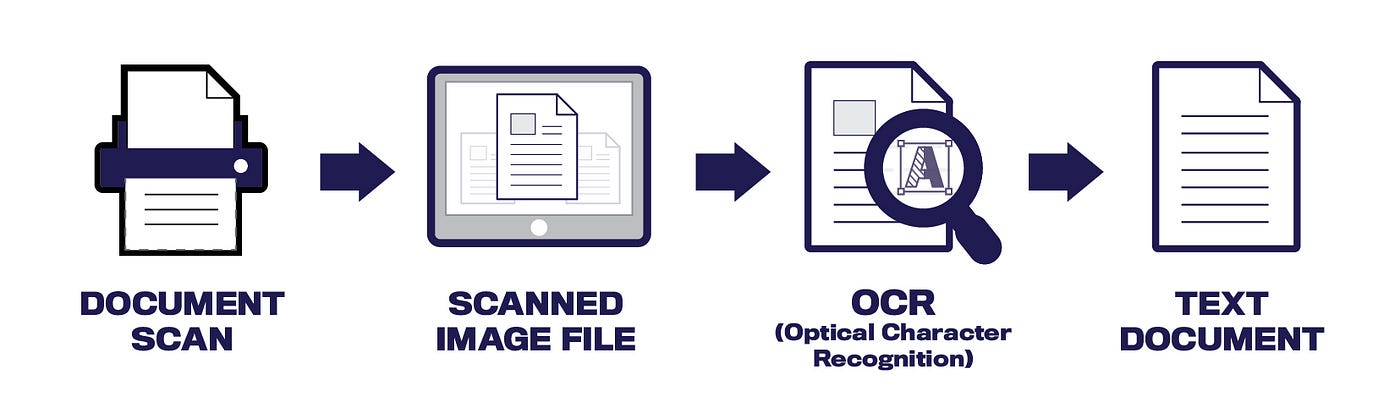
Insurance claims rely heavily on unstructured data, such as handwritten medical notes, PDF invoices, and email correspondence. If your ingestion layer lacks robust Optical Character Recognition (OCR) and Natural Language Processing (NLP) to standardize these inputs, the AI engine receives noisy data. This noise forces the model to default to human intervention, effectively stalling the automation pipeline.
Black-box model opacity and regulatory friction
Complex neural networks often function as black boxes, making it difficult to provide the legally required justification for a claim denial. Regulators demand explainability; if your model cannot output the specific data points that led to a rejection, you face significant compliance risks. Understanding the benefits and disadvantages of AI in security is crucial here, as this conflict between model complexity and interpretability often leads teams to revert to manual processes to avoid legal exposure.
Diagnostic framework for claims processing health
Auditing your AI implementation requires a shift from measuring vanity metrics to tracking operational outcomes. Use this framework to assess whether your technology stack is truly delivering value.
Measuring straight-through processing (STP) rates
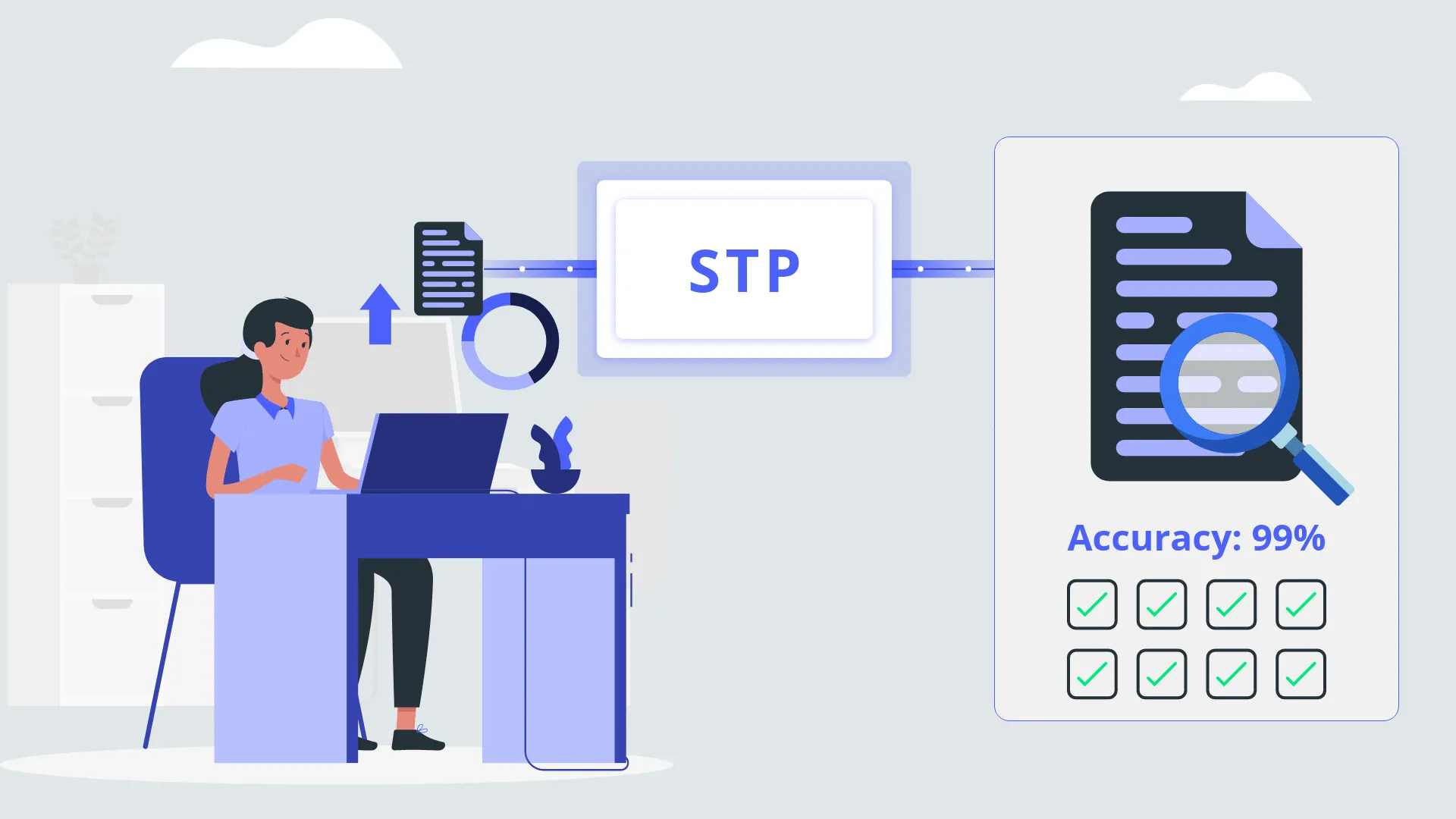
Calculate your STP rate by dividing the number of claims fully resolved by AI by the total number of claims submitted. Industry benchmarks for high-performing insurers often exceed 40% for simple, low-complexity claims. If your rate is below 10%, your model is likely suffering from over-sensitivity or poor integration with core systems.
Evaluating model drift and accuracy degradation
AI models degrade over time as real-world data patterns shift away from the original training set. Monitor your model’s precision and recall metrics monthly. If you observe a steady decline in accuracy, it indicates that your model is no longer aligned with current claim types or fraud patterns, necessitating a retraining cycle.
The role of synthetic data in model training
To improve performance, firms are increasingly using synthetic data to augment training sets, especially for rare claim types where historical data is scarce. By generating realistic but artificial claim scenarios, you can stress-test your model against edge cases without risking real-world capital. This approach helps bridge the gap between initial deployment and production-grade reliability.
Strategic remediation for claims automation
Realigning your technology stack requires a disciplined approach to model deployment and continuous improvement. Focus on high-impact areas where AI can provide immediate, measurable relief to your claims department.
Prioritizing high-impact use cases
Do not attempt to automate the entire claims lifecycle at once. Start by applying AI to high-volume, low-complexity claims, such as standard auto glass repairs or minor property damage. These claims have standardized data requirements, making them ideal for achieving high STP rates quickly while building institutional confidence in the technology.
Implementing robust feedback loops
AI models require constant refinement through human expert review. Establish a formal process where senior claims adjusters review a randomized sample of AI-denied claims. Use these insights to retrain the model, effectively creating a feedback loop that improves accuracy and reduces the need for manual intervention over time.
Selecting the right infrastructure stack
Successful automation often depends on the underlying architecture. Moving from monolithic legacy systems to microservices-based APIs allows for modular AI integration. By decoupling the claims intake, adjudication, and payment modules, you can deploy specialized AI agents for each stage, ensuring that a failure in one component does not paralyze the entire claims workflow.
Frequently Asked Questions
Role of AI in modern insurance operations
AI serves to automate repetitive tasks, detect fraudulent patterns, and accelerate decision-making in underwriting and claims processing.
Embedded insurance mechanisms for e-commerce
Embedded insurance integrates coverage directly into the checkout process of an e-commerce platform, allowing customers to purchase protection for their items at the point of sale. This is often enhanced by the benefits of cross-border digital wallet interoperability, which simplifies global transactions.
Primary risks of InsurTech adoption
Primary risks include data privacy concerns, regulatory non-compliance, model bias, and the difficulty of integrating new technology with legacy infrastructure.
Blockchain impact on insurance claims
Blockchain improves claims by providing an immutable, shared ledger that reduces fraud, speeds up verification, and enables smart contracts for automated payouts.
Parametric insurance trends and market adoption
Parametric insurance pays out automatically when a predefined event occurs, such as a specific wind speed or earthquake magnitude, providing rapid liquidity without lengthy loss assessments.