
Rising premium costs and the shift toward risk-based underwriting
Current cyber insurance trends for small businesses in 2026 show a hardening market where premiums are no longer calculated based on revenue alone. Insurers have transitioned to granular, risk-based underwriting models that penalize companies lacking robust digital hygiene.
Premiums have stabilized compared to the volatility of previous years, but the cost of entry has shifted toward mandatory investment in internal security infrastructure rather than just the price of the policy itself.
Underwriters now utilize automated scanning tools to assess an organization’s external attack surface in real-time. If a firm’s public-facing IP addresses show unpatched vulnerabilities or misconfigured cloud buckets, insurers will either deny coverage or apply significant surcharges.
This shift means that the price a business pays is a direct reflection of its technical security posture, effectively turning the insurance application process into a rigorous audit of the company’s IT operations.
The impact of mandatory security controls
Eligibility for cyber insurance now hinges on the implementation of specific technical controls. Insurers have moved beyond simple questionnaires, requiring verifiable proof that certain security measures are active.
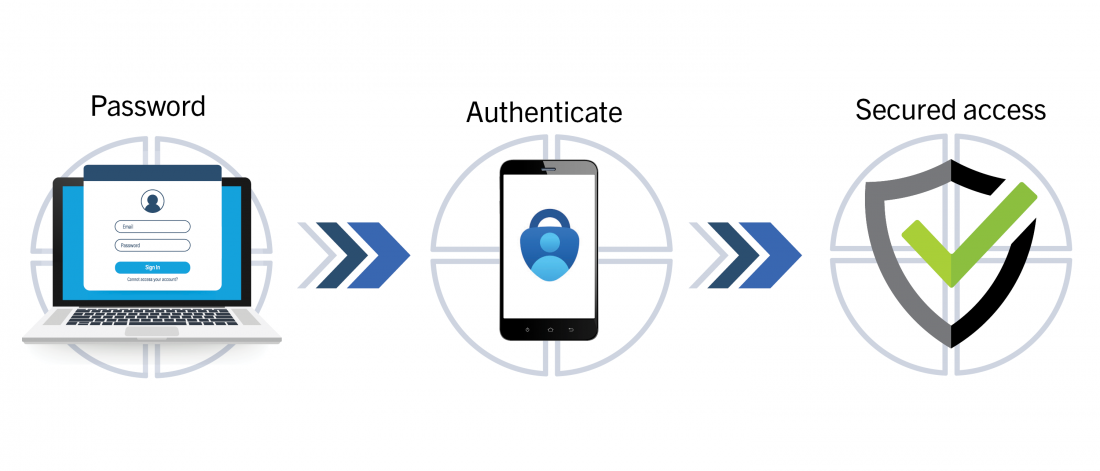
The most critical requirement is the universal adoption of Multi-Factor Authentication (MFA). Policies are frequently denied if MFA is not enforced across all remote access points, including email, VPNs, and cloud-based administrative consoles.
Beyond MFA, the industry has standardized requirements for Endpoint Detection and Response (EDR) tools. Unlike traditional antivirus software, EDR provides continuous monitoring and behavioral analysis to detect ransomware threats before they encrypt data.
Insurers now mandate that these tools be deployed on all company-managed devices. If a small business cannot demonstrate that its EDR solution is active and monitored—either internally or via a Managed Service Provider (MSP)—it will likely fail to qualify for coverage.
This shift forces businesses to treat cybersecurity as a prerequisite for financial protection, effectively making the insurance policy a validation of their existing security stack rather than a safety net for negligence.
Critical gaps in standard cyber insurance trends for small businesses
Many small business owners operate under the misconception that a standard commercial general liability policy covers digital breaches. In reality, these policies often explicitly exclude cyber events, leaving companies exposed to significant financial strain.
Current market shifts indicate that insurers are narrowing definitions of “data breach” to exclude incidents caused by human error or failure to maintain basic security patches, such as outdated firewall firmware or unpatched VPN vulnerabilities.
Distinguishing between first-party and third-party coverage
Understanding the distinction between first-party and third-party coverage is essential when navigating a ransomware event. First-party coverage is designed to address the immediate financial impact on your own business.
This includes the cost of forensic investigations to determine the scope of the breach, public relations expenses to manage brand reputation, and the actual ransom payment—if the policy allows for it. Many insurers now require pre-approval before any ransom is paid, and they may mandate the use of specific, vetted cybersecurity firms to handle the decryption process.
Conversely, third-party coverage protects your business against claims made by clients, vendors, or regulatory bodies. If a breach results in the theft of customer PII (Personally Identifiable Information), third-party coverage assists with legal defense costs, settlements, and regulatory fines under frameworks like GDPR or CCPA.
A common gap occurs when businesses assume their policy covers the full cost of business interruption. Most standard policies have a “waiting period”—often 8 to 12 hours—before coverage for lost income kicks in, meaning short-term outages are usually absorbed entirely by the business owner.
Furthermore, if your business relies on cloud service providers, you must verify if your policy includes “contingent business interruption” coverage. Without this specific rider, a failure at your cloud provider’s data center that halts your operations may not trigger a payout, despite the severe operational impact.
Integration of proactive incident response services
Modern cyber insurance policies have shifted from simple indemnification to active risk management. In 2026, the most effective policies for small businesses include pre-breach incident response services as a standard feature rather than an optional add-on.
Carriers now provide access to dedicated cyber-security portals that offer continuous vulnerability scanning, employee phishing simulations, and real-time threat intelligence feeds. These tools allow small business owners to identify security gaps before they result in a claim, effectively lowering the overall risk profile of the insured entity.
Evaluating the quality of insurer-provided vendor networks
When a breach occurs, the speed and expertise of the response team are the primary determinants of total financial loss. Small businesses must look beyond the premium cost and scrutinize the quality of the vendor networks provided by the insurer.
A robust policy should grant immediate access to pre-vetted digital forensics firms, breach coaches, and specialized legal counsel who understand local data privacy regulations such as GDPR or CCPA.
To assess the reliability of these networks, request the following information from your broker:
- Response Time Guarantees: Confirm the Service Level Agreement (SLA) for initial contact. A reliable carrier should guarantee a response from a qualified expert within four hours of a reported incident.

- Forensic Specialization: Verify if the forensic partners have experience with the specific tech stack used by your business, such as cloud-native environments or specific legacy ERP systems.
- Legal Expertise: Ensure the assigned legal counsel has a proven track record in handling regulatory notifications and potential class-action litigation specific to your industry.
Avoid insurers that rely on a single, generalist vendor. The best cyber insurance trends for small businesses prioritize a tiered network of specialists. This ensures that if your business suffers a ransomware attack, you are paired with a negotiator and a decryption expert rather than a general IT consultant.
Always ask for a list of the carrier’s primary incident response partners and cross-reference their reputation in industry-specific security forums. If the insurer cannot provide transparency regarding their vendor vetting process, it is a significant red flag that the support you receive during a crisis may be inadequate.
Verification of policy triggers for ransomware and social engineering
In 2026, insurers have tightened the definitions of “trigger events” within cyber policies. For small businesses, the primary challenge is proving that a digital incident meets the specific criteria for coverage, particularly regarding social engineering and ransomware.
Most modern policies now require a “forensic audit report” from an approved third-party cybersecurity firm before they will release funds for business interruption or ransom payments. Relying on internal IT logs is rarely sufficient; insurers demand a chain of custody for digital evidence that demonstrates how the threat actor bypassed existing security controls.
Documenting proof of loss for business interruption claims
The evidentiary burden for business interruption claims has shifted significantly. Small businesses can no longer simply estimate lost revenue based on historical averages. To successfully trigger a payout, you must provide granular data that isolates the financial impact of the cyber event from general market fluctuations.
This requires maintaining a “pre-incident baseline” of your daily transaction volume, server uptime, and customer acquisition rates. When filing a claim, you should be prepared to submit the following documentation:
- System Access Logs: Time-stamped records showing the exact moment unauthorized access occurred and the duration of the system lockout.
- Financial Reconciliation Reports: A side-by-side comparison of revenue generated during the downtime versus the same period in the previous year, adjusted for seasonal variances.
- Forensic Attribution: A technical summary identifying the attack vector, such as a compromised API key or a specific phishing domain, which confirms the incident falls under the policy’s “covered perils.”
- Mitigation Logs: Evidence of the steps taken to contain the breach, such as isolating affected subnets or disabling compromised user credentials, which demonstrates your compliance with the policy’s “duty to mitigate” clause.
Without this documentation, insurers often categorize the incident as a “system failure” rather than a “cyber attack,” which can result in significantly lower coverage limits or outright claim denial.
Small businesses should integrate automated logging tools like Splunk or Datadog into their operational workflow to ensure this data is captured in real-time, rather than attempting to reconstruct it after a breach occurs.
Strategic alignment of insurance with internal security posture
Cyber insurance trends for small businesses in 2026 indicate a shift from passive coverage to active risk management. Insurers no longer view policies as standalone safety nets; they now require proof of specific security controls before binding coverage.
Small businesses must align their internal security posture with the underwriting requirements of carriers like Chubb, Coalition, or Travelers to avoid premium spikes or claim denials. As companies scale, they should also monitor InsurTech innovation trends 2026 to better understand how new digital tools can streamline their compliance efforts.
Implementation requirements for mandatory security controls
Most carriers now mandate the implementation of specific technical safeguards as a condition of coverage. Failure to maintain these standards can void a policy during a breach investigation. Businesses should prioritize the following controls to align with current cyber insurance requirements:
- Multi-Factor Authentication (MFA): Deployment across all remote access points, including VPNs, email accounts, and cloud-based administrative portals.
- Endpoint Detection and Response (EDR): Moving beyond traditional antivirus to tools like CrowdStrike or SentinelOne that provide real-time threat hunting and automated isolation capabilities.

- Immutable Backups: Maintaining off-site, air-gapped backups that cannot be encrypted or deleted by ransomware, ensuring business continuity without paying extortion demands.
- Regular Vulnerability Scanning: Conducting quarterly scans to identify and patch common entry points, such as unpatched software or misconfigured cloud buckets.
The role of incident response planning
Underwriters are increasingly focused on the maturity of a business’s incident response (IR) plan. A static document stored in a desk drawer is no longer sufficient.
Modern policies reward businesses that conduct annual tabletop exercises to simulate ransomware or data exfiltration scenarios. These exercises demonstrate to insurers that the organization can minimize downtime and limit data loss, which directly correlates to lower risk profiles and more favorable premium structures.
By integrating these security practices into daily operations, small businesses transform their insurance policy from a reactive expense into a proactive component of their overall cyber resilience strategy.
Frequently Asked Questions
Stabilization of cyber insurance premiums for small businesses in 2026
While the extreme price hikes of previous years have slowed, premiums are now tied more closely to verified security controls like MFA and endpoint detection, meaning costs remain high for those with poor security hygiene. If you are looking to improve your communication efficiency while managing these risks, consider exploring telegram business features for your team.
Scope of data breach coverage in standard policies
No. Most policies exclude losses from social engineering, unpatched software vulnerabilities, or regulatory fines unless specific endorsements are added, making it essential to review the policy’s ‘duty to defend’ and ‘exclusion’ clauses. For those interested in broader digital strategy, keeping up with web3 marketing trends can also provide insights into emerging risks and opportunities.