
Implementing biometric authentication in insurance apps
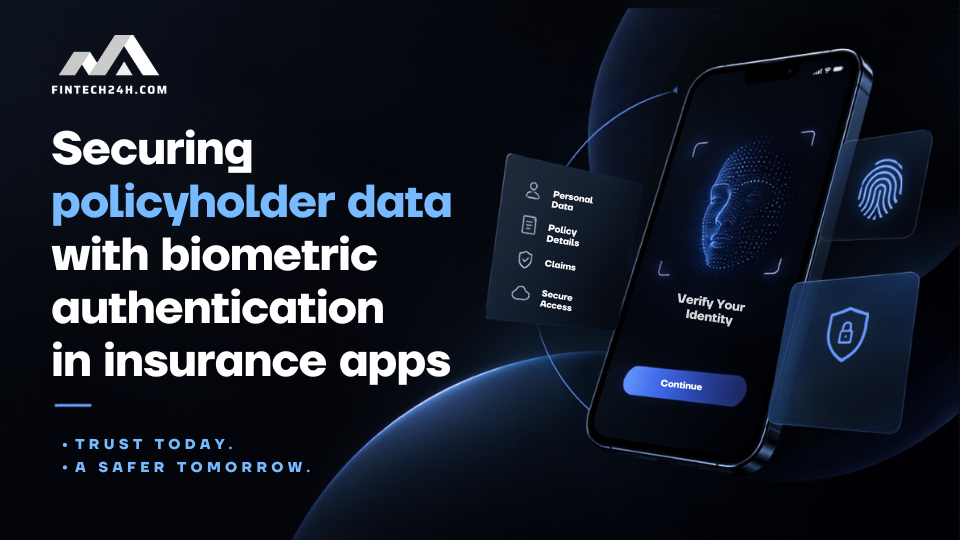
Insurance providers are increasingly adopting biometric authentication in insurance apps to replace vulnerable password-based logins with high-assurance identity verification. By leveraging physical markers like facial geometry or fingerprints, insurers can significantly reduce account takeover risks while streamlining the claims filing process. The primary objective is to transition from knowledge-based credentials to possession-based hardware security, ensuring that only the verified policyholder can access sensitive financial data.
Liveness detection and spoofing prevention
A robust security architecture must distinguish between a genuine user and sophisticated spoofing attempts. Attackers often utilize high-resolution photographs, 3D masks, or deepfake video injections to bypass standard sensors. Industry-leading SDKs now incorporate active liveness checks—requiring users to perform random gestures like blinking or head rotation—alongside passive analysis that evaluates skin texture, depth, and micro-movements. This multi-layered approach ensures that the biometric input is captured from a living person in real-time.
Data encryption and storage protocols
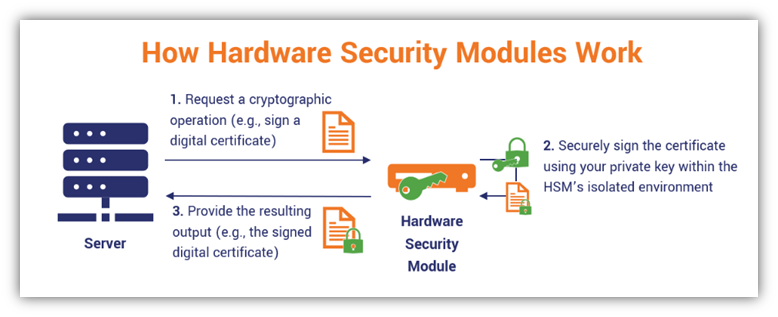
Security best practices dictate that raw biometric images must never be stored on centralized servers. Instead, systems should convert facial or fingerprint data into non-reversible mathematical templates immediately upon capture. These templates must reside within a Secure Enclave or Hardware Security Module (HSM) on the user’s device. By keeping the biometric data local, insurers ensure that even a catastrophic database breach does not expose sensitive biological identifiers, as the stored hashes are useless to unauthorized parties.
Balancing security with user experience
High-friction security often leads to increased drop-off rates during critical moments, such as filing a claim or updating beneficiary information. To maintain conversion, authentication latency should remain below 500 milliseconds. Relying on cloud-side processing for every verification step introduces unacceptable delays; therefore, developers should prioritize edge-computing solutions that perform local matching on the device hardware to ensure near-instantaneous access.
Hardware-level security integration
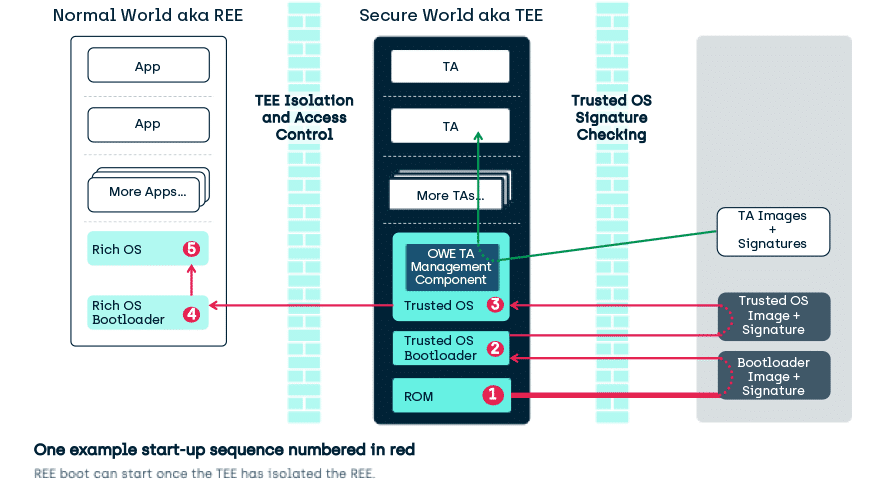
Developers should utilize native platform APIs, such as Android BiometricPrompt or Apple’s LocalAuthentication framework, to bridge the gap between hardware sensors and the mobile application. These frameworks ensure that the authentication process occurs within a Trusted Execution Environment (TEE). By utilizing these native hooks, insurance applications benefit from OS-level security updates and hardware-backed key attestation, which effectively mitigates the risk of software-based injection attacks.
Managing session persistence and re-authentication
While biometric login provides a seamless entry point, insurers must define clear re-authentication policies for high-risk actions. For instance, while a user might access their policy dashboard via FaceID, performing a wire transfer or changing a bank account number should trigger a secondary biometric challenge or a step-up authentication request. This ensures that the session remains secure even if the device is left unlocked in a public space.
Regulatory compliance and data privacy
Handling biological identifiers subjects insurance companies to stringent global regulations, including GDPR, CCPA, and BIPA. Compliance is a foundational requirement for maintaining policyholder trust. Insurers must implement explicit, granular opt-in workflows that clearly explain how biometric data is processed and stored. Furthermore, maintaining immutable audit logs that record the date, time, and purpose of every authentication event is essential for regulatory reporting and internal security audits.
Integration and long-term reliability
The success of a biometric deployment depends on how well the SDK integrates with legacy policy administration and claims processing platforms. Avoid proprietary silos that force your organization into long-term vendor lock-in. A flexible API architecture allows you to switch biometric vendors without requiring users to re-enroll their profiles, a process that would otherwise lead to massive customer churn and increased support overhead.
Performance metrics and environmental adaptability
Reliability is measured by the False Acceptance Rate (FAR) and False Rejection Rate (FRR). A system with a high FRR frustrates legitimate users, while a high FAR exposes the company to fraudulent claims. Algorithms must be tested across diverse hardware, including low-end smartphone cameras and varying lighting conditions. To handle edge cases—such as aging, facial hair growth, or temporary injuries—implement a multi-modal strategy that allows for a fallback to a secondary biometric or a secure PIN, ensuring policyholders are never locked out during urgent situations.

Addressing accessibility and inclusive design
Biometric systems must be inclusive to avoid alienating segments of the policyholder base. For users with visual impairments or motor disabilities, standard facial or fingerprint recognition may present barriers. Developers should ensure that the application remains compatible with accessibility features like VoiceOver or TalkBack, and provide alternative authentication methods that meet the same security standards. Testing the UI/UX with diverse user groups during the development phase helps identify potential friction points before the feature is rolled out to the entire customer base.
Frequently Asked Questions
What role does AI play in modern insurance?
AI automates routine tasks like claims processing, risk assessment, and fraud detection, significantly reducing operational costs and improving response times for policyholders.
How does embedded insurance work in e-commerce?
Embedded insurance integrates coverage directly into the checkout process of an e-commerce platform, allowing customers to purchase protection for their items at the point of sale.
What are the primary risks of InsurTech adoption?
Primary risks include data privacy breaches, integration challenges with legacy systems, regulatory non-compliance, and the potential for algorithmic bias in automated underwriting.
How does blockchain impact insurance claims?
Blockchain enables immutable audit trails and smart contracts that automatically trigger payouts when predefined conditions are met, increasing transparency and reducing administrative overhead.
What are the current parametric insurance market trends?
Parametric insurance pays out based on a predefined trigger, such as a specific wind speed or rainfall level, rather than an assessment of actual loss, which speeds up the claims process significantly.