

Binance Earn and the Centralized vs. Decentralized Yield Dilemma: How Binance Earn Works: Staking, Savings & Yield Opportunities
Generating passive income from cryptocurrency holdings has become a primary goal for many investors. Binance Earn offers a suite of centralized financial products designed to help users grow their crypto assets through staking, savings, and other yield opportunities. However, investors face a fundamental choice between the convenience and integrated services of centralized exchanges (CEX) like Binance and the autonomy and often higher, albeit riskier, potential returns found in decentralized finance (DeFi) protocols.
This comparison aims to clarify the mechanics of Binance Earn and juxtapose its offerings against typical DeFi alternatives. Understanding these distinctions is crucial for making informed decisions tailored to individual risk tolerance, technical proficiency, and investment objectives. If you are just starting your journey, you might want to review Binance: The Ultimate Guide to the World’s Largest Crypto Exchange to better grasp the platform’s core trading features.
How Binance Earn Works: Staking, Savings, and Flexible Yield Options
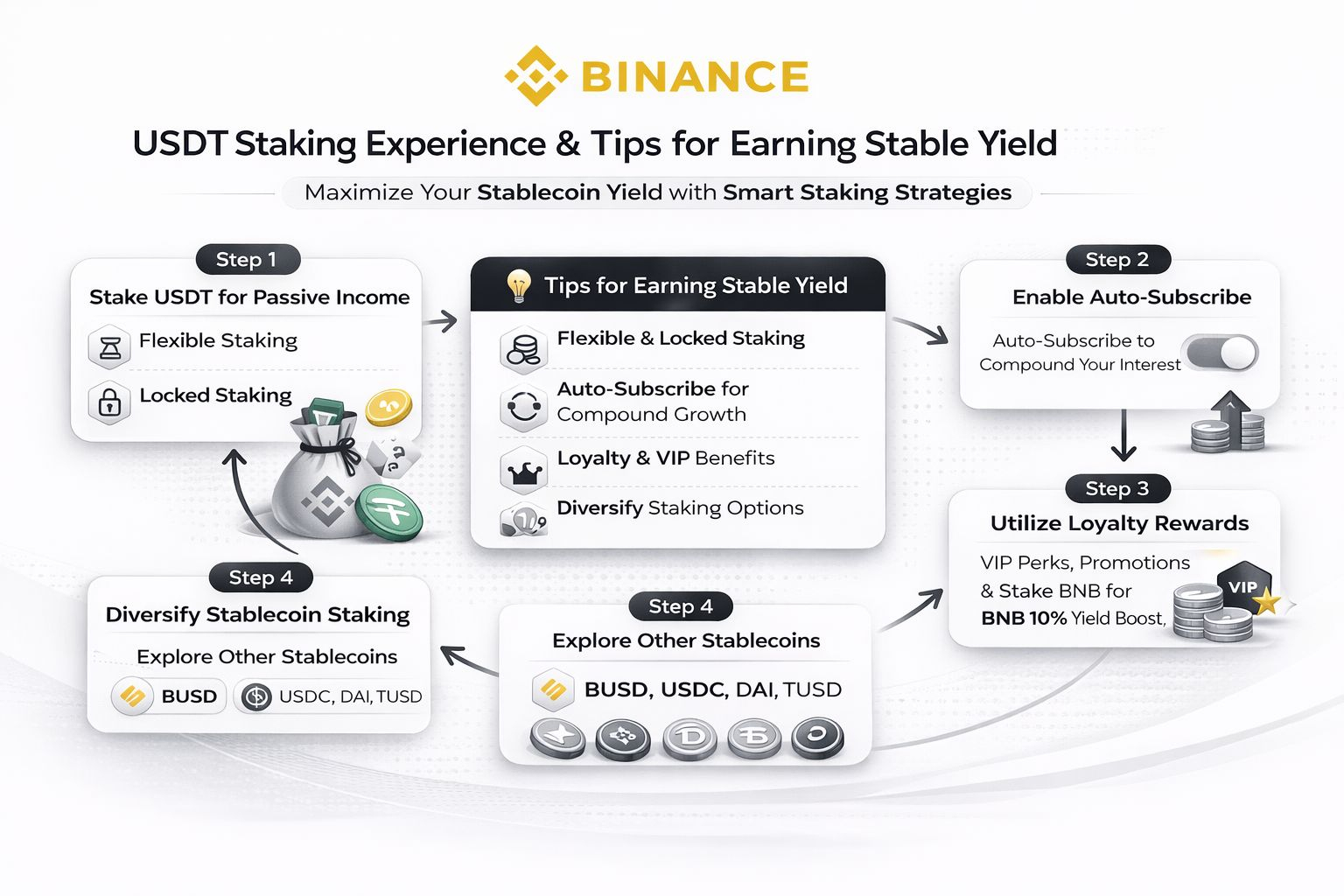
Binance Earn consolidates various methods for users to earn passive income on their cryptocurrency. These products range in complexity, risk, and liquidity, catering to different investor profiles. The core offerings include Staking, Savings, and more advanced yield generation tools.
Understanding Binance Staking: Locked vs. Flexible
Binance Staking allows users to earn rewards by locking up their Proof-of-Stake (PoS) cryptocurrencies to support network operations. This process is managed entirely by Binance, abstracting away the technical complexities of running a validator node.
- Locked Staking: Users commit their assets for a fixed period, typically 30, 60, 90, or 120 days. This option generally offers higher Annual Percentage Yields (APYs) compared to flexible staking, but assets are illiquid for the duration. Early redemption often results in forfeiture of earned interest. Common cryptocurrencies available include Ethereum (ETH 2.0), Solana (SOL), Cardano (ADA), and Polkadot (DOT).
- Flexible Staking: This option provides more liquidity, allowing users to redeem their staked assets at any time. The APYs are typically lower than locked staking, reflecting the flexibility. It’s suitable for users who want to earn some yield but need quick access to their funds.
Binance Savings: Flexible and Locked Terms
Binance Savings products are akin to traditional bank savings accounts but for cryptocurrencies. They are designed for users who want to earn interest on their idle digital assets, including stablecoins and major cryptocurrencies.
- Flexible Savings: Assets can be deposited and redeemed at any time, providing high liquidity. Interest is calculated daily and distributed directly to the user’s spot wallet. This option is ideal for short-term holding or for funds that might be needed for trading.
- Locked Savings: Users commit their assets for a predetermined period (e.g., 7, 14, 30, 90 days) in exchange for higher interest rates. Similar to locked staking, early redemption may lead to a loss of accrued interest. This is suitable for long-term holders comfortable with temporary illiquidity.
Other Yield Opportunities: Dual Investment, Liquid Swap, and Auto-Invest
Beyond basic staking and savings, Binance Earn provides more sophisticated products that offer potentially higher returns but come with increased complexity and risk.
- Dual Investment: This product allows users to earn a high yield on their crypto by predicting the price direction of an asset. Users commit funds to buy or sell a cryptocurrency at a target price on a future settlement date. If the market price moves against the user’s prediction, they might end up buying high or selling low, despite earning a yield. It’s a non-principal protected product with significant market risk.
- Liquid Swap: Binance Liquid Swap functions as an Automated Market Maker (AMM) pool, similar to those found in DeFi. Users can provide liquidity to various trading pairs (e.g., BTC/USDT) and earn a share of trading fees, alongside flexible APY. Participants must be aware of impermanent loss, a risk inherent in providing liquidity to volatile asset pairs.
- Auto-Invest: This feature automates dollar-cost averaging (DCA) by regularly purchasing a chosen cryptocurrency, which can then be automatically allocated to a Flexible Savings product. It combines a long-term investment strategy with passive yield generation, simplifying the process for users.
Key Differences: Binance Earn (CEX) vs. DeFi Protocols
The choice between Binance Earn and DeFi protocols hinges on several critical factors, each presenting a distinct trade-off.
Security and Custody: Centralized Control vs. Self-Custody
- Binance Earn (CEX): Binance acts as a custodian, holding users’ private keys. This means users rely on Binance’s robust security infrastructure, including multi-factor authentication, cold storage, and the Secure Asset Fund for Users (SAFU), which protects against certain hacks. Before committing large amounts of capital, it is wise to review the common issues and solutions if you encounter platform access difficulties. However, it introduces counterparty risk; if Binance were compromised or faced regulatory issues, user funds could be affected.
- DeFi Protocols: DeFi emphasizes self-custody, where users retain full control over their private keys, typically through non-custodial wallets like MetaMask or Ledger. This eliminates counterparty risk associated with a central entity but shifts the responsibility for security entirely to the user. Risks include smart contract vulnerabilities, phishing attacks, and loss of private keys.
Yield Rates and Volatility: Stability vs. High Risk/Reward
- Binance Earn (CEX): Yield rates on Binance Earn are generally more stable and predictable. They are often lower than peak DeFi rates but offer a clearer expectation of returns. These rates are influenced by Binance’s internal risk management and market demand for specific assets within its ecosystem.
- DeFi Protocols: DeFi yields can be significantly higher, driven by innovative tokenomics, high demand for liquidity, and novel farming strategies. However, these rates are highly volatile, subject to rapid changes based on market conditions, protocol popularity, and smart contract risks. High APYs often come with commensurately high risks, including impermanent loss in liquidity pools or potential protocol exploits.
Accessibility and User Experience: Simplicity vs. Technical Demands
- Binance Earn (CEX): Binance offers a highly user-friendly interface, making it accessible even for beginners. The entire process, from fiat on-ramp to yield generation, is integrated within a single platform. Users do not need to manage blockchain addresses, gas fees, or complex smart contract interactions directly.
- DeFi Protocols: Participating in DeFi requires a higher degree of technical understanding. Users must set up and manage non-custodial wallets, understand blockchain networks (e.g., Ethereum, BNB Chain), navigate decentralized applications (dApps), and manage transaction (gas) fees. The learning curve is steeper, and errors can be costly.
Fees and Liquidity: Transaction Costs and Withdrawal Flexibility
- Binance Earn (CEX): Binance typically charges withdrawal fees for moving assets off the platform, but internal transfers and participation in Earn products generally do not incur separate network gas fees. For a detailed breakdown of these costs, you can consult our guide on Binance fees explained. Liquidity varies by product; Flexible Savings offers instant redemption, while Locked Staking and Savings have fixed terms.
- DeFi Protocols: Users incur network transaction fees (gas fees) for every interaction with a smart contract (e.g., depositing, withdrawing, claiming rewards). These fees can be substantial, especially on congested networks like Ethereum. Liquidity depends on the specific protocol; some have lock-up periods, while others offer instant redemption, albeit with potential exit fees or impermanent loss.
When to Choose Binance Earn: Ideal Use Cases
Binance Earn is a compelling choice for several types of crypto investors:
- Beginners in Crypto: Its intuitive interface and integrated ecosystem simplify the process of earning yield without requiring deep technical knowledge of blockchain or smart contracts.
- Risk-Averse Investors: For those prioritizing security and predictability over maximum potential returns, Binance’s custodial model and SAFU fund offer a layer of reassurance against certain types of loss.
- Users with Smaller Capital: The absence of direct gas fees for internal operations makes it more cost-effective for smaller investments, where high network fees in DeFi could significantly erode returns.
- Fiat On-Ramp Convenience: Users who primarily interact with crypto via fiat deposits and withdrawals will find Binance’s integrated services more convenient than navigating separate fiat gateways and DeFi protocols.
- Preference for Integrated Ecosystems: Investors who appreciate having trading, earning, and other crypto services under one roof will find Binance Earn’s comprehensive platform appealing.
When Decentralized Alternatives May Be Better
Despite Binance Earn’s advantages, DeFi protocols offer distinct benefits for specific users and scenarios:
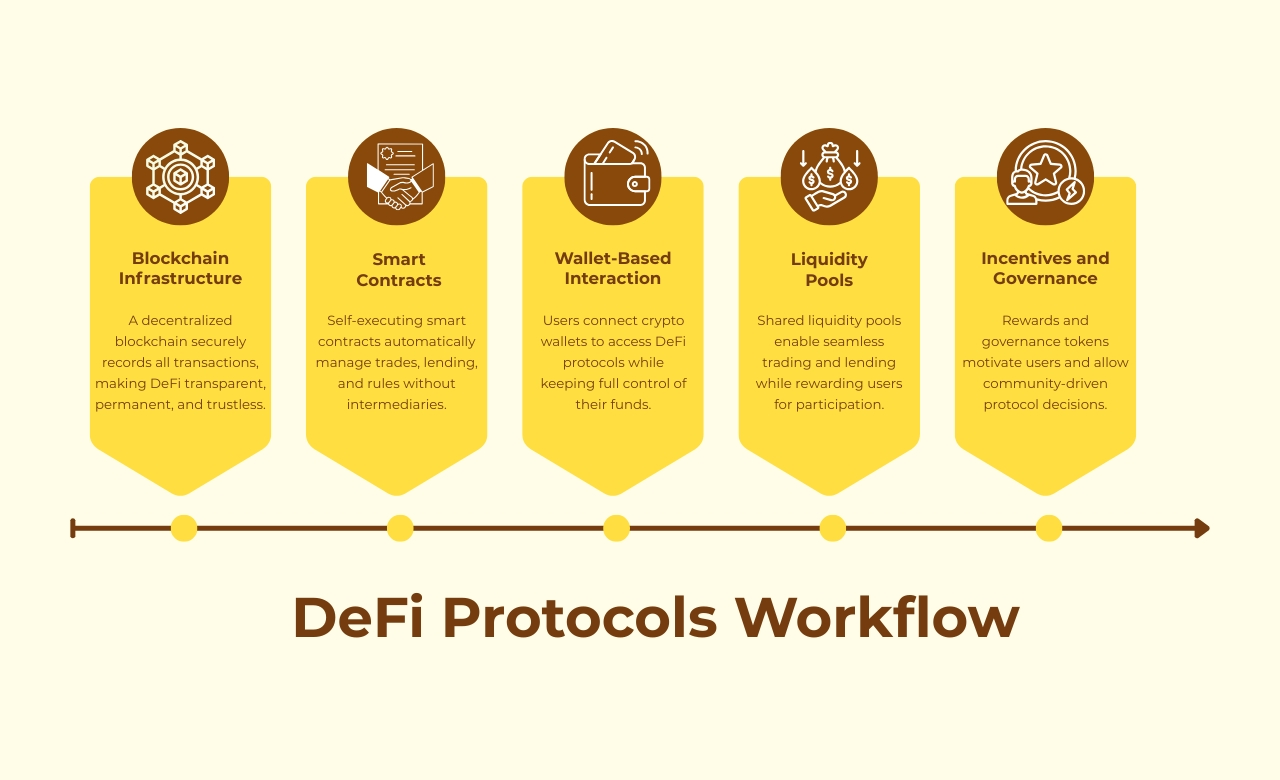
- Experienced Crypto Users: Individuals comfortable with blockchain technology, smart contracts, and non-custodial wallets can leverage DeFi’s advanced features and diverse protocols.
- Prioritizing Self-Custody: For those who believe in the core ethos of decentralization and want full control over their assets, DeFi eliminates the counterparty risk associated with centralized exchanges.
- Seeking Higher Potential Yields: While riskier, many DeFi protocols offer significantly higher APYs than Binance Earn, particularly during periods of high demand or for novel farming strategies.
- Privacy Advocates: DeFi transactions, while traceable on the blockchain, do not typically require Know Your Customer (KYC) verification, appealing to users who prioritize financial privacy.
- Exploring Niche Opportunities: DeFi’s vast and rapidly evolving landscape offers access to a wider array of innovative protocols, new tokens, and unique yield-generating strategies not available on centralized platforms.
Navigating Risks and Making an Informed Decision
Both centralized (CEX) and decentralized (DeFi) yield generation carry inherent risks that investors must understand before committing capital. Centralized platforms like Binance face risks such as platform hacks, regulatory crackdowns, and potential mismanagement of user funds. While Binance has robust security measures and a SAFU fund, these do not eliminate all risks. Investors should also stay informed about the regulatory status of Binance in their specific region to ensure compliance and platform availability.
DeFi protocols, conversely, are exposed to smart contract vulnerabilities, impermanent loss, oracle manipulation, and the risk of
Frequently Asked Questions
What does Binance mean?
“Binance” is a portmanteau of “Binary” and “Finance,” reflecting its focus on digital finance and the binary nature of digital assets.
When did Binance launch in India?
Binance acquired the Indian exchange WazirX in November 2019. However, direct operations in India have faced regulatory complexities, leading to varying service availability over time.
Can Binance be hacked?
While Binance employs extensive security measures, including a Secure Asset Fund for Users (SAFU), no platform is entirely immune to hacking attempts. Users are also responsible for their account security practices.
Does Binance call you?
Legitimate Binance support typically communicates through official channels like email or support tickets. Binance does not initiate unsolicited phone calls to users.
Are Binance transactions traceable?
Yes, all transactions on public blockchains are inherently traceable. Internally, Binance maintains records for regulatory compliance (KYC/AML) and security purposes.
What is Binance Alpha?
“Binance Alpha” is not an official or widely recognized product or service offered by Binance. It might refer to a community term, a past initiative, or a third-party project.
- Operational assessment of Binance: The ultimate guide to the world’s largest crypto exchange
- Is Binance Legal & Regulated? Country-Specific Status and regulatory assessment
- Binance security measures and user trust assessment for institutional and retail capital
- Strategic optimization of Binance fees explained: trading, withdrawal, and deposit costs