
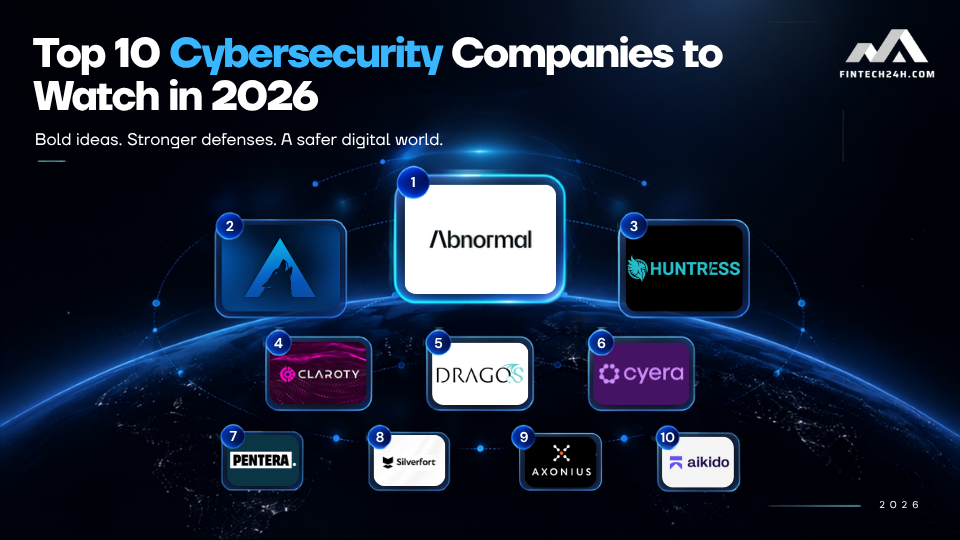
The cybersecurity landscape is rapidly evolving, moving beyond traditional network and endpoint protection. As businesses shift to cloud workloads, integrate AI, and connect operational technology, the need for specialized security solutions has grown. This article highlights the top 10 cybersecurity companies to watch in 2026, focusing on innovators addressing these complex, fragmented challenges.
That shift has created opportunities for a new generation of cybersecurity companies that focus on specific problems traditional security platforms do not always solve well. Instead of trying to become another all-purpose security vendor, these companies are building expertise around areas such as identity security, data protection, industrial systems, email attacks, software supply chains, and automated security validation. For those exploring the infrastructure side of modern tech, many enterprises are also vetting blockchain development companies to secure their decentralized assets.
For this list, we intentionally avoided the biggest global technology giants and the most obvious cybersecurity names. Instead, the focus is on specialist and growth-stage cybersecurity companies that have developed distinctive technologies, strong market positions, or significant momentum in 2026.
The following companies represent some of the most interesting cybersecurity firms to know right now.
Quick Overview: Top 10 Cybersecurity Companies to Watch in 2026
| Company | Primary Focus | What Makes It Stand Out |
|---|---|---|
| Abnormal AI | Email & behavioral security | AI-driven detection of sophisticated email and identity attacks |
| Arctic Wolf | Managed security / MDR | Combines security operations with automation and AI |
| Huntress | Managed cybersecurity | Makes advanced security operations accessible to smaller organizations |
| Claroty | Cyber-physical security | Protects industrial, healthcare, and connected physical systems |
| Dragos | OT cybersecurity | Specialized protection for industrial and critical infrastructure |
| Cyera | Data security | AI-powered discovery, classification, and protection of data |
| Pentera | Security validation | Continuously tests whether security controls actually work |
| Silverfort | Identity security | Protects identities across cloud, on-premises, legacy, and AI environments |
| Axonius | Cyber asset management | Provides visibility into assets, exposures, and security controls |
| Aikido Security | Application security | Consolidates code, cloud, runtime, and vulnerability security |
1. Abnormal AI
Specialty: AI-powered email and behavioral security
Abnormal AI is one of the more interesting cybersecurity companies focusing on a problem that remains central to modern attacks: human communication.
Traditional email security often depends on known malicious links, attachments, signatures, and predefined rules. Abnormal takes a different approach by analyzing behavioral patterns and contextual signals to identify suspicious activity.
Its platform originally focused heavily on email threats such as business email compromise (BEC), phishing, vendor fraud, and account takeover. In 2026, the company has expanded its platform toward identity security and AI security as attackers increasingly exploit cloud applications and AI-enabled workflows.
Why Abnormal AI stands out
The company’s main differentiator is its behavioral approach to security.
Instead of simply asking whether an email contains a known malicious indicator, the platform attempts to understand what normal communication looks like inside an organization and identify anomalies.
This is particularly relevant as attackers use generative AI to create convincing messages at scale.
Abnormal reported in August 2026 that more than 25% of Fortune 500 companies trust its platform for automated security decisions, while its product portfolio now spans email, identity, AI, and insider-threat protection. Abnormal AI
Best suited for:
Organizations looking for specialized protection against phishing, BEC, account takeover, vendor fraud, and emerging AI-enabled attacks.
Key strength: Behavioral AI and automated detection.
2. Arctic Wolf
Specialty: Managed detection and response (MDR)
Arctic Wolf takes a different approach from many product-first cybersecurity companies.
Rather than expecting every organization to build a large internal security operations team, Arctic Wolf provides managed security operations designed to help organizations detect, investigate, and respond to threats.

Its Aurora platform combines security operations, threat detection, response, and automation. The company says its platform analyzes more than 10 trillion security events each week and supports more than 10,000 organizations worldwide.
Why Arctic Wolf stands out
The biggest advantage is the combination of technology and human-led security operations.
For organizations that cannot justify building a large 24/7 SOC internally, managed detection and response can provide a more practical alternative.
This makes Arctic Wolf particularly interesting in a market where security teams are dealing with increasing alert volumes, limited cybersecurity talent, and increasingly sophisticated attacks.
Rather than selling another isolated security tool, the company positions itself around the broader outcome: making security operations more manageable.
Best suited for:
Mid-market and enterprise organizations that need 24/7 monitoring, threat detection, and response without building a large internal SOC from scratch.
Key strength: Managed security operations at scale.
3. Huntress
Specialty: Managed cybersecurity for SMBs and mid-market organizations
Huntress has built its reputation around making cybersecurity more accessible to businesses that do not have the resources of large enterprises.
The company combines managed security services with technologies for endpoint detection, identity protection, email security, and incident response.
Its focus is particularly relevant because smaller organizations remain attractive targets for ransomware, credential theft, and business email compromise.
Why Huntress stands out
Huntress has managed to build a substantial business while maintaining a clear focus on accessibility.
In July 2026, the company announced that it had surpassed $250 million in annual recurring revenue and was protecting more than 270,000 businesses, 15 million identities, and 5.5 million endpoints across more than 100 countries.
It has also continued expanding beyond traditional endpoint protection. In 2026, Huntress launched Managed Identity Security Posture Management, designed to help organizations identify and continuously address identity security weaknesses.
This expansion is important because identity-based attacks increasingly sit at the center of modern breaches.
Best suited for:
Small and mid-sized businesses, managed service providers, and organizations looking for managed cybersecurity without enterprise-level complexity.
Key strength: Accessible managed security with broad coverage.
4. Claroty
Specialty: Cyber-physical systems and industrial cybersecurity
Claroty operates in a cybersecurity segment that is very different from conventional endpoint or email security.
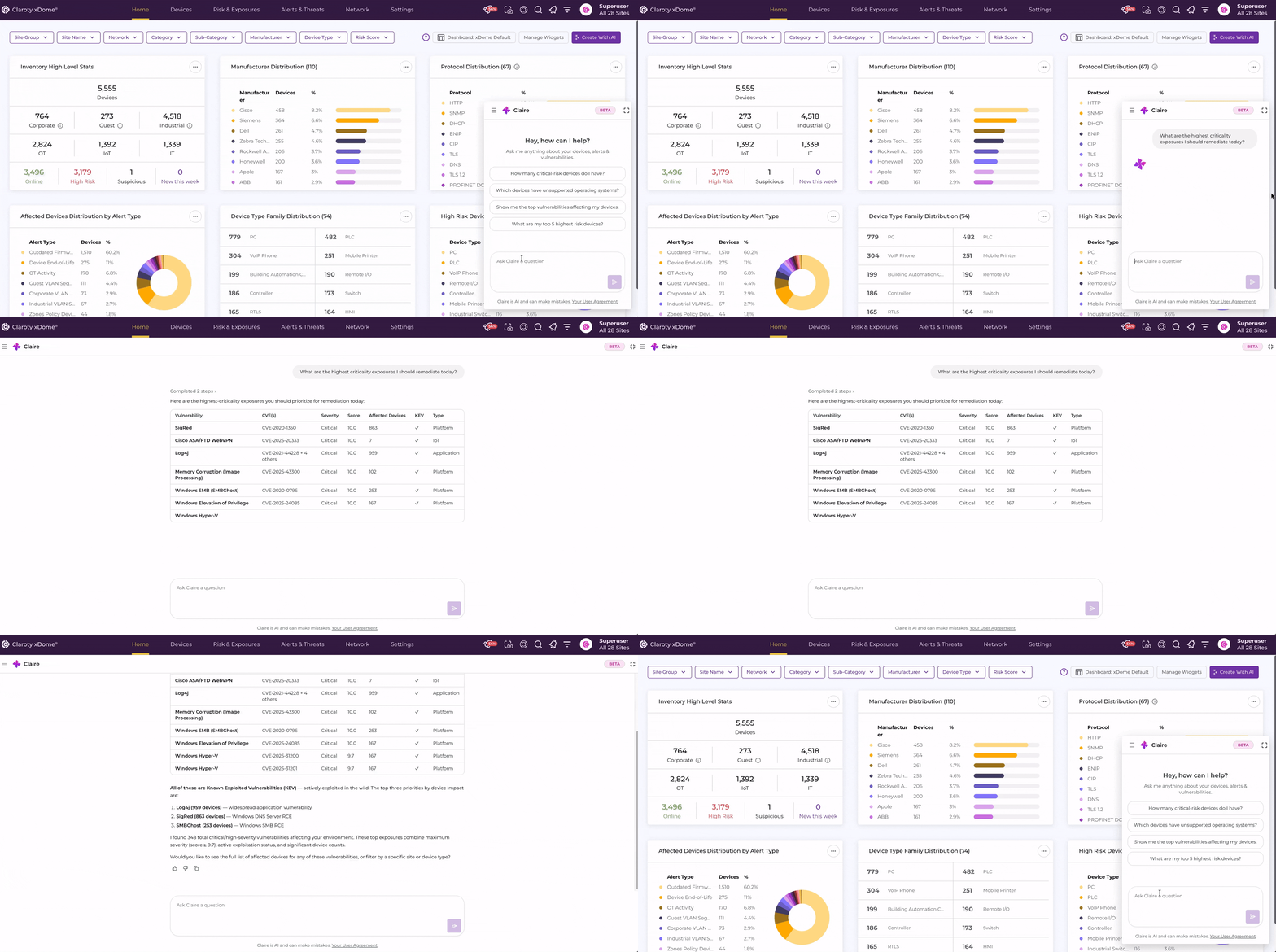
The company focuses on cyber-physical systems, including operational technology (OT), industrial control systems, medical devices, building management systems, and other connected physical environments.
Claroty describes its mission as securing the cyber-physical systems that underpin modern life. Its platform is designed to help organizations discover, monitor, assess, and protect connected assets across industrial, healthcare, commercial, and public-sector environments.
Why Claroty stands out
Cyber-physical security is becoming increasingly important as physical infrastructure becomes more connected.
A compromised laptop is one problem. A compromised industrial control system, medical device, manufacturing line, or building management system can create consequences in the physical world.
That makes Claroty particularly relevant to organizations where cybersecurity and operational safety are closely connected.
Its specialization also differentiates it from broad cybersecurity platforms that primarily focus on IT environments.
Best suited for:
Manufacturing, healthcare, energy, commercial infrastructure, and organizations managing large numbers of connected operational assets.
Key strength: Specialized protection for cyber-physical environments.
5. Dragos
Specialty: Operational technology and critical infrastructure cybersecurity
Dragos is another specialist cybersecurity company operating in the OT space, but with a particularly strong emphasis on industrial threat intelligence and critical infrastructure.

Dragos focuses on protecting operational technology environments across industries such as manufacturing, electric utilities, oil and gas, and other critical infrastructure sectors.
Its platform combines OT visibility, threat detection, response capabilities, and specialized intelligence about industrial threat groups.
Why Dragos stands out
The challenge with OT cybersecurity is that traditional IT security approaches cannot always be applied directly to industrial environments.
Operational systems may need to remain available continuously, while security teams also need to understand industrial protocols, physical processes, and the potential operational consequences of an attack.
Dragos has built its business specifically around this environment.
The company’s 2026 materials highlight a growing threat landscape, including ransomware and increasing activity from OT-focused threat groups.
Best suited for:
Critical infrastructure operators, industrial companies, utilities, manufacturing organizations, and energy companies.
Key strength: Deep OT expertise and industrial threat intelligence.
6. Cyera
Specialty: Data security and AI data protection
Cyera represents another important direction in cybersecurity: protecting the data itself.
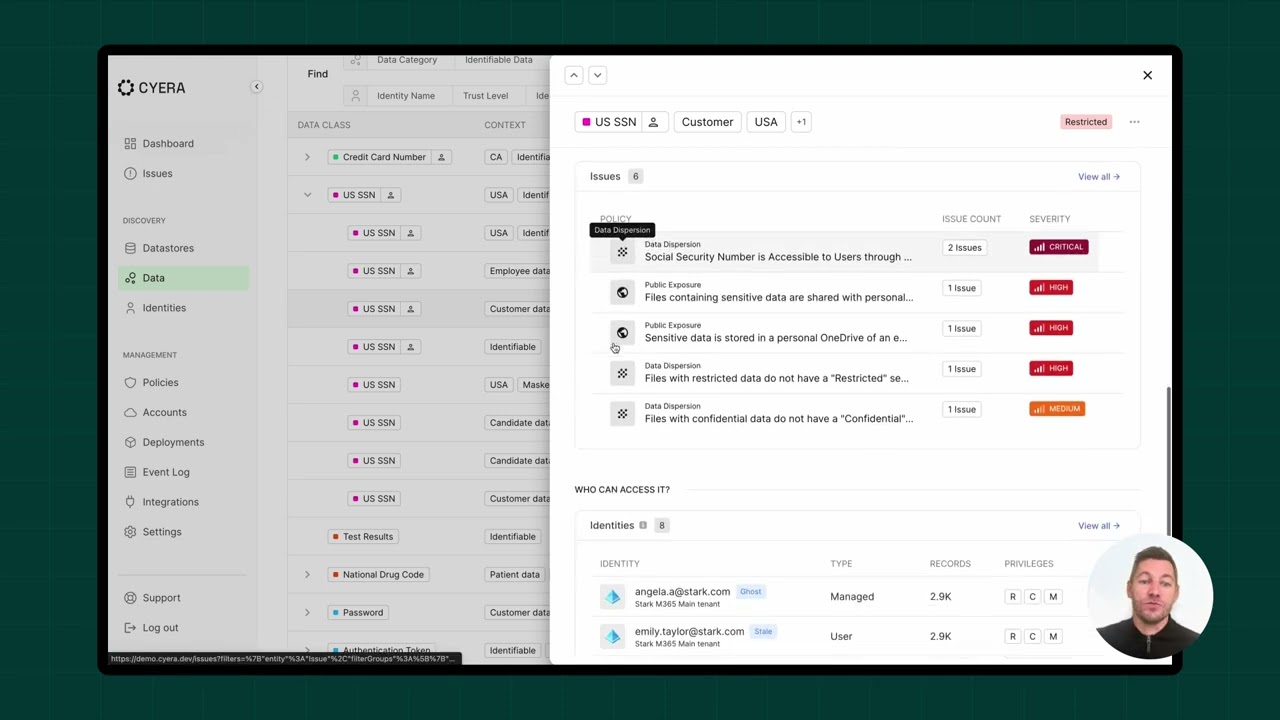
As organizations store information across cloud platforms, SaaS applications, data warehouses, and AI systems, simply securing the infrastructure is no longer enough. Security teams also need to know what data they have, where it is located, who can access it, and whether it is exposed.
Cyera provides an AI-powered data security platform designed to discover data, classify it, monitor risk, and help organizations remediate security issues.
Why Cyera stands out
One of Cyera’s differentiators is its focus on making data security more automated.
The company describes an agentless deployment model and an AI-powered classification engine designed to understand data across environments. Its platform has also expanded toward data security posture management and data loss prevention.
This becomes particularly relevant as companies adopt generative AI.
AI systems require access to increasingly large amounts of corporate data, creating new questions around sensitive information, permissions, data leakage, and governance.
Best suited for:
Enterprises managing large cloud, SaaS, and on-premises data environments, particularly organizations adopting AI at scale.
Key strength: Data discovery and AI-powered data security.
7. Pentera
Specialty: Automated security validation and adversarial exposure validation
Pentera addresses a fundamental question that many cybersecurity teams struggle with:
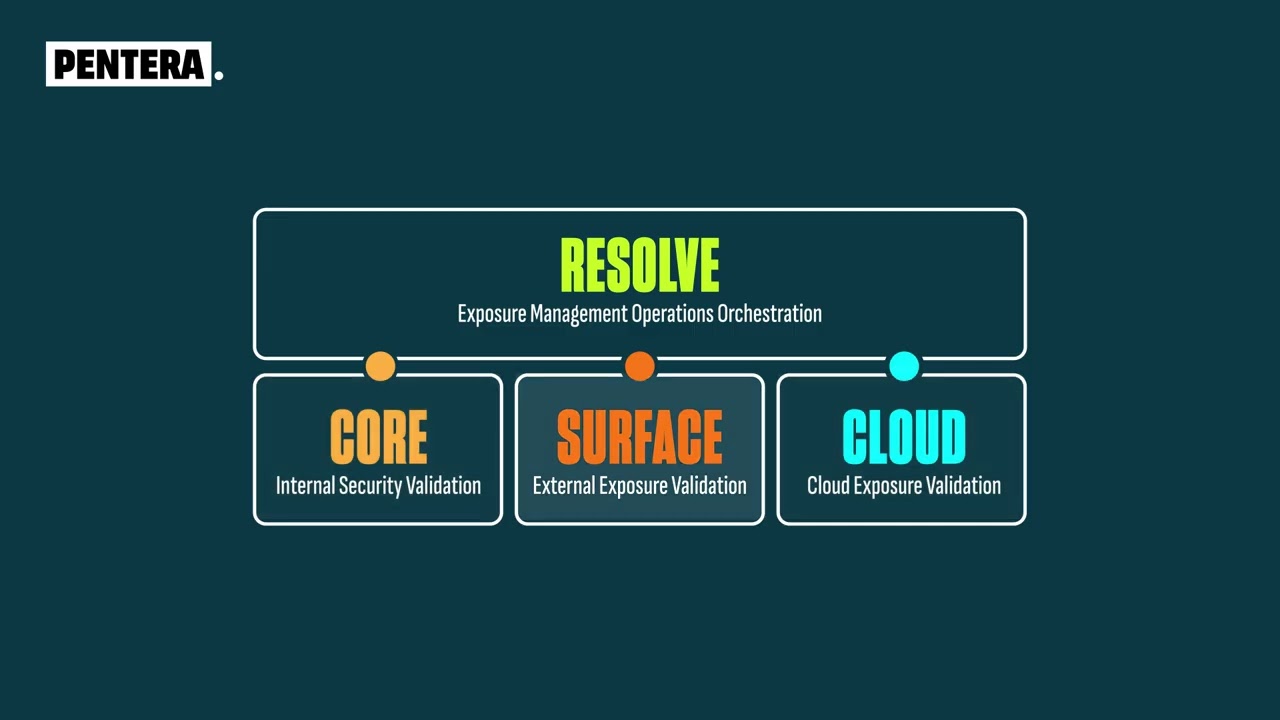
Do our security controls actually work?
Organizations can spend millions of dollars on firewalls, endpoint protection, identity tools, vulnerability scanners, and other security products. But having security controls does not necessarily mean those controls will stop a real attack.
Pentera focuses on continuously validating security defenses through automated testing and attack emulation.
Why Pentera stands out
Instead of simply generating another list of theoretical vulnerabilities, Pentera attempts to demonstrate which exposures can actually be exploited.
The company says its platform combines automated security testing, attack emulation, AI-driven adaptability, and remediation workflows. More than 1,000 CISOs globally reportedly use Pentera, while the company surpassed $100 million in ARR in 2025.
Its momentum has continued in 2026, including partnerships and product expansion around threat-led exposure validation and AI-native penetration testing.
Best suited for:
Security teams that want to continuously test their defenses and prioritize vulnerabilities based on demonstrated exploitability.
Key strength: Turning theoretical security risk into validated exposure.
8. Silverfort
Specialty: Identity security
Silverfort focuses exclusively on one of the most important attack surfaces in modern cybersecurity: identity.

Traditional identity security can become fragmented across Active Directory, cloud environments, SaaS applications, legacy systems, service accounts, and machine identities.
Silverfort aims to provide a unified identity security layer across these environments.
Why Silverfort stands out
The company’s approach is particularly interesting because it is designed to protect environments that traditional identity tools can struggle to cover.
Silverfort says its platform can protect identities across cloud and on-premises environments, including human and machine identities. Its current platform also includes capabilities around identity threat detection and response, non-human identity security, privileged access, and AI-agent security.
In 2026, Silverfort expanded its focus on AI-driven attacks and AI-agent identity security, reflecting the rapid growth of non-human identities inside enterprise environments.
Best suited for
Enterprises with complex identity environments, legacy infrastructure, Active Directory, cloud systems, service accounts, and emerging AI-agent deployments.
Key strength: Unified identity protection across diverse environments.
9. Axonius
Specialty: Cyber asset management and exposure management
Axonius focuses on a deceptively difficult cybersecurity problem:
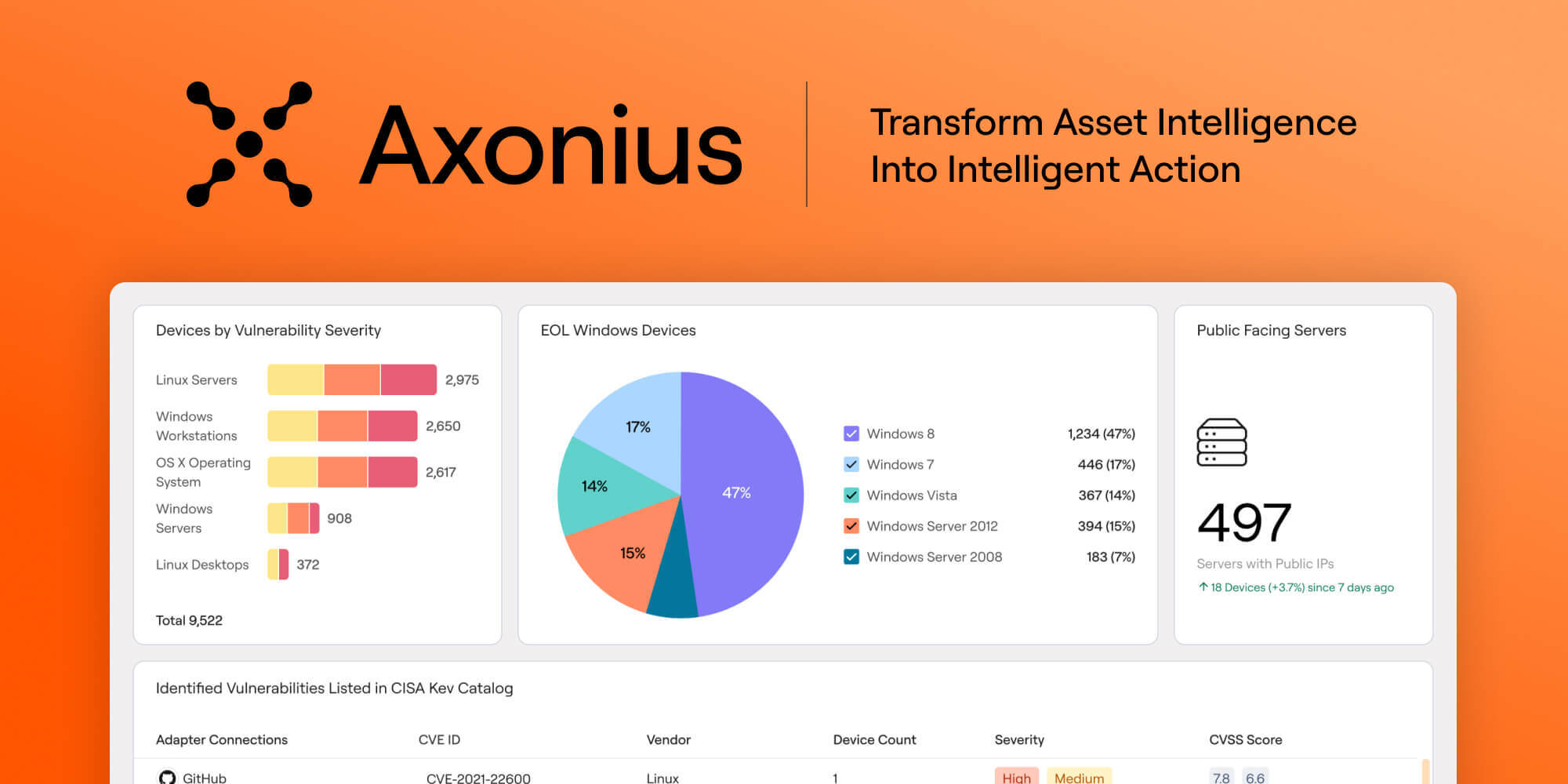
Do you actually know what is connected to your environment?
Large organizations can have thousands of laptops, servers, cloud assets, applications, identities, security tools, and other technologies. Maintaining an accurate inventory across all these systems is difficult.
Axonius created a platform around this problem, combining asset intelligence with security operations and exposure management.
Why Axonius stands out
Rather than replacing every existing security tool, Axonius aims to connect information from different systems and create a more unified view of an organization’s assets.
The company announced in May 2026 that it had surpassed $200 million in ARR, representing 100% growth over two years.
That growth reflects increasing demand for better visibility as enterprise environments become more fragmented.
For security teams, visibility is often the first step toward remediation. If an organization does not know an asset exists, it is difficult to determine whether it is vulnerable, misconfigured, or adequately protected.
Best suited for:
Large organizations with complex technology environments and fragmented security tooling.
Key strength: Unified visibility across cybersecurity assets and controls.
10. Aikido Security
Specialty: Developer-first application security
Aikido Security is one of the more developer-focused cybersecurity companies on this list.

Rather than building a security platform exclusively for traditional security teams, Aikido focuses on bringing multiple application security capabilities into a single workflow for software development teams.
Its platform covers areas such as source-code security, software composition analysis, cloud security, runtime protection, and vulnerability management.
Why Aikido Security stands out
Modern software teams often end up managing a large collection of security scanners and tools.
One tool checks source code. Another checks dependencies. Another scans cloud infrastructure. Another looks at runtime vulnerabilities.
Aikido’s proposition is to consolidate these security functions into a more unified developer-oriented platform.
This approach is particularly relevant for growing companies that want security integrated into the development workflow rather than treating cybersecurity as a separate process.
Best suited for:
Startups, scale-ups, and software engineering teams that want centralized application security without managing a large collection of disconnected tools.
Key strength: All-in-one, developer-friendly application security.
How to Choose Between These Cybersecurity Companies
There is no single best cybersecurity company for every organization. The right choice depends heavily on the type of risk a business is trying to address.
For example, a manufacturing company operating industrial systems may benefit more from Claroty or Dragos than from a traditional endpoint security platform.
A company dealing with large volumes of sensitive cloud data may find Cyera more relevant, while an enterprise struggling with identity-related attacks may prioritize Silverfort.
Meanwhile, organizations looking to test whether their existing security defenses actually work could consider Pentera, while software development teams may find Aikido Security more relevant. Additionally, for those looking to amplify their reach in the digital space, partnering with web3 marketing companies can help build trust in new markets.
A simple way to think about the list is:
- Email and human behavior: Abnormal AI
- Managed security operations: Arctic Wolf
- SMB cybersecurity: Huntress
- Industrial and cyber-physical security: Claroty
- OT and critical infrastructure: Dragos
- Data and AI security: Cyera
- Security validation: Pentera
- Identity security: Silverfort
- Cyber asset management: Axonius
- Application security: Aikido Security
The important takeaway is that today’s cybersecurity market is becoming increasingly specialized. Instead of relying on one massive platform to solve every security problem, organizations are increasingly evaluating technologies based on specific attack surfaces and operational needs.
What Makes These Cybersecurity Companies Worth Watching in 2026?
1. AI is changing both attacks and defense
Generative AI allows attackers to create more convincing phishing campaigns, automate reconnaissance, and scale attacks. At the same time, cybersecurity companies are using AI in cybersecurity to analyze behavioral signals, automate investigation, and accelerate remediation.
Abnormal AI, Silverfort, Cyera, and Pentera are examples of companies adapting their platforms around this shift.
2. Identity is becoming a bigger attack surface
As organizations adopt cloud applications, APIs, service accounts, and AI agents, the number of digital identities continues to grow.
This makes identity security increasingly important beyond traditional employee authentication.
3. Data is becoming the security perimeter
Organizations can have secure infrastructure while still exposing sensitive data through excessive permissions, misconfigured storage, SaaS applications, or AI systems.
That is why data security platforms such as Cyera are gaining attention.
4. Security teams want proof, not just alerts
Security teams are already overwhelmed with notifications.
Companies such as Pentera are responding to this problem by focusing on whether an exposure is actually exploitable rather than simply reporting that a vulnerability exists.
5. Operational technology needs specialized protection
Industrial environments cannot always be secured using traditional IT security approaches.
As manufacturing, utilities, healthcare, and infrastructure become more connected, specialized OT and cyber-physical security companies are likely to remain important.
Final Thoughts
The cybersecurity market in 2026 is much broader than the handful of giant vendors that dominate mainstream technology conversations.
The most interesting cybersecurity companies are increasingly building specialized solutions for specific problems: protecting identities, securing AI systems, monitoring industrial environments, understanding corporate data, validating security controls, and helping developers build safer software.
Companies such as Abnormal AI, Arctic Wolf, Huntress, Claroty, Dragos, Cyera, Pentera, Silverfort, Axonius, and Aikido Security illustrate this shift.
They may not have the same universal name recognition as the largest technology corporations, but that is precisely what makes them worth watching. Each is addressing a specific part of the cybersecurity problem—and several are growing quickly as those problems become more difficult to solve.
For businesses evaluating security technologies, the lesson is simple: the best cybersecurity solution is not necessarily the biggest one. It is the one that understands the attack surface you actually need to protect.
Frequently Asked Questions
1. What are the top cybersecurity companies in 2026?
Some notable cybersecurity companies to watch in 2026 include Abnormal AI, Arctic Wolf, Huntress, Claroty, Dragos, Cyera, Pentera, Silverfort, Axonius, and Aikido Security. These companies were selected for their specialization, technology, market momentum, and relevance to emerging cybersecurity challenges.
2. Which cybersecurity company is best for email security?
Abnormal AI is particularly focused on modern email threats such as business email compromise, phishing, vendor fraud, and account takeover. Its platform uses behavioral AI to identify suspicious activity beyond traditional email security rules.
3. Which cybersecurity companies focus on industrial security?
Claroty and Dragos are two notable specialist companies in industrial and operational technology cybersecurity. Claroty focuses broadly on cyber-physical systems, while Dragos has a particularly strong focus on OT environments and critical infrastructure.
4. What cybersecurity company focuses on data security?
Cyera focuses on data security, including data discovery, classification, monitoring, and remediation across cloud, SaaS, and other environments. Its platform has increasingly incorporated AI and data security posture management capabilities.
5. Why are smaller cybersecurity companies becoming important?
Cybersecurity is becoming increasingly specialized. Instead of trying to solve every security problem with one platform, organizations may need specialized technologies for identity, data, cloud, industrial systems, applications, and AI. This creates opportunities for focused cybersecurity companies to compete through specialized technology and expertise.