
Quantifying the value of synthetic data in financial workflows
Financial institutions are increasingly adopting synthetic data to bypass the bottlenecks of traditional data procurement, which often involves lengthy legal reviews and complex PII (Personally Identifiable Information) masking. The economic value of synthetic data lies in its ability to provide statistically accurate, privacy-compliant datasets that mirror the distribution of real-world financial transactions without exposing sensitive customer records.
By utilizing top synthetic data companies and providers, firms can accelerate model training cycles from months to days, directly impacting the ROI of AI-driven fraud detection and credit scoring systems. For those looking to integrate these advanced technologies, partnering with blockchain development companies can provide the necessary infrastructure for secure, decentralized data handling.
Reducing data procurement and privacy compliance overhead
The traditional cost of acquiring high-quality financial data involves significant operational expenses, including data cleaning, manual labeling, and rigorous anonymization processes to meet GDPR or CCPA standards. Anonymization techniques like k-anonymity or differential privacy often degrade the utility of the data, rendering it less effective for training machine learning models. Synthetic data providers mitigate these costs by generating high-fidelity datasets that are privacy-by-design, effectively eliminating the risk of re-identification.
When evaluating the financial impact, consider the following cost drivers:
- Operational Labor: Reducing the man-hours required for legal teams to vet third-party data sets for PII leakage.
- Infrastructure Efficiency: Minimizing the compute overhead associated with processing massive, redundant raw datasets that require extensive cleaning.
- Compliance Insurance: Lowering the potential legal liability and regulatory fines associated with accidental data breaches during the model development phase.
For instance, a bank using synthetic transaction logs can test a new anti-money laundering (AML) algorithm against millions of synthetic scenarios without ever touching a real customer account. This approach removes the need for expensive data clean rooms and long-term storage of sensitive production data, shifting the budget from compliance-heavy data management to high-value model innovation. In sectors like medicine, this is particularly vital for enhancing healthcare data security while maintaining analytical utility.
Cost structures of top synthetic data companies and providers
Evaluating the financial commitment required for synthetic data integration involves navigating diverse pricing architectures. Leading firms typically align their costs with the complexity of the data generation pipeline, the volume of synthetic records required, and the level of human-in-the-loop (HITL) verification needed to ensure statistical fidelity.
Subscription versus project-based pricing models
Most top synthetic data companies and providers offer either a recurring Software-as-a-Service (SaaS) subscription or a bespoke project-based engagement. Understanding the trade-offs between these two models is essential for budget forecasting.
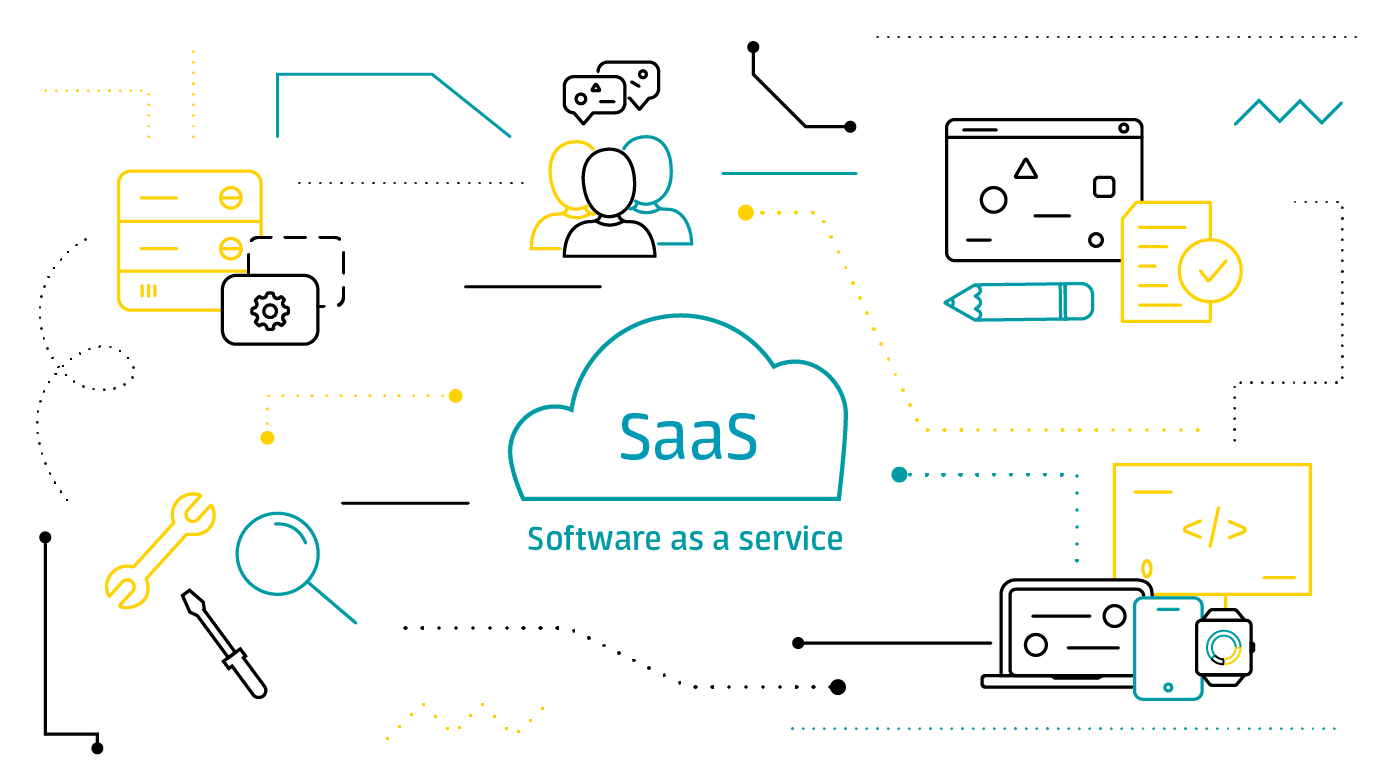
Subscription-based models are common among platforms like Gretel.ai or Mostly AI. These services typically charge a monthly or annual fee based on the number of data rows processed or the number of active models deployed. This model is advantageous for organizations with continuous data needs, such as teams performing ongoing A/B testing or those requiring daily refreshes of privacy-compliant datasets.
The primary benefit is cost predictability; however, users often face tiered limits on compute resources, which can lead to unexpected overage charges if data throughput spikes.
Project-based pricing is the standard for custom enterprise solutions where providers build proprietary generative models tailored to specific, highly sensitive industry datasets. This approach often involves a significant upfront investment for model architecture, training, and validation. While the initial cost is higher, project-based engagements often include dedicated engineering support and custom API integrations that off-the-shelf subscriptions lack.
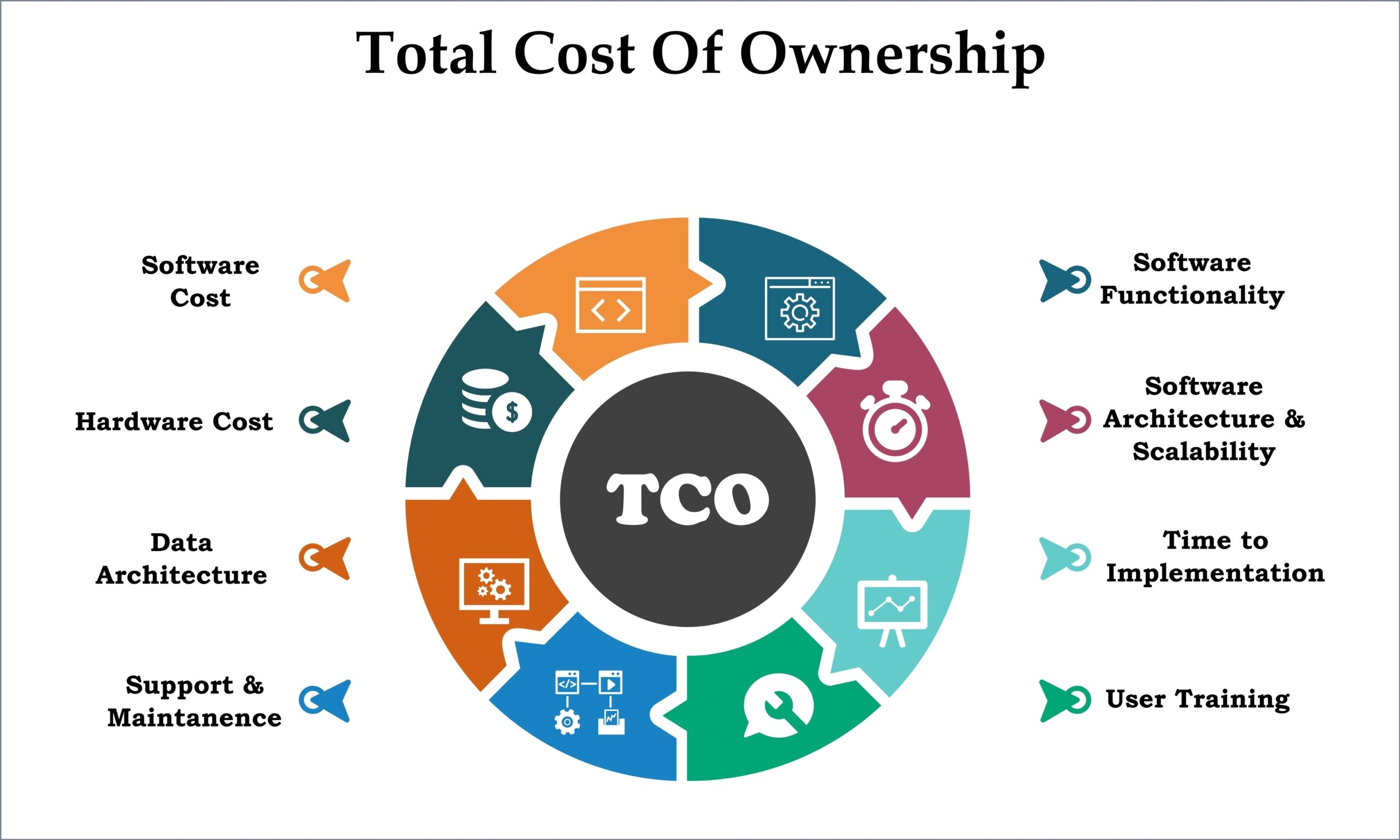
This model is better suited for one-off initiatives, such as training a specific computer vision model for autonomous driving or generating synthetic medical records for a single clinical trial. When selecting a provider, organizations must account for hidden costs beyond the base fee. These include cloud infrastructure expenses—often billed separately if the model runs on the client’s private cloud—and the cost of expert data scientists required to tune hyperparameters.
A low-cost subscription may appear attractive, but if the platform requires extensive manual data cleaning before ingestion, the total cost of ownership (TCO) often exceeds that of a more expensive, fully managed project-based service.
Measuring ROI through model performance and time-to-market
Evaluating the financial utility of synthetic data requires moving beyond raw data volume metrics. The true economic value lies in the delta between model performance with synthetic augmentation versus baseline performance using only real-world data. Organizations must track the reduction in error rates—specifically in edge-case detection—as this directly correlates to lower operational costs and reduced risk of model failure in production environments.
Calculating the impact on model training velocity
Faster iteration cycles serve as a primary driver for competitive advantage. When selecting from top synthetic data companies and providers, the ability to generate high-fidelity, privacy-compliant datasets in hours rather than months fundamentally alters the product development lifecycle. By reducing the time-to-market for new AI features, firms can capture market share earlier and realize revenue streams that would otherwise be delayed by manual data labeling bottlenecks. To maximize these gains, many firms now leverage data driven marketing to ensure their AI-enhanced products reach the right audience effectively.
To quantify this impact, apply the following formula: (Baseline Development Time – Synthetic-Accelerated Time) × Daily Revenue Contribution of AI Feature. This calculation reveals the hidden opportunity cost of relying solely on traditional data acquisition.
For instance, if a synthetic data provider reduces a training cycle by 30 days and the resulting model generates $10,000 in daily value, the synthetic solution provides an immediate $300,000 uplift in potential revenue. Beyond speed, consider the cost-per-sample. Synthetic data typically costs 40% to 70% less than human-annotated ground truth data, especially for complex tasks like 3D point cloud segmentation or medical imaging annotation.
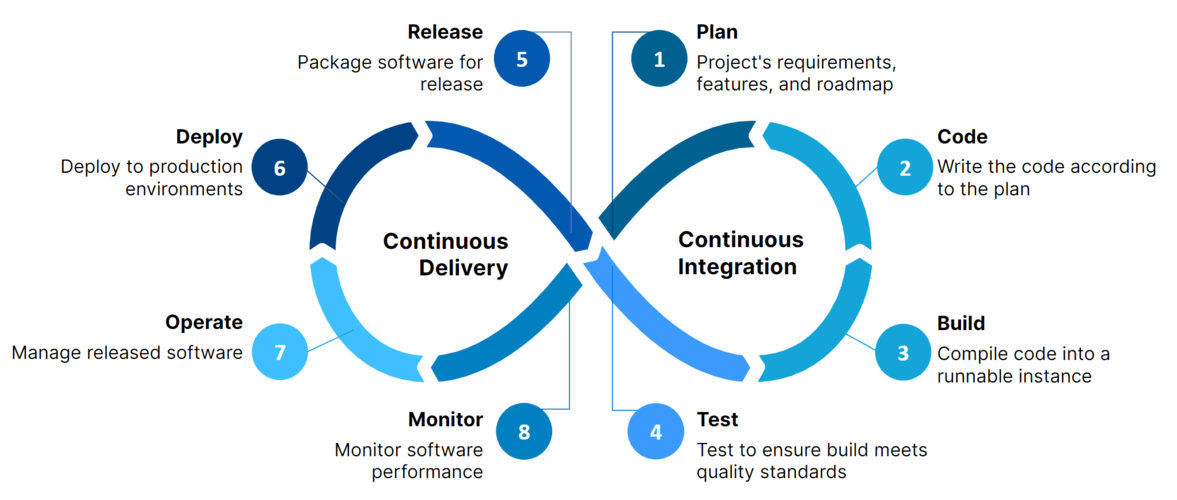
When assessing providers, prioritize those offering API-first integration, as this minimizes the engineering overhead required to pipe synthetic outputs directly into existing CI/CD pipelines for machine learning.
Operational risks and hidden integration expenses
Selecting from the top synthetic data companies and providers requires looking beyond the initial licensing fee. Organizations often underestimate the operational friction involved in embedding synthetic datasets into existing machine learning (ML) pipelines. The primary risk lies in model drift and data quality degradation if the synthetic generator is not periodically recalibrated against live production data.
If the synthetic distribution deviates from the real-world ground truth, downstream models will suffer from performance decay, necessitating costly manual auditing and retraining cycles.
Infrastructure requirements and cloud compute overhead
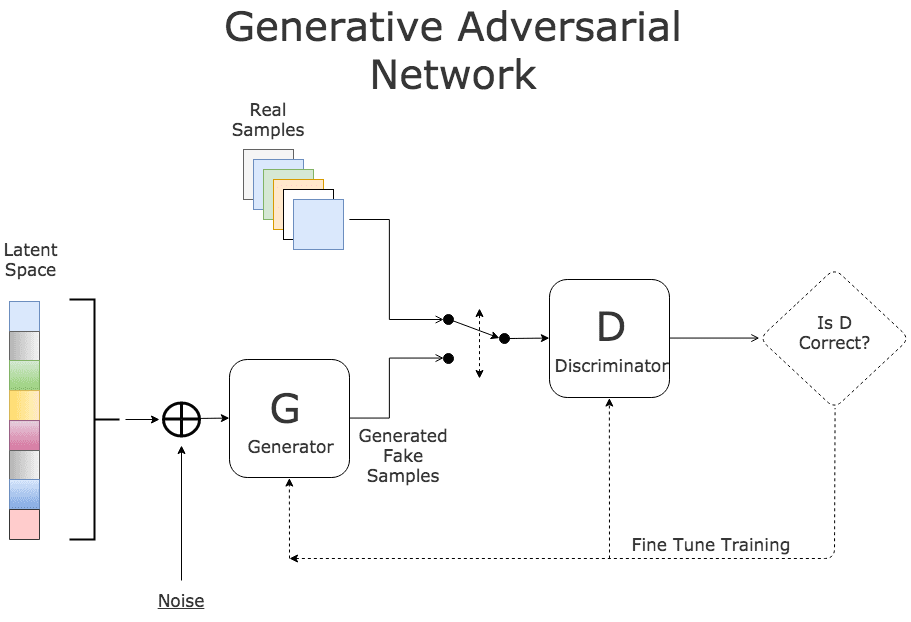
Scaling synthetic data generation is rarely a zero-cost operation regarding compute resources. Most enterprise-grade providers utilize Generative Adversarial Networks (GANs) or Diffusion models that demand significant GPU acceleration. When integrating these solutions, companies must account for the following hidden expenses:
- VPC Egress and Data Transfer Fees: Moving massive synthetic datasets between the provider’s cloud environment and your internal data lake can incur substantial egress costs, especially if your architecture is multi-cloud.
- Compute-to-Storage Ratios: Generating high-fidelity synthetic images or tabular records requires sustained high-performance compute instances. If your team opts for on-demand instances rather than reserved capacity, the hourly burn rate can quickly exceed the cost of the software license itself.
- Orchestration Complexity: Integrating synthetic data generation into CI/CD pipelines requires robust API management. You will need to allocate engineering hours to build automated validation checks—such as statistical parity tests—to ensure the synthetic output meets your specific distribution requirements before it hits your production training environment.
Furthermore, consider the vendor lock-in risk. Proprietary synthetic data platforms often use unique serialization formats or specific model architectures that are difficult to migrate. If a provider changes their pricing model or deprecates a specific generation engine, your team may face a significant technical debt burden to re-engineer your data ingestion layer.
Always perform a cost-benefit analysis that includes the projected maintenance hours for the first 24 months of deployment, rather than focusing solely on the initial procurement cost.
Standardizing the vendor selection process
Selecting the right partner among top synthetic data companies and providers requires a transition from qualitative marketing claims to quantitative technical validation. Organizations should implement a structured Request for Proposal (RFP) process that prioritizes data fidelity, privacy compliance, and integration scalability. By standardizing the evaluation, procurement teams can effectively compare disparate offerings from firms like Mostly AI, Gretel.ai, and Tonic.ai against internal infrastructure requirements. For specialized technical projects, firms may also need to consult best python development companies to ensure their internal data pipelines are optimized for high-performance processing.
Key performance indicators for vendor vetting
To ensure technical and financial alignment, procurement and engineering teams must demand specific performance benchmarks during the vetting phase. Relying on generic promises of “high accuracy” is insufficient for enterprise-grade deployments. Instead, request the following metrics:
- Statistical Fidelity Score: Require vendors to provide a comparative analysis between the synthetic dataset and the source data using metrics like Jensen-Shannon divergence or Kolmogorov-Smirnov tests.
- Privacy Budget Consumption: For providers utilizing Differential Privacy, request the specific epsilon (ε) values used during generation. A lower epsilon indicates stronger privacy guarantees but often results in lower utility.
- Throughput Latency: Measure the time required to generate a synthetic dataset of a specific size (e.g., 1 million rows) to ensure the solution fits within your CI/CD pipeline requirements.
- Compute Cost per Record: Calculate the total cost of ownership by dividing the vendor’s licensing or API fees by the volume of synthetic records produced, including any hidden cloud infrastructure costs incurred during the generation process.
Beyond these technical metrics, evaluate the vendor’s ability to handle edge cases specific to your industry. For instance, if you are in fintech, verify the provider’s capability to maintain temporal consistency in transaction sequences. If the vendor cannot demonstrate how their model preserves complex relational integrity across multiple database tables, the resulting synthetic data may fail to train your machine learning models effectively, regardless of the initial cost savings. To gain deeper market intelligence on these providers, you can also look into a statistr leading provider for comprehensive industry benchmarks.
Finally, perform a “blind test” where your internal data science team attempts to distinguish between the vendor’s synthetic samples and your real production data. If your models can easily identify the synthetic samples, the provider’s generative model lacks the necessary sophistication for your specific use case. This empirical validation remains the most reliable method for filtering out providers that do not meet your operational standards.
Frequently Asked Questions
ROI calculation methodology for synthetic data providers
ROI is calculated by comparing the cost of data acquisition and labeling against the reduction in model training time, the decrease in privacy compliance risks, and the improvement in predictive accuracy for financial models.
Primary cost drivers in vendor evaluation
Key cost drivers include compute resource consumption during generation, the complexity of maintaining data fidelity to real-world distributions, and the integration effort required to align synthetic outputs with existing data pipelines.