
Automated threat detection mechanisms
AI’s role in cybersecurity centers on the ability of machine learning models to ingest massive datasets of network traffic and identify deviations from established baselines. Unlike static rules, these models utilize unsupervised learning to cluster data points, flagging outliers that represent potential zero-day exploits or unauthorized lateral movement within a corporate network.
Pattern recognition versus signature-based systems
Traditional antivirus software relies on signature-based detection, where the system compares files against a database of known malware hashes. This approach is inherently reactive and fails against novel threats. In contrast, AI-driven behavioral analysis examines the execution flow of a process. By monitoring system calls, memory access patterns, and API interactions, AI identifies malicious intent based on how a program behaves rather than its file signature.
Real-world implementation: UEBA
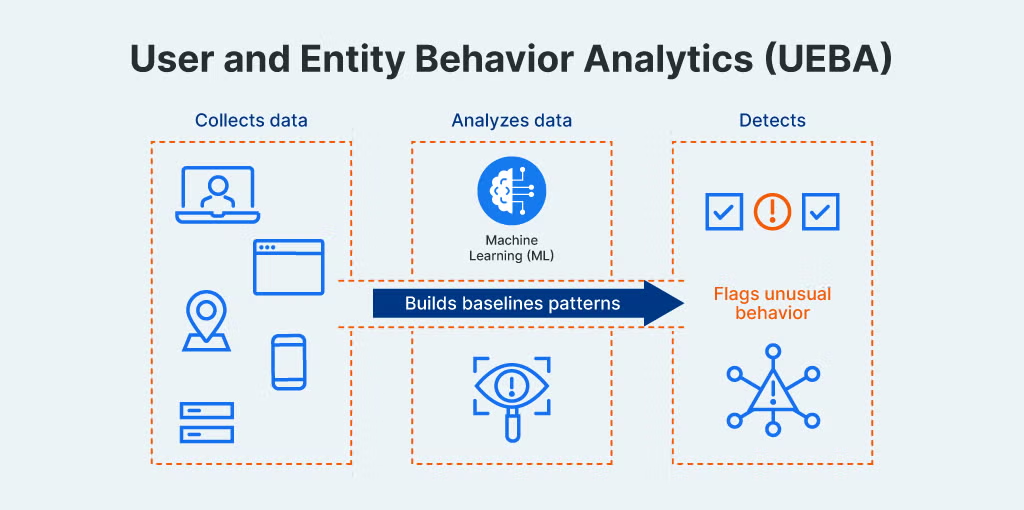
User and Entity Behavior Analytics (UEBA) serves as a practical application of this technology. By establishing a baseline for every user account—such as typical login times, accessed file shares, and geographical locations—the system triggers an alert when a credential is used to access sensitive databases at 3:00 AM from an unfamiliar IP address. This granular visibility allows security teams to detect compromised accounts long before data exfiltration occurs.
Accelerating incident response with AI
The primary value of AI in security operations is the drastic reduction of mean time to respond (MTTR) by automating the triage of thousands of daily alerts. Security Information and Event Management (SIEM) systems often overwhelm analysts with false positives. AI filters these alerts by correlating disparate events across endpoints, cloud logs, and identity providers to prioritize genuine high-fidelity threats.
Automated playbook execution
Security Orchestration, Automation, and Response (SOAR) platforms leverage AI to execute pre-defined playbooks without human intervention. For instance, if an AI model detects a compromised workstation communicating with a known command-and-control server, the SOAR platform can automatically isolate the host from the network, revoke the user’s active session tokens, and initiate a memory dump for forensic analysis in seconds.
The role of predictive analytics in vulnerability management
Beyond active threat detection, AI enhances vulnerability management by predicting which software flaws are most likely to be exploited. By analyzing exploit databases like the Common Vulnerabilities and Exposures (CVE) list alongside dark web chatter and threat intelligence feeds, AI tools prioritize patching schedules. This shifts security teams from a reactive ‘patch everything’ approach to a risk-based strategy that addresses the most critical exposures first.
Integrating AI into Cloud-Native Security
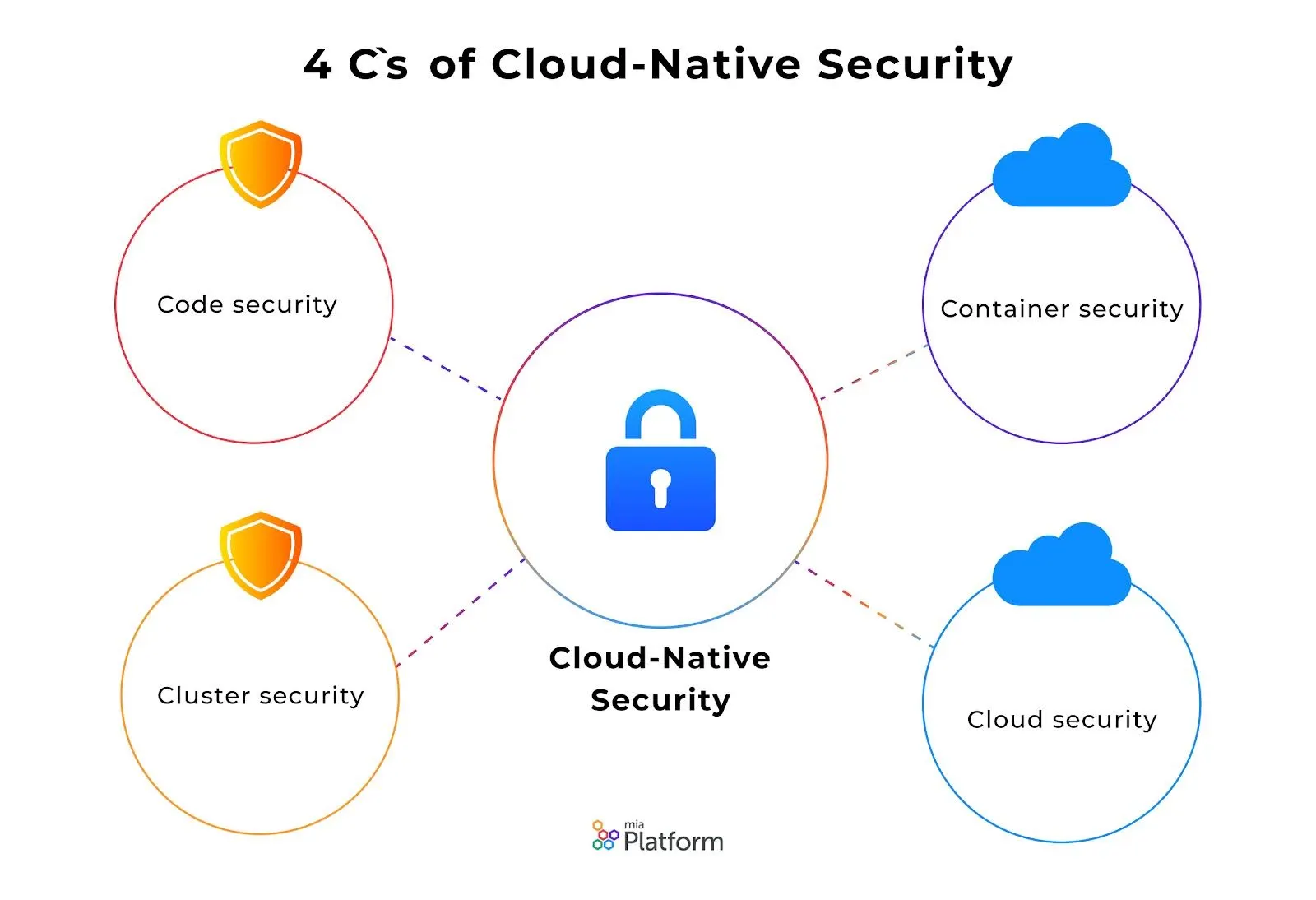
In cloud environments, AI is essential for managing ephemeral assets. Tools like Wiz or Prisma Cloud utilize AI to map complex attack paths across multi-cloud architectures, identifying misconfigurations that could lead to privilege escalation. By analyzing IAM (Identity and Access Management) roles, these tools detect over-privileged accounts that human auditors might miss, effectively shrinking the attack surface in real-time.
Data privacy and AI model training
A critical technical consideration is how models are trained without exposing sensitive corporate data. Federated learning is emerging as a solution, allowing models to learn from decentralized data sources across different branches or cloud regions without the raw data ever leaving its original environment. This preserves privacy while ensuring the AI benefits from a diverse set of threat intelligence signals.
Adversarial AI and the evolution of cyberattacks
Attackers are increasingly deploying adversarial AI to bypass traditional defenses. A primary concern is the generation of polymorphic malware, where AI algorithms mutate the code structure of a payload in real-time to evade static detection. Furthermore, attackers utilize large language models (LLMs) to craft highly personalized phishing campaigns that lack the grammatical errors or generic templates typically used to identify social engineering attempts.
Critical limitations of AI in security operations
Despite its utility, AI is not a panacea. Security models are susceptible to data poisoning, where attackers inject malicious data into the training set to manipulate the model’s future outputs. Furthermore, the high rate of false positives in poorly tuned models can lead to alert fatigue, causing analysts to ignore legitimate warnings.
The challenge of model explainability
A significant hurdle is the black-box nature of deep learning models. Security analysts often struggle to interpret why an AI flagged a specific packet as malicious. Without clear explainability, analysts cannot verify the model’s logic, leading to a lack of trust in automated decisions and potential regulatory compliance issues regarding automated data processing.
Strategic integration of AI’s role in cybersecurity
Effective security architecture requires a hybrid approach that balances machine automation with human expertise. AI should handle high-volume, repetitive tasks such as log aggregation and initial triage. Meanwhile, human analysts must focus on threat hunting, complex incident investigation, and the continuous oversight of model performance to ensure the AI remains aligned with the organization’s evolving risk profile.
Frequently Asked Questions
Definition of AI security
AI security involves protecting AI systems from attacks like data poisoning and model inversion, while simultaneously using AI to defend traditional IT infrastructure.
Pathways to becoming an AI security engineer
You need a strong foundation in data science, machine learning frameworks like PyTorch or TensorFlow, and deep knowledge of network security and penetration testing.
Operational impact of AI in cybersecurity
AI helps by automating the detection of anomalous network traffic, triaging thousands of security alerts, and executing rapid incident response playbooks.
Core benefits of AI in security
Key benefits include faster threat detection, reduced MTTR, the ability to identify zero-day threats, and the automation of repetitive security tasks.
Primary disadvantages of AI in security
Disadvantages include susceptibility to data poisoning, high false-positive rates, and the ‘black-box’ problem where decisions are difficult for humans to interpret.
Evaluation of top AI security certifications
Certifications like the AI Security Professional (AISP) or specialized cloud security certifications (AWS/Azure/GCP) that cover AI services are currently the most relevant.