
Core value proposition: Benefits of green digital banking for retail customers
Green digital banking integrates environmental sustainability directly into retail financial services, allowing users to align their spending habits with ecological goals. Unlike traditional banking, which often obscures the carbon intensity of capital allocation, green-focused platforms provide transparency and actionable data. For retail customers, the primary benefits include automated carbon footprint tracking, access to sustainable investment portfolios, and the ability to offset emissions through verified projects directly within their banking interface.
Mechanism of carbon tracking and impact reporting
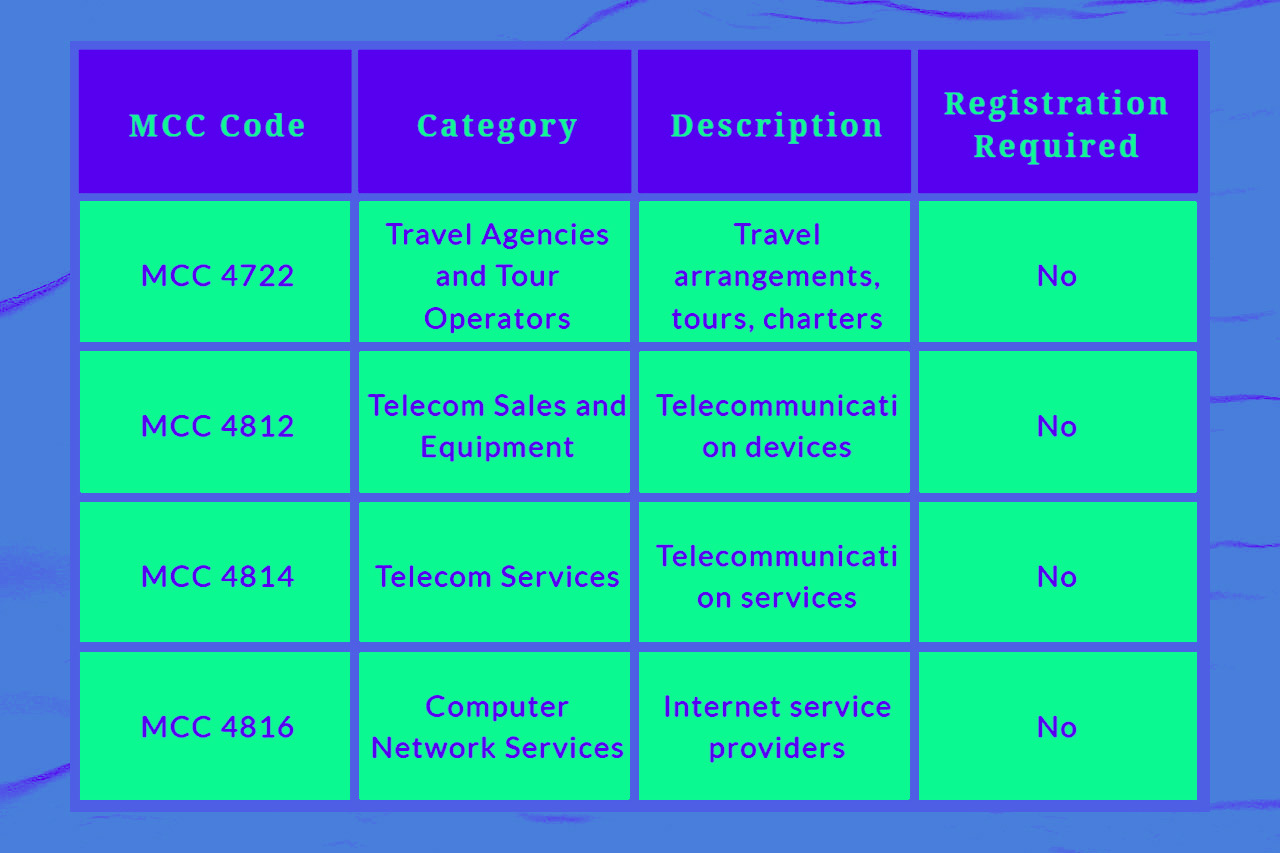
The core of green digital banking relies on the Åland Index or similar proprietary methodologies to translate transaction data into carbon metrics. Apps like Doconomy and Aspiration utilize Merchant Category Codes (MCCs) to estimate the greenhouse gas emissions associated with specific purchases. For instance, a transaction at a gas station is assigned a higher carbon intensity factor compared to a purchase at a local grocery store or a public transit provider.
These platforms process transaction metadata in real-time, applying a lifecycle assessment (LCA) approach to estimate the environmental cost of goods and services. When a customer swipes their card, the banking backend cross-references the merchant type and transaction amount against global emission databases. This data is then presented to the user through a dashboard, providing a granular view of their monthly carbon output. Some platforms go further by offering ‘impact scoring,’ which categorizes spending into ‘high,’ ‘medium,’ or ‘low’ impact tiers, helping users visualize the environmental consequences of their consumption patterns.
Beyond mere tracking, these systems often integrate with carbon credit marketplaces. Once an individual identifies their footprint, they can authorize micro-payments to fund reforestation or renewable energy projects. This creates a closed-loop system where the digital bank acts as both a monitor of environmental impact and a facilitator of sustainable green finance technology, effectively gamifying sustainability for the retail user while maintaining standard banking functionality.
Financial performance comparison: Green vs traditional banking
Retail customers often assume that choosing green digital banking services requires sacrificing financial performance for environmental ethics. However, data from platforms like Aspiration and Bunq indicates that digital-native green banks often operate with lower overhead costs than traditional brick-and-mortar institutions. By eliminating physical branch maintenance and legacy infrastructure, these fintechs can pass savings back to the user through higher interest rates on savings accounts or reduced transaction fees.
When analyzing the benefits of green digital banking for retail customers, the primary financial advantage lies in the efficiency of the digital model. Traditional banks allocate significant capital to physical real estate and manual processing, which often results in lower yields for retail depositors. Conversely, green digital banks leverage automated cloud-based infrastructure, allowing them to maintain competitive Annual Percentage Yields (APY) while simultaneously directing capital toward renewable energy projects and carbon-offset initiatives.
Yield trade-offs in sustainable investment portfolios
Investors frequently question whether ESG-focused portfolios underperform compared to traditional market indices. Historical performance data from major ESG ETFs, such as the iShares ESG Aware MSCI USA ETF (ESGU), suggests that sustainable funds often track closely with, or occasionally outperform, their non-ESG counterparts. The long-term financial viability of these portfolios is supported by the increasing regulatory pressure on carbon-intensive industries, which poses a significant risk to traditional portfolios.
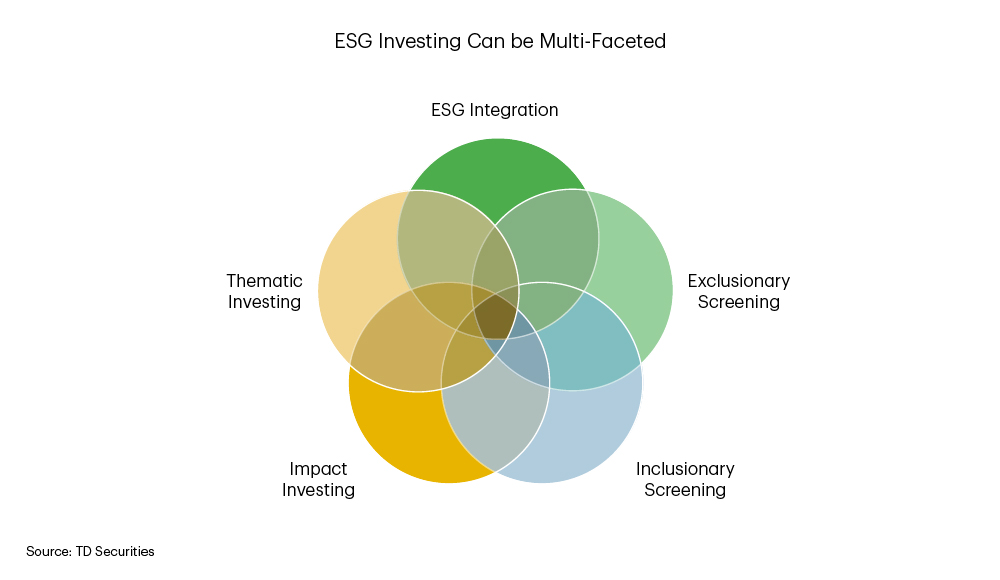
Retail customers should recognize that the trade-off is rarely a binary choice between profit and planet. Instead, it is a shift in risk management. Companies with high ESG ratings are increasingly viewed as more resilient to climate-related regulatory changes and supply chain disruptions. While short-term volatility in green energy sectors can occur due to policy shifts, the long-term outlook for sustainable assets remains robust. Customers utilizing green digital banking platforms benefit from this by gaining access to curated investment products that align with institutional-grade ESG criteria, often with lower entry barriers than traditional wealth management services.
Operational limitations and accessibility gaps
While green digital banking models prioritize sustainability by eliminating paper statements and physical branch footprints, they introduce specific operational hurdles for retail customers. The transition to a purely virtual ecosystem assumes universal digital literacy and high-speed connectivity, which are not yet guaranteed across all demographics. Customers residing in regions with unstable internet infrastructure or those lacking advanced mobile hardware often find themselves excluded from the full suite of eco-friendly financial tools. As the industry evolves, many are considering what is the future of cbdcs central bank digital currencies in relation to these retail platforms.
Cash handling and physical branch dependency
The core friction in digital-only banking models stems from the absence of physical infrastructure for cash-based transactions. For retail customers who rely on physical cash for daily commerce, the benefits of green digital banking are often overshadowed by the practical difficulty of depositing currency. Unlike traditional institutions that utilize branch networks, digital-only banks must rely on third-party ATM networks or retail partnership programs to facilitate cash intake. These workarounds frequently impose transaction fees or daily deposit limits that hinder financial flexibility. Many modern institutions are now integrating AI in insurance claims processing benefits to streamline these back-end verification tasks.
Furthermore, complex financial issues—such as notarizing documents, settling estate accounts, or resolving high-stakes disputes—often require face-to-face interaction. When a digital bank lacks a physical branch, customers may experience significant delays in resolution times. This dependency gap forces users to maintain a secondary account at a traditional bank, effectively negating the environmental impact of consolidating their financial life into a single, paperless digital platform. To mitigate these gaps, some neobanks are experimenting with “lite” service hubs or digital kiosks, yet these solutions remain limited in geographic scope and service capability. Customers must weigh the carbon-saving benefits of a digital-only account against the potential inconvenience of restricted access to essential, non-digital banking services.
Decision matrix for selecting a banking model
Choosing between a green digital-first institution and a legacy bank requires balancing environmental values against specific operational needs. Retail customers should evaluate their primary financial activities against the structural strengths of each model. A green digital bank excels in low-friction, automated transactions and carbon-neutral footprint tracking, whereas traditional institutions provide physical infrastructure for complex, high-touch financial events. Leaders in the space are currently empowering future banking through these hybrid models.
Criteria for maintaining legacy banking infrastructure
Despite the clear benefits of green digital banking for retail customers, legacy banking infrastructure remains superior for specific, high-stakes financial requirements. You should maintain a relationship with a traditional bank if your financial profile involves the following scenarios:
- High-volume cash management: If your household or small business handles significant amounts of physical currency, digital-only banks often impose restrictive deposit limits or lack the ATM network density required for frequent cash handling.
- Complex lending and bespoke advisory: Traditional banks often provide better support for specialized lending products, such as complex mortgage structuring, private banking, or multi-generational wealth planning that requires face-to-face interaction with a dedicated relationship manager.
- Notary and physical document services: Certain legal or international transactions necessitate physical signatures, medallion signature guarantees, or certified document handling that neo-banks cannot offer.
- Emergency access to physical branches: In situations involving account fraud, identity theft, or the need for immediate access to a safety deposit box, the physical presence of a brick-and-mortar branch provides a level of security and resolution speed that purely digital platforms currently lack.
For most retail users, a hybrid approach is the most pragmatic strategy. By utilizing a green digital bank for daily spending, savings, and automated budgeting—thereby reducing your personal carbon footprint—while retaining a secondary account at a traditional bank for complex services, you optimize both environmental impact and functional utility. This dual-account strategy ensures you do not sacrifice operational efficiency for sustainability goals, allowing you to leverage the specific strengths of both financial models according to your immediate needs. When evaluating these platforms, consider the top 10 SaaS technology companies supporting business digital transformation to ensure your data remains protected.
Frequently Asked Questions
Primary benefits of green digital banking for retail customers
The core benefits include lower carbon footprints for your savings, transparency regarding where your money is invested, and often lower fees due to the lack of physical branch overhead.
Interest rate competitiveness of green banking versus traditional institutions
Often, yes. Because green digital banks operate without the high costs of physical infrastructure, they can pass savings to customers through higher interest rates on savings accounts or lower transaction fees.