
Data integrity as the foundation for green financing
The transition to sustainable supply chains relies on moving away from manual, estimation-based reporting toward verifiable, high-fidelity data. The impact of IoT on green supply chain finance manifests primarily through the replacement of self-reported spreadsheets with automated, sensor-driven telemetry that provides a granular audit trail for financial institutions, revolutionizing supply chain transparency in the process.
Automated carbon footprint tracking
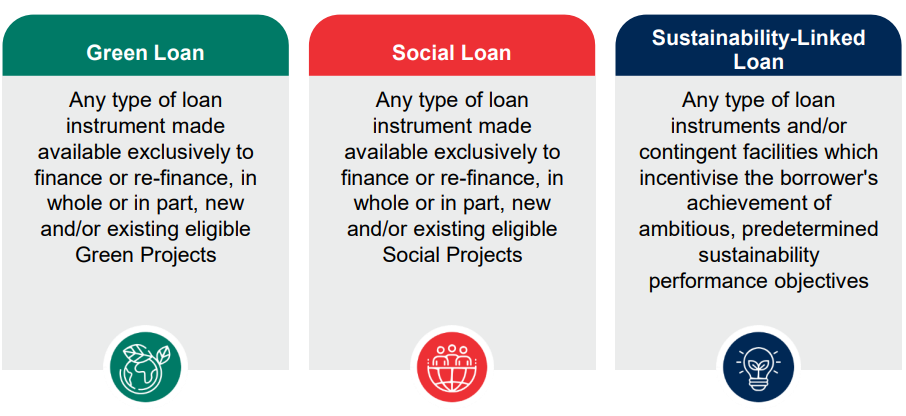
Financial institutions are increasingly tying loan interest rates to specific sustainability performance targets, known as Sustainability-Linked Loans (SLLs). IoT sensors deployed across logistics fleets—measuring fuel consumption, engine idle time, and route efficiency—provide the objective data required to validate these targets. By capturing real-time emissions data at the point of origin, companies can prove their carbon reduction metrics to lenders without the administrative burden of manual verification, effectively lowering the cost of capital for sustainable green finance technology initiatives.
Mechanisms driving the impact of iot on green supply chain finance
The direct link between IoT deployment and reduced capital costs stems from improved asset visibility. When lenders have access to real-time data regarding the location, condition, and environmental impact of collateral, the perceived risk of the underlying asset decreases significantly.
Risk mitigation through real-time asset monitoring
Lenders traditionally price risk based on historical averages and conservative estimates. IoT-enabled monitoring allows for dynamic risk assessment; for instance, sensors tracking cold-chain integrity prevent spoilage and waste, which are direct losses to collateral value. By reducing operational waste and ensuring asset longevity, firms demonstrate a lower probability of default, allowing banks to offer more favorable financing terms for green-certified logistics projects.
Integration hurdles in legacy logistics networks
While the theoretical benefits are clear, retrofitting existing supply chains presents significant technical and financial friction. Many legacy systems operate in silos, making the integration of new sensor hardware into aging ERP (Enterprise Resource Planning) systems a costly and complex endeavor.
Interoperability between IoT platforms and banking ledgers
A primary challenge involves syncing proprietary sensor data with bank-grade financial reporting systems. Without standardized APIs or middleware, the data collected by a fleet of trucks may not be readable or verifiable by a bank’s risk management software. This creates a data bottleneck where the information exists but cannot be effectively utilized to trigger automated financial events or loan adjustments. Implementing middleware solutions like MuleSoft or custom-built RESTful APIs is often necessary to bridge this gap between operational technology and financial core systems.
Economic trade-offs of sensor deployment
The decision to invest in IoT infrastructure requires a rigorous cost-benefit analysis. While the long-term financing incentives are attractive, the upfront capital expenditure for hardware, connectivity, and data management platforms can be substantial.
Capital expenditure versus long-term financing incentives
Companies must calculate the break-even point by comparing the cost of IoT deployment against the interest rate savings provided by green financing. For large-scale operations, the reduction in insurance premiums and the lower cost of debt often justify the investment within 24 to 36 months. However, for smaller enterprises, the initial outlay may outweigh the immediate financial gains, necessitating a phased approach to implementation. Firms often start by instrumenting high-value assets first to demonstrate ROI before scaling to the entire fleet.
Verification of green claims and regulatory compliance
Financial institutions face increasing pressure to prevent greenwashing, where companies exaggerate their environmental performance to secure better financing. IoT serves as a critical tool for mitigating this risk by providing immutable, timestamped data that is difficult to manipulate.
Standardizing sensor data for ESG reporting
The necessity of unified data protocols is paramount to satisfy international sustainability disclosure requirements, such as the CSRD (Corporate Sustainability Reporting Directive) in the EU. By adopting standardized communication protocols like MQTT or CoAP, firms can ensure that their sensor data is audit-ready and compliant with global ESG reporting standards, thereby increasing the credibility of their green financing applications. Furthermore, integrating blockchain-based ledgers with IoT data streams can create an immutable audit trail, providing lenders with absolute certainty regarding the provenance and accuracy of sustainability metrics, a core concept in blockchain finance revolutionizing traditional reporting.

Edge Computing and Real-Time Financial Triggers
Beyond simple data collection, the integration of edge computing allows for immediate processing of sensor data at the source. This capability enables smart contracts to execute financial adjustments automatically. For example, if a shipment of temperature-sensitive pharmaceuticals exceeds a specific thermal threshold, an IoT-enabled smart contract can automatically trigger a penalty clause or adjust insurance premiums in real-time. This level of automation reduces the latency between an operational event and its financial consequence, creating a more responsive and transparent financial ecosystem.
Frequently Asked Questions
Definition of green fintech
Green fintech refers to the intersection of financial technology and environmental sustainability, using digital tools to facilitate capital allocation toward eco-friendly projects and improve ESG reporting.
Technology contributions to sustainable finance
Technology improves sustainable finance by providing real-time, verifiable data that reduces the risk of greenwashing and allows for more accurate pricing of sustainability-linked financial products.
Safety profile of green neobanks for deposits
Green neobanks are generally as safe as traditional banks if they hold a valid banking license and are covered by national deposit insurance schemes, though users should always verify their specific regulatory status, especially when evaluating the benefits of green digital banking.
Role of AI in ESG reporting
AI automates the aggregation and analysis of vast, unstructured data sets, helping companies identify environmental risks and ensure their ESG disclosures meet complex regulatory requirements, which is also relevant when considering AI’s Impact on Security Jobs in the modern workforce.
Verification methods for green fintech claims
To verify a fintech’s green credentials, look for third-party certifications like B Corp, transparency in their investment portfolio, and clear, verifiable data regarding their carbon footprint and impact metrics.