

Economic justification for sustainable green finance technology
Sustainable green finance technology has evolved from a peripheral corporate social responsibility initiative into a primary driver of capital efficiency and risk mitigation. Organizations that integrate specialized software for carbon accounting, supply chain transparency, and automated ESG data collection move beyond mere regulatory compliance to capture tangible financial gains. By digitizing the tracking of environmental impact, firms reduce the cost of capital, minimize exposure to climate-related litigation, and optimize resource allocation across their portfolios.
Transitioning from regulatory compliance to operational efficiency
Traditional ESG reporting relies on fragmented spreadsheets and manual data entry, which creates significant overhead and increases the risk of human error. Automated ESG reporting tools—such as those provided by SaaS technology companies like Persefoni or Workiva—transform this process by directly integrating with ERP systems and utility APIs. This integration shifts the focus from reactive data gathering to proactive operational management.

The economic impact of this transition is measurable through three primary channels:
- Labor Cost Reduction: Automating data collection eliminates the need for large teams to manually aggregate carbon footprint data from disparate business units. This reduces the man-hours required for annual sustainability disclosures by an estimated 30% to 50%.
- Audit Readiness: Real-time data availability allows for continuous monitoring rather than periodic, high-stress audit cycles. This reduces the professional service fees paid to third-party consultants and auditors who typically charge premiums for data cleansing and verification.
- Resource Optimization: By identifying energy-intensive processes through automated dashboards, companies can implement targeted efficiency measures. For instance, a manufacturing firm using IoT-enabled energy monitoring can identify idle equipment, directly reducing utility expenditures and lowering the overall carbon tax liability.
When finance departments treat sustainability data as high-fidelity financial data, they unlock the ability to forecast climate-related risks with the same precision as market volatility. This shift from manual compliance to automated efficiency provides a clear, defensible ROI that justifies the initial investment in green technology infrastructure.
Framework for calculating ROI in sustainable green finance technology
Evaluating the financial return on green finance technology’s ROI requires moving beyond traditional cost-benefit analysis. Organizations must integrate environmental performance metrics directly into their financial modeling to capture the full value of decarbonization and regulatory compliance. The ROI framework centers on three primary pillars: reduced cost of capital, operational efficiency gains, and risk mitigation premiums.
Quantifying cost of capital reduction
Green-labeled assets, such as green bonds or sustainability-linked loans, provide a tangible financial advantage by lowering the weighted average cost of capital (WACC). Financial institutions and institutional investors—including pension funds and sovereign wealth funds—now prioritize portfolios with high ESG ratings. By implementing robust green finance technology, firms can provide transparent, verifiable carbon reporting that satisfies the rigorous disclosure requirements of these investors.
When a company shifts its capital structure toward green-certified instruments, it often secures interest rate discounts, sometimes ranging from 5 to 20 basis points, depending on the achievement of specific sustainability KPIs. This reduction directly improves net income and provides a clear, quantifiable ROI component that offsets the initial implementation costs of tracking and reporting software.
Measuring operational cost savings
Operational efficiency serves as the most immediate driver of ROI in green finance technology. Transitioning from legacy, on-premise infrastructure to energy-efficient, cloud-based ledger systems significantly reduces electricity consumption and cooling requirements. For instance, migrating financial transaction processing to carbon-neutral cloud providers can lower IT energy overhead by 30% to 50%.
To calculate this impact, firms should utilize the following formula:
- Baseline Energy Cost: Total annual expenditure on server cooling and power for legacy systems.
- Cloud Efficiency Delta: The difference in power usage effectiveness (PUE) ratios between on-premise hardware and the chosen green cloud provider.

- Maintenance Savings: Reduction in hardware refresh cycles and physical facility maintenance costs enabled by cloud-native architecture.
By automating the data collection process for Scope 1, 2, and 3 emissions, these systems also reduce the labor-intensive costs associated with manual ESG auditing. This shift from manual spreadsheet-based tracking to automated, real-time data integration provides a measurable reduction in administrative headcount requirements, further accelerating the payback period for the technology investment.
Direct and indirect cost components
Calculating the true cost of sustainable green finance technology requires looking beyond software licensing fees. Organizations often underestimate the operational friction caused by shifting from legacy infrastructure to ESG-compliant frameworks. A comprehensive ROI analysis must account for both upfront capital expenditure and the ongoing fiscal burden of maintaining data accuracy.
Infrastructure and integration expenses
Most financial institutions operate on monolithic core banking systems that lack native support for granular carbon tracking or climate risk modeling. Integrating sustainable green finance technology into these environments typically involves high-cost middleware development. You must budget for API connectivity layers that bridge the gap between existing ledger databases and specialized ESG analytics platforms like MSCI or Sustainalytics.
The primary cost driver here is technical debt. Retrofitting legacy systems to handle real-time environmental data streams often requires custom-built connectors rather than off-the-shelf solutions. Expect to allocate 30% to 50% of your initial budget specifically for data mapping and system synchronization to ensure that green assets are correctly tagged and tracked across the enterprise.
Data verification and auditing overhead
Regulatory bodies, such as the European Securities and Markets Authority (ESMA), are increasingly demanding verifiable proof of green claims. This creates a permanent, recurring cost structure related to data integrity. Unlike standard financial reporting, green finance requires continuous validation of non-financial metrics, such as Scope 3 emissions or water usage data.
Companies must account for the following recurring expenses:
- Third-party assurance fees: Engaging external auditors to verify sustainability reports to meet CSRD or TCFD standards.
- Data enrichment services: Subscription costs for satellite imagery, IoT sensor data, or specialized climate risk datasets to validate borrower claims.
- Internal compliance labor: Dedicated headcount for managing the data lineage of green portfolios, ensuring that environmental impact metrics remain audit-ready throughout the fiscal year.
Neglecting these operational costs often leads to a significant erosion of projected ROI, as the manual effort required to clean and verify disparate data sources frequently exceeds the cost of the software itself.
Risk mitigation as a financial asset
Integrating sustainable green finance technology into a corporate portfolio shifts environmental compliance from a cost center to a risk-mitigation asset. By leveraging real-time data streams, firms can hedge against physical and transition risks that traditional financial models often overlook. This proactive stance reduces insurance premiums and lowers the cost of capital by demonstrating superior ESG performance to institutional lenders.
Predictive modeling for climate risk assessment
Modern financial institutions now utilize AI-driven analytics to forecast asset depreciation caused by environmental shifts. Tools like MSCI’s Climate Value-at-Risk (VaR) or specialized platforms such as Jupiter Intelligence allow firms to quantify the financial impact of extreme weather events on physical infrastructure over a 10-to-30-year horizon. Instead of relying on historical averages, these models process satellite imagery, hydrological data, and localized temperature trends to simulate potential asset impairment.
The practical application of this technology involves three distinct steps:
- Data Ingestion: Integrating geospatial data with internal asset registers to create a digital twin of the portfolio.
- Scenario Analysis: Running stress tests against NGFS (Network for Greening the Financial System) scenarios, such as a 1.5°C versus a 3°C warming trajectory.
- Capital Allocation Adjustment: Rebalancing investments away from high-exposure zones or hedging positions with climate-linked derivatives.
This quantitative approach transforms abstract climate threats into actionable financial metrics. When a firm can demonstrate to stakeholders that it has modeled the impact of sea-level rise on its logistics hubs, it effectively lowers its risk profile. Consequently, this data-backed transparency allows for more favorable debt financing terms, as lenders view the firm as a lower-risk borrower in a decarbonizing economy. By treating climate resilience as a measurable financial asset, organizations protect their balance sheets while simultaneously securing a competitive advantage in the capital markets.
Benchmarking performance against traditional financial systems
Evaluating the efficacy of sustainable green finance technology requires a direct comparison with legacy banking infrastructure. While traditional systems rely on centralized, high-latency databases, green-focused fintech solutions often leverage optimized distributed ledger technology (DLT) or cloud-native architectures designed to minimize carbon footprints. The shift toward these technologies is not merely about environmental compliance but about achieving operational efficiency that traditional systems struggle to match under modern ESG reporting requirements.
Comparative analysis of transaction throughput and energy consumption
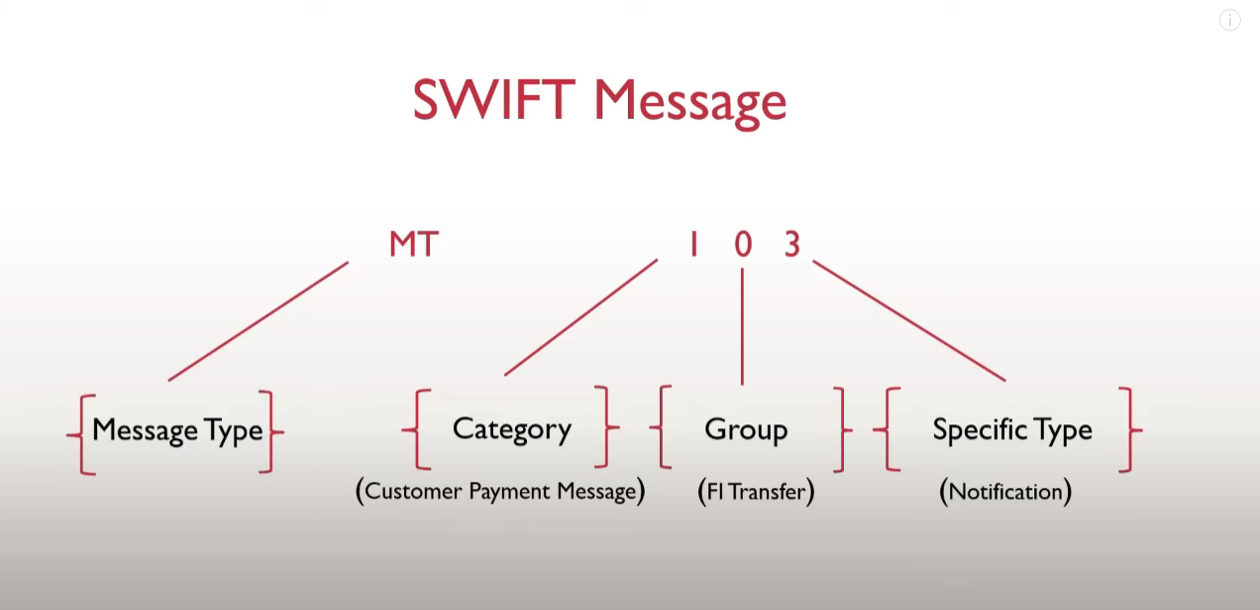
The energy profile of financial infrastructure is a critical metric for institutions aiming to reduce Scope 3 emissions. Legacy systems, such as those utilizing traditional SWIFT messaging or older mainframe-based clearinghouses, often incur significant energy costs due to redundant data verification processes and massive on-premise server cooling requirements. In contrast, modern sustainable green finance technology platforms utilize Proof-of-Stake (PoS) consensus mechanisms or permissioned ledgers that operate with a fraction of the energy intensity.
For instance, a standard centralized database processing 10,000 transactions per second (TPS) requires substantial energy for continuous synchronization across geographically dispersed data centers. A well-architected green DLT implementation can achieve similar throughput while reducing energy consumption by up to 90% through the use of sharding and optimized node validation. These systems avoid the energy-intensive mining processes associated with early-generation cryptocurrencies, focusing instead on lightweight, energy-efficient validation protocols.
Financial institutions must track two specific metrics to validate this performance:
- Energy per Transaction (EpT): Measuring the kilowatt-hours consumed per single financial settlement.
- Latency-to-Emission Ratio: Evaluating the time taken to finalize a transaction relative to the carbon output generated during the compute cycle.
By transitioning to these leaner architectures, firms can lower their operational overhead while simultaneously improving their sustainability ratings. This dual benefit creates a clear ROI path, as reduced energy consumption translates directly into lower utility costs and improved standing with institutional investors who prioritize green-certified infrastructure.
Strategic implementation roadmap
Deploying sustainable green finance technology requires a phased approach to manage capital expenditure and operational disruption. Organizations should adopt a three-tier rollout strategy: foundational data integration, regulatory compliance automation, and advanced impact analytics. By starting with automated reporting, firms can immediately reduce the manual labor costs associated with ESG disclosures before scaling into complex predictive modeling.
Prioritizing high-impact modules
To achieve a rapid return on investment, financial institutions must prioritize modules that address immediate regulatory bottlenecks. The most effective starting point is the implementation of automated carbon accounting and Scope 3 emissions tracking. These modules provide the highest utility by reducing the risk of non-compliance fines and audit costs, which often exceed the initial software licensing fees.
The following deployment sequence optimizes cash flow and performance:
- Phase 1 (Months 1-3): Deploy automated ESG data ingestion tools. This eliminates the need for manual spreadsheet reconciliation, reducing data processing time by approximately 40%.
- Phase 2 (Months 4-8): Integrate real-time climate risk assessment engines. These tools allow credit officers to adjust risk-weighting models for green assets, directly impacting the bank’s capital adequacy ratios.
- Phase 3 (Months 9+): Scale to portfolio-wide impact visualization and investor reporting dashboards. This phase leverages existing data to enhance transparency, attracting institutional capital focused on sustainable mandates.
When selecting vendors, prioritize platforms that offer API-first architectures. This ensures that the green finance technology stack can ingest data from existing core banking systems without requiring a complete infrastructure overhaul. Focus on modules that provide granular traceability, as this reduces the cost of verification by third-party auditors. By focusing on these high-impact areas, firms can demonstrate tangible financial benefits within the first fiscal year of implementation.
Limitations and common pitfalls in green finance adoption
Implementing sustainable green finance technology is rarely a frictionless process. Organizations often encounter significant hurdles related to legacy infrastructure, regulatory shifts, and the inherent complexity of measuring non-financial outcomes. A primary risk is the ‘greenwashing trap,’ where technological tools are deployed to track metrics that lack standardized definitions, leading to inaccurate reporting and potential legal exposure.
Managing data fragmentation risks
The most persistent obstacle in green finance is the lack of a unified data architecture. ESG data is currently siloed across disparate sources, including internal ERP systems, third-party climate risk providers, and unstructured supply chain reports. When these data streams are not normalized, the resulting analytics are fundamentally flawed, undermining the ROI of the entire technology stack.
To mitigate these risks, firms should adopt the following strategies:
- Standardized API Integration: Utilize middleware solutions that enforce a common data schema across all ESG inputs. This prevents the ‘garbage in, garbage out’ scenario common in fragmented environments.
- Automated Validation Layers: Implement machine learning-based anomaly detection to flag inconsistent data points from external vendors before they reach the reporting dashboard.
- Immutable Audit Trails: Leverage distributed ledger technology or secure cloud-based logging to ensure that every data point used for sustainability reporting is traceable to its original source, reducing the risk of manual manipulation.
Another pitfall is the over-reliance on automated modeling without human oversight. Algorithms designed to assess carbon transition risks often struggle with ‘black swan’ climate events or sudden policy reversals. Relying solely on software outputs without integrating qualitative stress testing can lead to capital misallocation. Successful firms treat green finance technology as a decision-support tool rather than an autonomous decision-maker, ensuring that technical outputs are regularly validated against real-world economic shifts and evolving international sustainability standards.
Frequently Asked Questions
Calculation methodology for green finance technology ROI
The ROI is calculated by aggregating direct cost savings from automated ESG reporting, reduced capital costs through green bonds, and risk-adjusted premiums, then subtracting the total cost of ownership (TCO) including software licensing, integration, and staff training.
Primary cost drivers for sustainable green finance technology
Primary costs include data aggregation infrastructure, API integration with existing core banking systems, third-party ESG data provider subscriptions, and the specialized talent required for compliance and model validation.