
Modern enterprises are increasingly using big data to track corporate sustainability metrics to transform compliance from a cost center into a driver of financial performance. By integrating granular datasets into core business intelligence, firms can identify hidden operational inefficiencies, secure lower costs of capital, and mitigate risks associated with non-compliance. This approach moves beyond simple reporting, providing a scalable framework for long-term value creation.
Operational Gains from Using Big Data to Track Corporate Sustainability Metrics
Companies leveraging advanced analytics platforms like SAP Sustainability Control Tower or Salesforce Net Zero Cloud gain visibility into Scope 3 emissions—the indirect emissions occurring in a company’s value chain. By mapping these data points against procurement costs, firms often discover that high-emission suppliers are also the least cost-efficient. Replacing these vendors based on data-driven insights directly improves bottom-line margins while simultaneously lowering the corporate carbon footprint.
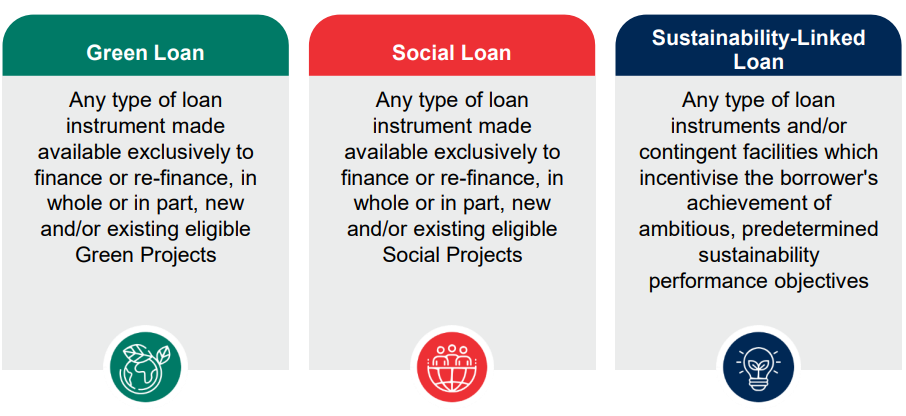
Furthermore, institutional investors now utilize ESG-integrated credit scoring models. When a firm demonstrates precise, data-backed sustainability reporting, it signals lower long-term risk to lenders. This transparency frequently results in favorable interest rates on sustainability-linked loans (SLLs), where the cost of debt is explicitly tied to the achievement of pre-defined sustainability performance targets.
Strategic Implementation and Risk Mitigation
Beyond procurement and debt financing, data-driven sustainability strategies allow for predictive maintenance in manufacturing. By analyzing energy consumption patterns through IoT sensors, companies can identify equipment operating outside of optimal efficiency ranges. Correcting these anomalies reduces energy expenditure—often a firm’s largest variable cost—and extends the lifecycle of capital assets. This granular oversight prevents the premature replacement of machinery, directly impacting capital expenditure (CapEx) budgets.

Another critical area is regulatory compliance automation. With the introduction of the Corporate Sustainability Reporting Directive (CSRD) in the EU and evolving SEC climate disclosure rules, manual data collection is prone to audit failure. Automated data pipelines that ingest information directly from ERP systems ensure that disclosures are consistent, auditable, and defensible. This reduces the legal and reputational risks associated with greenwashing allegations, which can otherwise lead to significant market capitalization losses.
Economic value proposition of ESG data integration
Transitioning from manual reporting to automated, data-driven sustainability tracking converts compliance from a sunk cost into a strategic asset. By leveraging granular datasets, firms identify inefficiencies that traditional accounting methods often overlook, directly impacting the bottom line through reduced resource consumption and improved capital access.
Risk mitigation and capital cost reduction
Financial institutions increasingly integrate ESG scores into credit risk models. Companies that demonstrate transparent, data-backed sustainability performance often secure lower interest rates on green bonds and sustainability-linked loans. Accurate reporting reduces the risk of ‘greenwashing’ litigation, which can trigger significant regulatory fines and insurance premium hikes for firms with opaque ESG disclosures.
Operational efficiency gains
Automated monitoring of resource usage—such as electricity, water, and raw material waste—provides real-time visibility into operational bottlenecks. By applying predictive analytics to supply chain data, companies can optimize logistics routes and reduce carbon footprints, leading to measurable reductions in overhead costs. These savings often offset the initial investment in data infrastructure within the first 18 to 24 months.
Cost structure of using big data to track corporate sustainability metrics
Implementing a robust data architecture requires balancing upfront capital expenditure with ongoing operational costs. Organizations must account for software licensing, cloud storage, and the specialized talent required to manage complex data pipelines. Key cost drivers include:
- Software Licensing: Subscription fees for platforms like MSCI or Sustainalytics.
- Cloud Infrastructure: Costs for data lake storage on AWS or Google Cloud.
- Data Engineering: Salaries for specialists to build and maintain ETL pipelines.
- Compliance Audits: Third-party verification costs for data-backed reports.
Infrastructure and software licensing
Cloud-based ESG platforms provide pre-built templates that reduce time-to-market but involve recurring subscription fees. Conversely, building custom data lakes offers greater flexibility and long-term ownership of proprietary data models but demands significant upfront engineering investment and maintenance overhead.
Data acquisition and cleansing expenses
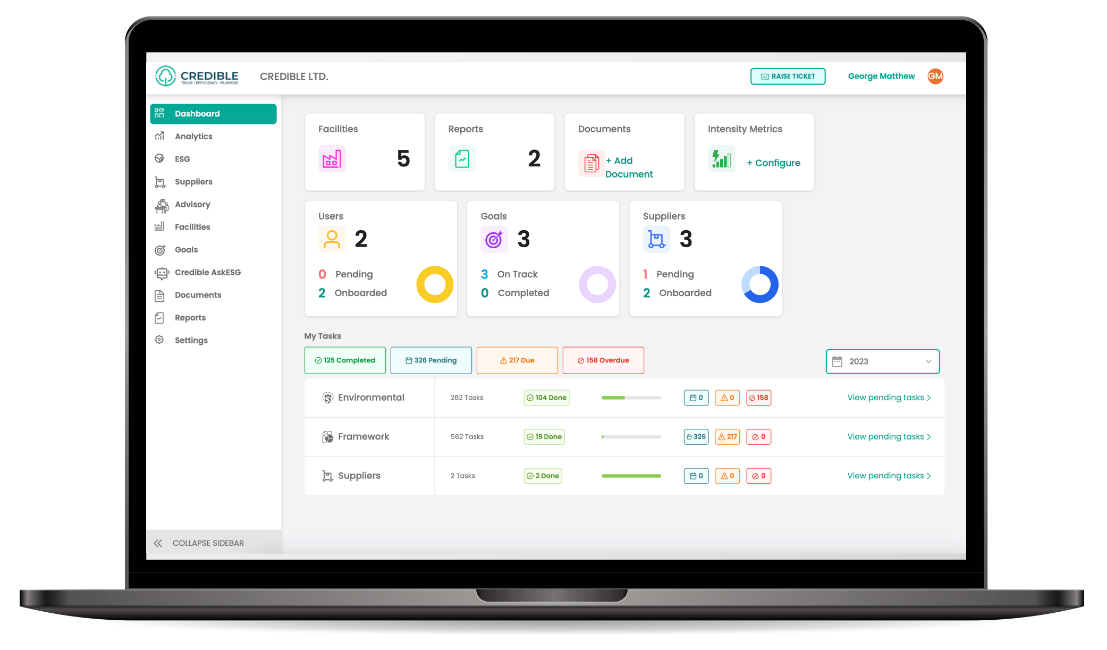
The primary financial burden often lies in normalizing unstructured data from diverse global suppliers. Manual data entry and inconsistent formats across regional entities create significant labor costs. Investing in automated ETL (Extract, Transform, Load) processes is essential to minimize these recurring operational expenses, though it requires an initial investment in data engineering expertise.
Calculating the ROI of sustainability analytics
Measuring the return on investment for sustainability data requires a structured framework that links specific environmental KPIs to financial performance. Organizations should focus on the reduction of waste-related costs and the improvement of capital efficiency.
Quantifiable metrics for performance tracking
Key performance indicators (KPIs) should bridge the gap between sustainability and profitability. The following table illustrates common metrics used to track financial impact:
| Metric | Financial Impact |
|---|---|
| Energy cost per unit | Direct reduction in utility overhead |
| Waste disposal cost | Lower operational and regulatory fees |
| Cost of capital variance | Lower interest rates on green financing |
Time-to-value benchmarks
Most organizations begin to see positive cash flow from data-driven sustainability projects within two years. Initial phases focus on data centralization and compliance, while the second phase—typically starting at month 18—shifts toward predictive optimization and cost reduction. Setting realistic expectations prevents premature abandonment of data initiatives during the initial implementation phase.
Strategic trade-offs in data investment
Achieving the right balance between data granularity and implementation cost is critical for maintaining project viability. Over-investing in hyper-granular data that does not drive actionable insights leads to diminishing returns.
Scalability versus precision
Companies must determine the optimal level of data depth required to satisfy regulatory requirements without overspending. For most firms, a tiered approach—prioritizing high-impact areas like energy consumption and scope 1 emissions—provides the best balance. As the system matures, organizations can scale to include more complex, lower-impact data points, ensuring that the cost of data acquisition never exceeds the value of the insights generated.
Frequently Asked Questions
Definition of green fintech
Green fintech refers to the integration of digital technologies, such as blockchain, AI, and big data, into financial services to support environmental sustainability and climate-positive outcomes.
Technology impact on sustainable finance
Technology improves sustainable finance by providing real-time, transparent data, automating ESG reporting, and enabling more accurate risk assessment for green investments.
Safety profile of green neobanks for deposits
Yes, green neobanks are generally as safe as traditional banks, provided they hold valid banking licenses and are covered by national deposit insurance schemes.
Role of AI in ESG reporting
AI automates the collection, cleansing, and analysis of vast amounts of unstructured data, allowing companies to generate accurate, audit-ready ESG reports with reduced human error.
Verification methods for green fintech authenticity
Verify a fintech’s green claims by checking their public sustainability reports, third-party certifications like B Corp, and their transparency regarding how they allocate customer deposits.