
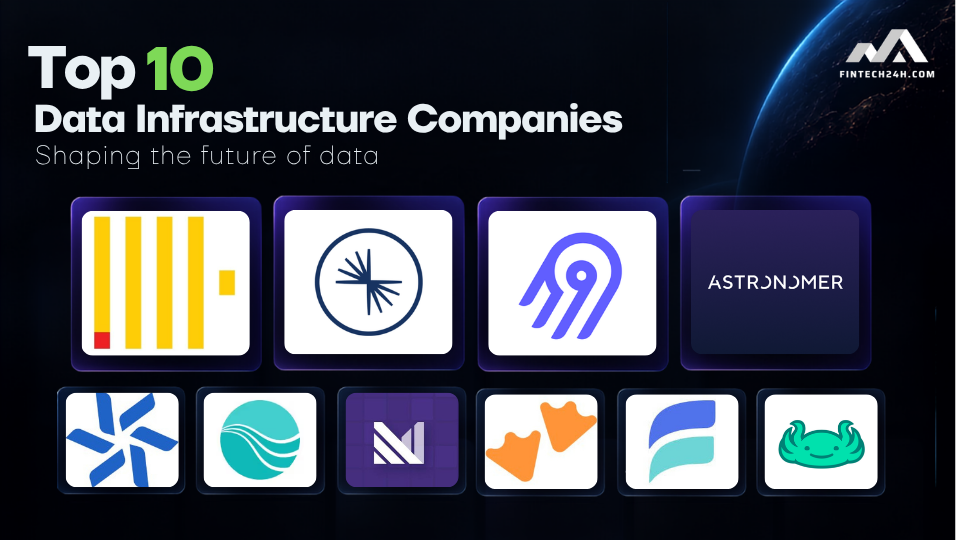
The Top 10 data infrastructure companies shaping the future of data are redefining how organizations collect, process, and utilize information for modern AI and analytics. As businesses generate massive volumes of data across cloud environments and connected devices, the demand for scalable, real-time, and intelligent infrastructure has become critical. The next generation of tools is moving beyond traditional warehouses toward streaming, intelligent orchestration, and open architectures designed specifically for AI workloads.
While companies such as Microsoft, Amazon, Google, and Oracle dominate the broader technology infrastructure market, this list focuses on specialized providers that are building important layers of the modern data stack. From real-time analytical databases to data integration, orchestration, streaming, and data lake management, these companies are helping redefine how data is collected, processed, accessed, and used.
Note: This is not a ranking based purely on company size or valuation. The companies below were selected based on technological relevance, product differentiation, ecosystem influence, adoption, and their potential to shape the future of data infrastructure.
Top 10 data infrastructure companies shaping the future of data
1. ClickHouse – Powering High-Performance Real-Time Analytics
ClickHouse has become one of the most important specialized players in analytical data infrastructure. Its core technology is a high-performance, column-oriented database designed for large-scale analytical workloads where speed, concurrency, and cost efficiency matter.
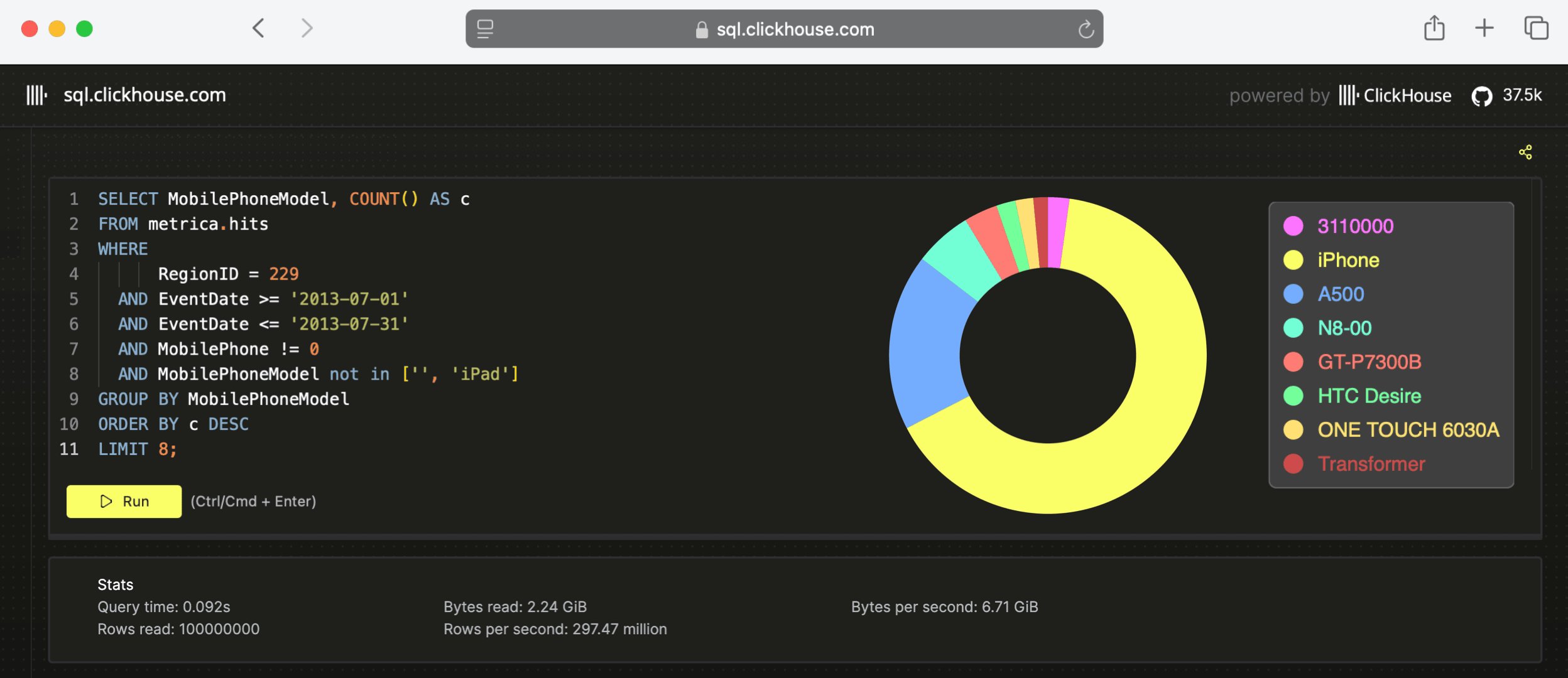
Unlike traditional transactional databases, ClickHouse is optimized for analytical queries over very large datasets. This makes it particularly relevant for applications involving observability, product analytics, customer behavior, financial data, and real-time operational intelligence.
The company’s momentum has also accelerated significantly. In 2026, ClickHouse reported more than 4,000 customers and over $250 million in annual recurring revenue, with ARR having more than tripled year over year.
Its relevance goes beyond conventional analytics. AI applications increasingly require fast access to large amounts of fresh data, making analytical infrastructure an important component of AI systems. ClickHouse’s focus on high-performance analytics positions it well as organizations move toward more real-time, AI-driven workloads.
Why it stands out: ClickHouse combines database performance, analytical scale, and real-time capabilities in a way that is increasingly relevant to modern data and AI architectures.
Best suited for: Real-time analytics, observability, product analytics, high-volume event data, and AI-powered applications.
2. Confluent – Making Data Available in Real Time
Confluent is one of the key companies behind the shift from data at rest to data in motion.
Built around Apache Kafka, Confluent provides infrastructure for moving, processing, governing, and connecting data streams across organizations. Its platform allows data producers and consumers to operate independently while making continuously updated information available to applications, analytics systems, and other downstream services.
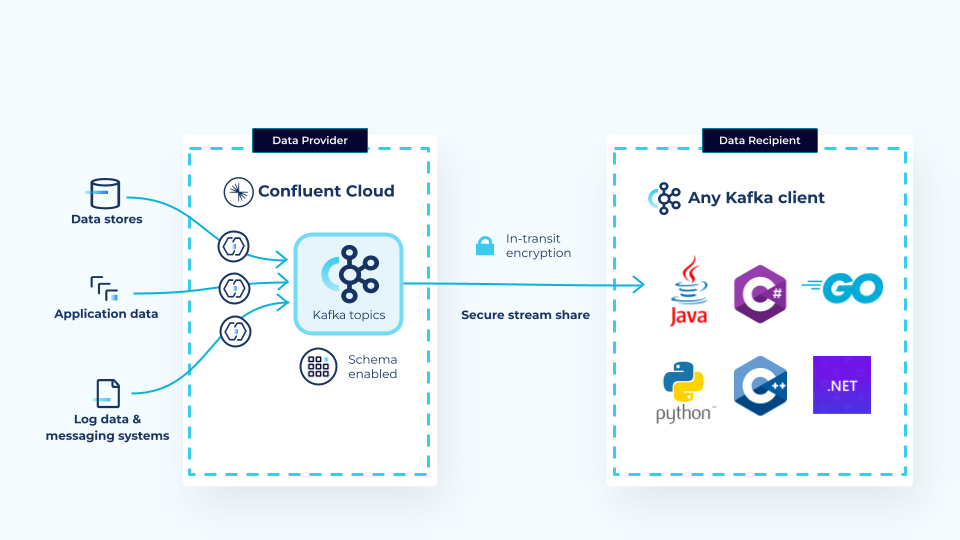
This is becoming increasingly important as businesses expect applications to react to events immediately rather than waiting for batch processing. Financial transactions, fraud detection, recommendation systems, inventory changes, customer interactions, and AI applications can all benefit from real-time data streams.
Confluent is particularly interesting because it is not simply solving a data transportation problem. Its broader vision treats streams as reusable data products that can be processed, governed, and distributed throughout an organization.
Why it stands out: It sits at a critical layer between operational systems and downstream analytics or AI applications.
Best suited for: Event-driven applications, real-time analytics, streaming pipelines, microservices, and AI systems requiring fresh data.
3. Airbyte – Building Open Data Integration Infrastructure
Airbyte is tackling one of the most fundamental problems in modern data infrastructure: getting data from where it is generated to where it needs to be used.
Airbyte provides data integration infrastructure that connects databases, SaaS applications, files, warehouses, lakes, and AI-related systems. Its connector ecosystem has expanded to more than 700 connectors, covering a broad range of sources and destinations.

Its open-source roots are particularly significant. Instead of forcing organizations into a completely proprietary integration layer, Airbyte has built around a more flexible model that can support both cloud and self-managed environments.
The company’s direction is also evolving alongside AI. New connectors increasingly address AI platforms and agent-related workloads, reflecting a broader shift in which data infrastructure must serve not only dashboards and analysts but also AI applications and agents.
Why it stands out: Airbyte is helping make data movement more open, composable, and accessible to engineering teams.
Best suited for: ELT pipelines, SaaS data integration, warehouse/lake ingestion, AI data pipelines, and teams looking for flexible connector infrastructure.
4. Astronomer – Modernizing Data Orchestration
Astronomer focuses on one of the less visible but absolutely critical components of data infrastructure: orchestration.
Astronomer operates Astro, a managed data orchestration platform built around Apache Airflow. The platform handles the infrastructure required to run Airflow while allowing data teams to focus on building and managing pipelines.

That role is becoming more important as data environments become increasingly complex. A modern organization may have dozens of databases, APIs, warehouses, data lakes, machine learning systems, and AI services that all need to operate in the correct sequence.
Astronomer’s recent product development also demonstrates where orchestration is heading. Its 2026 Astro Runtime updates focus heavily on performance and scale, while the company continues expanding Airflow’s role across analytics, AI, and data products.
Why it stands out: It is turning open-source orchestration technology into infrastructure that enterprises can operate more reliably at scale.
Best suited for: Data pipelines, ML workflows, analytics engineering, AI workflows, and complex multi-step data operations.
5. Starburst – Making Data Anywhere Queryable
Starburst is taking a different approach to modern data infrastructure: instead of moving all data into one central location, make data queryable wherever it already exists.
Starburst is built on Trino, an open-source distributed SQL query engine designed to query large datasets across multiple heterogeneous data sources. This allows organizations to query data lakes, warehouses, operational databases, and other systems without necessarily creating additional copies.

This architecture is particularly relevant as organizations try to reduce the cost and complexity associated with constantly copying data between systems.
It is also becoming relevant to AI infrastructure. Starburst positions its query layer as a governed access point through which AI systems and agents can reach existing enterprise data without creating entirely separate data copies for every AI use case.
Why it stands out: Starburst challenges the assumption that all enterprise data needs to be centralized before it can be useful.
Best suited for: Data federation, lakehouse analytics, distributed SQL, enterprise analytics, and governed AI data access.
6. Cribl – Rethinking the Data Pipeline Layer
Cribl focuses on a different category of data infrastructure: the enormous volumes of logs, metrics, traces, and machine-generated data produced by modern systems.
Cribl Stream provides a pipeline layer that processes data between sources and destinations. Teams can filter, enrich, transform, and route data before sending it to observability, security platforms, or analytics platforms.
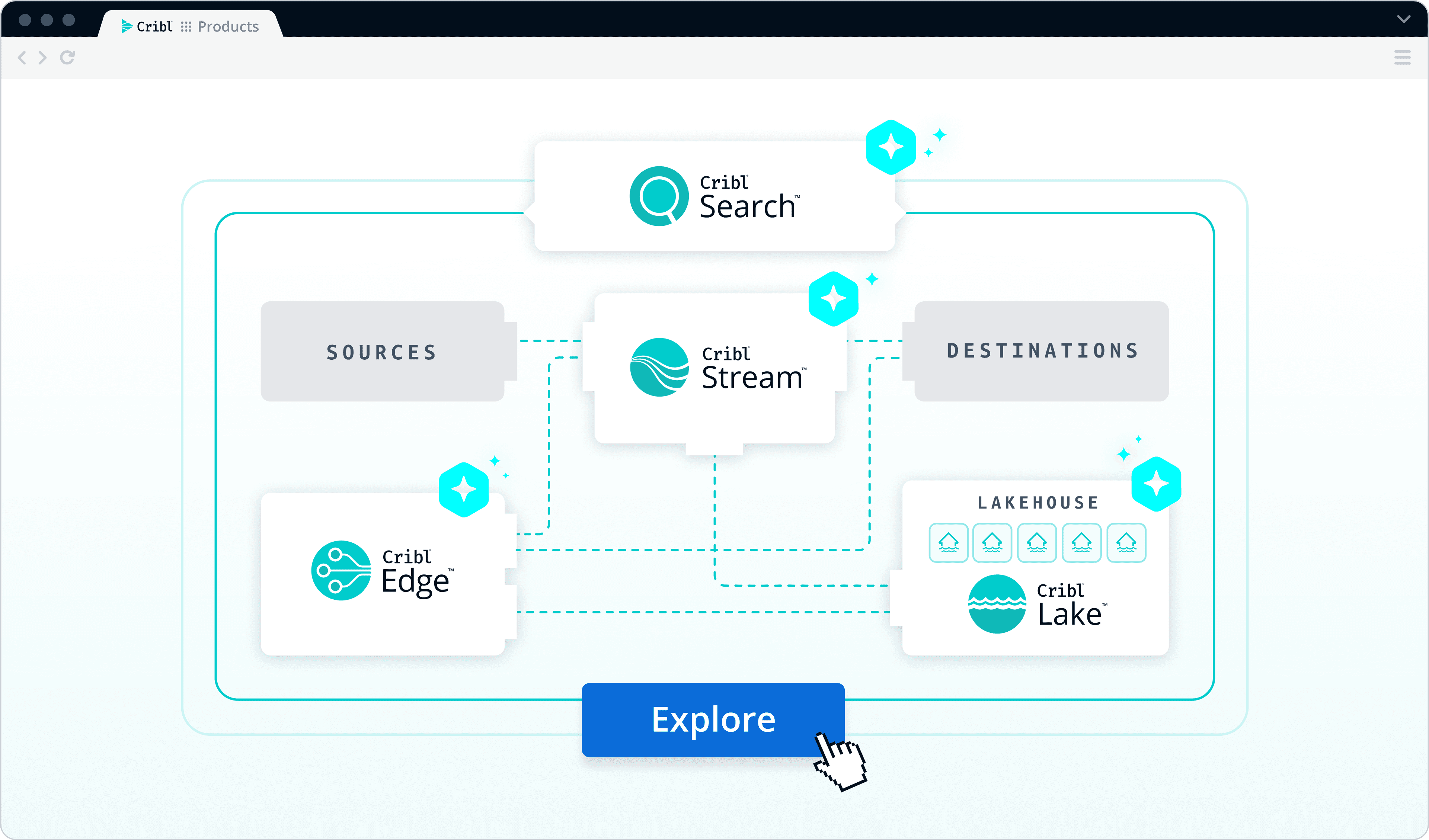
This matters because collecting more data is not always the answer. As telemetry volumes increase, organizations need to decide which data should be stored, where it should go, how it should be transformed, and how much of it is actually useful.
Cribl’s observability pipeline approach addresses this problem by creating a control layer between data generation and data consumption.
Why it stands out: Cribl focuses on making growing data volumes more manageable rather than simply encouraging organizations to collect everything.
Best suited for: Observability, security data, logs, telemetry, machine data, and high-volume data routing.
7. Materialize – Bringing Real-Time Data Into Applications
Materialize is building infrastructure around a simple idea: data should stay up to date as events happen.
Materialize uses incremental computation and streaming technology to continuously update data products as underlying information changes. Developers can use SQL to create real-time views and applications rather than building complex streaming systems from scratch.

This can be particularly valuable for use cases where stale information creates a meaningful business problem. Fraud detection, operational dashboards, personalization, financial monitoring, and customer-facing applications can all benefit from continuously updated data.
Materialize also supports real-time ingestion through technologies such as change data capture, allowing changes in operational databases to flow into continuously updated views.
Why it stands out: Materialize makes real-time data processing more accessible by using familiar SQL rather than requiring every team to build specialized streaming infrastructure.
Best suited for: Real-time applications, operational analytics, fraud detection, personalization, and continuously updated data products.
8. MotherDuck – Bringing DuckDB to the Cloud
MotherDuck represents a different direction in data infrastructure: making analytical workloads simpler and more developer-friendly.
MotherDuck builds a cloud service around DuckDB, the popular in-process analytical database. The company aims to combine DuckDB’s lightweight, local analytics experience with the scalability and collaboration capabilities of a cloud data warehouse.
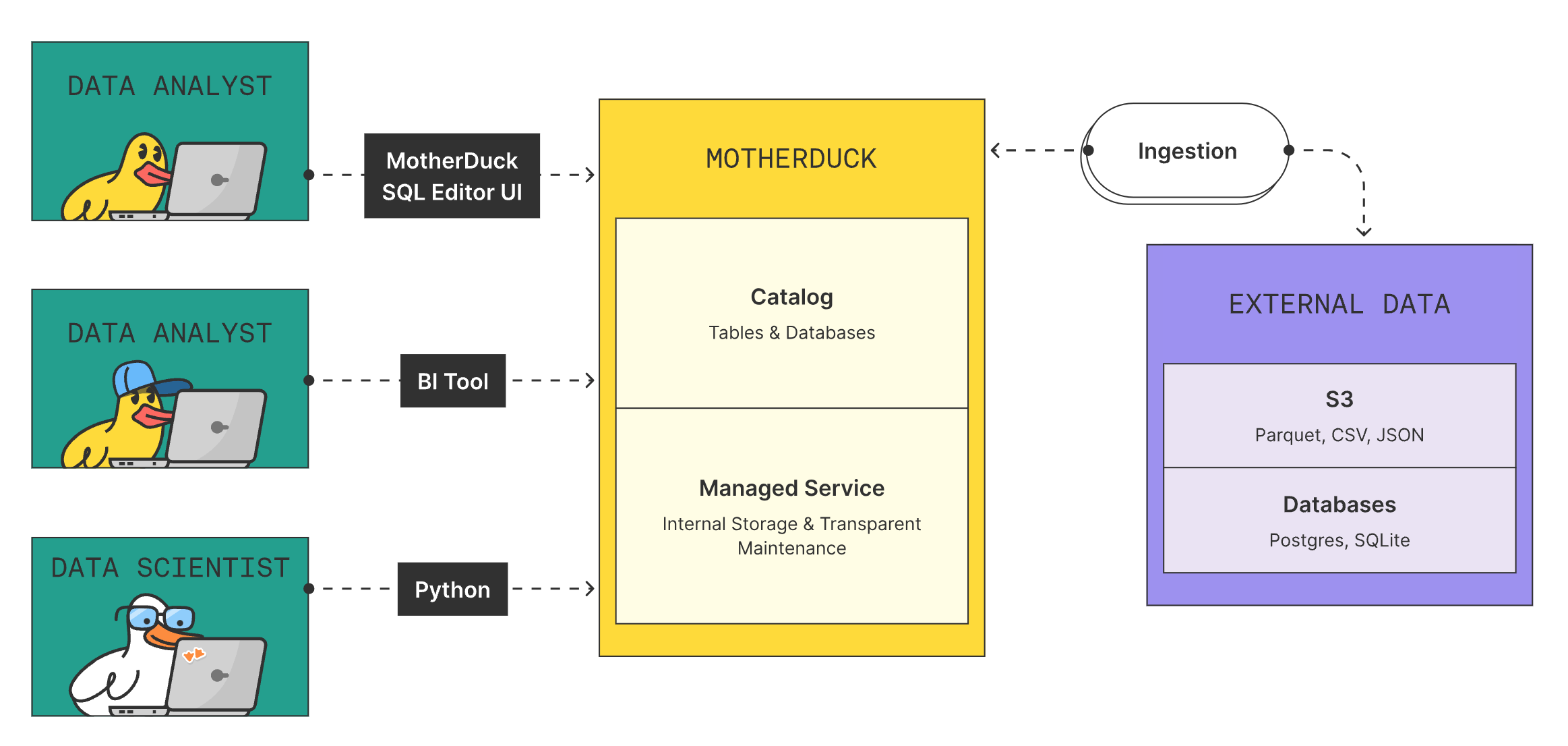
This approach challenges the assumption that analytical infrastructure must always begin with a large centralized warehouse. Developers can work with data locally and extend workloads into the cloud when collaboration or scale requires it.
That makes MotherDuck particularly interesting for smaller data teams, developers, startups, and organizations that want powerful analytics without immediately adopting a complex enterprise data stack.
Why it stands out: MotherDuck combines the simplicity of local analytics with cloud infrastructure, creating an alternative to heavyweight warehouse architectures.
Best suited for: Developer analytics, data science, startups, lightweight data warehouses, and DuckDB-based workflows.
9. Estuary – Enabling Real-Time Data Movement
Estuary is focused on another fundamental component of modern data infrastructure: moving data between systems with low latency and minimal operational complexity.
Rather than treating data integration purely as scheduled batch transfers, Estuary focuses on continuous and “right-time” data movement. Its architecture is designed to support different deployment models, predictable data movement, and one-to-many delivery patterns.

This matters because organizations increasingly need data to be available while it is still useful. Batch pipelines can work well for traditional reporting, but applications, AI systems, operational analytics, and real-time decision-making often require fresher information.
Estuary therefore occupies an important layer between source systems and downstream data infrastructure.
Why it stands out: It focuses on making continuous data movement practical without forcing every organization to build and maintain its own streaming infrastructure.
Best suited for: Real-time pipelines, CDC, operational data integration, analytics infrastructure, and low-latency data movement.
10. lakeFS – Bringing Version Control to Data Lakes
lakeFS addresses a problem that becomes increasingly important as data lakes grow: how do you manage changes to data safely and reproducibly?
lakeFS provides Git-like operations for data lakes, including branching, committing, merging, and reverting datasets. Its versioning system allows teams to create immutable dataset versions without duplicating the underlying data.
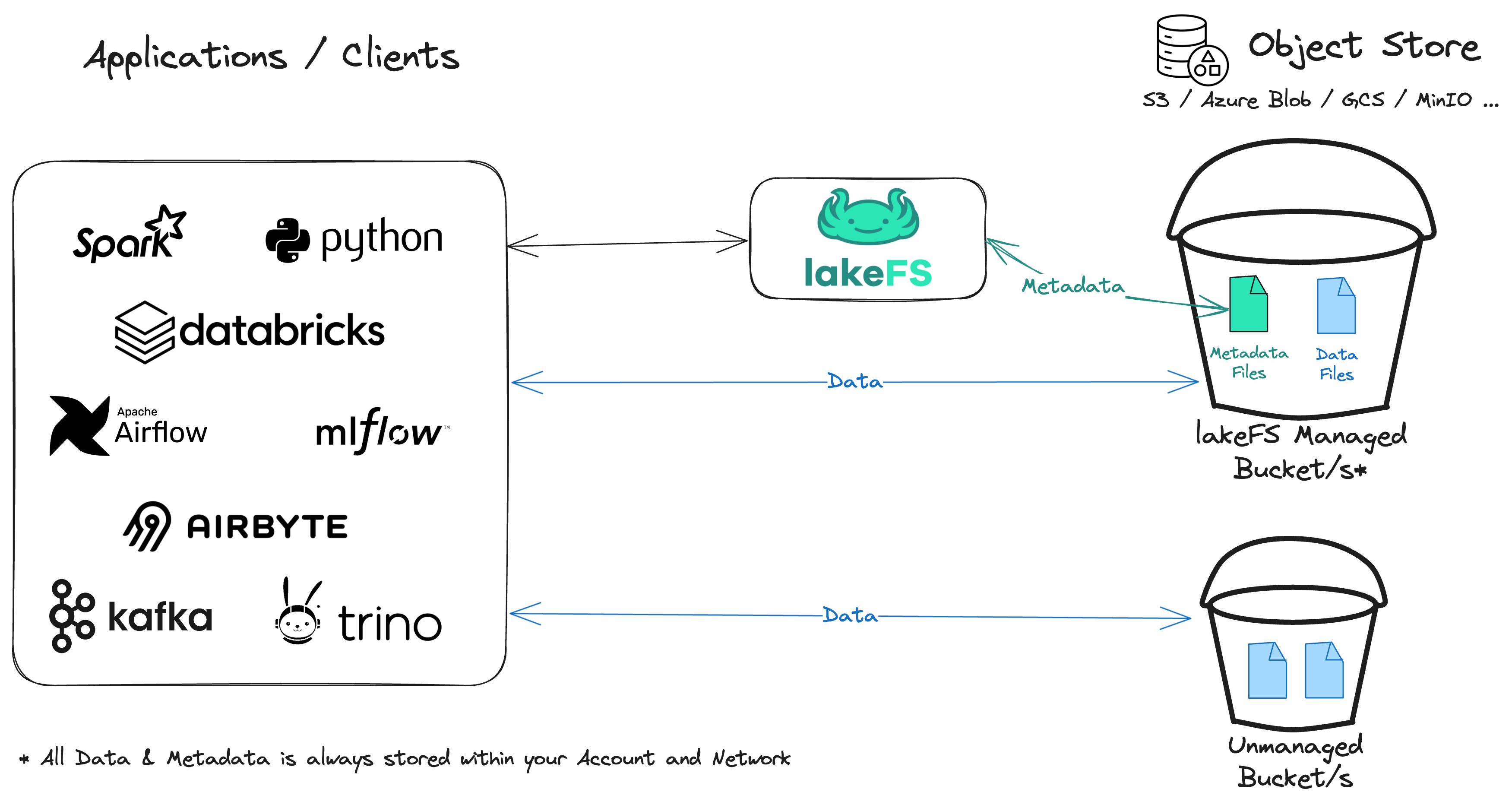
This can make data engineering workflows more reproducible. Teams can test pipeline changes on isolated branches, compare dataset versions, reproduce previous states, and roll back problematic changes.
The open-source nature of lakeFS also makes it particularly interesting for organizations that want more control over their data infrastructure. The platform is licensed under Apache 2.0 and can be used without locking the organization into a proprietary storage format.
Why it stands out: lakeFS applies software engineering principles such as version control and branching to one of the most difficult parts of modern data engineering.
Best suited for: Data lakes, machine learning datasets, reproducible pipelines, data quality workflows, and large-scale data engineering.
What These Data Infrastructure Companies Have in Common
Although these companies operate in different parts of the data stack, several common trends connect them.
1. Real-time data is becoming the default
Traditional data architectures were largely built around scheduled ingestion and batch analytics. That model is increasingly being complemented by real-time infrastructure.
Companies such as Confluent, Materialize, ClickHouse, and Estuary are helping organizations process or access data closer to the moment it is generated. This is important for applications where waiting hours—or even minutes—can make information less valuable.
2. Data infrastructure is becoming AI infrastructure
AI systems are only as useful as the data and context available to them. As enterprises deploy AI agents and intelligent applications, data infrastructure needs to provide information that is fresh, accessible, governed, and reliable.
This is one reason the modern data stack is evolving toward AI-ready infrastructure. Industry analysis in 2026 increasingly highlights ingestion, orchestration, real-time processing, governance, and data access as foundational components for AI workloads.
3. Open and composable architectures are gaining importance
Another major trend is the movement away from completely closed data ecosystems.
Airbyte, Starburst, lakeFS, MotherDuck, and several other companies on this list emphasize interoperability, open-source technology, or the ability to work across multiple data systems. This gives organizations more flexibility when building their infrastructure.
4. The data stack is becoming more specialized
Instead of one platform solving every data problem, modern infrastructure increasingly consists of specialized layers.
A typical architecture may involve:
Data Sources → Integration → Storage → Transformation → Orchestration → Analytics → AI Applications
Different companies compete at different points within this architecture. This specialization allows organizations to select infrastructure based on their actual requirements rather than adopting a single massive platform.
How to Choose Among Data Infrastructure Companies
The best platform depends heavily on the problem a company is trying to solve.
| If you need… | Companies to consider |
|---|---|
| Real-time analytical queries | ClickHouse, Materialize |
| Data streaming | Confluent |
| Data integration | Airbyte, Estuary |
| Pipeline orchestration | Astronomer |
| Query federation | Starburst |
| Observability data pipelines | Cribl |
| Lightweight cloud analytics | MotherDuck |
| Data lake version control | lakeFS |
There is also no requirement to choose only one. Modern data architectures are increasingly composable, meaning companies can combine several specialized technologies to build a stack that fits their workload.
The Future of Data Infrastructure
The next generation of data infrastructure will likely be defined by speed, interoperability, automation, and AI readiness.
Data warehouses and lakes are not disappearing, but the infrastructure surrounding them is changing. Organizations increasingly need systems that can ingest information continuously, process it in real time, understand where it came from, orchestrate complex workflows, and make it accessible to both humans and AI agents.
That creates opportunities for specialized providers that solve specific technical problems better than generalized platforms can.
The companies on this list represent different pieces of that evolution. ClickHouse is pushing analytical performance, Confluent is advancing streaming, Airbyte is expanding open data integration, Astronomer is improving orchestration, Starburst is making distributed data queryable, while Materialize and Estuary focus on real-time data. Cribl addresses the growing volume of machine data, MotherDuck brings a developer-first approach to analytics, and lakeFS introduces software-style version control to data lakes.
Together, they illustrate a broader shift: the future of data infrastructure is not simply about storing more data. It is about making data faster, more connected, more reliable, and more useful.
Frequently Asked Questions
1. What are data infrastructure companies?
Data infrastructure companies build technologies that help organizations collect, move, store, process, query, manage, and govern data. Their products can include databases, data integration platforms, streaming systems, orchestration tools, query engines, and data lake technologies.
2. Why is data infrastructure important for AI?
AI applications depend on access to relevant and reliable data. Strong data infrastructure helps ensure that AI systems can access fresh information, connect data from multiple sources, and operate on governed and trustworthy datasets.
3. What is the modern data infrastructure stack?
A modern data infrastructure stack can include data ingestion, storage, transformation, orchestration, analytics, governance, and data-serving layers. The exact architecture varies depending on the organization’s workloads and technology choices.
4. Are data warehouses still important?
Yes. Data warehouses remain an important part of enterprise analytics infrastructure. However, many organizations now combine warehouses with streaming systems, data lakes, real-time databases, query engines, and other specialized technologies.
5. What is the difference between data infrastructure and data analytics?
Data infrastructure focuses on the systems that collect, move, store, process, and serve data. Data analytics focuses more directly on using that data to generate insights, reports, models, and business decisions.