
The trap of hiring generalist marketing firms
Startups often mistake brand visibility for brand authority. This leads them to hire generalist marketing firms that lack the technical depth required for the decentralized ecosystem.
Traditional agencies typically focus on aesthetic appeal and broad market reach. This approach often fails to resonate with the highly skeptical, utility-focused Web3 audience.
Technical literacy vs. creative storytelling
Effective blockchain branding requires a dual-competency: the ability to distill complex smart contract logic into human-readable narratives and the creative skill to design a visual identity that signals trust.
Agencies that lack technical literacy often rely on empty buzzwords like ‘decentralized’ or ‘immutable’ without explaining the actual value proposition. Conversely, those with deep technical roots often struggle to translate their knowledge into compelling storytelling.
The best partners for your startup are those that can bridge this gap. They ensure that your technical architecture is not just understood, but valued by your target community.
Evaluating blockchain branding agencies for startups
Vetting an agency in the Web3 space requires moving beyond vanity metrics like social media follower counts. You need to assess their track record with tokenomics-driven projects and their ability to navigate the unique regulatory and cultural landscape of decentralized finance. Working with web3 branding agencies can help ensure your project maintains a professional and trustworthy image.

Key metrics for agency performance
When reviewing a portfolio, prioritize agencies that demonstrate tangible growth in key performance indicators (KPIs). Look for evidence of organic community growth on platforms like Discord or Telegram, which indicates genuine engagement rather than bot-driven activity.
Evaluate their ability to simplify technical documentation. If their past clients’ whitepapers are impenetrable to a layperson, the agency has failed to translate the project’s core utility.
Red flags in agency portfolios
Beware of ‘crypto-washing’—a practice where agencies use high-production-value graphics to mask a lack of substance. If an agency’s portfolio is filled with projects that have no active development, failed token launches, or vague value propositions, it is a sign they prioritize aesthetics over long-term project viability.
A reputable agency should be able to explain the specific problem their client’s protocol solved. They must demonstrate how their branding strategy contributed to that solution.
Operational due diligence
Before signing a contract, request a breakdown of their internal workflow. A competent agency will have a defined process for auditing your smart contracts or protocol documentation before drafting any public-facing content. Many top blockchain development agencies also offer advisory services to ensure your technical foundation is sound.
If they cannot explain how they verify the technical claims they make on your behalf, they pose a significant reputational risk. Ask for case studies that specifically highlight how they handled a crisis, such as a protocol exploit or a community backlash, as this reveals their true crisis management capabilities.
The cost of misaligned brand identity
Poor positioning in the Web3 space is not just a marketing failure; it is a financial liability. When a project fails to clearly articulate its utility, it attracts short-term speculators rather than long-term users, leading to high volatility and eventual community abandonment.
This misalignment can lead to a ‘death spiral’ where the project loses developer interest and liquidity. This makes it nearly impossible to recover once the initial hype cycle fades.
Strategic considerations for long-term growth
Beyond initial launch support, top-tier agencies provide ongoing governance communication strategies. As your protocol evolves through DAO voting or protocol upgrades, your brand must adapt to reflect these changes without alienating early adopters.
Look for partners who understand the nuances of ‘on-chain’ versus ‘off-chain’ messaging. Effective communication often requires balancing the technical reality of gas fees and transaction speeds with the user-facing benefits of your decentralized application.
Building a brand that survives market cycles
Sustainable growth in blockchain requires shifting focus from short-term hype to long-term trust-building. This involves creating a brand identity that emphasizes transparency, security, and consistent delivery of product milestones. Partnering with a specialized blockchain marketing agency can provide the strategic roadmap needed to navigate these cycles.
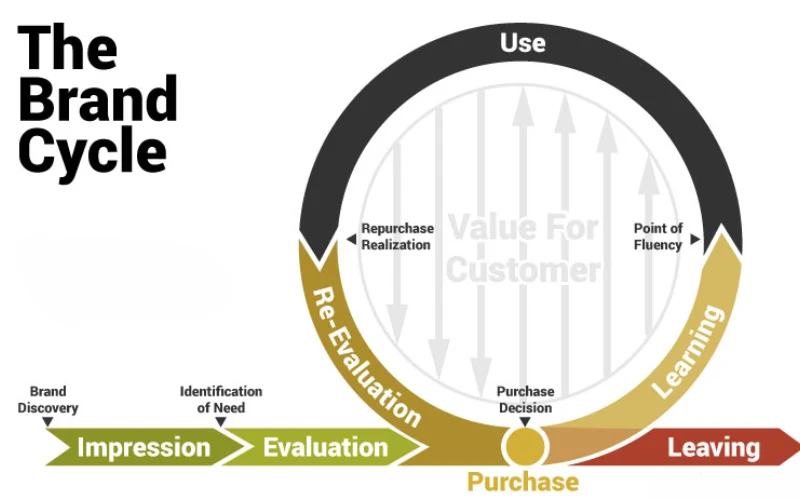
By aligning your brand with the actual utility of your protocol, you create a narrative that remains relevant regardless of market conditions. This ensures your project remains a fixture in the ecosystem long after the speculative noise dies down.
Common Pitfalls in Agency Selection
Many startups fail because they prioritize agencies with large social media followings over those with deep industry connections. A high follower count is often the result of paid engagement or airdrop farming, which does not translate to a loyal user base. Instead, look for agencies that have successfully facilitated partnerships with established protocols or infrastructure providers. These connections signal that the agency is integrated into the ecosystem and understands the collaborative nature of Web3 development. You can find a list of blockchain marketing agencies that have been vetted for their industry impact.
Frequently Asked Questions
What services does a blockchain marketing agency provide?
These agencies provide community management, whitepaper drafting, tokenomics consulting, PR, influencer outreach, and technical content creation tailored for decentralized protocols.
How much does it cost to hire a web3 marketing agency?
Costs vary widely based on scope, but monthly retainers typically range from $5,000 to $20,000 for specialized Web3 services, depending on the agency’s track record and project complexity.
Why is SEO important for blockchain projects?
SEO builds organic authority and trust, which is critical in an industry plagued by scams. It helps legitimate projects get discovered by users searching for specific utility or technical solutions.
What is the difference between web3 and traditional marketing?
Web3 marketing focuses on community ownership, transparency, and decentralization, whereas traditional marketing often emphasizes centralized brand control and top-down messaging.
How do I measure the success of a crypto marketing campaign?
Success is measured through metrics like wallet connections, active developer participation, community sentiment, token utility usage, and sustainable growth in organic traffic rather than just social media impressions. If you need to blockchain agency drive results, ensure your chosen partner has a clear reporting structure.