

Why web2 marketing tactics fail in decentralized ecosystems
Founders often struggle with how to choose a web3 marketing agency because traditional firms rely on centralized funnels, paid search ads, and opaque tracking pixels—mechanisms that trigger skepticism within the crypto-native community. When a web2 agency applies these tactics to a decentralized project, they treat users as passive consumers rather than active stakeholders.

This approach ignores the fundamental reality of blockchain: transparency and community ownership are the primary drivers of growth, not click-through rates on social media banners. Web2 agencies frequently optimize for vanity metrics like impressions or generic traffic spikes. In the decentralized space, these metrics are often misleading because they fail to account for bot activity or non-converting “tourists.”
A successful strategy requires deep integration with on-chain data. The focus must shift from broad reach to high-intent engagement with protocol participants.
The shift from user acquisition to community retention
In web2, the goal is often to acquire a user, extract value, and move on. Web3 demands a paradigm shift toward long-term community retention, where the value is co-created by the protocol and its users. Token holders, DAO participants, and governance voters are not just customers; they are the lifeblood of the ecosystem. If your marketing agency treats them as mere leads, you will face high churn and low governance participation.
Effective web3 marketing prioritizes:
- Incentive Alignment: Moving beyond traditional referral programs to structured liquidity mining or governance-based rewards that encourage long-term holding.
- Transparency-First Communication: Utilizing platforms like Discord, Telegram, and Mirror to provide real-time updates, rather than relying on polished, static press releases.
- On-Chain Attribution: Tracking wallet behavior to understand user journeys, rather than relying on cookies that are increasingly blocked by privacy-focused browsers and web3 wallets.
When you choose a partner, you must evaluate their ability to foster these relationships. A web2 agency that lacks experience in community management will struggle to navigate the nuance of DAO governance or the specific cultural expectations of a decentralized community. If they cannot demonstrate how they build trust through transparency, they are likely applying a legacy playbook that will alienate your most valuable supporters.
How to choose a web3 marketing agency with proven on-chain results
Selecting a partner for your decentralized project requires shifting your focus from vanity metrics like Twitter impressions to verifiable on-chain data. A specialized crypto marketing agency must demonstrate an ability to drive actual user behavior within the ecosystem, rather than just generating noise. You are looking for a team that understands the difference between a bot-driven engagement spike and genuine protocol adoption.
Auditing past campaign performance — How to look for verifiable metrics like wallet growth, governance participation, and NFT volume
Demand case studies that include Etherscan, Polygonscan, or Solscan links to verify their claims. If an agency claims they drove a successful NFT mint, ask for the specific contract address. Check the secondary market volume on platforms like OpenSea or Magic Eden to see if the trading activity was sustained or a one-day pump-and-dump.
For DeFi protocols, look for evidence of increased Total Value Locked (TVL) or unique active wallet growth during the campaign period. If they cannot provide a direct link to a transaction or a dashboard like Dune Analytics that tracks their specific impact, treat their success stories as anecdotal rather than empirical.
Evaluating technical fluency in DeFi and NFT sectors — Assessing if the agency understands smart contract mechanics and protocol-specific nuances
Marketing in Web3 is inseparable from the underlying code. An agency that does not understand the difference between an ERC-20 token and an ERC-721 standard will struggle to communicate your project’s value proposition to a technical audience.
Ask the agency to explain how they handle gas fee optimization in their airdrop campaigns or how they structure liquidity mining incentives to prevent mercenary capital from draining your pool. If they cannot discuss the trade-offs of different consensus mechanisms or the risks associated with specific bridge protocols, they lack the depth required to protect your project’s reputation. A true Web3 partner should be able to audit your landing page for common security pitfalls, such as improper wallet connection prompts, before they even begin a campaign.
Red flags that signal an agency lacks web3 expertise
Hiring a marketing partner requires rigorous vetting to ensure they understand the nuances of decentralized ecosystems. Many agencies attempt to pivot from traditional digital marketing by simply rebranding their services, but they often lack the technical depth required to navigate the crypto-native landscape. If an agency cannot explain the difference between a Layer 1 and Layer 2 scaling solution, or if they treat your tokenomics as a standard loyalty program, they are likely ill-equipped for your project.
Over-reliance on vanity metrics — Why high Twitter follower counts without engagement or on-chain activity are a major warning sign.
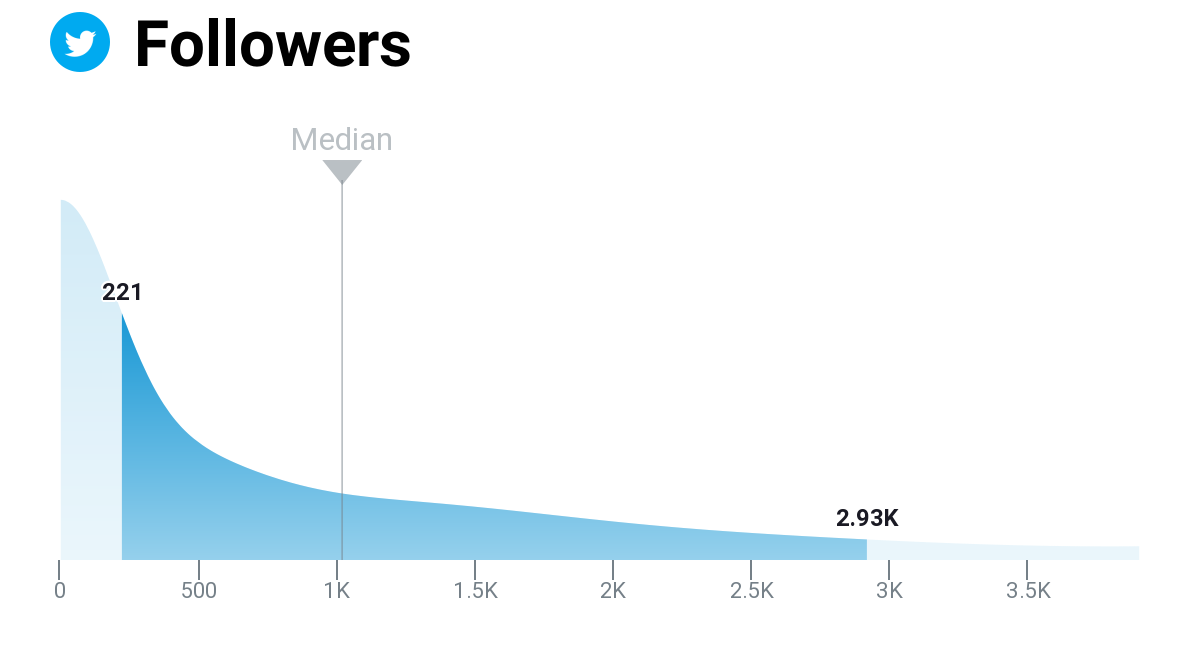
A common trap for project founders is prioritizing superficial growth over community health. Agencies that promise thousands of new Twitter followers within a week are often utilizing bot farms or low-quality engagement pods. In the web3 space, a follower count is a vanity metric that holds zero value if those accounts do not translate into active participants, DAO voters, or liquidity providers.
When evaluating a potential partner, request a breakdown of their past performance that goes beyond social media impressions. A competent agency should be able to demonstrate:
- On-chain conversion: Evidence that their campaigns drove users to interact with smart contracts, mint NFTs, or stake tokens, rather than just clicking a link.
- Community sentiment analysis: Qualitative data from Discord or Telegram showing that the audience is actually discussing the project’s utility rather than just spamming “wen moon” or “LFG.”
- Retention rates: Data showing how many users remained active after the initial marketing push, which is a critical indicator of long-term project viability.
If an agency focuses exclusively on “hype” metrics, they are operating with a web2 mindset that prioritizes short-term noise over sustainable growth. Real defi marketing agency services are about building a verifiable, engaged community that understands the project’s value proposition. If they cannot show you how their efforts directly impact your project’s on-chain activity or long-term retention, you are paying for an illusion that will likely evaporate the moment the market turns volatile.
Structuring a performance-based contract
Traditional marketing contracts often rely on retainers tied to vanity metrics like impressions or follower counts. In the decentralized space, these metrics are frequently manipulated by bot traffic and offer zero correlation to protocol health. When learning how to choose a blockchain marketing agency, prioritize agreements that link compensation to on-chain milestones and genuine user retention.
Defining KPIs beyond social media reach
Shift your focus toward metrics that prove actual utility and ecosystem participation. A performance-based contract should mandate transparency via public blockchain data rather than proprietary agency dashboards. Negotiate terms based on the following verifiable benchmarks:
- Protocol TVL (Total Value Locked): If your project is a DeFi protocol, link a portion of the agency’s performance bonus to sustained growth in TVL over a 90-day period. This ensures the agency targets liquidity providers rather than casual social media scrollers.
- Active Wallet Addresses (WAU/MAU): Require reporting on unique wallet interactions with your smart contracts. An agency should demonstrate how their campaigns drive users to perform specific actions, such as staking, minting, or swapping, rather than just clicking a link.
- Community Proposal Voting Rates: For DAOs, engagement is measured by governance participation. Set targets for the percentage of token holders actively voting on Snapshot or Tally proposals. This forces the agency to foster a community of stakeholders rather than passive observers.
Avoid “pay-per-click” models that incentivize low-quality traffic. Instead, structure your budget to include a base fee for operational costs and a significant performance kicker tied to on-chain conversion. For example, if the agency is responsible for a liquidity mining campaign, tie their bonus to the net increase in unique stakers who maintain their position for at least 30 days. This aligns the agency’s incentives with the long-term sustainability of your protocol.
Always insist on a clawback clause if the growth metrics are proven to be driven by Sybil attacks or artificial wash trading. By demanding proof of on-chain activity, you ensure that your marketing spend translates directly into protocol growth rather than inflated social media vanity metrics.
Frequently Asked Questions
Why can’t I use a standard Web2 marketing agency for my Web3 project?
Web2 agencies typically focus on centralized funnels, paid ads, and vanity metrics. Web3 requires a shift toward community-led growth, Discord/Telegram management, and navigating complex regulatory environments that standard agencies are rarely equipped to handle. If you need specialized support, consider reaching out to nft marketing agencies or other niche experts.
What are the red flags when evaluating a Web3 marketing agency?
Watch out for agencies that promise ‘guaranteed’ token price pumps, those that rely solely on bot-driven social media engagement, or firms that lack a deep understanding of your specific blockchain ecosystem (e.g., Ethereum vs. Solana). For broader options, you can also review a list of blockchain marketing agencies to compare services.