
Choosing from the top 10 white-label exchange solutions for emerging markets requires balancing robust trading infrastructure with the specific needs of local financial ecosystems. Operators in these regions must prioritize reliable matching engines, liquidity access, wallet technology, and flexible compliance workflows that can adapt to diverse regulatory environments. For those looking to scale their operations, understanding digital wallet interoperability in emerging markets is a critical step in building a cohesive financial ecosystem.
This is where white-label exchange solutions can provide a practical alternative to building an exchange entirely from scratch. Instead of developing every component internally, businesses can start with existing exchange infrastructure and customize the product around their brand, target users, supported assets, and operating model.
For businesses targeting Southeast Asia, Africa, Latin America, the Middle East, or other developing digital-asset markets, the evaluation criteria can be different from those of a mature financial market. Local payment connectivity, fiat support, deployment flexibility, multilingual interfaces, liquidity access, regulatory configuration, and scalability can become particularly important.
Below are 10 established providers worth evaluating when researching white-label exchange solutions for emerging markets. The list focuses on companies with recognizable positions in crypto or financial infrastructure rather than household-name technology giants.
What Are White-Label Exchange Solutions?
White-label exchange solutions are pre-built exchange platforms that businesses can brand, configure, and operate under their own identity.
Instead of creating an exchange from the ground up, an operator can license or deploy an existing technology stack that may include:
- Matching engine and order-book infrastructure
- Trading interfaces
- Crypto wallets and asset management
- Liquidity connectivity
- KYC and AML workflows
- Administrative dashboards
- User management
- APIs and third-party integrations
- Fiat on/off-ramp connectivity
- Security and risk-management tools
- Reporting and operational controls
The exact scope varies considerably between providers. Some focus on complete turnkey exchanges, while others provide modular infrastructure that gives technical teams more control over deployment and customization.
For emerging-market operators, that distinction matters. A platform that works well for a highly standardized market may not necessarily provide the payment, compliance, liquidity, or localization flexibility needed elsewhere.
Top 10 White-Label Exchange Solutions for Emerging Markets
1. ChainUp
ChainUp is one of the more established names in the white-label crypto exchange infrastructure market, particularly for businesses looking for a broader digital-asset technology ecosystem.

Its exchange offering combines trading infrastructure with additional components such as liquidity, custody-related infrastructure, compliance tooling, and other digital-asset services. Recent company materials describe its white-label exchange as part of a broader institutional infrastructure stack and highlight its presence across international markets.
For an emerging-market operator, the appeal is less about simply launching a branded exchange and more about having multiple infrastructure components available through one provider.
Key capabilities include:
- White-label exchange infrastructure
- High-performance matching engine
- Liquidity connectivity
- Wallet and custody infrastructure
- KYC/AML and transaction-related tooling
- Administrative controls
- Additional digital-asset infrastructure
Why consider it: ChainUp can be relevant for businesses that want a relatively comprehensive technology stack rather than assembling multiple vendors independently.
Potential consideration: A broad ecosystem can also mean that buyers need to carefully determine which modules, integrations, services, and compliance responsibilities are included in their specific deployment.
2. AlphaPoint
AlphaPoint has been developing financial and digital-asset infrastructure since 2013 and positions its exchange technology toward institutions and regulated-market operators.

Its current exchange platform emphasizes high availability, multi-region infrastructure, risk controls, high-performance matching, real-time market data, API-driven architecture, and third-party integrations. AlphaPoint also states that its platform provides more than 500 granular APIs and supports FIX connectivity and third-party custody integrations.
That infrastructure-oriented approach can be relevant to emerging-market financial institutions, brokers, and fintech companies that need more than a simple front-end trading platform.
Key capabilities include:
- High-performance exchange infrastructure
- Multi-region deployment
- Risk-management controls
- API-driven architecture
- FIX gateway support
- Third-party custody integrations
- Liquidity connectivity
- Real-time market data
Why consider it: AlphaPoint is particularly relevant for organizations approaching crypto exchange infrastructure from a financial-services perspective.
Potential consideration: Its institutional orientation may make the evaluation process more involved for smaller businesses looking for a lightweight exchange launch.
3. B2Broker
B2Broker combines exchange technology with liquidity and broader brokerage infrastructure. Its turnkey crypto exchange solution includes components such as a matching engine, wallets, liquidity infrastructure, KYC, payment-service-provider connectivity, CRM, client management, and back-office functionality.
This broader ecosystem can be useful for operators that want their exchange to sit alongside brokerage, payment, or multi-asset services. To ensure your platform meets global standards, you should also review the top 10 crypto compliance companies for exchanges and wallets in 2026.
Key capabilities include:
- Matching engine
- Crypto wallets
- Liquidity infrastructure
- KYC integration
- Payment integrations
- CRM and client management
- Back-office tools
- Trading platform infrastructure
Why consider it: B2Broker is worth evaluating when an emerging-market operator wants to build a broader financial trading business rather than operate an isolated crypto exchange.
Potential consideration: Businesses should clearly separate the technology package from licensing, banking relationships, liquidity arrangements, and regulatory responsibilities in their target jurisdiction.
4. HollaEx
HollaEx takes a somewhat different approach to the white-label exchange market. Its platform is designed around an exchange kit that can be configured and branded by the operator, with options for cloud or local hosting.
The company also highlights an operator control panel, exchange customization, blockchain connectivity, and the ability to configure coins and markets. Its website currently states that more than 100 exchanges have been launched across 21 countries.
This deployment flexibility can be interesting for technically capable businesses that want greater control over their exchange environment.
Key capabilities include:
- White-label exchange platform
- Cloud or local hosting
- Exchange branding
- Coin and market configuration
- Operator control panel
- Blockchain integration
- Customizable exchange environment
Why consider it: HollaEx can suit startups and technical teams that value deployment flexibility and hands-on control.
Potential consideration: The amount of technical control available can also mean that the operator needs stronger internal technical resources.
5. PayBito
PayBito provides white-label cryptocurrency exchange infrastructure covering core trading, wallet, user-management, liquidity, compliance, and administrative functions.

Its current product materials describe a matching engine with order-book functionality, customer management, KYC verification, wallet management, administrative access, UI/UX branding, and crypto liquidity integrations. The platform also supports fiat-related functionality and different exchange configurations.
For emerging markets, the combination of crypto trading and fiat connectivity can be particularly relevant when local users need a bridge between traditional currencies and digital assets.
Key capabilities include:
- Matching engine
- Order-book trading
- Multi-currency wallets
- KYC/AML functionality
- Liquidity integration
- Fiat payment integration
- Admin console
- Branded web and mobile interfaces
Why consider it: PayBito is worth evaluating for businesses looking for a packaged exchange environment with a broad set of standard exchange components.
Potential consideration: Operators should validate which payment methods, currencies, compliance workflows, and liquidity arrangements are actually available for their target market.
6. Openware — OpenDAX
Openware’s OpenDAX is aimed at businesses and technical teams that want a modular and customizable crypto exchange infrastructure.

OpenDAX Aurora provides configurable exchange components, a matching engine, liquidity integrations, administrative controls, and different deployment options. Openware also describes support for cloud or bare-metal deployment, source-code access, and a perpetual software-license model for its Aurora offering.
This makes OpenDAX particularly interesting when infrastructure ownership and customization are important considerations.
Key capabilities include:
- Modular exchange architecture
- Customizable front end
- Matching engine
- Liquidity integrations
- Administrative controls
- Cloud or bare-metal deployment
- Source-code access
- API and third-party integrations
Why consider it: OpenDAX can be a strong option for technical organizations that want more control than a conventional hosted white-label platform provides.
Potential consideration: Greater customization also means greater responsibility for technical operations, infrastructure, security, and maintenance.
7. Shift Markets
Shift Markets provides modular white-label exchange infrastructure designed for both retail and institutional users.

Its current platform emphasizes API-based architecture, customizable exchange interfaces, trading functionality, user and portfolio management, and an operational back office. The company states that its technology has supported more than 150 exchange launches.
For emerging-market operators, its modular approach can be relevant when the business needs to adapt the exchange experience to a particular customer segment or market.
Key capabilities include:
- Modular white-label architecture
- API-based infrastructure
- Customizable trading interface
- Portfolio management
- Exchange back office
- Retail and institutional functionality
- Multi-asset trading support
Why consider it: Shift Markets can fit operators that want customization without building every exchange component independently.
Potential consideration: Prospective buyers should evaluate exactly which integrations and operational services are included in their selected package.
8. Antier
Antier provides white-label crypto exchange development with a broader focus on customized digital-asset infrastructure.

Its current offering includes centralized, hybrid, and blockchain exchange configurations, alongside features such as spot trading, derivatives, P2P trading, copy trading, wallet infrastructure, KYC/AML, fiat on/off-ramps, liquidity modules, staking, launchpads, and administrative controls.
That broad feature set may be relevant for emerging-market businesses that want to build a differentiated exchange rather than operate a basic spot-trading platform.
Key capabilities include:
- Spot trading
- Derivatives and perpetual trading
- P2P trading
- Fiat on/off-ramps
- Multi-currency wallets
- KYC/AML
- Liquidity integration
- Copy and social trading
- Staking
- Launchpad functionality
- Multi-access administration
Why consider it: Antier can be relevant for businesses looking for a more customizable exchange product with multiple trading models.
Potential consideration: A larger feature set does not automatically translate into a better product for every market. Operators should prioritize the functions that match their actual target audience and regulatory environment.
9. HashCash Consultants
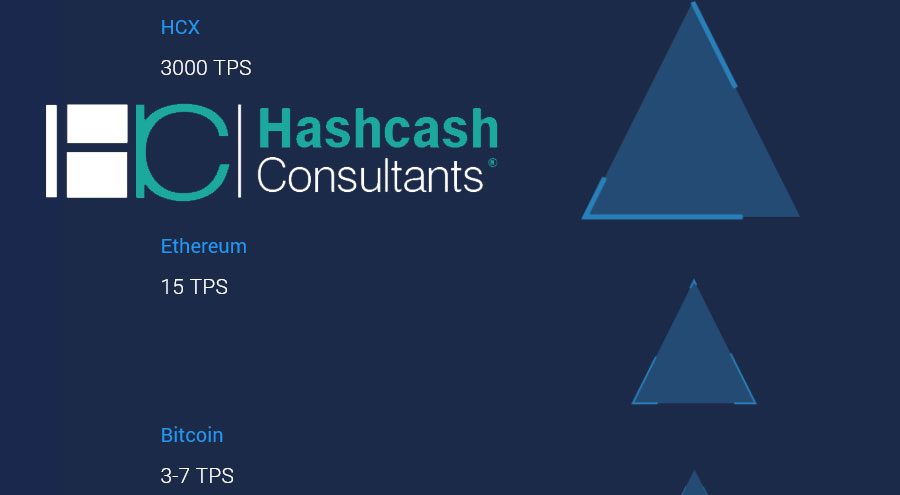
HashCash Consultants offers white-label centralized and hybrid crypto exchange infrastructure. Its centralized exchange solution includes order-book trading, matching-engine infrastructure, wallet management, KYC and verification workflows, liquidity connectivity, administrative controls, and branded user interfaces.
The company also offers P2P and hybrid exchange configurations, which can be relevant for markets where different trading models or payment structures need to coexist.
Key capabilities include:
- Centralized exchange infrastructure
- Hybrid exchange architecture
- P2P exchange functionality
- Matching engine
- Wallet management
- KYC/verification
- Liquidity connectivity
- Admin controls
- Branded interfaces
Why consider it: HashCash is worth examining for businesses that want flexibility between centralized, P2P, and hybrid exchange models.
Potential consideration: Operators should carefully assess the level of customization, third-party integrations, infrastructure ownership, and ongoing support included in a specific implementation.
10. Coinsclone
Coinsclone focuses on blockchain and Web3 development, including white-label cryptocurrency exchange solutions for startups and established businesses.

Its current white-label exchange offering covers centralized, decentralized, and crypto-to-fiat exchange models. The company describes functionality including trading engines, liquidity management, wallets, KYC/AML tools, administrative controls, fee management, security features, and analytics. It states that its white-label exchange deployments can take around 8–12 weeks, depending on the implementation.
Key capabilities include:
- Centralized exchange infrastructure
- DEX and hybrid options
- Crypto-to-fiat exchange
- Trading engine
- Liquidity management
- Wallet infrastructure
- KYC/AML functionality
- Admin dashboard
- Analytics and reporting
- Custom branding
Why consider it: Coinsclone can be relevant to startups looking for a more development-oriented partner with multiple exchange models.
Potential consideration: Businesses should distinguish between a ready-made white-label platform and a heavily customized development engagement when comparing proposals.
Why Emerging Markets Need a Different Exchange Strategy
An exchange designed for an emerging market may face different constraints from one targeting a mature financial center. To succeed in these regions, you need a robust blockchain marketing strategy to build trust and acquire users.
For example, users may prefer local fiat deposits, mobile-first onboarding, P2P transactions, stablecoins, or alternative payment methods. At the same time, regulators may have different approaches to licensing, custody, KYC, AML, and digital-asset taxation.
This means choosing white-label exchange solutions based only on trading-engine performance can leave important gaps.
1. Local Fiat Connectivity
Crypto adoption does not happen entirely inside crypto-native wallets.
Users often need a practical path between local currency and digital assets. Therefore, operators should investigate whether a provider can support the payment rails, banking relationships, or fiat on/off-ramp integrations required by their target market.
2. Liquidity
A technically impressive exchange can still deliver a poor trading experience if markets are thin.
Operators should ask:
- Where does liquidity come from?
- Is it aggregated?
- Which trading pairs are available?
- Who manages market-making relationships?
- What happens during periods of high volatility?
- Can additional liquidity providers be integrated?
3. Regulatory Configuration
A provider can supply KYC or AML technology without becoming the regulated operator.
The exchange owner remains responsible for understanding the laws applicable to its business, users, assets, custody model, and jurisdiction.
Therefore, compliance should be evaluated at two levels:
Technology: What tools does the provider supply?
Legal operation: What licenses, registrations, policies, reporting, and controls does the exchange itself require?
4. Localization
Localization goes beyond translating the interface.
An emerging-market exchange may need:
- Local currencies
- Local payment methods
- Multiple languages
- Local identity verification
- Region-specific transaction limits
- Local customer support
- Country-level user restrictions
- Different fee structures
This is why API flexibility and configurable workflows can be as important as the front-end design.
What to Ask Before Choosing a White-Label Exchange Provider
Before signing with any provider, ask for specific answers rather than relying only on a product demonstration.
Technology
- What matching engine is used?
- What are the tested performance limits?
- How does the system scale during traffic spikes?
- Is the architecture modular?
- Are APIs and SDKs available?
Liquidity
- Is liquidity included?
- Which liquidity providers are available?
- Can the operator add its own liquidity sources?
- How are spreads and market depth managed?
Security
- How are wallets secured?
- Is MPC or multi-signature infrastructure available?
- How are administrative permissions managed?
- What security testing has been performed?
- How are withdrawals monitored?
Frequently Asked Questions
1. What are white-label exchange solutions?
White-label exchange solutions are pre-built exchange platforms that businesses can brand, configure, and operate under their own identity. Depending on the provider, they can include trading engines, wallets, liquidity connectivity, KYC/AML tools, administrative systems, APIs, and payment integrations.
2. Are white-label crypto exchanges suitable for emerging markets?
They can be suitable when the platform supports the specific operational requirements of the target market. Important considerations include local fiat connectivity, payment methods, liquidity, localization, compliance workflows, deployment flexibility, and scalability.
3. How much does a white-label crypto exchange cost?
There is no universal price. Costs depend on the provider, licensing model, customization, infrastructure, integrations, liquidity arrangements, mobile applications, compliance tools, and ongoing support. A detailed commercial proposal should separate one-time implementation costs from recurring platform and infrastructure fees.
4. Does a white-label exchange come with a crypto license?
Not necessarily. Exchange software and regulatory authorization are separate matters. A provider may offer compliance technology, integrations, or regulatory support, but the business operating the exchange must determine which licenses or registrations apply in its target jurisdictions.
5. What is the most important feature of a white-label exchange?
There is no single feature that matters in every market. For many emerging-market operators, a practical evaluation should cover liquidity, security, compliance, payment connectivity, customization, scalability, and operational control together rather than focusing on one specification such as transaction speed.