

On-chain attribution verification for web3 growth hacking techniques
Effective growth strategies in decentralized ecosystems rely on deterministic data rather than proxy metrics. Establishing clear links between marketing activities and wallet-level conversion data allows teams to isolate high-value acquisition channels from noise.
Wallet-based conversion tracking
Distinguishing between vanity social metrics and actual on-chain transaction events is the baseline for professional growth operations. While Twitter impressions or Discord member counts provide top-of-funnel awareness, they do not equate to protocol adoption. Teams must implement tracking that maps specific referral links or campaign IDs directly to wallet addresses that perform actions like liquidity provision, governance voting, or asset staking.
Dune Analytics and Nansen integration

Data platforms like Dune Analytics and Nansen serve as the primary audit layer for campaign efficacy. By creating custom SQL dashboards, teams can monitor the retention rates of users acquired through specific incentive programs. If a referral campaign leads to a spike in wallet creation but zero long-term protocol interaction, the data will reflect this discrepancy immediately, allowing for real-time budget reallocation.
Incentive structure sustainability
Token-based growth mechanisms require rigorous modeling to avoid capital depletion. Evaluating the long-term viability of these incentives involves stress-testing the protocol against various market conditions and user behaviors.
Identifying mercenary liquidity risks
Growth techniques often attract short-term yield farmers who exit as soon as incentives diminish. To mitigate this, successful protocols implement time-locked rewards or tiered incentive structures that favor long-term liquidity providers. Assessing whether a campaign attracts genuine users or mercenary capital is essential to prevent the ‘pump and dump’ cycle that plagues many early-stage DeFi projects.
Implementing Sybil resistance in incentive programs
A major challenge when deploying web3 growth hacking techniques is the prevalence of Sybil attacks, where a single actor creates multiple wallets to drain reward pools. Protocols now frequently integrate identity verification layers like Gitcoin Passport or World ID to ensure that incentives reach unique human participants. By requiring a minimum ‘trust score’ before a wallet becomes eligible for airdrops or liquidity mining bonuses, teams significantly reduce the cost-to-attack for malicious actors.
Community-led growth hacking techniques
Prioritizing organic engagement loops over paid acquisition channels creates a more resilient user base. These loops are built on shared incentives where early adopters benefit from the protocol’s success, effectively turning users into long-term stakeholders. For those looking to scale these efforts, partnering with a professional web3 marketing agency can provide the necessary expertise to optimize community growth.
Governance participation as a growth metric
Increased DAO or protocol governance activity serves as a primary indicator of community health. When growth tactics successfully transition users from passive participants to active voters, the protocol gains a defensive moat. Measuring the correlation between specific growth campaigns and the number of unique addresses participating in governance proposals provides a clear signal of community alignment.
Leveraging referral programs with on-chain proof
Modern protocols utilize smart-contract-based referral systems where rewards are triggered automatically upon a referred user’s first deposit. By using Merkle trees to verify eligibility, teams can distribute rewards without exposing sensitive user data, ensuring that the growth loop remains trustless and verifiable on-chain.
Advanced attribution modeling for growth
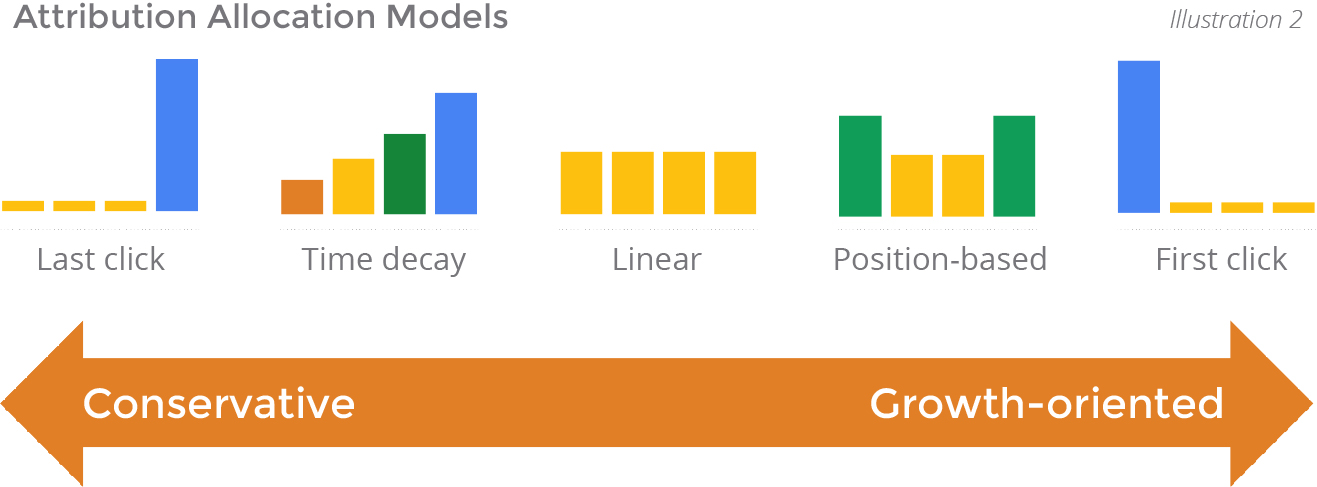
Beyond simple wallet tracking, sophisticated teams now utilize multi-touch attribution models adapted for blockchain environments. By analyzing the sequence of interactions—such as a user visiting a documentation page, connecting a wallet, and finally executing a swap—teams can assign weighted value to different touchpoints. This granular approach allows for the optimization of marketing spend toward channels that drive high-intent users rather than just high-volume traffic.
Regulatory compliance and risk mitigation
Growth tactics must be structured to avoid triggering securities law violations or platform bans. Legal considerations are not secondary; they are foundational to the design of any token distribution or incentive program.
Airdrop distribution legal safeguards
Structuring token distributions to avoid classification as unregistered securities requires careful coordination with legal counsel. This often involves ensuring that tokens are distributed for utility or participation rather than as an investment contract. Avoiding promises of future profit and focusing on the functional role of the token within the ecosystem are standard safeguards used by mature projects.
Technical infrastructure requirements
Executing automated growth campaigns requires a backend capable of handling high-frequency on-chain interactions without compromising web3 community management security. The choice between automation and manual oversight depends on the project’s risk tolerance and technical resources.
Smart contract automation versus manual intervention
Automated scripts can execute complex incentive distributions with high gas efficiency, but they introduce potential vulnerabilities if not audited. Manual campaign management offers higher control and safety but lacks the scalability required for rapid growth. Most teams adopt a hybrid approach, using automated smart contracts for standard reward distributions while maintaining manual oversight for high-value or high-risk governance and treasury operations.
Frequently Asked Questions
Core services of a blockchain marketing agency
They typically provide community management, tokenomics consulting, influencer outreach, on-chain data analytics, and PR services tailored for decentralized projects.
Typical cost structures for web3 marketing agencies
Costs vary significantly, ranging from $5,000 to over $50,000 per month depending on the scope, technical complexity, and whether the agency manages treasury-heavy incentive campaigns. Many firms also prioritize web3 marketing strategies to ensure long-term sustainability.
SEO value for blockchain projects
SEO drives organic, high-intent traffic from users searching for specific solutions, reducing reliance on expensive paid ads and volatile social media algorithms. Engaging a specialized web3 seo agency can help projects capture this valuable search intent.
Distinctions between web3 and traditional marketing
Web3 marketing focuses on community ownership, on-chain transparency, and decentralized incentives, whereas traditional marketing relies on centralized platforms, email lists, and proprietary data.
Performance measurement for crypto marketing campaigns
Success is measured through on-chain metrics like unique wallet acquisition, TVL growth, governance participation rates, and long-term user retention tracked via platforms like Dune Analytics.