

Core mandates of a crypto PR agency vs marketing agency
Choosing between a crypto PR agency vs marketing agency requires a clear distinction between building long-term credibility and driving immediate user acquisition. While both aim to grow a project, their methodologies, key performance indicators (KPIs), and operational focus differ significantly in the decentralized finance landscape.
Defining public relations in the crypto sector
Public relations in the crypto sector focuses on reputation management, strategic positioning, and securing earned media. A specialized PR firm prioritizes the narrative arc of your project, ensuring that your core value proposition reaches credible industry outlets like CoinDesk, Cointelegraph, or The Block.

The primary goal is to establish authority and trust among institutional investors and industry stakeholders through non-paid placements. These agencies manage crisis communication, facilitate interviews with founders, and craft press releases that highlight technical milestones or partnerships. Success here is measured by brand sentiment, media mentions, and the quality of backlinks from reputable financial news sources rather than direct click-through rates.
Defining comprehensive crypto marketing
Marketing agencies operate with a broader mandate centered on growth, user acquisition, and community engagement. Their toolkit is expansive, covering performance marketing, social media management, influencer campaigns, and search engine optimization (SEO).
A marketing agency is tasked with moving the needle on specific metrics, such as wallet connections, platform sign-ups, or token liquidity. These firms leverage paid media channels—such as Twitter (X) ads, Google Search ads, or programmatic display campaigns—to target specific demographics. They often manage community hubs on Discord or Telegram, focusing on conversion funnels that turn casual observers into active protocol users. While PR builds the foundation of trust, marketing provides the engine for scaling the user base and maintaining constant visibility in a crowded market.
Evaluating expertise and verifiable track records
Distinguishing between a crypto PR agency and a marketing agency requires a deep dive into their core competencies. A PR agency focuses on narrative control, brand authority, and securing earned media, while a marketing agency prioritizes performance-based metrics, user acquisition, and direct conversion funnels.
To evaluate their expertise, you must look beyond their pitch decks and examine their historical performance in the volatile blockchain sector.
Assessing PR agency media placements and relationships
A reputable PR agency provides a portfolio of verified placements in top-tier crypto publications such as CoinDesk, The Block, or Cointelegraph. When vetting these firms, request a list of specific articles they secured for past clients.
Do not settle for generic claims of “media reach.” Instead, verify the quality of the outlets and check if the coverage was organic or paid advertorial content. A strong agency maintains direct relationships with editors and journalists, allowing them to pitch stories that align with current market trends. Ask for case studies that demonstrate how their media strategy influenced token sentiment or increased community trust during critical project milestones, such as mainnet launches or funding rounds.
Assessing marketing agency growth metrics and campaign ROI
Marketing agencies operate on tangible data points. When interviewing a potential partner, demand access to anonymized dashboards or historical campaign reports that highlight key performance indicators (KPIs) like Cost Per Acquisition (CPA), Return on Ad Spend (ROAS), and click-through rates (CTR) on platforms like X, Google Ads, or specialized crypto ad networks.
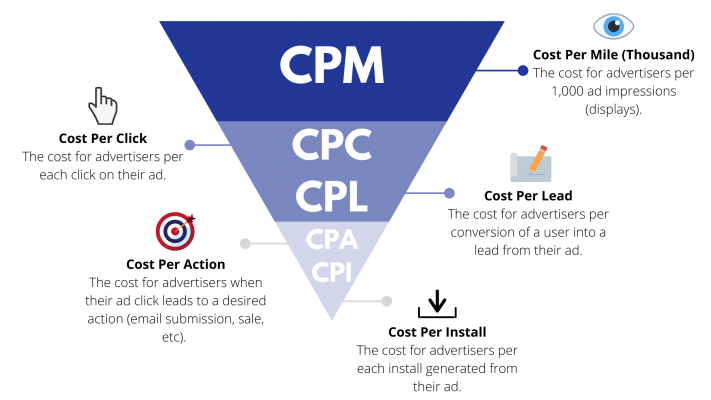
A professional agency will explain their methodology for targeting specific demographics, such as DeFi power users or NFT collectors. Scrutinize their ability to manage budget allocation across different channels. If an agency cannot provide a clear breakdown of how their campaigns translated into active wallet connections or platform registrations, they likely lack the technical expertise required for high-stakes crypto growth. Always ask for a breakdown of their attribution modeling to understand how they track user journeys from initial ad engagement to final on-chain transaction.
Comparing service offerings and strategic scope
Understanding the fundamental differences between a crypto PR agency vs marketing agency is essential for allocating your budget effectively. While both aim to increase project visibility, their operational focus, KPIs, and long-term impact on your brand equity differ significantly.
Typical services of a crypto PR agency
A crypto PR agency focuses on building institutional credibility and managing the public narrative surrounding your project. Their primary goal is to establish authority and trust within the industry. Key services include:
- Press Release Distribution: Securing placements on Tier-1 crypto news outlets like Cointelegraph, The Block, or Decrypt to build social proof.
- Media Outreach: Cultivating relationships with journalists and editors to secure organic features, interviews, and deep-dive analysis.
- Crisis Management: Developing communication strategies to mitigate reputational damage during security breaches, FUD, or regulatory scrutiny.
- Thought Leadership: Ghostwriting op-eds and technical insights for your founders to publish on industry-leading platforms, positioning them as sector experts.
Typical services of a crypto marketing agency
A crypto marketing agency is performance-oriented, focusing on user acquisition, community growth, and direct conversion metrics. They utilize data-driven tactics to scale your project’s presence across digital channels. Key services include:
- Content Marketing: Producing high-frequency blog posts, educational guides, and video scripts designed to drive organic search traffic and user engagement.
- Social Media & Community Management: Managing active presence on X (formerly Twitter), Discord, and Telegram to foster a loyal user base.
- Paid Advertising: Executing targeted campaigns on platforms like Google Ads, Twitter Ads, or native crypto ad networks to drive immediate sign-ups or token sales.
- SEO Strategy: Optimizing your project’s website architecture and technical content to rank for high-intent keywords, ensuring long-term visibility in search engines.
While PR builds the foundation of trust required for institutional adoption, marketing provides the engine for rapid user growth. Many successful projects deploy a hybrid approach, using PR to validate their legitimacy while relying on web3 marketing agencies to drive the daily traffic necessary for ecosystem expansion.
Assessing team structure and specialization
The core difference between a crypto PR agency and a marketing agency lies in the internal DNA of their teams. While both aim to increase project visibility, their operational frameworks and talent pools are optimized for distinct outcomes.
PR team focus on journalists, storytellers, and networkers
A crypto PR agency is typically staffed by former journalists, media relations specialists, and communication strategists. Their primary value proposition is their rolodex—the direct lines they hold to editors at major outlets like CoinDesk, Cointelegraph, or The Block.
These teams prioritize narrative control and brand reputation. Their daily workflow involves drafting press releases, pitching exclusive stories, and managing crisis communications. They excel at securing third-party validation through earned media, which is essential for building long-term institutional trust. If your project needs to establish authority through high-profile interviews or thought leadership pieces, this team structure is the primary engine.
Marketing team focus on strategists, analysts, and content creators
Conversely, a defi marketing agency functions more like a performance-driven growth engine. Their roster is composed of data analysts, SEO specialists, paid media buyers, and community managers. Unlike PR teams that focus on earned media, marketing agencies prioritize owned and paid channels.
They manage complex funnels, track conversion rates from Twitter (X) or Discord, and optimize ad spend across platforms like Google or crypto-native ad networks. Their focus is measurable ROI: how many wallet connections, token swaps, or sign-ups did a specific campaign generate? A marketing agency will spend more time analyzing A/B test results and funnel drop-off points than crafting a narrative-driven press release. When evaluating a crypto PR agency vs marketing agency, determine if your immediate goal is to build long-term credibility or to drive immediate, measurable user acquisition.
Understanding pricing models and measurable deliverables
Selecting the right partner requires a clear grasp of how each agency structures its fees and what specific outcomes you can expect. PR agencies typically operate on a monthly retainer model, focusing on long-term brand equity and authority.
In contrast, marketing agencies often utilize a hybrid model, combining base retainers with performance-based fees tied to measurable user actions.
PR deliverables including media mentions, sentiment, and crisis management
PR agencies prioritize qualitative impact over immediate traffic spikes. Their success is measured through share-of-voice, the quality of tier-one media placements, and sentiment analysis. When evaluating a PR firm, expect reports that track:
- Media Coverage Volume: Tracking mentions in outlets like CoinDesk, Cointelegraph, or The Block.
- Sentiment Analysis: Utilizing tools like Meltwater or Brandwatch to measure the shift in public perception following major announcements.
- Crisis Mitigation: Documenting the response time and effectiveness of communication during market volatility or security incidents.
These deliverables are designed to build institutional trust, which is essential for projects aiming for long-term partnerships or venture capital interest.
Marketing deliverables including user acquisition, engagement, and conversion

Marketing agencies focus on the bottom line, providing granular data that links expenditure directly to growth. Their reports are quantitative, focusing on the efficiency of your capital deployment. Key performance indicators (KPIs) provided by these agencies typically include:
- Cost Per Acquisition (CPA): The exact dollar amount spent to gain a new active wallet or platform user.
- Conversion Rate Optimization (CRO): Data-driven adjustments to landing pages that increase the percentage of visitors who perform a desired action, such as staking tokens or signing up for a newsletter.
- Engagement Metrics: Analyzing click-through rates (CTR) on paid social campaigns or influencer-led referral programs.
While PR builds the foundation of trust, marketing agencies provide the tactical execution required to scale your user base. Understanding the distinction between these deliverables allows you to allocate your budget effectively, ensuring that you are not paying for reach when you need conversion, or vice versa.
Strategic alignment for choosing a crypto PR agency or marketing agency
Selecting the right partner depends on your project’s current lifecycle stage and specific growth bottlenecks. While PR focuses on credibility and narrative control, marketing agencies prioritize measurable user acquisition and conversion metrics.
Scenarios favoring a dedicated crypto PR agency
Engage a specialized crypto PR agency when your primary objective is establishing institutional trust or managing complex narratives. This is critical during high-stakes events such as a mainnet launch, a major protocol upgrade, or a strategic partnership announcement.
PR experts excel at securing placements in tier-one financial and blockchain publications like CoinDesk, The Block, or Cointelegraph. Their value lies in crafting whitepapers, managing crisis communications, and positioning your founders as thought leaders, which is essential for attracting long-term venture capital and institutional liquidity.
Scenarios favoring a comprehensive crypto marketing agency
A marketing agency is the superior choice when your project has achieved product-market fit and requires aggressive user growth. These agencies utilize performance-based strategies, including programmatic advertising, influencer management, and SEO, to drive traffic directly to your dApp or exchange.
If your goal is to increase Total Value Locked (TVL) or boost daily active users (DAU), a metaverse marketing agency provides the technical infrastructure—such as tracking pixels, A/B testing frameworks, and conversion rate optimization—that PR firms typically lack.
The case for an integrated approach
For established projects scaling toward mass adoption, an integrated approach often yields the highest ROI. By synchronizing PR efforts with marketing campaigns, you ensure that the trust generated by media coverage acts as a force multiplier for your paid acquisition channels.
For instance, a high-authority feature article in a major outlet can significantly lower your Cost Per Acquisition (CPA) when users click through from your social media ads. The primary consideration here is budget allocation; ensure that your PR efforts provide the narrative foundation that your marketing team then amplifies through targeted distribution channels. Managing both requires a centralized project lead to ensure that the messaging remains consistent across earned media and paid performance channels.
Frequently Asked Questions
What is the main difference between a crypto PR agency vs marketing agency?
A PR agency focuses on building long-term brand authority and trust through earned media and reputation management, while a marketing agency focuses on driving measurable user acquisition and conversion through paid and owned channels.
When should a Web3 project hire a PR agency?
You should hire a PR agency during critical milestones like mainnet launches, funding rounds, or when you need to establish institutional credibility and manage complex public narratives.
Can a marketing agency handle PR tasks?
While some marketing agencies offer basic PR services, they often lack the deep-rooted relationships with tier-one journalists and the specialized expertise required for high-level crisis management or institutional-grade thought leadership.
How do I measure the success of a crypto PR campaign?
Success is measured through qualitative metrics such as the quality of media placements, share-of-voice in industry publications, sentiment analysis, and the strength of backlinks from reputable financial news sources.