
Market gap analysis for intelligent automation
Financial institutions are rapidly shifting from rigid automated scripts to dynamic AI chatbot architectures to bridge the gap between high-volume customer inquiries and personalized advisory services. Scaling these solutions requires moving beyond simple keyword matching toward systems capable of contextual reasoning.
This shift directly influences customer retention and operational overhead reduction.
Current limitations of rule-based support
Static decision trees rely on predefined paths that fail the moment a customer query deviates from a narrow set of programmed scenarios. These systems suffer from high abandonment rates because they cannot parse nuance, sentiment, or complex multi-intent requests.
When a user asks about the tax implications of a specific trade, rule-based bots often default to generic help articles rather than synthesizing real-time account data. This limitation forces human agents to intervene, negating the cost-saving benefits of automation and creating a fragmented user experience.
High-impact use cases in wealth management
Integrating an AI chatbot into wealth management workflows transforms passive account monitoring into proactive financial engagement. By leveraging large language models (LLMs) connected to secure API endpoints, firms can deliver sophisticated, automated interactions that were previously reserved for human advisors.

- Portfolio rebalancing alerts: Instead of sending generic notifications, the AI analyzes the specific impact of market volatility on the user’s holdings. It then generates a conversational summary explaining why a rebalance is recommended, providing a direct link to execute the trade within the chat interface.
- Personalized financial literacy: Rather than directing users to a static library, the AI acts as an on-demand tutor. It interprets a user’s spending patterns or investment history to provide tailored explanations of financial concepts, such as compound interest or asset allocation, specifically relevant to their current life stage and risk profile.
By transitioning to this model, firms move from treating chatbots as simple FAQ tools to positioning them as integral components of the digital wealth management stack. This shift requires robust data governance and low-latency integration with core banking systems to ensure the information provided remains accurate and compliant with financial regulations.
Technical architecture for ai chatbot reliability
Scaling an AI chatbot within a fintech environment requires a robust infrastructure that prioritizes data integrity and sub-second response times. A modular architecture, typically built on a microservices framework, allows for the independent scaling of the natural language processing (NLP) layer and the backend transaction engine.
By decoupling the interface from the core financial logic, firms can deploy updates to conversational flows without risking downtime for critical banking operations.
RAG implementation for data accuracy
Retrieval-Augmented Generation (RAG) serves as the primary mechanism to prevent hallucinations in financial advice. Instead of relying solely on the pre-trained knowledge of a Large Language Model (LLM), the system queries a vector database containing your firm’s verified documentation, such as compliance manuals, product terms, and interest rate schedules.
When a user asks a question, the system performs a semantic search to retrieve relevant snippets, which are then injected into the model’s prompt as context. This ensures that the AI chatbot provides answers grounded in current, company-approved data rather than probabilistic guesses.
Implementing a hybrid search approach—combining vector similarity with keyword-based BM25 retrieval—often yields the highest precision for specific financial terminology.
Latency and throughput considerations
In fintech, the delay between a user query and a response is a critical performance metric. High-latency interactions can lead to session timeouts or user abandonment during sensitive processes like balance inquiries or fund transfers.
To maintain real-time performance, developers should utilize model distillation or quantization techniques to reduce the computational footprint of the LLM without sacrificing accuracy. Furthermore, implementing an asynchronous processing queue allows the system to handle spikes in throughput during high-traffic periods, such as market volatility or payroll cycles.
By utilizing edge caching for frequently asked questions and optimizing the token generation limit for standard queries, firms can keep response times under the 500-millisecond threshold required for a seamless user experience.
Regulatory compliance and data governance
Scaling an AI chatbot in fintech requires a rigid architecture that prioritizes data sovereignty and regulatory adherence. Financial institutions operate under strict mandates where every automated interaction must be traceable, secure, and compliant with regional privacy laws.
Failure to integrate these controls at the architectural level exposes firms to severe penalties and reputational damage.
GDPR and CCPA compliance protocols
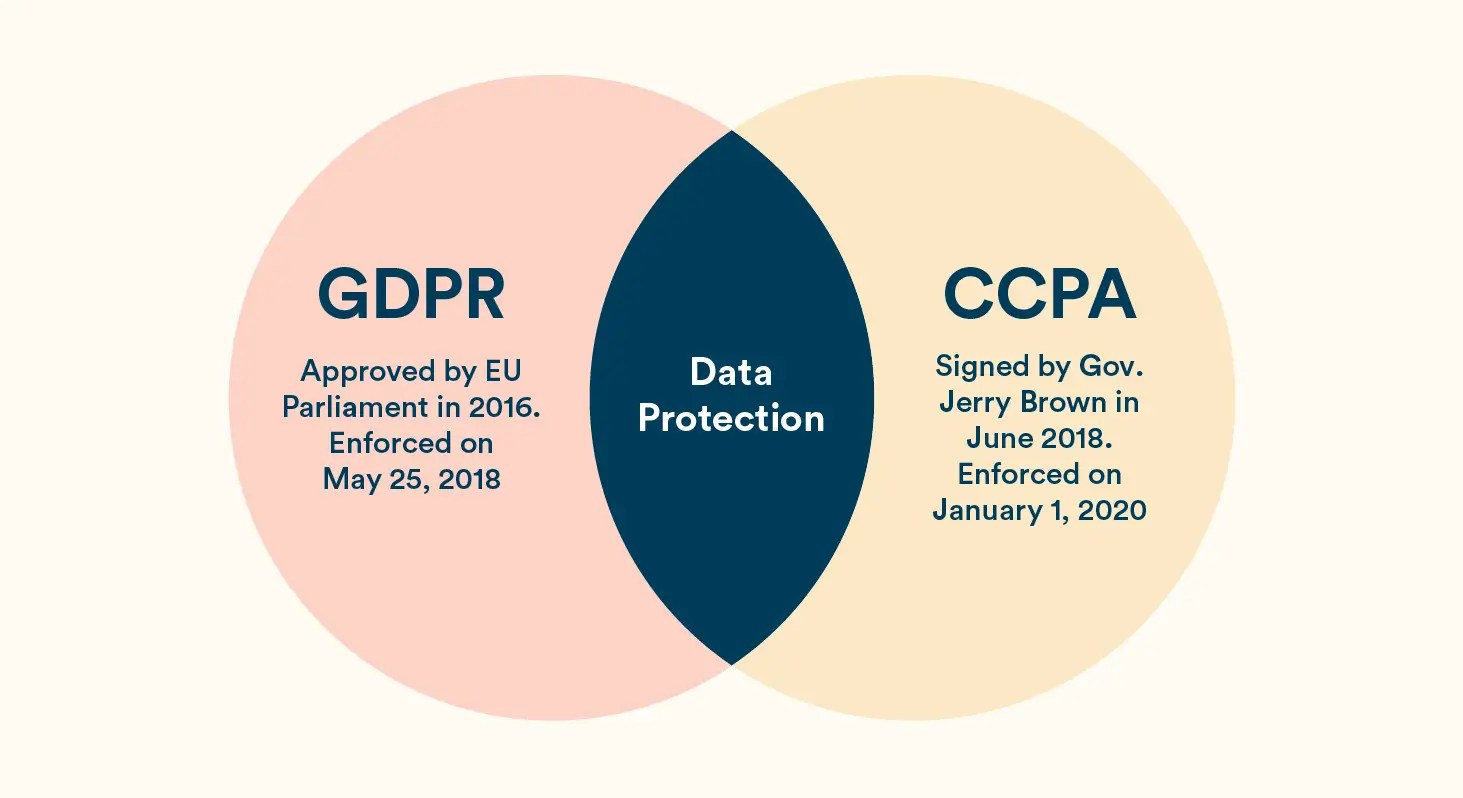
To ensure user data privacy during model training and inference, fintech firms must implement a “Privacy by Design” framework. This involves deploying data masking and anonymization layers before any conversation logs reach the LLM training pipeline.
For GDPR compliance, developers must enforce the “Right to be Forgotten” by maintaining a mapping layer that allows for the surgical deletion of specific user data points from vector databases without retraining the entire model. CCPA mandates require clear “Do Not Sell” opt-outs, which must be programmatically linked to the chatbot’s identity verification module.
By utilizing localized data residency—keeping sensitive PII within specific geographic boundaries—firms satisfy residency requirements while still leveraging cloud-based AI processing.
Auditing AI decision-making processes
Maintaining an immutable log of chatbot interactions is essential for regulatory reporting and forensic analysis. Fintechs should utilize a write-once-read-many (WORM) storage architecture for all chatbot session transcripts. Each interaction must be timestamped and cryptographically signed to prevent tampering.
This audit trail must capture not only the user input and bot response but also the specific model version, system prompt, and temperature settings used at the time of the interaction. Implementing a “Human-in-the-Loop” (HITL) override system allows compliance officers to review flagged conversations where the AI provided financial advice or initiated a transaction.
This creates a clear lineage of decision-making, ensuring that if an AI chatbot provides an incorrect interest rate or loan term, the firm can reconstruct the exact logic path for regulators during an audit.
Performance metrics for ai chatbot success
Scaling an AI chatbot in a fintech environment requires moving beyond vanity metrics like total conversation volume. Success hinges on balancing operational efficiency with the precision of financial guidance.
To maintain regulatory compliance and customer satisfaction, firms must implement a dual-layered measurement strategy that evaluates both technical throughput and the qualitative impact of automated interactions.
Quantifying deflection rates versus resolution quality
Deflection rate measures the percentage of inquiries resolved without human intervention. While high deflection reduces operational costs, it risks masking poor user experiences if the chatbot fails to provide accurate, actionable financial data. Fintech leaders should prioritize First Contact Resolution (FCR) over raw deflection.
If a user returns to the support queue within 24 hours regarding the same issue, the initial interaction is classified as a failure, regardless of whether the bot technically ‘deflected’ the ticket. To audit resolution quality, implement a sentiment-weighted scoring system. Use natural language processing (NLP) to analyze the final turn of a conversation.

If the bot provides a generic link to a knowledge base article for a complex issue like a transaction dispute, the resolution quality score should be penalized. True success is defined by the bot’s ability to execute tasks—such as updating account details or initiating a wire transfer—within the secure chat interface.
Measuring user sentiment and trust scores
Trust is the primary currency in fintech. A chatbot that provides fast answers but lacks empathy or accuracy will erode customer lifetime value (CLV) over time. Track Customer Effort Score (CES) immediately following an interaction to determine if the bot simplified the user’s financial task.
High-friction interactions, even if technically resolved, correlate with higher churn rates in banking applications. Monitor the delta in CLV for users who interact frequently with the AI chatbot versus those who rely exclusively on human agents. If the AI-assisted cohort shows a decline in product adoption or account balance growth, the bot’s tone or logic may be failing to build the necessary rapport.
Integrate post-interaction surveys that specifically ask about ‘perceived security’ and ‘clarity of information’ to quantify how the AI influences long-term brand loyalty.
Cost-benefit analysis of build versus buy
Scaling an AI chatbot within a fintech environment requires a rigorous financial assessment. Choosing between developing a proprietary model or integrating a third-party solution impacts long-term capital allocation, operational agility, and regulatory compliance posture.
Total cost of ownership for custom LLMs
Building a custom LLM involves significant upfront and recurring expenditures that often exceed initial projections. Infrastructure costs include high-performance GPU clusters, such as NVIDIA H100s, required for both training and inference.
Beyond hardware, fintech firms must account for data engineering teams to curate high-quality, compliant datasets, and machine learning engineers to manage fine-tuning cycles. Maintenance expenses are frequently underestimated. These include continuous monitoring for model drift, implementing Reinforcement Learning from Human Feedback (RLHF) to align outputs with financial regulations, and ongoing security patching.
A custom build also necessitates a robust MLOps pipeline to ensure model versioning and reproducibility, which adds complexity and headcount requirements compared to managed services.
Vendor selection criteria for fintech
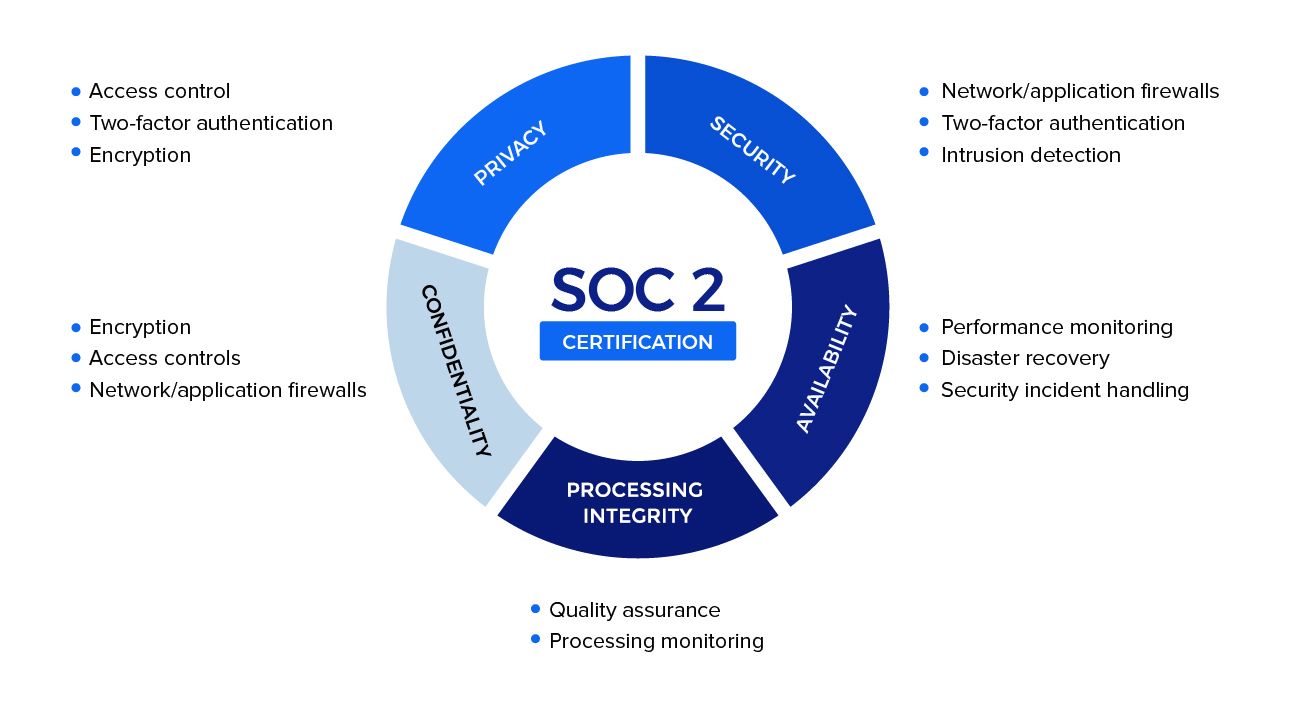
When opting for a vendor-led approach, fintech organizations must prioritize security and domain-specific performance over generic capabilities. A primary requirement is SOC 2 Type II compliance and ISO 27001 certification, ensuring the vendor maintains stringent data protection standards.
Evaluate the vendor’s ability to support on-premises or private cloud deployments to keep sensitive financial data within your controlled environment. Technical due diligence should focus on the vendor’s financial domain expertise. Assess their ability to handle complex financial terminology, regulatory reporting requirements, and integration with core banking systems via secure APIs.
Request a Proof of Concept (PoC) that tests the model’s performance on specific use cases, such as transaction dispute resolution or personalized investment advice, rather than relying on general benchmarks. Finally, evaluate the vendor’s roadmap for model explainability, as regulators increasingly demand transparency regarding how automated financial decisions are reached.
Risk management and failure recovery
Scaling an AI chatbot within a fintech environment requires a robust safety architecture that assumes system failure is inevitable. Financial institutions must implement circuit breakers that automatically disable specific chatbot modules if error rates exceed predefined thresholds, such as a 2% variance in sentiment analysis or repeated “I don’t understand” responses.
This prevents the propagation of incorrect financial advice or unauthorized transaction execution.
Human-in-the-loop escalation triggers
Automated systems must yield to human oversight when the complexity of a user query exceeds the model’s confidence interval or involves high-stakes financial decisions. Triggers for immediate hand-off include requests involving account closure, dispute of unauthorized charges, or inquiries regarding specific investment performance metrics.
By integrating a confidence score threshold—typically set at 0.85 or higher for autonomous responses—the system can route low-confidence interactions to a live support queue. This handover process must include a full transcript context transfer to ensure the human advisor can resolve the issue without requiring the customer to repeat information.
Adversarial testing for prompt injection
Fintech chatbots are prime targets for prompt injection attacks, where users attempt to manipulate the model into bypassing security protocols or revealing internal system instructions. To mitigate this, developers must conduct rigorous red-teaming exercises using adversarial datasets.
Implementing a secondary “guardrail” model that scans both user inputs and chatbot outputs for malicious patterns is essential. This layer acts as a firewall, filtering out attempts to force the bot into generating prohibited financial advice or executing unauthorized API calls.
Regular penetration testing should simulate common attack vectors, such as indirect prompt injection via external data sources, to ensure the chatbot remains resilient against evolving manipulation tactics. Maintaining a strict separation between the chatbot’s operational logic and its interface layer further limits the potential impact of a successful injection attempt.
Frequently Asked Questions
Primary risks when scaling ai chatbot solutions in fintech
The primary risks include data privacy breaches, hallucinations in financial advice, and lack of integration with legacy core banking systems. Mitigating these requires strict PII redaction, human-in-the-loop verification, and robust API security protocols.
Methods for measuring the ROI of an ai chatbot in a financial institution
ROI is measured by tracking the reduction in cost-per-ticket, the increase in self-service resolution rates, and the speed of transaction processing for routine queries. Successful implementations often show a 30-50% reduction in manual support volume within the first six months.