
Direct expenditure versus hidden operational overhead
Calculating the true ai chatbot cost requires looking past the advertised monthly subscription price. While SaaS providers market low entry fees, the total cost of ownership often triples once integration, maintenance, and data processing overheads are factored into the corporate budget.
Financial institutions must distinguish between predictable licensing fees and variable operational expenses that scale with user interaction volume.
Subscription models and token-based pricing
Most enterprise AI platforms utilize a hybrid billing structure. Flat-rate SaaS subscriptions typically cover basic access to a dashboard and standard model versions, often ranging from $500 to $5,000 per month for mid-market deployments.
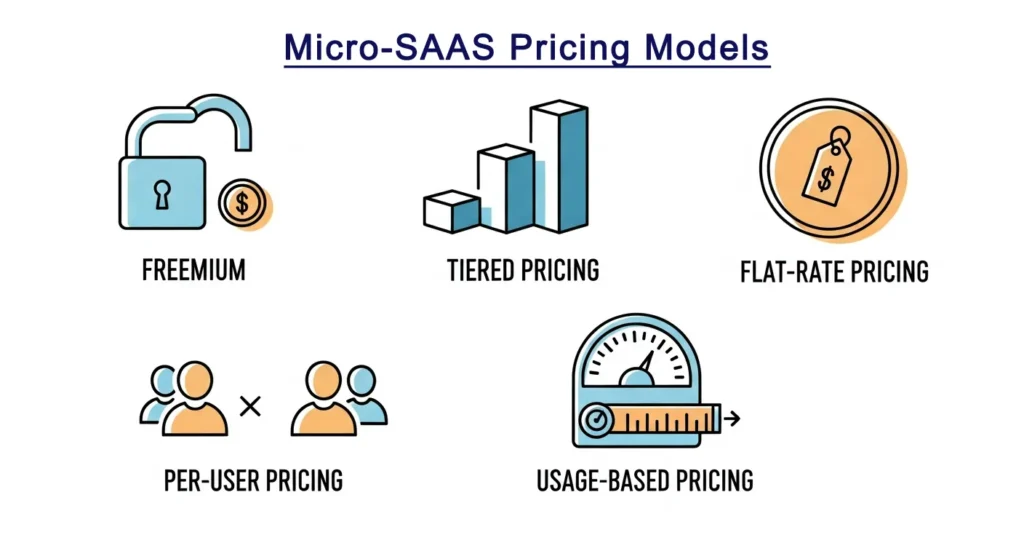
However, the primary cost driver is token-based pricing. When connecting to LLMs like GPT-4o or Claude 3.5 via API, organizations pay for every input and output token processed. A high-volume customer service bot handling 50,000 queries monthly can easily exceed $10,000 in API costs alone, depending on the complexity of the prompt context and the length of the conversation history stored in the model’s memory.
Integration and custom development requirements
The most significant hidden expense lies in technical debt and engineering hours. Integrating a chatbot into legacy banking systems—such as core banking platforms (e.g., FIS, Fiserv) or proprietary CRM databases—is rarely a plug-and-play process.
Developers must build secure middleware to ensure PII (Personally Identifiable Information) is scrubbed before reaching the AI model, a process that requires strict compliance with SOC2 or GDPR standards. Companies often underestimate the cost of these custom API connectors, which can demand 200 to 500 hours of specialized engineering time.
Beyond the initial build, ongoing maintenance of these connectors is essential. Every time the underlying banking API updates or the AI model version changes, the integration layer requires regression testing to prevent service outages or data leakage.
Quantifying the total ai chatbot cost over a three-year lifecycle
Calculating the true financial impact of deploying an AI chatbot requires looking beyond the monthly SaaS subscription. Over a three-year horizon, organizations often find that initial licensing fees represent less than 40% of the total cost of ownership.
Hidden expenditures, including infrastructure scaling, API token consumption, and internal labor for oversight, create a compounding financial effect that must be factored into the annual budget.
Maintenance and model fine-tuning expenses
AI models are not static assets; they suffer from performance degradation as user behavior and market data evolve. Maintaining accuracy requires periodic fine-tuning to prevent “model drift,” where the chatbot begins providing outdated or irrelevant financial advice.
This process involves dedicated data science hours to curate high-quality training sets and compute costs for re-running training pipelines. For fintech firms, this also includes the cost of “human-in-the-loop” verification, where subject matter experts must audit a percentage of chatbot responses to ensure regulatory compliance and factual precision.
Expect to allocate roughly 15-20% of your initial development budget annually just to keep the model aligned with current operational standards.
Security compliance and data privacy investments
The financial burden of meeting stringent data protection mandates like GDPR, CCPA, or local financial data sovereignty laws is a significant component of the total ai chatbot cost. Unlike standard web applications, AI chatbots process unstructured data that may inadvertently contain PII.
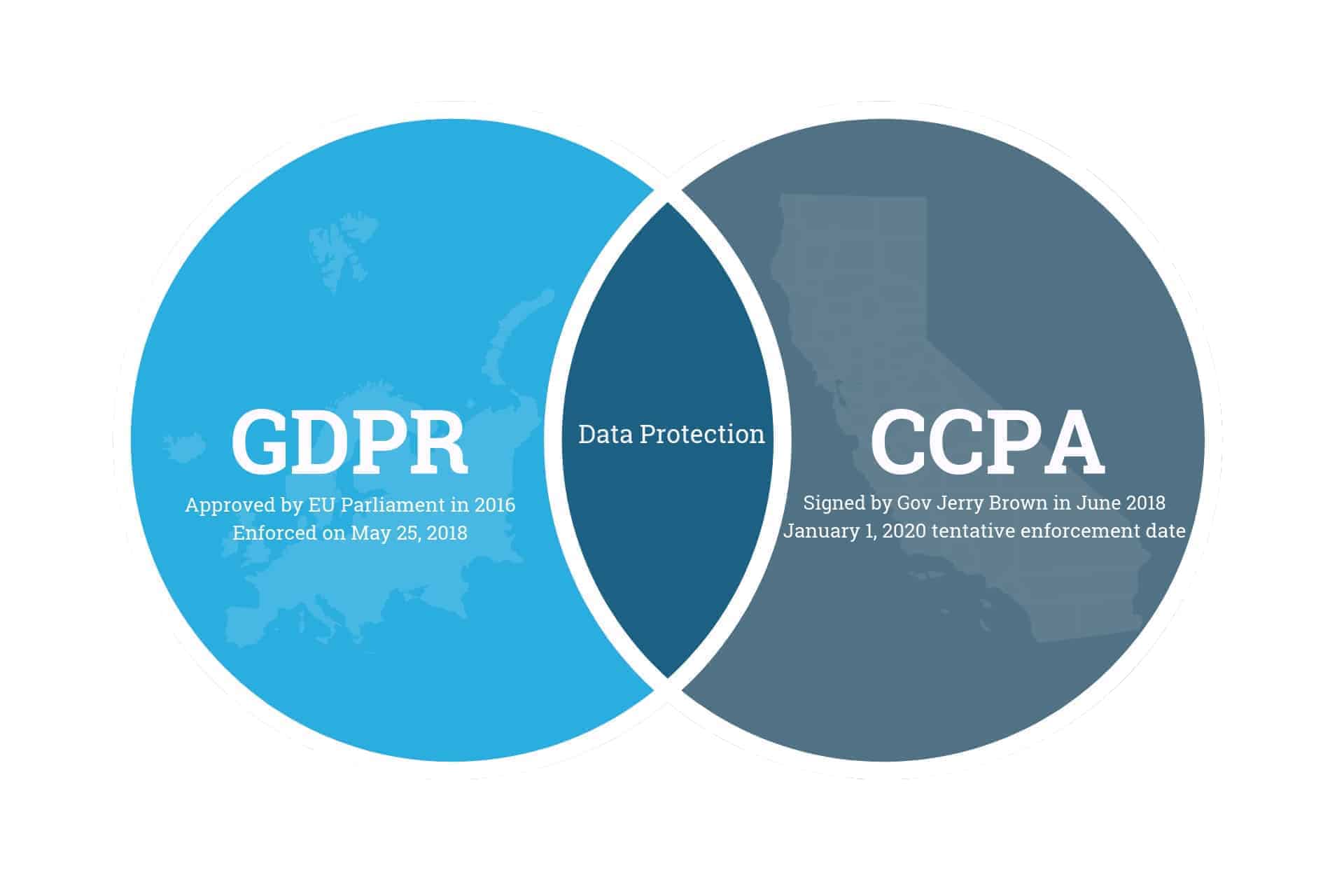
Organizations must invest in robust middleware to act as a data scrubbing layer, which adds latency and recurring infrastructure costs. Furthermore, conducting regular third-party penetration testing and AI-specific security audits is non-negotiable for financial institutions.
These compliance activities often require specialized legal counsel and cybersecurity insurance premiums that scale with the volume of data processed by the chatbot. Failing to account for these ongoing security overheads can lead to significant budgetary shortfalls during the second and third years of operation.
Comparative analysis of build versus buy strategies
Choosing between a proprietary build and an off-the-shelf SaaS solution fundamentally alters your long-term financial trajectory. Building an AI chatbot in-house requires significant upfront investment in engineering talent, data infrastructure, and model fine-tuning.
While this eliminates recurring subscription fees, the internal maintenance burden—including security patching, API management, and infrastructure scaling—often exceeds the cost of a managed vendor service within 18 to 24 months.
Conversely, buying a solution provides predictable monthly expenses but introduces hidden overheads. You must account for implementation consulting, specialized training for internal staff, and the inevitable cost of custom integrations with your existing CRM or ERP systems. Organizations often underestimate the time required for internal teams to configure these platforms, which functions as a hidden labor cost.
Vendor lock-in risks and migration costs
Vendor lock-in represents a significant financial liability that is frequently ignored during initial procurement. When you build your chatbot logic directly onto a proprietary platform’s specific API framework, extracting your data and retraining your conversational models for a different provider becomes a massive technical undertaking.
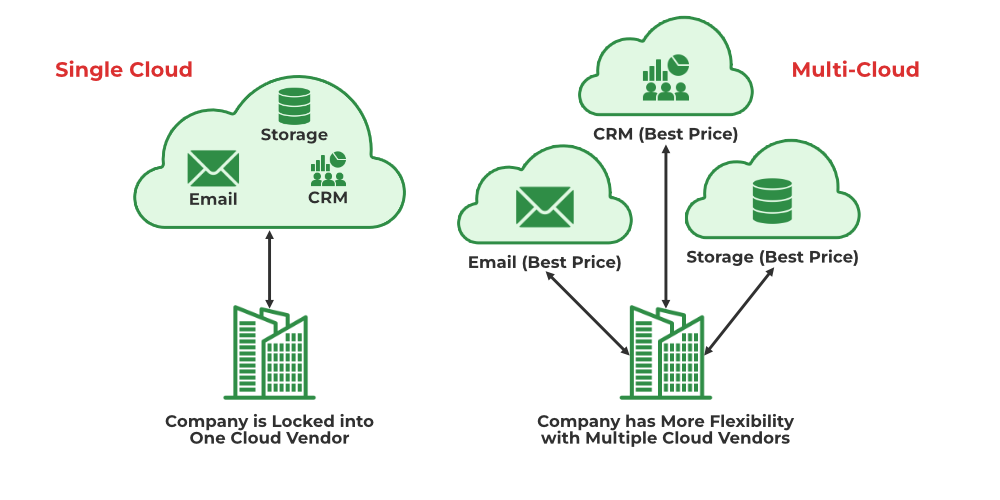
If a vendor suddenly increases their pricing or deprecates a feature your workflow relies on, you face a binary choice: absorb the price hike or fund a costly migration project. Migration costs include more than just software licensing.
You must factor in the loss of historical training data, the downtime during the transition period, and the engineering hours required to refactor your integration layer. To mitigate this risk, prioritize vendors that support open standards or provide robust data portability features.
Before signing a multi-year contract, conduct a cost-benefit analysis that includes a hypothetical exit scenario. If the cost to migrate exceeds 20% of your total annual ai chatbot cost, you are effectively locked into that vendor’s pricing strategy for the foreseeable future. Always ensure your contract includes clear data ownership clauses and defined formats for exporting your conversational logs and fine-tuned model weights.
Performance metrics that justify ai chatbot cost
Evaluating the true value of an AI deployment requires moving beyond simple subscription invoices. Organizations must track operational efficiency metrics to determine if the technology delivers a tangible return on investment.
The most critical performance indicator is the deflection rate, which measures the percentage of customer inquiries resolved entirely by the bot without human intervention. If your deflection rate remains below 30%, the subscription fees often outweigh the labor savings.
Practical method for calculating cost per resolution to determine operational efficiency
To calculate the cost per resolution, divide the total monthly ai chatbot cost—including subscription fees, API usage, and maintenance hours—by the total number of unique issues resolved. For example, if your monthly expenditure is $5,000 and the bot resolves 2,000 tickets, your cost per resolution is $2.50.
Compare this figure directly against the fully loaded cost of a human agent handling a similar ticket, which typically includes salary, benefits, and overhead. Beyond the raw cost per resolution, monitor the following metrics to ensure the investment remains viable:
- Average Handling Time (AHT) Reduction: Track how much time human agents save when they do intervene, specifically when the bot provides a summary or retrieves account data before the handoff.
- Escalation Rate: A high escalation rate indicates that the bot is failing to handle complex queries, forcing human agents to spend time fixing bot errors rather than solving new problems.
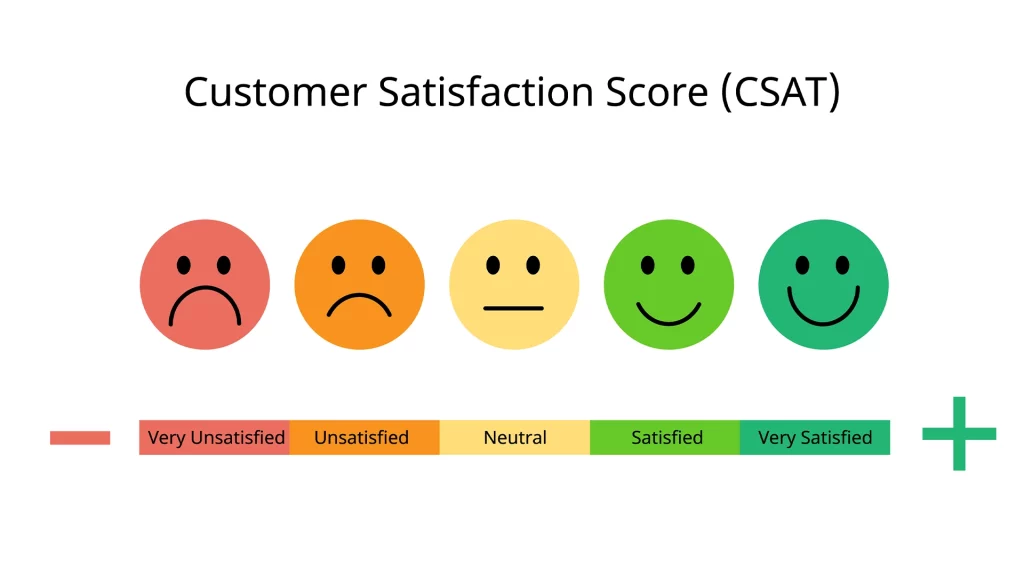
- Customer Satisfaction Score (CSAT) for Bot Interactions: If the bot reduces costs but causes a significant drop in CSAT, the long-term financial impact of customer churn will negate any short-term savings.
Focusing on these metrics allows fintech firms to identify specific workflows where the AI adds value versus areas where it creates friction. If the cost per resolution exceeds the cost of human-led support, it is time to audit the bot’s knowledge base or refine its integration with your core banking systems rather than simply increasing the budget. As you scale, you might also need to review Binance fees explained: trading, withdrawal, and deposit costs if your fintech operations involve crypto-asset management.
Frequently Asked Questions
Primary components of ai chatbot cost
Beyond monthly subscription fees, businesses must budget for API usage tokens, custom integration development, ongoing model fine-tuning, human-in-the-loop oversight, and data security compliance costs.
Scaling dynamics of ai chatbot cost
While unit costs for API calls may drop with volume, total cost of ownership often increases due to higher infrastructure requirements, increased data storage needs, and the necessity for more robust monitoring systems.