
The myth of universal digital infrastructure readiness
Central Bank Digital Currency (CBDC) projects often assume a baseline of ubiquitous high-speed internet and reliable electricity. In many developing nations, this assumption creates a significant implementation gap. For a CBDC to function as a viable medium of exchange, it must operate within environments where intermittent connectivity is the norm rather than the exception.
Relying on centralized, cloud-based ledger systems without robust local redundancy risks excluding the very populations these digital assets are intended to serve.
Connectivity and power grid dependencies
The primary technical barrier for cbdc implementation challenges for developing nations lies in the fragility of underlying utility grids. Unlike private sector digital wallets that can cache transactions locally and sync later, a sovereign digital currency requires strict double-spending prevention. This necessitates a sophisticated architecture capable of handling offline transactions through secure hardware elements or near-field communication (NFC) protocols.
-17102022.jpg)
Without a reliable power supply, the hardware required for point-of-sale (POS) terminals and consumer smartphones becomes useless. Implementing a CBDC in these regions requires a two-tier architectural approach. The central bank must facilitate a system where intermediary institutions—such as commercial banks or mobile network operators—can validate transactions locally during network outages. This requires:
- Hardware-based offline wallets: Utilizing smart cards or specialized secure elements that store value locally, independent of a live connection to the central bank’s ledger.
- Asynchronous settlement protocols: Designing a system that allows for transaction verification at the edge, with batch reconciliation occurring once connectivity is restored.
- Low-bandwidth transaction layers: Optimizing protocols to function over 2G or SMS-based channels, which remain the most reliable communication methods in rural areas.
Ignoring these infrastructure realities leads to a digital divide where CBDCs become an urban-centric tool, failing to achieve the financial inclusion goals often cited by policymakers. True implementation success depends on prioritizing offline-first design patterns rather than retrofitting them as secondary features.
Financial inclusion as a byproduct versus a design goal
Many central banks in developing economies frame Central Bank Digital Currencies (CBDCs) as a panacea for financial exclusion. However, the technical architecture of a CBDC often prioritizes monetary policy control and payment system efficiency over the specific needs of unbanked populations.

When financial inclusion is treated merely as a secondary byproduct rather than a core design requirement, the resulting infrastructure frequently fails to reach the most vulnerable segments of society. For a CBDC to effectively serve the unbanked, the design must account for offline transaction capabilities, low-cost hardware requirements, and interoperability with existing informal financial networks.
Relying on high-end smartphone penetration ignores the reality of rural markets where feature phones or intermittent internet connectivity remain the standard. If the system requires a stable 4G connection or expensive biometric verification hardware, it effectively excludes the very demographic it intends to empower.
Distinguishing between access and adoption
Providing a digital wallet to a citizen does not equate to active financial participation. Access is a technical hurdle; adoption is a behavioral and economic one. In many developing nations, the barrier to entry is not the lack of a digital account, but the lack of liquidity and a local ecosystem that accepts digital payments.
If a user receives government transfers via a CBDC but cannot spend those funds at local markets or convert them to cash without high fees, the wallet remains dormant. Successful implementation requires a robust merchant network. Without incentivizing small-scale vendors to accept digital payments—through lower transaction fees compared to traditional card networks or simplified tax reporting—the CBDC remains a closed-loop system.
The challenge lies in building a bridge between the digital ledger and the cash-heavy reality of daily commerce. Merely distributing digital tokens is insufficient; policymakers must ensure that the CBDC functions as a viable medium of exchange that offers tangible utility over physical cash. If the cost of cashing out or the complexity of the interface outweighs the benefits of digital storage, users will inevitably revert to traditional, albeit less efficient, informal financial practices.
Addressing cbdc implementation challenges for developing nations through interoperability
For many emerging economies, the primary hurdle in deploying a Central Bank Digital Currency (CBDC) is not the digital ledger itself, but the lack of seamless communication between new protocols and existing financial infrastructure. Interoperability serves as the bridge between fragmented payment ecosystems, allowing a CBDC to function alongside traditional bank deposits and mobile money platforms.
Without this, a CBDC risks becoming a siloed asset that fails to achieve the necessary network effects for mass adoption.
Legacy system integration risks
The technical friction between existing Real-Time Gross Settlement (RTGS) systems and new Distributed Ledger Technology (DLT)-based CBDC frameworks presents a significant operational risk. Most developing nations rely on legacy banking cores that were built decades ago, often lacking the APIs required to interact with blockchain-based environments.
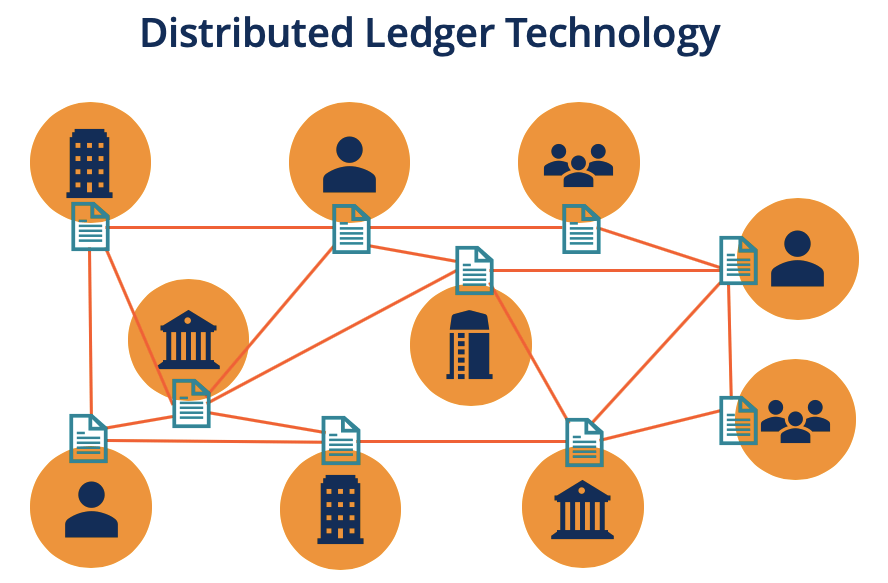
Attempting to force a DLT layer onto these outdated systems frequently results in high latency, synchronization errors, and increased vulnerability to cyberattacks. Central banks must weigh the costs of a ‘rip-and-replace’ strategy against the development of middleware layers. Middleware can act as a translator, converting DLT-based transaction messages into ISO 20022 standards that legacy systems recognize.
However, this adds a layer of complexity and a potential single point of failure. If the middleware fails, the entire payment chain halts, creating liquidity traps that could destabilize local interbank markets. Furthermore, the integration process requires deep technical coordination between the central bank, commercial banks, and fintech service providers.
In many developing markets, these entities operate on disparate software stacks. A standardized approach to API documentation and security protocols is essential to prevent the creation of ‘digital islands’ where money cannot flow freely between different wallet providers. Successful implementation requires a phased rollout where the CBDC is first tested in a sandbox environment, ensuring that the legacy RTGS can handle the finality of settlement without requiring manual reconciliation, which is the current industry standard in many of these regions.
Cybersecurity and the myth of centralized immunity
Central bank digital currencies (CBDCs) are often marketed as inherently secure due to their centralized oversight. However, this centralization creates a single point of failure that is particularly dangerous for developing nations.
Unlike decentralized systems that distribute risk, a national ledger becomes a high-value target for state-sponsored actors and sophisticated cybercriminal syndicates. A successful breach of a CBDC core infrastructure could result in the total paralysis of a nation’s monetary system, a risk far more catastrophic than a localized bank failure.
Operational resilience in low-resource environments
The long-term viability of CBDCs implementation challenges for developing nations is fundamentally tied to the scarcity of specialized cybersecurity talent.
Maintaining a secure digital ledger requires a continuous pipeline of experts in cryptography, network security, and incident response.
In many emerging economies, the public sector struggles to compete with global private firms for this niche talent, leading to chronic understaffing in critical oversight roles. This “talent gap” creates a dangerous operational reality. When a security vulnerability is identified, the speed of response is dictated by the availability of qualified personnel.
In low-resource environments, the time between the discovery of a zero-day exploit and the deployment of a patch is often extended, leaving the national currency exposed for longer periods. Furthermore, the reliance on foreign vendors for core software stacks often means that developing nations lack the internal expertise to audit the code for backdoors or hidden vulnerabilities.
To mitigate these risks, nations must move beyond simple perimeter defense. Implementing a robust cybersecurity framework requires:
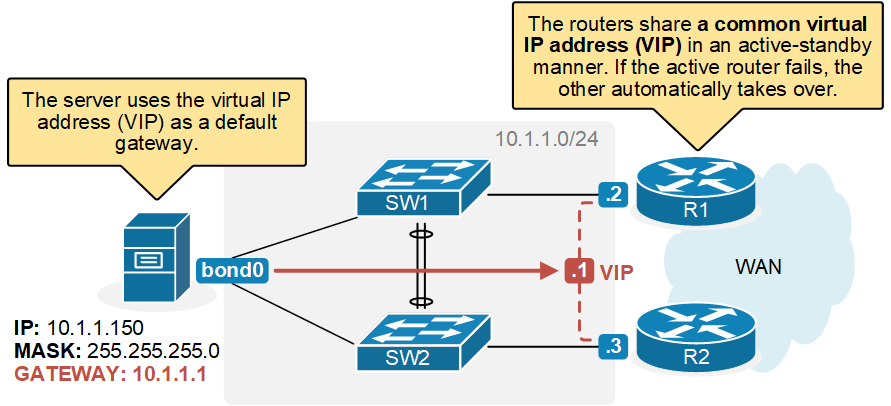
- Redundancy protocols: Maintaining offline or secondary ledger backups that can be activated if the primary system is compromised.
- Local capacity building: Investing in domestic training programs to reduce reliance on external technical consultants.
- Zero-trust architecture: Assuming that the internal network is already compromised and implementing strict verification for every transaction, regardless of its origin.
Without these measures, the digital ledger risks becoming a liability rather than an asset, as the cost of securing the infrastructure may eventually outweigh the efficiency gains promised by the technology.
Policy trade-offs in privacy and surveillance
Central Bank Digital Currencies (CBDCs) present a fundamental tension between the government’s desire for anti-money laundering (AML) oversight and the public’s expectation of financial anonymity. For developing nations, this trade-off is particularly acute.
Implementing a CBDC requires a granular data architecture that can track transaction flows in real-time, which often conflicts with the informal economy’s reliance on cash-based privacy. Policymakers must decide whether to adopt a tiered-access model—where small transactions remain anonymous while larger ones trigger automated reporting—or a centralized ledger that provides full visibility to the central bank.
Regulatory framework evolution
Technical deployment of a CBDC is premature without a comprehensive overhaul of existing legal tender laws. Many developing economies operate under banking statutes designed for commercial bank deposits and physical currency, which do not account for the unique characteristics of digital tokens. Developers must also consider if they can python develop mobile apps to support these new digital wallet interfaces efficiently.
Legislators must explicitly define the legal status of CBDCs as ‘legal tender’ to ensure they are accepted for debt settlement and tax payments. This requires amending central bank acts to grant the monetary authority the mandate to issue digital liabilities, alongside updating consumer protection laws to address digital fraud, wallet insolvency, and data privacy rights.
The transition to a CBDC also necessitates a shift in how financial institutions handle identity verification. Developing nations often struggle with fragmented identity systems. By integrating a CBDC with a national digital ID, governments can streamline financial inclusion; however, this creates a single point of failure for data security.
If the regulatory framework does not mandate strict data minimization—where only essential information is stored—the system risks becoming a tool for mass surveillance. Establishing an independent oversight body to audit the central bank’s data access protocols is a critical step in building public trust. Without these legal safeguards, the cbdc implementation challenges for developing nations remain insurmountable, as citizens may simply reject the digital currency in favor of established, albeit less efficient, informal alternatives.
Frequently Asked Questions
Primary barriers to CBDC adoption in developing nations
While connectivity is a factor, the primary challenge is often the lack of interoperability between legacy banking systems and new digital ledger technologies, alongside the high cost of maintaining secure offline transaction capabilities.
Impact of CBDCs on financial inclusion metrics
No. CBDCs are tools, not policies. Without addressing the underlying ‘last-mile’ distribution issues and digital literacy gaps, a CBDC may simply digitize existing financial exclusion rather than solving it.