
To effectively elevate your Web3 project and achieve sustainable growth, a robust blockchain marketing strategy must prioritize community, transparency, and education to drive adoption and build trust. Unlike traditional approaches, effective blockchain marketing prioritizes authentic engagement, deep technical understanding, and a long-term vision aligned with the decentralized ethos. This guide outlines the essential components for navigating a competitive landscape.
Understanding the Web3 Marketing Landscape
The Web3 ecosystem operates on principles fundamentally different from Web2. Decentralization, immutability, and community ownership reshape how projects interact with their users and stakeholders. Traditional marketing tactics, while foundational, often fall short without a nuanced understanding of these distinctions.
Key characteristics of the Web3 marketing environment include:
- Community-Centricity: Projects are often governed or heavily influenced by their communities, making engagement and sentiment critical.
- Transparency and Trust: Users expect verifiable information, open communication, and a clear understanding of a project’s underlying technology and tokenomics.
- Technical Complexity: Marketing must bridge the gap between complex blockchain concepts and a diverse audience, from crypto-native developers to mainstream users.
- Regulatory Nuance: The evolving regulatory landscape for digital assets requires careful consideration in all marketing communications.
Elevate your Web3 project: a blockchain marketing strategy for growth
Crafting a robust blockchain marketing strategy requires a multi-faceted approach, integrating technical understanding with proven marketing principles. Here are the core pillars:
1. Define Your Audience and Value Proposition
Before any outreach, clearly identify who you are trying to reach and what unique problem your Web3 project solves. Your audience might include:
- Crypto-Natives: Experienced users familiar with DeFi, NFTs, and dApps. They value technical innovation, security, and decentralization.
- Mainstream Adopters: New to Web3, seeking user-friendly solutions and clear benefits. They need education and simplified explanations.
- Developers: Interested in tooling, SDKs, and integration opportunities.
- Investors: Ranging from retail participants to institutional venture capitalists, each with different risk appetites and due diligence requirements.
Your value proposition must articulate how your project offers a superior, more secure, or more efficient solution compared to existing alternatives, both Web2 and Web3.
2. Community Building and Engagement
Community is the lifeblood of any Web3 project. Building an active, engaged, and loyal community is paramount for long-term success. This involves:
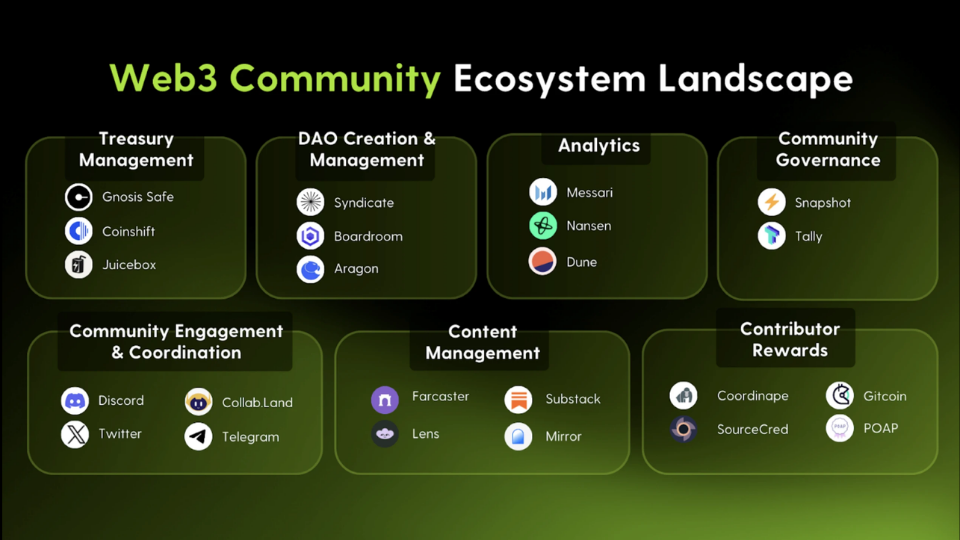
- Platform Selection: Establish a strong presence on platforms like Discord for real-time interaction, Telegram for announcements, X (formerly Twitter) for news and trends, and Reddit for in-depth discussions.
- Active Moderation: Foster a positive environment, answer questions promptly, and manage discussions effectively.
- Engagement Initiatives: Host regular Ask Me Anything (AMA) sessions, community calls, governance discussions, bounty programs, and ambassador initiatives. Tools like Guild.xyz can help manage roles and access based on on-chain activity, while Snapshot.org facilitates decentralized governance voting.
- Feedback Loops: Actively solicit and integrate community feedback into product development and strategic decisions, demonstrating that their voices matter.
3. Content Marketing for Education and Trust
High-quality, educational content is crucial for demystifying blockchain technology and building credibility. Your content strategy should aim to inform, engage, and inspire:
- Foundational Documents: Develop comprehensive whitepapers, litepapers, and technical documentation that clearly explain your project’s mechanics, tokenomics, and vision.
- Blog Posts and Articles: Create informative pieces on topics like “Understanding Layer 2 Scaling Solutions,” “The Mechanics of Decentralized Autonomous Organizations (DAOs),” or “How to Secure Your Digital Assets.” These can include tutorials, deep dives into technical features, market analyses, and interviews with project founders or core developers. The goal is to demystify complex concepts and showcase the project’s innovation.
- Video Content: Produce explainer videos, animated tutorials, AMA recordings, and project updates for platforms like YouTube and Vimeo. Visual content can significantly improve comprehension and engagement for complex Web3 topics.
- Podcasts and Webinars: Host discussions with industry experts, project team members, and community leaders. These formats allow for deeper dives into specific topics and foster a sense of connection.
- Infographics and Visualizations: Simplify data, tokenomics, or complex processes into easily digestible visual formats for social media and blogs.
- Newsletters: Curate regular updates, exclusive insights, and community highlights to keep your audience informed and engaged directly in their inboxes.
4. Search Engine Optimization (SEO) for Web3 Discoverability
While community platforms are vital, organic search remains a powerful channel for new user acquisition. Optimizing your project’s website and content for search engines ensures discoverability by users actively seeking solutions or information related to Web3.
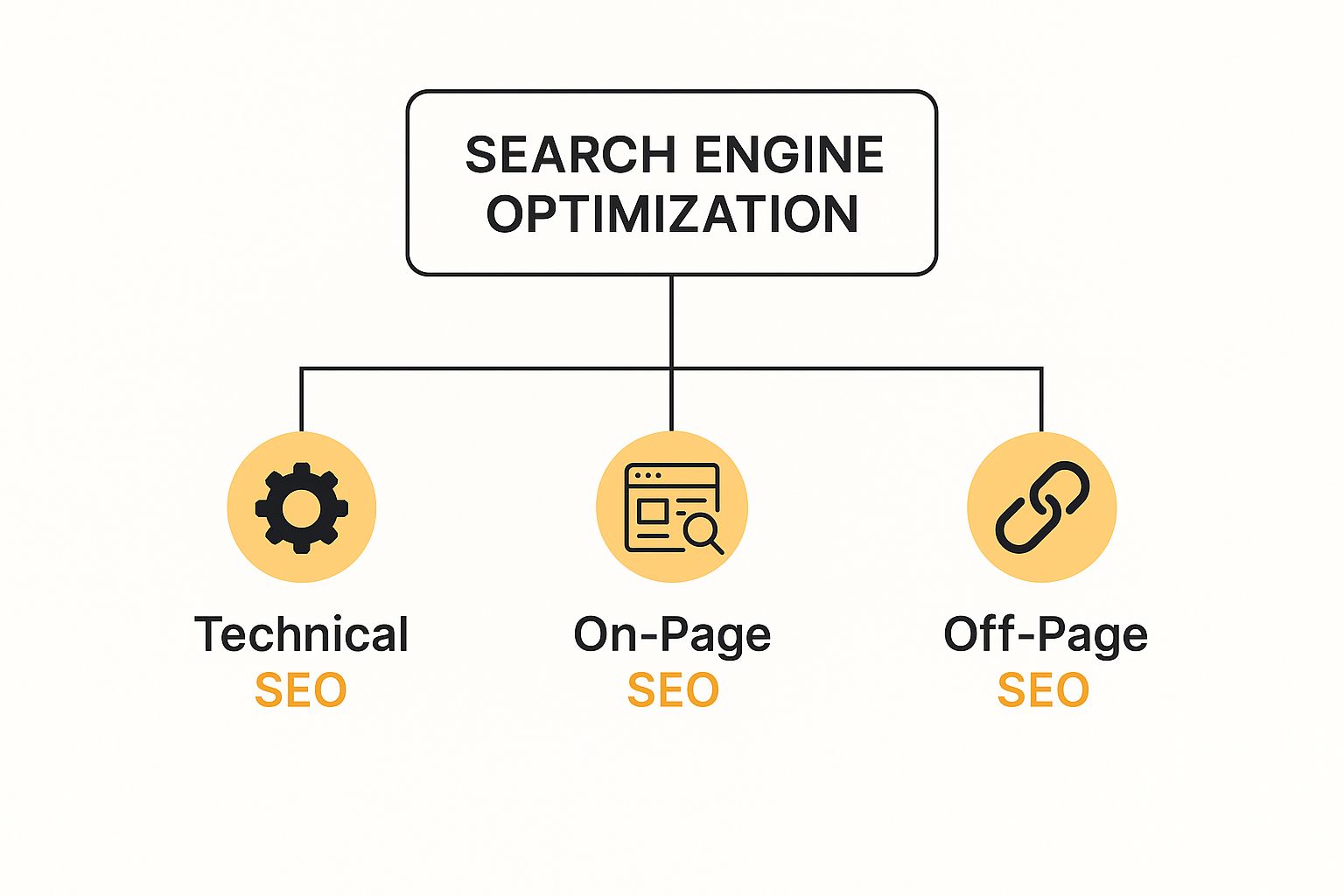
- Keyword Research: Identify relevant terms users search for, such as “decentralized finance protocols,” “NFT marketplace development,” or “blockchain gaming platforms.” Tools like Ahrefs or Semrush can help uncover these opportunities.
- Technical SEO: Ensure your website is fast, mobile-friendly, and has a clear site structure. For Web3 projects, this also involves optimizing for specific blockchain-related terms and ensuring content accurately reflects the project’s technical underpinnings.
- Content Optimization: Integrate target keywords naturally into headings, body text, and meta descriptions. Create comprehensive guides and educational resources that answer common user questions, establishing your project as an authoritative source.
- Backlink Building: Acquire high-quality backlinks from reputable crypto news sites, industry blogs, and Web3 communities to boost domain authority and search rankings.
5. Strategic Partnerships and Influencer Marketing
Collaborations are fundamental in the interconnected Web3 ecosystem. Forming strategic partnerships can expand your reach, enhance credibility, and drive adoption for your Web3 project.
- Ecosystem Partnerships: Partner with other complementary Web3 projects, protocols, or infrastructure providers. For example, a new DeFi protocol might integrate with an established oracle network like Chainlink or a wallet provider like MetaMask.
- Media and Industry Collaborations: Work with leading crypto media outlets for features, interviews, or sponsored content. Participate in industry events, conferences, and hackathons to gain visibility and network.
- Influencer Marketing: Identify and collaborate with reputable crypto influencers, thought leaders, and content creators who align with your project’s values. Authentic endorsements from trusted voices can significantly impact community perception and user acquisition. Ensure transparency and compliance with disclosure regulations.
6. Analytics and Iteration
A successful blockchain marketing strategy is not static; it requires continuous monitoring, analysis, and adaptation.
- Key Metrics: Track relevant metrics such as website traffic, social media engagement (likes, shares, comments), community growth (Discord members, Telegram subscribers), dApp usage (active users, transaction volume), and token holder growth.
- On-Chain Analytics: Utilize tools like Dune Analytics or Nansen to monitor on-chain activity, understand user behavior, and track token distribution. This provides invaluable insights into the real-world impact of your marketing efforts.
- A/B Testing: Experiment with different messaging, content formats, and distribution channels to identify what resonates best with your target audience.
- Feedback Loops: Continuously gather feedback from your community and adapt your strategy based on performance data and market trends. The Web3 space evolves rapidly, and agility is key to sustained growth.
Frequently Asked Questions
How does Web3 marketing differ from traditional digital marketing? Web3 marketing focuses on community ownership, transparency, and decentralized governance rather than centralized control. It requires building trust through open-source transparency and active participation in community-led platforms like Discord.
What are the most effective channels for reaching a Web3 audience? Discord and X (formerly Twitter) are the primary hubs for real-time engagement and industry news. Telegram is also widely used for community announcements and direct communication.
How can I measure the success of my Web3 marketing efforts? Beyond standard web traffic, you should track on-chain metrics such as unique wallet addresses, transaction volume, and token holder growth using tools like Dune Analytics or Nansen.
Why is community building so critical for Web3 projects? In a decentralized ecosystem, your community often acts as your primary marketing force, governance body, and user base. A strong, loyal community provides the network effects necessary for long-term project sustainability.