

Binance targets five new Asian markets for 2027 expansion
Binance, the world’s largest cryptocurrency exchange by trading volume, is planning to expand into five Asian markets in 2027, with South Asia and Southeast Asia emerging as key priorities.
The announcement comes shortly after the exchange experienced a record-breaking $6.3 billion security breach in October 2026, raising renewed questions about cybersecurity, user protection, and regulatory oversight across the cryptocurrency industry.
According to Reuters, SB Seker, Binance’s Head of APAC, confirmed that the company is currently in discussions with five to six markets. Three of these discussions have already reached relatively advanced stages, while others remain ongoing.
The company expects to provide further details about its expansion plans in the first quarter of 2027. However, Binance has not yet publicly identified the five markets it intends to enter.
This development signals that despite facing one of the largest security incidents in crypto history, Binance continues to pursue growth opportunities across Asia.
The $6.3 Billion Binance Hack: What Happened?
In October 2026, Binance suffered a major security incident involving unauthorized withdrawals from its hot wallet infrastructure, resulting in approximately $6.3 billion in affected digital assets.
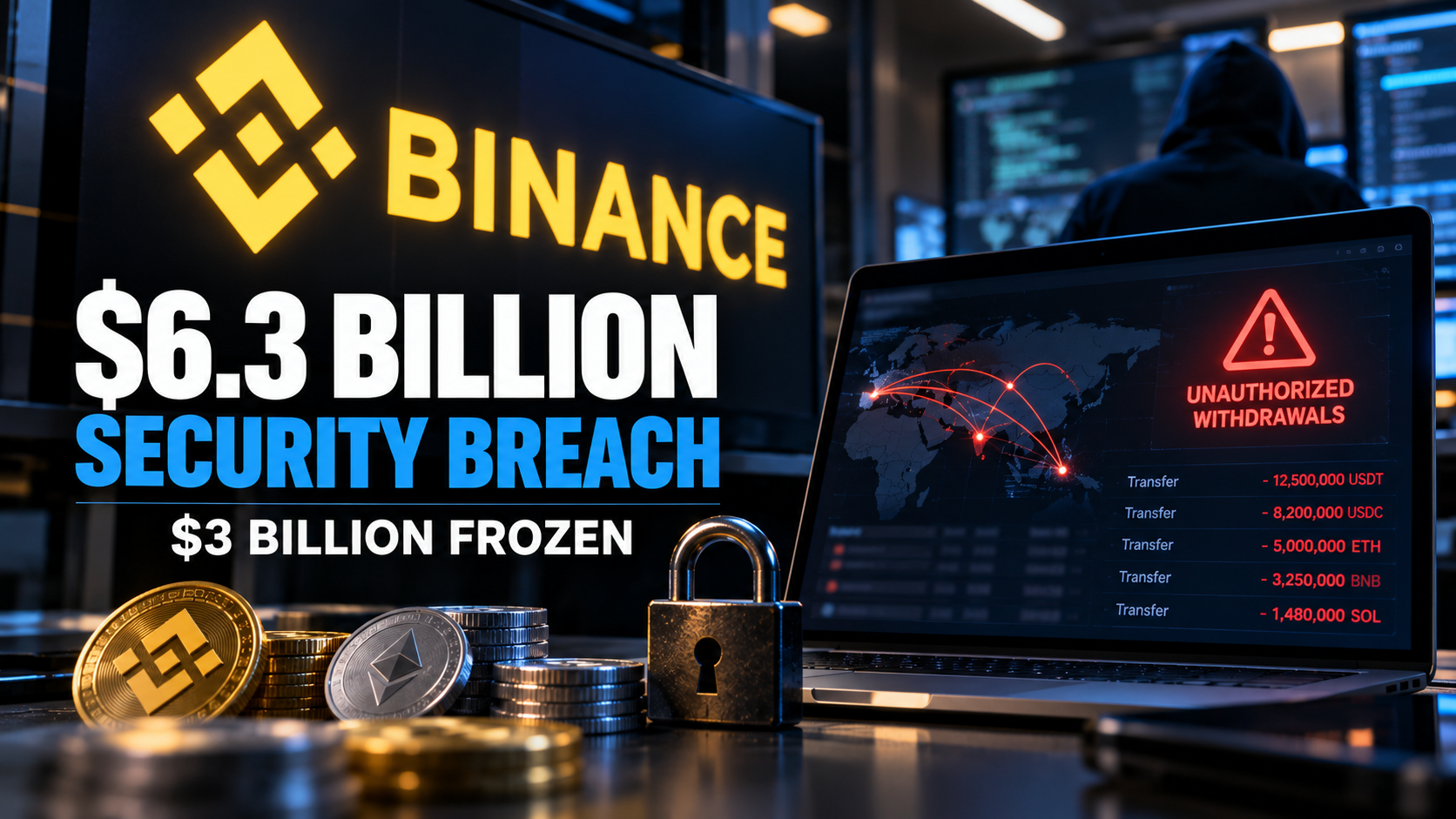
According to Binance’s investigation, the attackers exploited internal systems and compromised employee devices to gain access to infrastructure involved in wallet operations.
The incident was particularly significant because it highlighted vulnerabilities beyond blockchain protocols themselves, including internal access management, employee cybersecurity, and transaction authorization systems.
The FBI and Binance attributed the attack to North Korean hackers, although North Korea denied responsibility.
Following the incident, Binance announced that it would fully cover affected user losses using company funds and its Secure Asset Fund for Users (SAFU).
The exchange also reported that it had covered approximately 95% of the stolen tokens and was working to restore withdrawals across the remaining networks and assets.
The scale of the breach has intensified scrutiny of security practices across centralized cryptocurrency exchanges.
Why Is Binance Still Expanding in Asia?
Despite the security challenges, Asia remains a strategic region for cryptocurrency adoption and digital asset innovation.
Several factors help explain Binance’s continued expansion strategy.
Growing Opportunities in Southeast Asia
Southeast Asia has become an important market for digital financial services, blockchain applications, and cryptocurrency adoption.
The region’s growing digital economy presents opportunities for crypto exchanges seeking to expand their user base and establish stronger regional operations.
For Binance, entering additional Asian markets could strengthen its presence in one of the world’s most dynamic digital asset ecosystems.
Regulatory Engagement Is Becoming More Important
Market expansion is no longer simply about acquiring users or increasing trading volume.
Cryptocurrency companies must increasingly engage with financial regulators, comply with local requirements, and demonstrate their ability to manage operational and cybersecurity risks.
Following the October incident, Binance contacted regulators in several markets, including Japan, South Korea, Australia, Thailand, and New Zealand, within 36 to 48 hours.
According to Seker, conversations with regulators have expanded beyond the incident itself to broader questions about how the entire crypto ecosystem can prepare for increasingly sophisticated security threats.
This suggests that regulatory relationships and compliance capabilities will play a central role in the next phase of Web3 expansion.
Security and User Trust Are Becoming Competitive Advantages
The $6.3 billion incident highlights an important challenge for the cryptocurrency industry: growth cannot be sustained without user confidence.
For centralized exchanges, security involves more than protecting private keys or auditing smart contract security.
It also requires stronger internal controls, employee cybersecurity awareness, infrastructure monitoring, and reliable incident response mechanisms.
As competition increases across Asian markets, exchanges that demonstrate stronger security practices and transparency may gain an important advantage in building long-term user trust.
What Binance’s Expansion Means for the Web3 Industry in Asia
Binance’s planned expansion reflects a broader trend in the digital asset industry: Asian markets are becoming increasingly important to the global Web3 ecosystem.
However, the next stage of growth may look different from previous expansion cycles.
Rather than focusing exclusively on user acquisition and trading volume, crypto companies will need to balance several priorities:
- Regulatory compliance: Building operations that align with local financial regulations.
- Cybersecurity infrastructure: Strengthening wallet management, internal systems, and transaction monitoring.
- Talent development: Recruiting professionals with expertise in blockchain, cybersecurity, compliance, and financial technology.
- Market localization: Understanding local user behavior, business environments, and regulatory frameworks.
- Trust and transparency: Establishing stronger relationships with users, institutional partners, and regulators.
These priorities also create opportunities for companies supporting the wider Web3 ecosystem.
At Fintech24h, we recognize that sustainable growth in Blockchain, Fintech, and AI requires more than technology alone. Businesses also need the right talent, market understanding, and strategic growth capabilities to navigate an increasingly competitive industry.

As Web3 companies expand across Asia, the demand for professionals who understand both emerging technologies and their business applications is likely to become increasingly important, often requiring a leading blockchain marketing partner to scale effectively.
The Bigger Question: Can Web3 Growth Keep Up With Security Expectations?
Binance’s expansion plans highlight a critical tension within the cryptocurrency industry.
On one hand, Asia offers significant opportunities for digital asset adoption and blockchain innovation. On the other, increasingly sophisticated cyberattacks are challenging exchanges to strengthen their infrastructure and rebuild user confidence.
The industry’s next growth phase will depend not only on how quickly companies enter new markets, but also on how effectively they protect users, work with regulators, and establish sustainable business operations.
For Web3 companies looking to expand in Asia, the message is becoming clear: growth creates opportunities, but trust makes growth sustainable. Many firms now rely on a crypto marketing agency to communicate these security commitments to their community.
Frequently Asked Questions
1. Which Asian markets is Binance planning to enter?
Binance plans to expand into five Asian markets in 2027, prioritizing South Asia and Southeast Asia. The company has not yet disclosed the specific countries.
2. What happened in the $6.3 billion Binance hack?
In October 2026, Binance experienced a major security breach involving unauthorized withdrawals from its hot wallet infrastructure. The incident affected approximately $6.3 billion in digital assets.
3. Who was responsible for the Binance security breach?
The FBI and Binance attributed the attack to North Korean hackers. However, North Korea denied responsibility.
4. Will Binance compensate users affected by the hack?
Binance stated that it would fully cover affected user losses through company funds and its Secure Asset Fund for Users (SAFU).
5. Why is Southeast Asia important to Binance’s expansion strategy?
Southeast Asia offers opportunities for cryptocurrency adoption, digital financial services, and blockchain innovation. Its growing digital economy makes the region strategically important for global crypto companies.