
Web3 marketplaces: unlocking direct-to-consumer engagement
Web3 marketplaces: unlocking direct-to-consumer engagement by moving beyond traditional e-commerce models to foster peer-to-peer digital asset transactions. By leveraging blockchain technology, these decentralized platforms enable verifiable ownership and deeper community connections.
For brands, this represents a significant opportunity to build stronger relationships, unlock new revenue streams, and differentiate themselves in a competitive digital landscape.
Understanding Web3 Marketplaces for D2C Engagement
At their core, Web3 marketplaces are digital platforms built on decentralized networks, primarily blockchains. Unlike Web2 platforms, which are typically controlled by a single entity, Web3 marketplaces distribute control and ownership among participants.
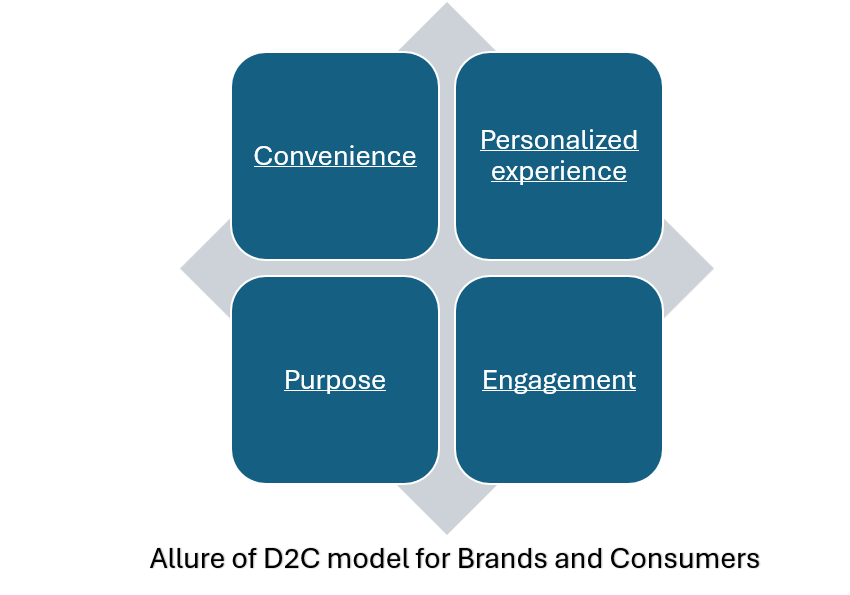
This architectural shift empowers both brands and consumers with greater autonomy and new forms of value exchange.

Key characteristics define these emerging platforms:
- Decentralized Infrastructure: Transactions and data are recorded on a distributed ledger, eliminating the need for central intermediaries. This reduces censorship risk and provides a single source of truth for asset ownership.
- Peer-to-Peer Transactions: Brands can sell directly to consumers, and consumers can resell digital assets to each other, often without significant platform fees. This fosters a more equitable value distribution.
- Automated Royalty Payments: Smart contracts can be programmed to automatically distribute royalties to original creators on every secondary sale. This ensures continuous revenue for artists and brands, incentivizing long-term value creation.
- Verifiable Digital Asset Ownership: Non-fungible tokens (NFTs) represent unique digital assets, granting verifiable ownership to consumers. This transforms digital goods from mere licenses into true property, from digital art to virtual fashion.
- Branded Experiences: Brands can deploy their own white-label Web3 marketplaces, customizing the user experience to align perfectly with their brand identity. This allows for a consistent brand narrative and direct control over customer interactions.
- Community-Centric Models: Many Web3 marketplaces integrate features that foster strong communities, such as token-gated access, decentralized autonomous organizations (DAOs), and exclusive content for asset holders.
Strategic Advantages for Brands in Web3 Marketplaces
Adopting Web3 marketplaces offers brands a suite of strategic advantages, particularly in the direct-to-consumer space. These platforms facilitate a paradigm shift from transactional relationships to deeply engaged communities.
- Enhanced Customer Relationships: Direct interaction with customers through Web3 platforms allows brands to gather first-party data transparently and build loyalty programs based on verifiable ownership and engagement. This fosters a sense of belonging and shared value.
- New Revenue Streams: Brands can tokenize physical products, offer exclusive digital collectibles, or create unique experiences tied to NFTs. This opens up entirely new avenues for monetization beyond traditional product sales. For instance, luxury brands can sell digital twins of their physical goods, or media companies can offer limited-edition digital content.
- Data Ownership and Insights: By operating their own marketplaces, brands gain direct access to valuable customer behavior data, allowing for more precise marketing and product development. This contrasts sharply with reliance on third-party platforms that often gate access to such insights.
- Innovation and Differentiation: Early adopters of Web3 marketplaces position themselves as forward-thinking innovators. This can attract a new demographic of tech-savvy consumers and create a distinct competitive edge in a crowded market. Industry trends suggest that brands embracing Web3 see notable increases in customer engagement and new revenue streams, driven by the novelty and utility of digital assets.
- Increased Brand Loyalty: By offering unique digital assets and community benefits, brands can cultivate a highly loyal customer base. Customers who own a piece of a brand’s digital ecosystem are often more invested and become powerful advocates.
Navigating the Challenges of Web3 Marketplace Adoption
While the opportunities are significant, brands must also address several challenges when venturing into Web3 marketplaces. These considerations are crucial for successful implementation and long-term sustainability.
- Web3 Adoption Curve and User Experience: The broader consumer base is still becoming familiar with Web3 concepts like crypto wallets and gas fees. Brands must prioritize intuitive, user-friendly onboarding experiences that abstract away technical complexities, potentially offering fiat payment options alongside cryptocurrencies.
- Security and Regulatory Compliance: Operating a Web3 marketplace demands robust security measures to protect digital assets and user data from hacks and exploits. Furthermore, the regulatory landscape for digital assets and NFTs is still evolving globally, requiring brands to stay informed and ensure compliance with relevant financial and consumer protection laws.
- Integration with Existing Systems: Seamlessly integrating a new Web3 marketplace with existing e-commerce platforms, CRM systems, and supply chain management tools can be complex. Brands need to plan for interoperability to maintain a cohesive customer journey and operational efficiency.
- Market Volatility and Education: The value of cryptocurrencies and NFTs can be highly volatile, which might deter some consumers. Brands must educate their audience on the nature of digital assets and manage expectations regarding potential value fluctuations.
Real-World Applications: Brands Thriving in Web3 D2C
The transformative potential of Web3 marketplaces is already being demonstrated by leading brands across various sectors. These examples highlight diverse strategies for leveraging blockchain technology for direct consumer engagement.

- Sotheby’s Metaverse: The venerable auction house partnered with Mojito to launch Sotheby’s Metaverse, a high-end marketplace for digital art and NFTs. This initiative allowed Sotheby’s to tap into a new generation of collectors and expand its offerings beyond physical art. Since its inception, Sotheby’s Metaverse has facilitated significant sales, demonstrating the growing demand for digital assets among affluent buyers and the power of a trusted brand entering the Web3 space.
- Tampa Bay Rowdies: The professional soccer club introduced the Rowdies Digital Pass, an NFT designed to enhance fan engagement for season ticket holders. This digital pass provided exclusive benefits, unique content, and deeper insights into fan preferences. Over half of their season ticket holders minted the NFT, showcasing a strong appetite for innovative fan experiences and a direct connection with their favorite team through digital ownership.
- Nike’s.SWOOSH Platform: Nike launched.SWOOSH, a Web3 platform where members can co-create, collect, and trade virtual apparel and digital collectibles. This initiative allows Nike to engage directly with its community, offering exclusive digital products and fostering a new layer of brand interaction and loyalty in the metaverse.


Implementing a Web3 Marketplace: A Practical Guide for Brands
For brands considering a foray into Web3 marketplaces, a structured approach is essential to maximize success and mitigate risks.
- 1. Define Clear Objectives: Before building, identify what you aim to achieve: new revenue, enhanced loyalty, community building, or brand innovation. Your objectives will guide platform choice and feature development.
- 2. Choose the Right Solution: Decide between building a custom marketplace from scratch or utilizing a white-label solution. White-label platforms offer faster deployment and managed infrastructure, ideal for brands new to Web3, while custom builds provide maximum flexibility.
- 3. Prioritize User Experience (UX): Design an intuitive interface that simplifies Web3 complexities. Offer clear instructions for wallet setup, transaction processes, and asset management. Consider features like social logins and fiat payment gateways to lower the barrier to entry.
- 4. Integrate Diverse Payment Options: Support both traditional payment methods (credit cards) and popular cryptocurrencies. This inclusivity ensures accessibility for a wider audience, catering to both Web3 natives and newcomers.
- 5. Ensure Robust Security and Compliance: Implement industry-leading security protocols for smart contracts and user data. Engage legal counsel to navigate the evolving regulatory landscape for NFTs and digital assets, ensuring adherence to consumer protection and financial regulations.
- 6. Foster Community and Engagement: Build features that encourage interaction, such as forums, exclusive content for token holders, or voting mechanisms through DAOs. Actively engage with your community on platforms like Discord and X (formerly Twitter) to build loyalty and gather feedback.
Frequently Asked Questions
How do Web3 marketplaces differ from traditional e-commerce? Web3 marketplaces use blockchain technology to enable peer-to-peer transactions and verifiable digital ownership, whereas traditional platforms rely on centralized intermediaries and database-driven ownership records.
What are the main risks for brands entering the Web3 space? Key risks include regulatory uncertainty, security vulnerabilities in smart contracts, and the technical barrier to entry for consumers unfamiliar with crypto wallets.
Can brands use Web3 marketplaces for physical products? Yes, brands often use tokenization to link physical goods to digital twins or NFTs, allowing for verifiable provenance and unique digital experiences tied to physical purchases.
Conclusion
Web3 marketplaces represent a compelling frontier for direct-to-consumer engagement, offering brands unprecedented opportunities to forge deeper connections, generate novel revenue streams, and cultivate highly loyal communities. By embracing decentralization, verifiable ownership, and smart contract automation, brands can move beyond traditional e-commerce limitations.
While challenges related to adoption, security, and regulation persist, strategic planning and a focus on user experience will position brands to thrive in this evolving digital ecosystem. Those who invest in Web3 marketplaces now are poised to lead the next wave of innovation in direct-to-consumer interaction, securing a competitive advantage in the digital economy.